Category: 3. Business

  • Multistakeholder Promises and Power Gaps in Global AI Summits

    Multistakeholder Promises and Power Gaps in Global AI Summits

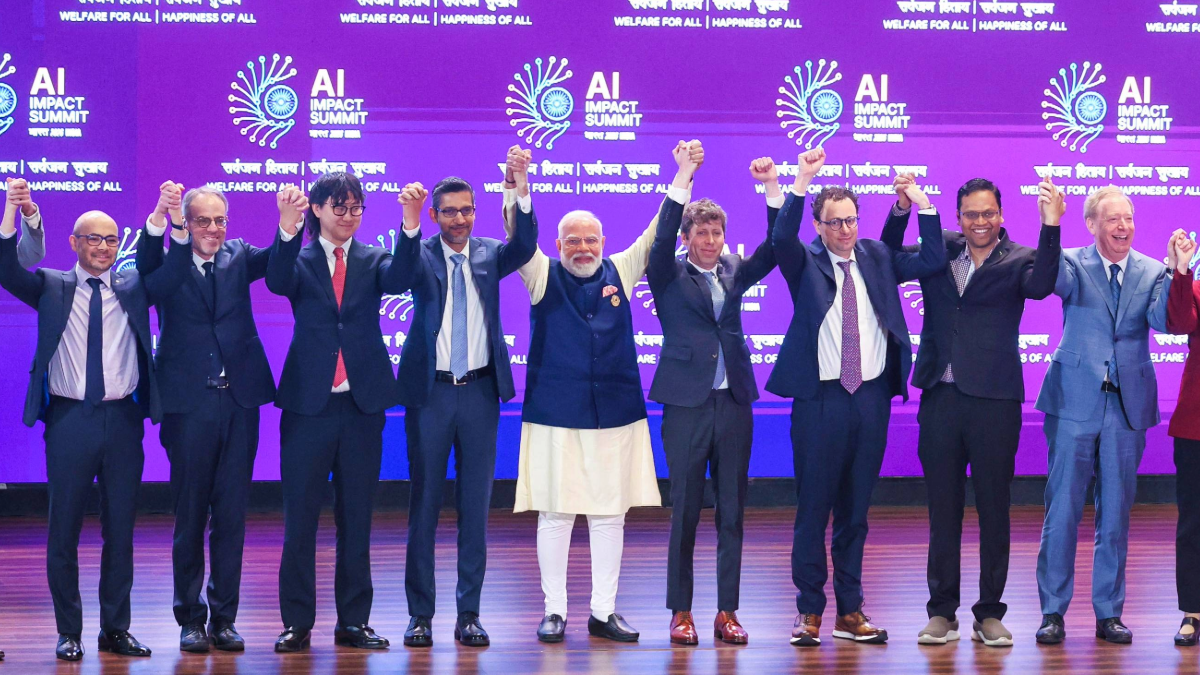
    India’s Prime Minister Narendra Modi, seventh left, poses for photographs with chief executive officers of various AI groups during the AI Summit in New Delhi, India, Thursday, Feb. 19, 2026. (Indian Prime Minister’s Office via AP)

    Global AI summits have increasingly embraced the language of multistakeholder governance, but meaningful participation by civil society and academic actors remains limited. Across the series of AI summits — from Bletchley and Seoul to Paris and New Delhi — governments have gradually expanded opportunities for engagement with researchers, civil society organizations, and other stakeholders. These efforts have helped bring issues such as democratization, sovereignty, equity, and inclusivity into global AI governance discussions. Yet the ability of non-state and non-corporate actors to shape agendas and outcomes has remained constrained. These summits are often in the nature of trade shows showcasing industrial prowess rather than forums for substantive governance conversations.

    The New Delhi AI Impact Summit Declaration, signed by more than 90 countries, including China and the United States, continued this trajectory by formally recognizing international cooperation and multistakeholderism. The 2026 India AI Impact Summit also created additional avenues for participation, particularly for civil society groups, researchers, and academics from the Majority World. However, the inclusion of these themes in summit agendas and declarations has not yet translated into meaningful influence over decision-making.

    If global AI governance is to address real-world impacts — both positive and negative — the architecture and institutional processes of these Summits must evolve. Multistakeholder participation for civil society groups and academic actors should move beyond representation toward active involvement in agenda-setting and decision-making. This is especially true for those from the Global Majority, who face additional barriers to participation and power. To allow for truly meaningful, multistakeholder governance, the path to the upcoming UN Global Dialogue on AI Governance and the 2027 Global AI Summit in Geneva must be open, inclusive, and rights-focused, and prioritize a bottom-up civil society agenda.

    Thematic priorities of AI Summits: From the UK to India and beyond

    The previous three Summits in Bletchley, Seoul, and Paris focused on frontier risks, safety research, building safety networks, and advancing public interest AI. As the first summit hosted in a Global Majority country, the India AI Impact Summit shifted the global discourse to prioritize perspectives and needs of the Global Majority, integrating diverse perspectives into the official program.

    While the New Delhi AI Impact Declaration is widely welcomed for its focus on sovereignty, democratizing access to AI resources and infrastructure, supporting locally relevant innovation, and strengthening resilient AI ecosystems, it falls short of addressing human rights or establishing mechanisms to track the implementation of voluntary commitments. Democracy and sovereignty are words increasingly used by the White House and US AI companies to position their products and services as more rights-respecting and competitive than their Chinese alternatives. Without targeted autonomy, the Global Majority runs the risk of renting Big Tech’s models.

    Although multiple initiatives announced at the India Impact Summit are still in their early stages of implementation and are, again, voluntary and non-binding, it is noteworthy that multistakeholder collaboration is emphasized across multiple deliverables. In practice, the commitments could create a framework for cooperation rooted in inclusive, democratized AI. However, with the next summit being hosted by Switzerland, it is necessary to ensure that the thematic focus on the needs and issues of the Global Majority remains part of the core agenda of global AI governance. The answer lies in the architecture of the Summits.

    Evaluating the summit architecture

    To date, the architecture and organizational processes of these Summits have lacked coherence, offering civil society and academic stakeholders only a limited role in shaping agendas and outcomes. This inconsistency is evident across the Summit series: the Bletchley Summit had limited civil society participation; the Paris Summit utilized a multistakeholder steering committee and working groups with variable impact and restricted access to the Main Summit.

    Ahead of the Delhi Summit, the Government of India established working groups (the outcomes of which are available on the IndiaAI website), expert engagement groups, and accredited pre-events organized and hosted by a range of stakeholders. Civil society sessions were accredited and integrated into the main Summit agenda and as satellite events, including our multistakeholder side event Reinforcements and Learning: Multistakeholder Convening on AI Governance, which convened over 400 leading academic, civil society, company, and government experts, and formed part of our broader MAP-AI project activities in New Delhi. The summit was also open to participation by the general public.

    Yet, as with previous summits, the Delhi Summit’s broader participation did little to connect academic and civil society discussions to actual decision-making on the main agenda and outcomes. Space was definitely created for civil society participation at the India Summit, but the contours of inclusion weren’t negotiated; they were granted. For instance, on the day of the Prime Minister’s speech, with heads of state and senior executives in attendance, civil society was not permitted to attend.

    Unfortunately, promises around Global Majority leadership did not translate into meaningful action, either. With the lasting image of the India AI Impact Summit being the Indian Prime Minister holding hands with mostly US Big Tech CEOs, who were all men.

    Across all summits, a persistent disconnect remains between the government decision-making track and civil society groups or academic mechanisms. To shift these vital voices from the periphery to the core, future Summits must move beyond simple participation toward shared spaces and “mingled tracks” that bring together governments, companies, and civil society in deliberative spaces. True multistakeholder outcomes require an exchange of perspectives that transcends panel discussions, allowing for real, integrated input from government, industry, and academia alike.

    To enable this, the following issues must be addressed:

    Lack of a governing framework: The current summit model operates on an ad-hoc basis, lacking a comprehensive governing framework, a central secretariat, or a coordinating body. This institutional vacuum creates a gap in predictable “continuity” between host nations. For example, Switzerland was only confirmed as the 2027 host in New Delhi, and the United Arab Emirates has announced that it will co-host 2027 and host the 2028 Summit, but this has not been confirmed. Without a transparent process for selecting future hosts or defining a multi-year agenda, civil society is forced into a cycle of reactive engagement. This unpredictability hinders sustained, long-term engagement, both substantively, financially, and logistically.

    An accountability deficit: In the absence of formal monitoring and evaluation mechanisms, the commitments made at each Summit risk becoming performative and influenced by the shifting sands of geopolitics and corporate interests. There is currently no accountability framework to track progress on deliverables from one Summit to the next. For stakeholders engaging in each Summit, this raises fundamental questions about the efficacy of their participation and demands.

    Procedural ambiguity for multistakeholder participation: The procedural pathways for integrating non-governmental and non-corporate input into concrete outcomes remained undefined. There is a focus on enabling participation, but avenues for meaningful influence on agendas, process, and outcomes are often opaque and inconsistent, leading to last-minute engagement efforts. The lack of a standardized process for receiving and synthesizing multistakeholder contributions, and a roadmap for it, leads to inconsistent participation. Long-established Internet Governance processes around multistakeholder participation through the World Summit on the Information Society (WSIS), the Internet Governance Forum (IGF), and NetMundial and the Sao Paulo Principles offer important lessons and pathways for incorporating meaningful multistakeholder participation.

    Limited engagement: While India has set a valuable precedent by focusing on the Global Majority, it is unclear whether that priority will be retained as the next few global AI governance gatherings shift back to the North. Both logistically and substantively, Majority World participation, especially from civil society and academia, might drop in Geneva without dedicated efforts. Meanwhile, while civil society has been provided more space at and around the last two Summits, a “participation paradox” persists: civil society is increasingly invited to speak at sessions and panels but remains largely excluded from agenda-setting and decision-making.

    These systemic barriers reveal a disconnect between rhetoric and reality: while the language of a multistakeholder approach and an agenda of inclusivity, social empowerment, and access is adopted, the actual agency of underrepresented voices remains curtailed. This curtailment occurs at a critical juncture, where multistakeholder input is essential as AI technologies and their applications evolve at breakneck speed.

    This rapid advancement, further complicated by deepening geopolitical uncertainty and the increasing use of AI in armed conflict, raises fundamental questions about acceptable use, liability for harm, the necessary guardrails and checks and balances, and ultimately who gets to define them. These questions demand rigorous deliberation by diverse voices, particularly those most directly impacted by the technology. Consequently, we must design inclusive multistakeholder processes that bring together a plurality of contexts, values, experiences, and expertise and can navigate both hyper-fast development cycles and new use cases, as well as a landscape of fractured global relationships.

    Future course

    As the center of gravity for AI governance shifts from New Delhi to Geneva, the international community faces a critical moment. The challenge now is to ensure that the AI governance agenda, discourse, and ultimately the frameworks that emerge, reflect and address the needs of and impact on the more than 80% of the world’s population that lives in the Global Majority. This must be achieved by centering the human rights framework, enabling continuity and accountability, and by governance frameworks that address real-world impacts by enhancing multistakeholder participation.

    To facilitate this evolution, the Centre for Communication Governance at National Law University Delhi (CCG) and Global Network Initiative have developed a Reflections and Recommendations brief. This framework serves as a blueprint for ensuring that AI governance conversations and processes include diverse perspectives, particularly from the Global Majority, are grounded in real-world contexts and impacts, prioritize a bottom-up civil society agenda, and result in legitimate outcomes, focusing on nine priorities.

    It is clear that building and sustaining meaningful participation will require more than simply funding travel and organizing events. Enabling meaningful multistakeholder participation requires elevating Global Majority priorities with contextual nuance, convening diverse stakeholders on equal footing across the AI ecosystem, and integrating rigorous policy analysis with deep technical understanding. To enhance the impact of civil society and the Global Majority on AI governance, there is a need to support community and coordination, civil society agenda-setting and substantive advocacy, and targeted research and peer learning.

    The next two years offer a critical opportunity to emphasize and institutionalize the agency of underrepresented voices. Ultimately, the legitimacy of the global AI governance architecture will be measured by its ability to operationalize the rhetoric of multistakeholderism. This requires a shift from symbolic inclusion to transparent, accountable, bottom-up, rights-driven frameworks that give those most impacted by AI not only an equal seat at the table but also an opportunity to write the recipe.
    Continue Reading

  • The Iran war is exacting a heavy toll on Gulf oil and gas exporters – and creating risk and opportunity in North Africa – Chatham House

    1. The Iran war is exacting a heavy toll on Gulf oil and gas exporters – and creating risk and opportunity in North Africa  Chatham House
    2. Growing Armada of Tankers Seeks Hormuz-Bypass Oil From Red Sea  Bloomberg.com
    3. War on Iran: The Saudis’ alternative crude export outlet is also a trap  mronline.org
    4. Middle East oil and gas output could collapse by 70%? Without the reopening of the Strait of Hormuz, an unprecedented global supply crisis will remain unresolved.  富途牛牛
    5. Gulf Oil Exports Plunge Over 60% as Hormuz Disruptions Force Output Cuts  Egypt Oil & Gas

    Continue Reading

  • Oil and gas prices resume rise after Iran attacks production facilities | Oil

    Oil and gas prices resume rise after Iran attacks production facilities | Oil

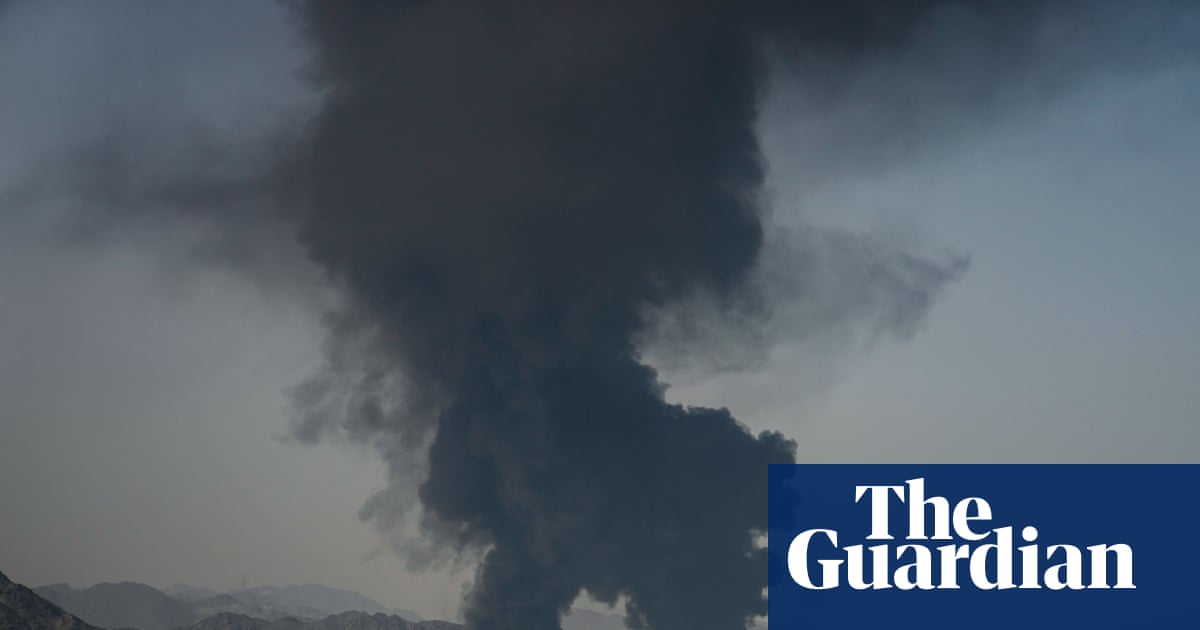
    Oil and gas prices have risen again after Iran carried out attacks on production facilities for the first time since the start of the war with the US and Israel.

    Brent crude, the international benchmark oil price, climbed 3% to $103.2 (£77.52) a barrel on Tuesday and was up nearly 50% from levels before the war began on 28 February. Wholesale gas prices rose nearly 3% to €52 (£45) a megawatt hour, compared with about €30 before the war.

    For the first time, Iran successfully targeted oil and gas production facilities, rather than just refineries, terminals and storage.

    The United Arab Emirates said a drone struck the Shah natural gasfield – one of the largest in the world – on Monday and set it on fire. Operations remained suspended on Tuesday while officials assessed the damage.

    An oilfield in Iraq, Majnoon, and the UAE’s biggest port and oil storage facility, Fujairah, were also hit by Iranian drones and missiles as the war entered its third week.

    A tanker was hit by an unknown projectile off the port of Fujairah in the Gulf of Oman. The attack caused a fire in the port, a vital export terminal where oil loading by the state company Adnoc has been halted. When operating normally, Fujairah is the outlet for more than 1m barrels of oil a day.

    The disruptions threaten to completely cut off the UAE’s remaining crude export outlet from global markets as the Middle East crisis deepens. Daily crude oil output from the UAE, the third biggest producer within the Opec cartel, has more than halved since the conflict started.

    Energy infrastructure chart

    The UAE’s other export hubs are located within the Gulf, which has in effect been cut off from the world by Iran’s stranglehold of the strait of Hormuz, a narrow waterway between Iran and Oman through which a fifth of the world’s oil shipments and a fifth of gas supplies pass in normal times.

    Gulf Arab states, including the UAE, have faced more than 2,000 missile and drone attacks since the start of the US-Israeli war on Iran, targeting US diplomatic missions and military bases as well as oil infrastructure, ports, airports and residential and commercial buildings.

    The Iranian foreign minister, Abbas Araghchi, denied a report that he had been in contact with Donald Trump’s special envoy Steve Witkoff.

    Oil price chart

    The price of Brent crude remains well below the peak of $119.50 a barrel hit during the war.

    Analysts at Goldman Sachs said the largest oil market shock on record would have a bigger impact on products such as jet fuel and diesel than on crude.

    “Prices have rallied much more for many refined products than for crude,” the analysts Yulia Zhestkova Grigsby and Daan Struyven said in a note, according to Bloomberg. The severe disruptions seen in supplies of medium-heavy crude put the production of diesel, jet fuel and fuel oil at risk.

    Saul Kavonic, the head of energy research at the Sydney-based research firm MST Marquee, said: “Mixed messages are coming from the Trump administration on the war’s duration, as the market focuses more on the actions on the ground that remain escalatory.”

    Blackouts have increased in Asian countries alongside a shift to coal, as most of the oil and gas flowing through the strait of Hormuz normally goes to Asia.

    Sri Lanka declared every Wednesday a holiday for public institutions to conserve fuel. “We must prepare for the worst but hope for the best,” the president, Anura Kumara Dissanayake, said at an emergency meeting with senior officials on Monday.

    Bangladesh has brought forward Ramadan holidays in universities and introduced planned blackouts across the nation to conserve energy. In Thailand, the government has asked civil servants to wear short-sleeved shirts rather than suits to reduce reliance on air conditioning, and to take the stairs instead of lifts.

    Continue Reading

  • Gartner Predicts at Least 80% of Governments Will Deploy AI Agents To Automate Routine Decision-Making by 2028 – Gartner

    1. Gartner Predicts at Least 80% of Governments Will Deploy AI Agents To Automate Routine Decision-Making by 2028  Gartner
    2. From adoption to disruption: experts share viewpoints on driving impact from government AI  Global Government Forum
    3. Trust, technology and a new era of digital government  InnovationAus.com
    4. Experts urge caution, ‘slow and steady’ approach, on AI use in the public sector  Law360 Canada
    5. Justin Fulcher on AI’s Role in Modernizing Government Operations  IT Security Guru

    Continue Reading

  • Valuing diversity: Valeo awarded for significant progress in gender equality

    Valuing diversity: Valeo awarded for significant progress in gender equality

    Valeo Group | 17 Mar, 2026
    | 4 min


    March 17, Paris, France – Valeo has been awarded second place in the “Best Progress” category at the 2026 Gender Diversity Awards in automotive and mobility, organized by WAVE – Les Elles de l’Auto.

    Published every two years, the ranking evaluates the progress made by companies in advancing gender diversity across the automotive sector. It is compiled by Ethics & Boards based on publicly available information disclosed in companies’ Universal Registration Documents.

    In the 2026 edition, Valeo ranks second for Best Progress, placing the Group on the podium behind Renault Group.

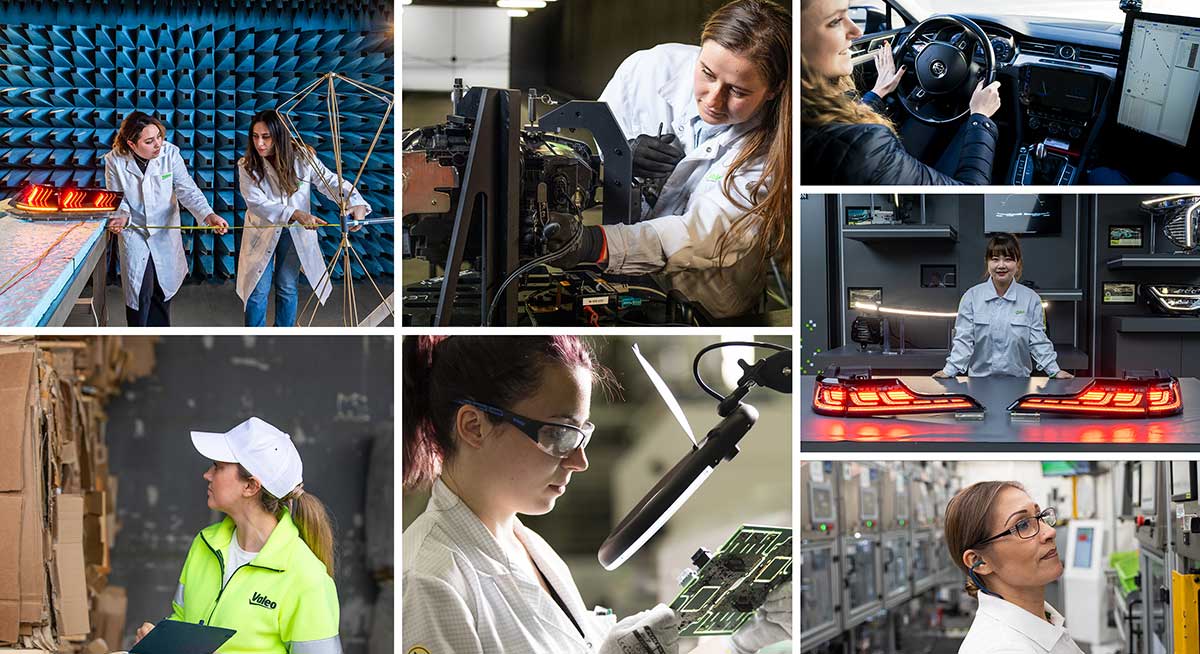
    This recognition highlights Valeo’s continued progress in strengthening gender diversity across the Group. While women represent on average around 25% of the workforce in the automotive industry, they account for 32% of Valeo’s global workforce today.

    The share of women within the Group’s Executive and Management Committees increased by 2.4 percentage points between 2024 and 2026, reaching 16.7%. At the same time, the proportion of women in senior management grew significantly, gaining 10.7 points between 2022 and 2024 to reach 25.6%, while women now represent 28% of managers and professionals across the Group.

    “These results are the outcome of several years of a proactive policy driven by the Group. This recognition goes beyond an award; it signals real momentum. It reflects a genuine transformation in Valeo’s culture, made possible by the dedication of our teams, whom I would like to thank. We receive this milestone with both pride and perspective. The momentum is there, but our ambition remains clear: reaching 32% women executive positions by 2030. This is both a transformational goal and a performance imperative that we will continue to pursue with determination and renewed ambition”, said Agnès Park, Chief Human Resources Officer.

    Valeo’s approach to grow equity and diversity is built on three pillars:

    • Policies and Processes: Ensuring equal opportunities across recruitment, salary equity, parenthood, and talent assessment.
    • Talent Programs: Supporting career development at all levels. Valeo trains 1,000 early-career talents every year, runs a 6–9 month mentoring program for 250 middle-management mentees annually (50% of whom are women), and organizes country-driven initiatives for senior management, including networking, peer sharing, and sponsorship by top management.
    • Inclusive Culture: Reinforcing diversity awareness across the organization. Leadership teams are being engaged through interactive workshops, managers have access to e-learning on inclusive leadership, and all employees can benefit from local events and awareness sessions, including Diversity, Equity and Inclusion week celebrations.

    Valeo remains committed to fostering gender diversity across the Group, ensuring equal
    opportunities and inclusive leadership at every level. With clear targets and dedicated programs in place, the Group continues to drive measurable progress while reinforcing its position as a responsible and forward-looking employer in the automotive sector.

    Continue Reading

  • Uniqlo leads YouGov’s fashion retail rankings for consideration, quality and value in Singapore

    Uniqlo leads YouGov’s fashion retail rankings for consideration, quality and value in Singapore

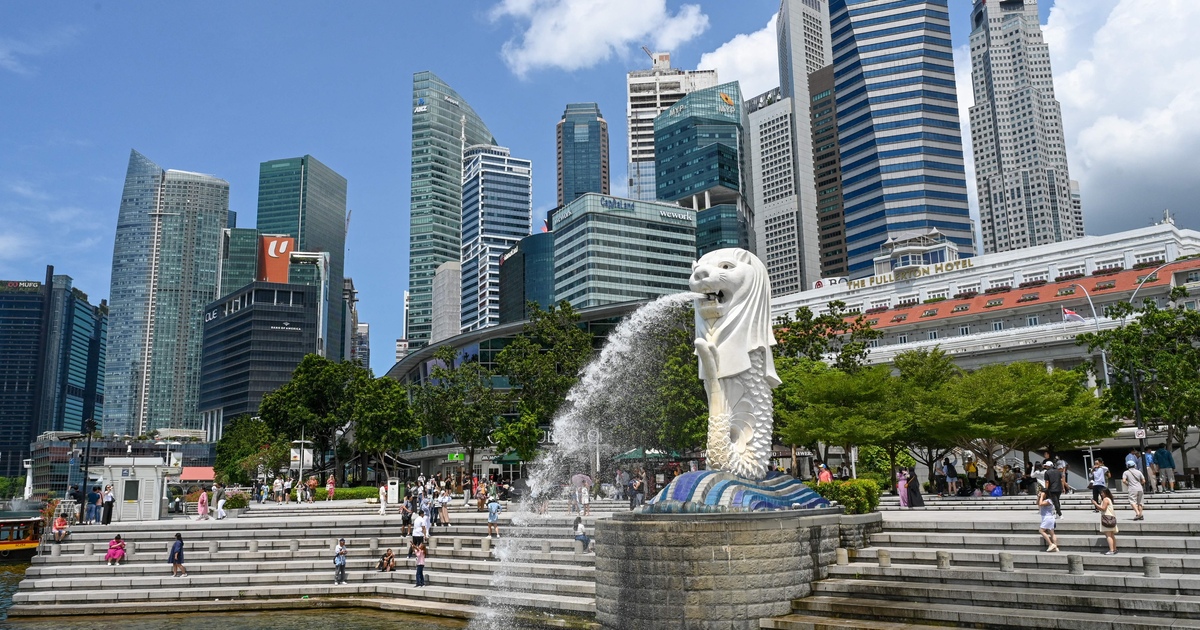
    Uniqlo has emerged as the most considered fashion retail brand in Singapore, while also topping rankings for perceived quality and value, according to new consumer data on leading fashion retailers in the market.

    The rankings show Uniqlo leading the consideration rankings with a score of 50, well ahead of global sportswear brands Nike (27.5) and adidas (26.0). The Japanese retailer also secures the top position for quality (47.6) and value (46.0), highlighting its strong reputation among Singaporean shoppers.

    Uniqlo Dominates Consumer Consideration

    Uniqlo stands significantly ahead of competitors in consumer consideration, which measures whether a consumer would consider purchasing from a brand when next in market, reinforcing its strong brand presence in Singapore’s fashion market.

    Continue Reading

  • DataRobot and Dell AI Factory with NVIDIA

    DataRobot and Dell AI Factory with NVIDIA

    A repeatable, production-ready blueprint lets organizations deploy a single platform to build, operate, and govern agentic AI workflows at scale.. Dell AI Factory with NVIDIA lays the foundation for enterprise agentic AI, while the DataRobot Agent Workforce Platform operationalizes it, unifying models, agents, tools, and data across the AI lifecycle.

    Continue Reading

  • SIAC’s record year underscores global reach and India’s strategic importance

    SIAC’s record year underscores global reach and India’s strategic importance

    SIAC registered (5MB//21-page PDF) 886 new cases in 2025, the vast majority of which were international in nature. This is the second highest caseload in SIAC’s history and an increase from 625 cases in 2024.

    The total amount in dispute climbed to US$14.53 billion, the highest in SIAC’s history and well above the US$11.86bn recorded in 2024. The institution said the figures reflect substantial growth in both administered and ad hoc filings, alongside rising demand for arbitration services in cross-border disputes.

    SIAC served an increasingly global user base in 2025, with cases involving parties from a record 79 jurisdictions, compared to 72 last year. 

    India again ranked as SIAC’s third largest foreign user, a position it has held in both 2024 and 2025, alongside Mainland China. 
    Mohan Pillay, a full-time arbitrator and expert in international arbitration at Pinsent Masons MPillay, said: “It is evident that SIAC continues to retain its appeal as a highly valued disputes hub for Indian parties.”

    “This reflects SIAC’s deep and broad institutional footprint in India, with a 2025 calendar that included India ADR week, the Delhi arbitration weekend, SIAC India Academy training, and multiple conferences featuring judges and leaders from major Indian institutions,” he said.

    “Indian law was the third most frequently applied governing law in SIAC cases last year, behind Singapore and English law, Indian arbitrators were the third most appointed, and the SIAC Court has four members from India. These statistics underscore India’s strategic role within the institution.”

    Wee Jian Ang, an international arbitration expert at Pinsent Masons MPillay, said “the first year of SIAC Rules 2025 gave early insights into the popularity of its newly introduced procedures and mechanisms and how they work in practice”.

    “SIAC received four applications for the new protective preliminary order (PPO) mechanism, with one granted and the remaining three heard before an emergency arbitrator following party notification,” he said.

    “The streamlined procedure saw significant uptake with 60 cases. The preliminary determination process was invoked four times, with tribunals allowing three to proceed and eventually granting two.”

    Complex multi-contract disputes also continued to drive consolidation requests. SIAC oversaw 107 consolidation applications in 2025, its highest ever, with 66 being granted, up from 64 out of 101 in 2024. SIAC said the trend reflects user demand for cost efficient case management amid increasingly interconnected commercial arrangements.

    Continue Reading

  • Ant Group unit clears regulatory step for Bright Smart takeover

    Ant Group unit clears regulatory step for Bright Smart takeover

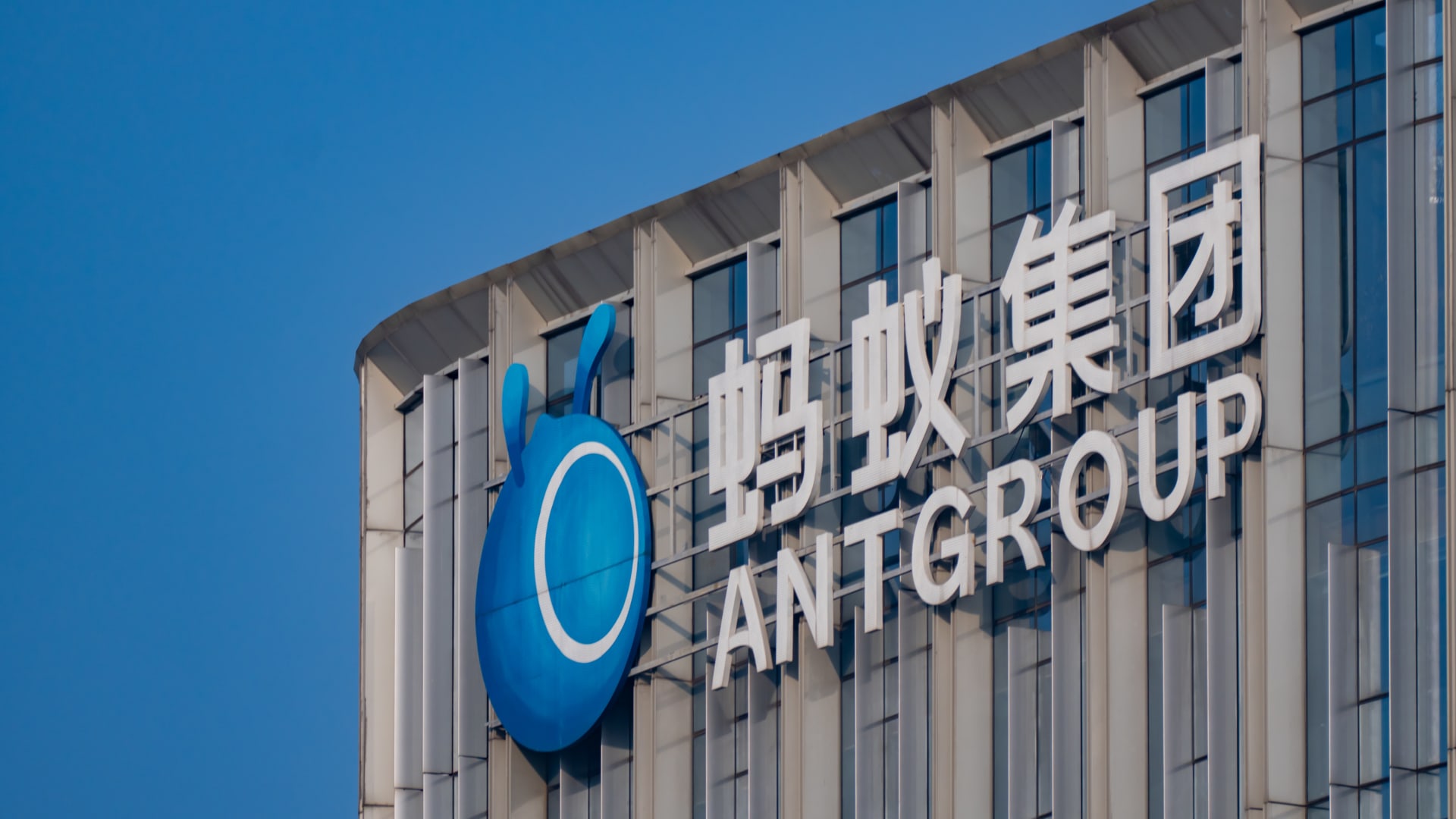
    A view of the Ant Group buildings in Chongqing, China, on March 23, 2025.

    Cfoto | Future Publishing | Getty Images

    Shares of Bright Smart Securities surged as much as 82% on Tuesday after an Ant Group unit completed the required steps to acquire the Hong Kong-listed brokerage.

    The stock later pared gains to trade 70% higher as of 10.45p.m. ET, the highest since July 2025.

    The rally came after Ant Group subsidiary Wealthiness and Prosperity Holding said it had completed the required reporting procedures with Chinese regulators for high-value overseas investment projects, clearing the way for the deal to close.

    The reporting procedures were completed on Sunday, the companies said in a joint filing published after trading hours on Monday.

    The transaction is expected to be completed around March 30. Once completed, the deal will trigger a possible unconditional mandatory cash offer for all remaining shares of Bright Smart not already owned by the Ant Group subsidiary.

    Stock Chart IconStock chart icon

    Choose CNBC as your preferred source on Google and never miss a moment from the most trusted name in business news.

    Continue Reading

  • Gartner Predicts AI Applications Will Drive 50% of Cybersecurity Incident Response Efforts by 2028 – Gartner

    1. Gartner Predicts AI Applications Will Drive 50% of Cybersecurity Incident Response Efforts by 2028  Gartner
    2. What Boards Must Demand in the Age of AI-Automated Exploitation  The Hacker News
    3. Cloud attacks are getting faster and deadlier – here’s your best defense plan  ZDNET
    4. New Mandiant AI security report: Boost fundamentals with AI to counter adversaries  Google Cloud
    5. Calculating the ROI of AI in cybersecurity  TechTarget

    Continue Reading