
Daily satellite observations have revealed a continued nighttime brightening globally due to artificial lighting, with important regional variations including a surge in sub-Saharan Africa and Southeast Asia…
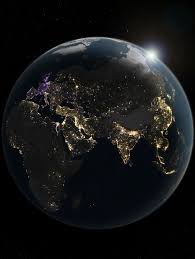
Daily satellite observations have revealed a continued nighttime brightening globally due to artificial lighting, with important regional variations including a surge in sub-Saharan Africa and Southeast Asia…
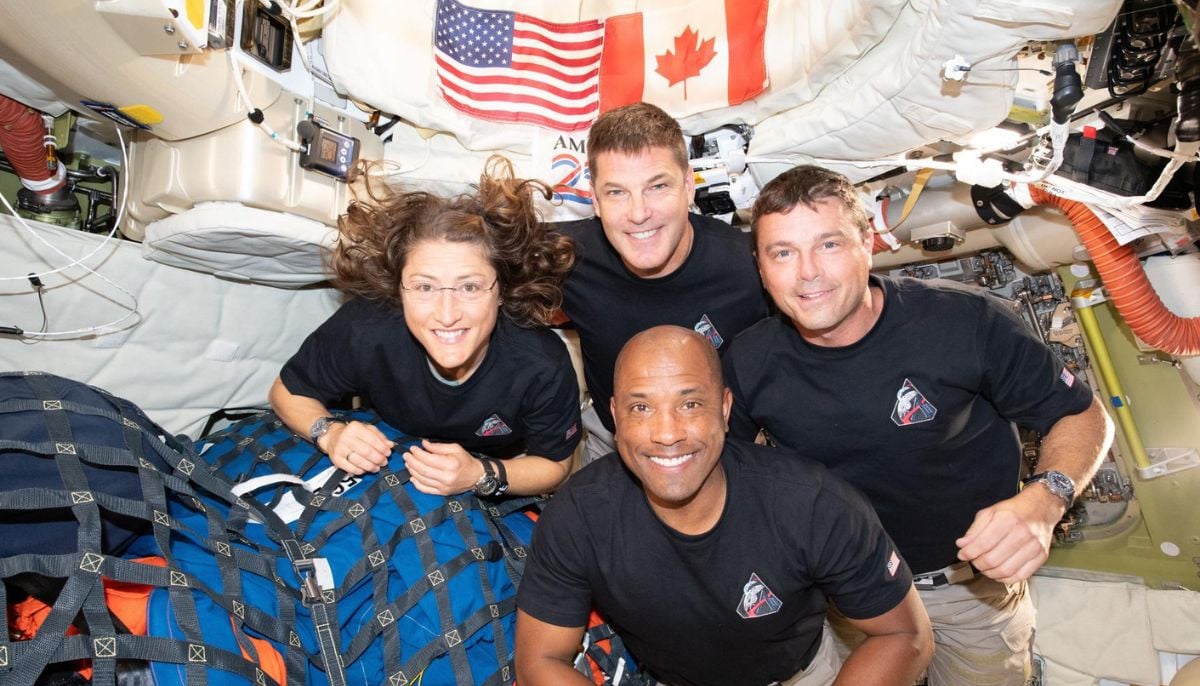
As the Artemis II spacecraft hurtles back toward Earth following its…

Representative organic matter in lunar soil samples from Chang’e-6 (A, B) and Chang’e-5 (C, D). /CMG
Scientists have identified multiple nitrogen-containing organic compounds on the surfaces of lunar soil samples returned by China’s Chang’e-5 and…
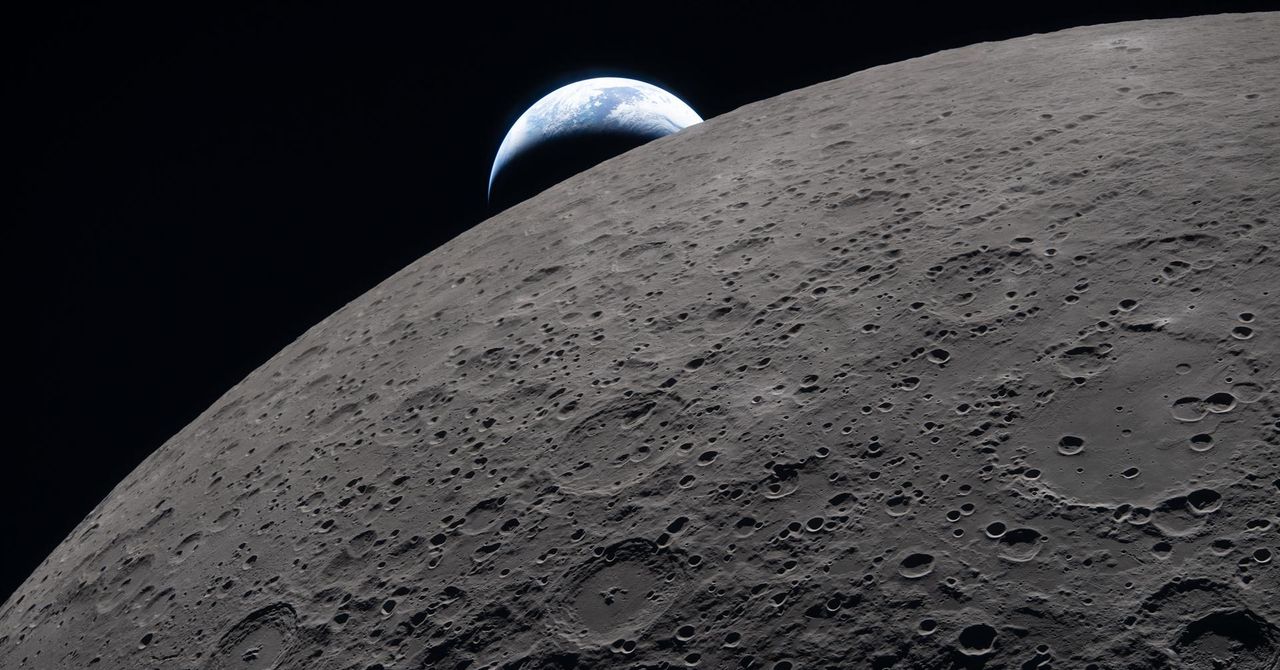
During their flyby of the far side of the moon, the Artemis II astronauts aboard the Orion spacecraft saw as many as six flashes emerging from the lunar surface. Surprisingly, they were witnessing small meteorites impacting the ground and…
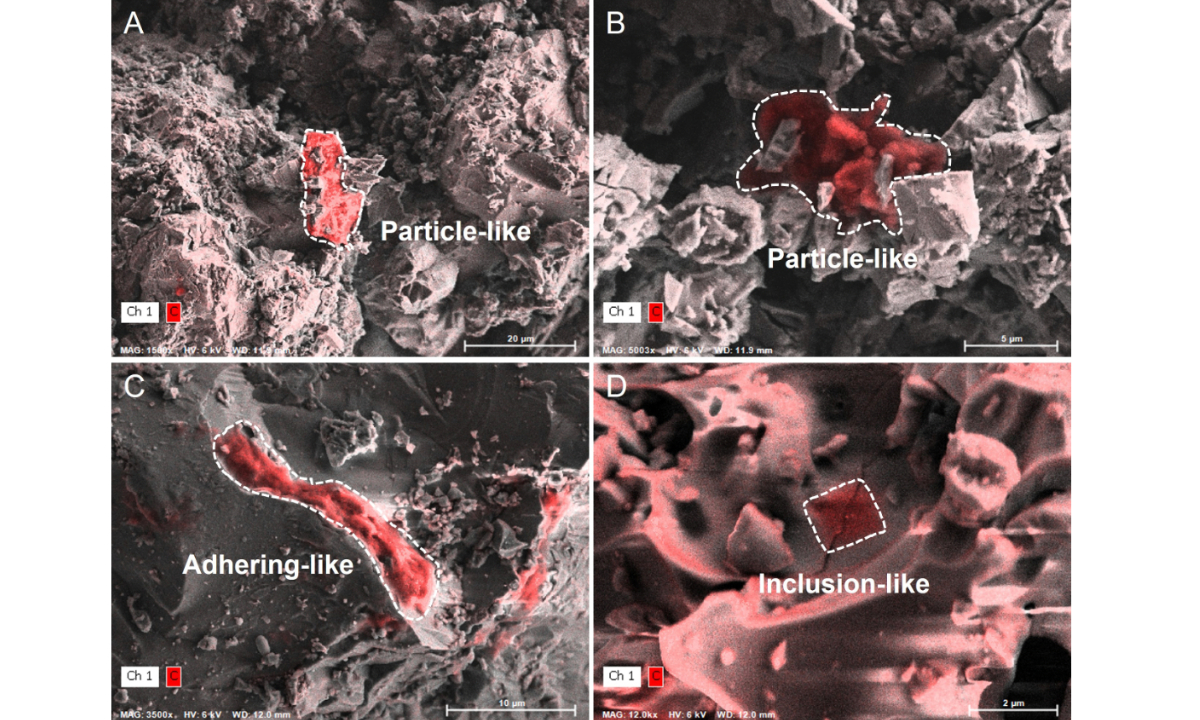
Representative organics identified in Chang’e-5 and Chang’e-6 lunar samples Photo: Courtesy of Institute of Geology and Geophysics, Chinese Academy of Sciences
A joint study by Chinese and international scientists has for the first time…
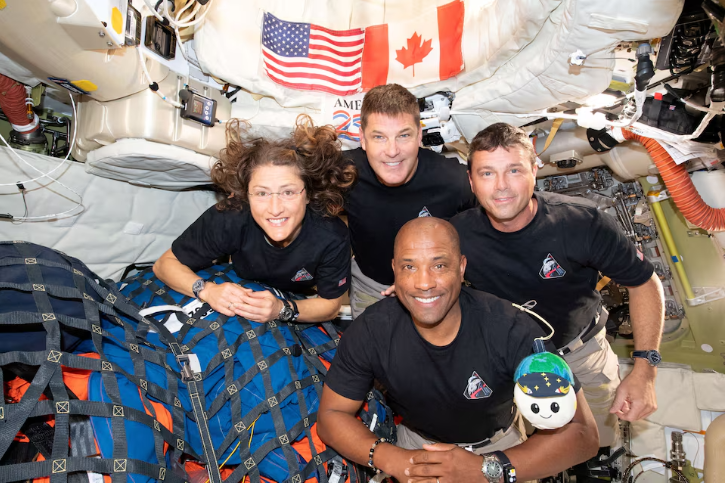
NASA’s Artemis II astronauts said they are preparing for a high-speed, fiery re-entry after becoming the farthest-flying humans in history during a moon flyby. The crew is due to splash down off California on Friday.
WASHINGTON: Four astronauts…
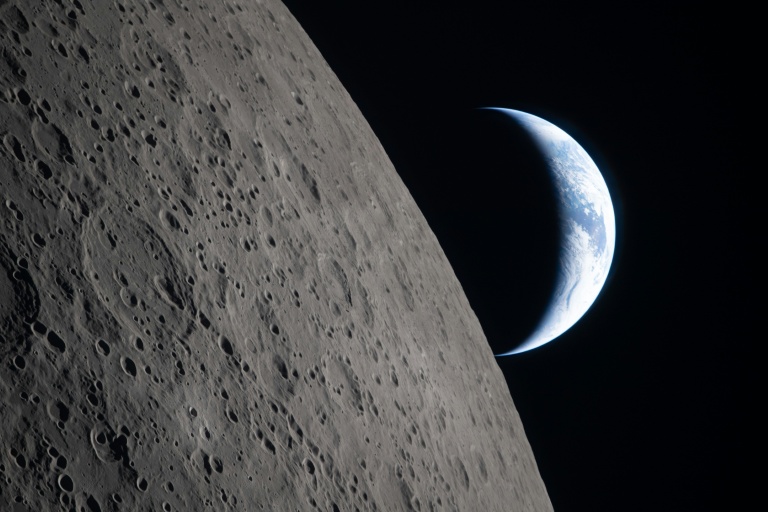
They took thousands of photographs and documented copious observations on their voyage around the Moon, but as they sped closer to home the Artemis astronauts said Wednesday they have barely started processing the extraordinary experience they…
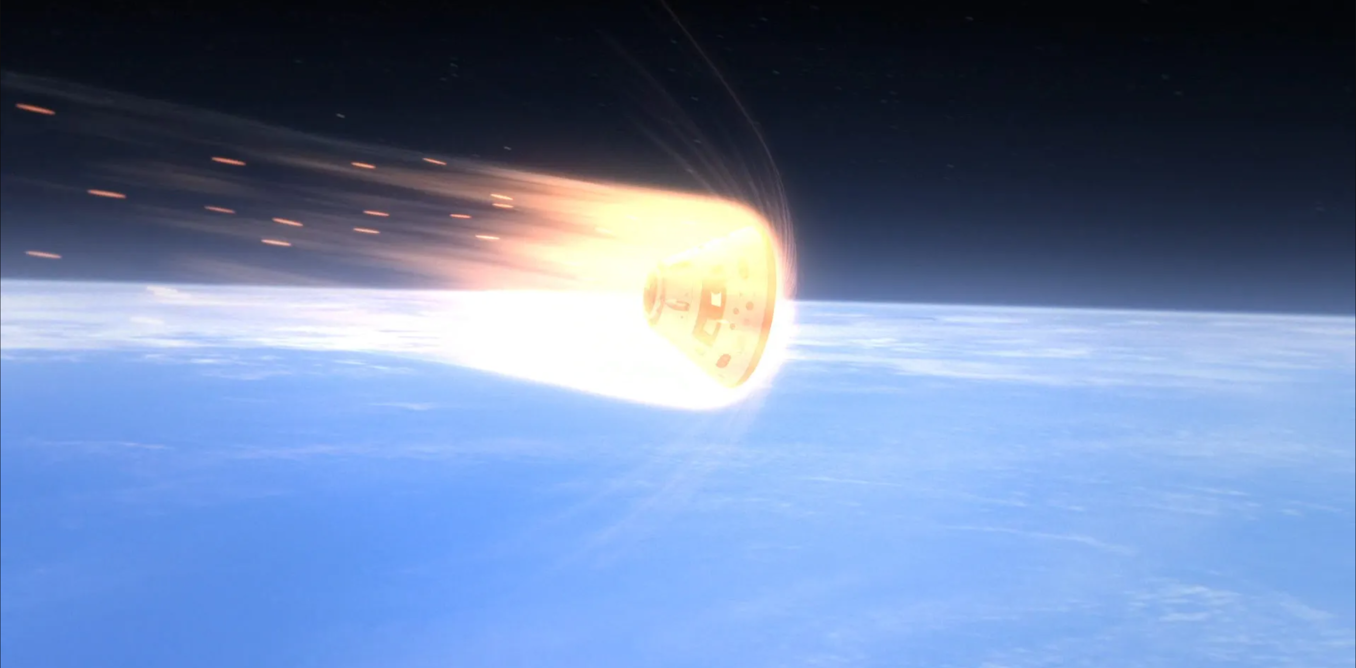
After successfully completing their mission to the Moon, the Artemis II crew are about to return to Earth.
The four astronauts set a new record for how far humans have travelled from Earth, reaching a maximum distance of 406,771 kilometres…
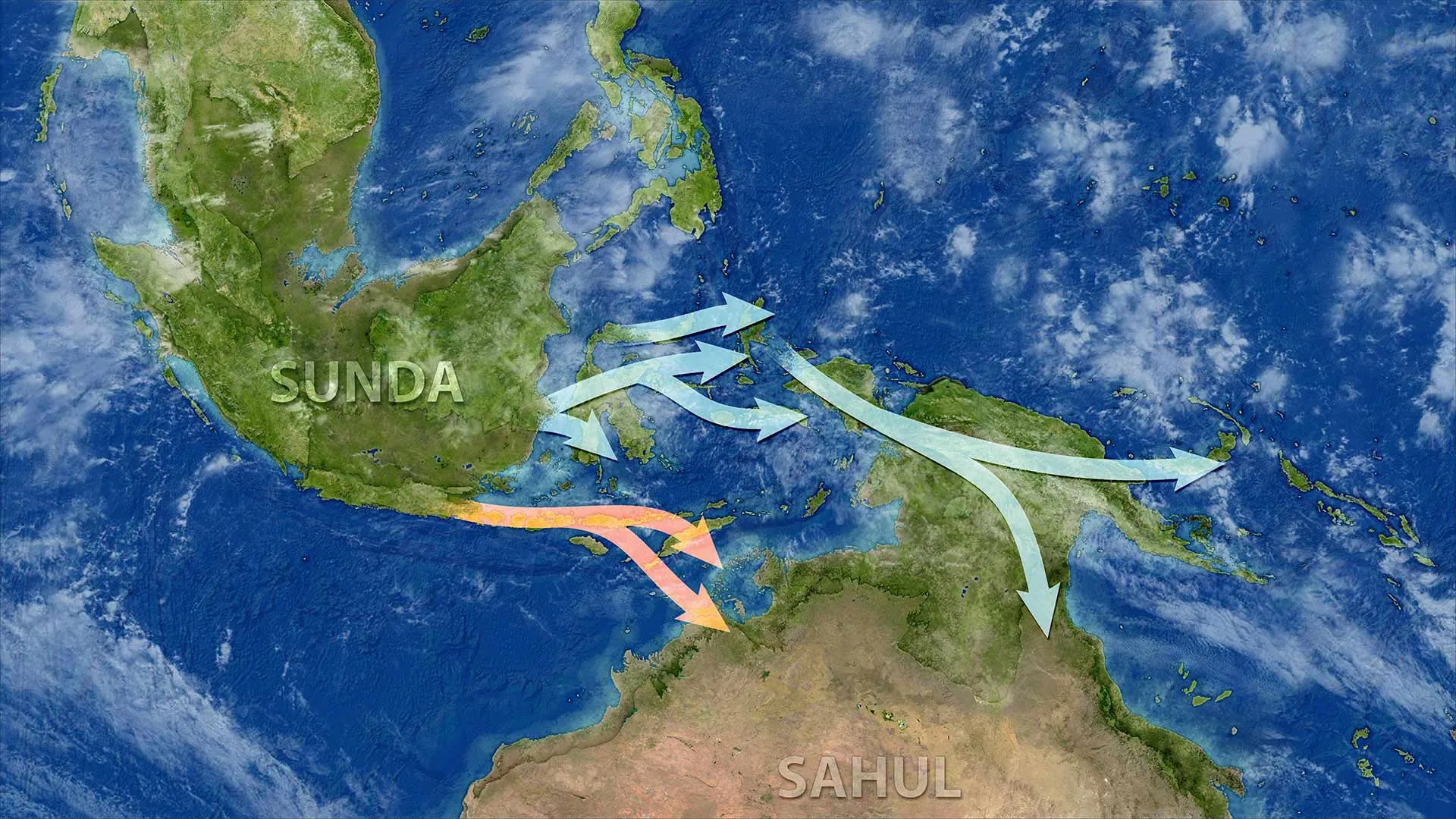
A large international collaboration between researchers at the University of Huddersfield and the University of Southampton has provided new insight into when and how modern humans, Homo sapiens, first settled New Guinea and Australia.
The…