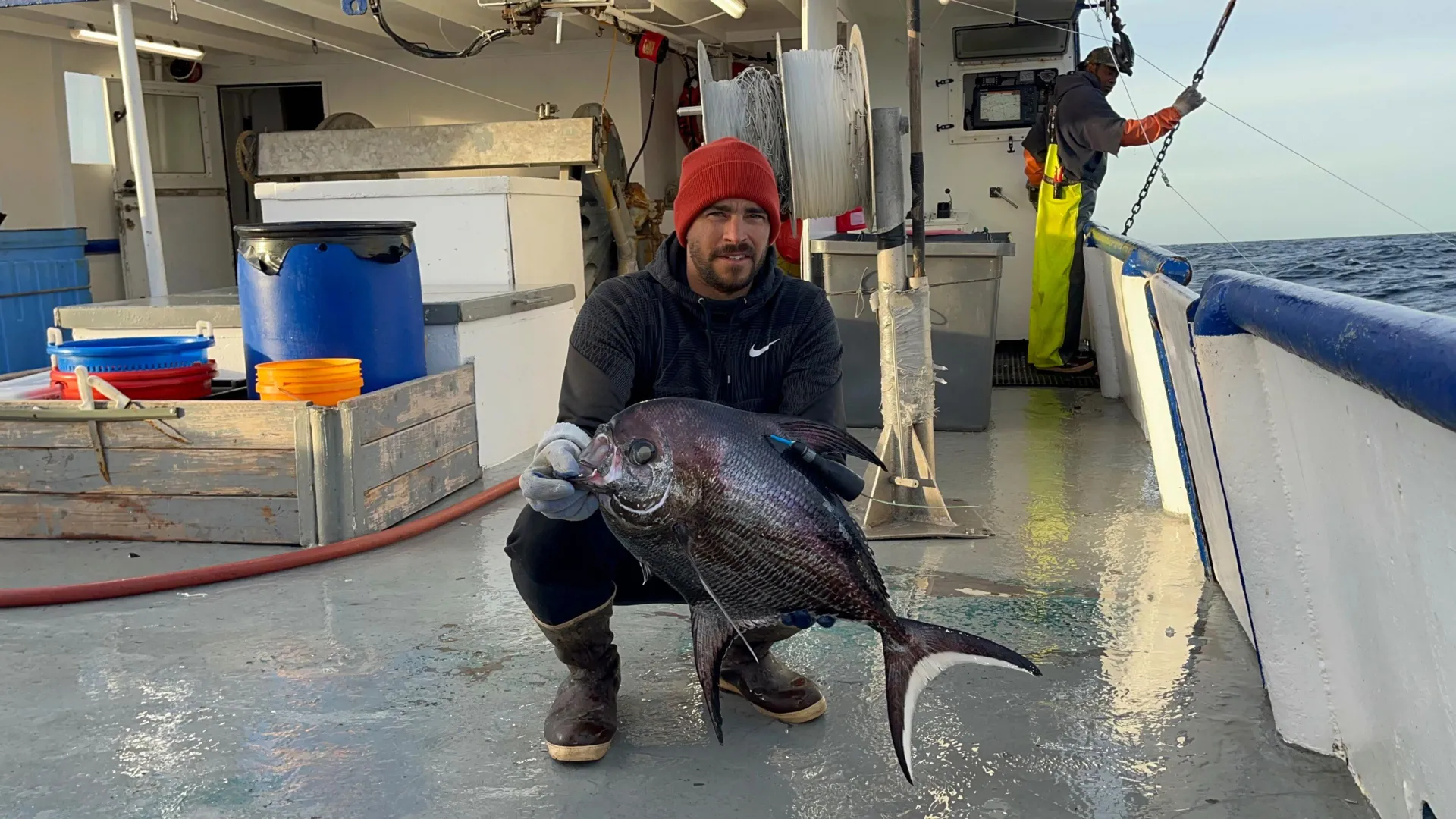
Scientists at the Woods Hole Oceanographic Institution (WHOI) have found that large sharks can spend hours far below the ocean surface in the mesopelagic zone, a layer stretching from 200 to 1,000 meters (650 to 3,300 feet) deep. This dim region…
Category: 7. Science
-
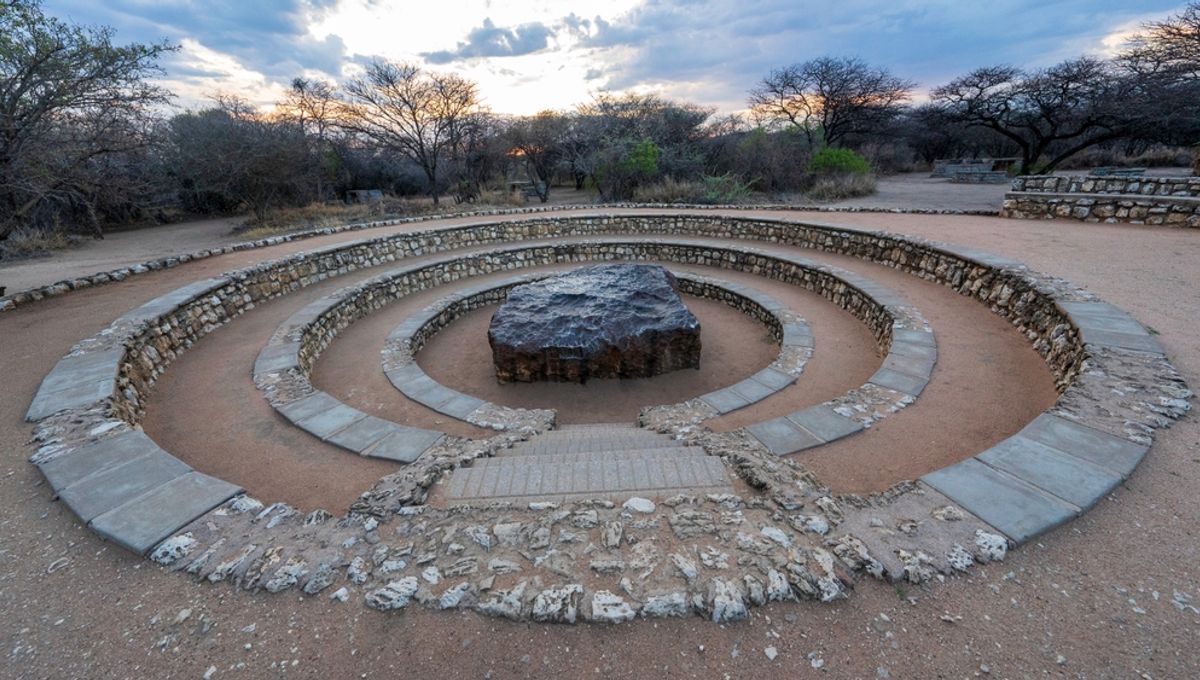
Hoba Meteorite: Why Didn’t The World’s Largest Meteorite Leave An Impact Crater?
In 1920, a farmer plowing a field in Grootfontein, Namibia, hit a sudden roadblock below the surface of the soil. Curious about what had stopped his plow, the farmer dug around and found a very strange sight.
Beneath the soil was a giant slab of…
Continue Reading
-
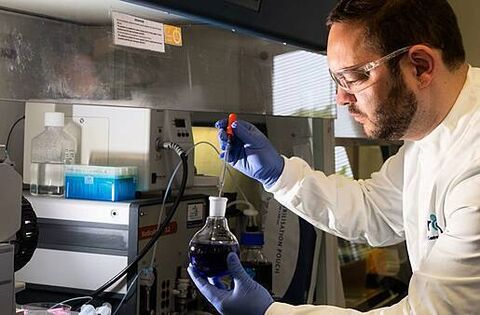
State of the art research into ‘mini brains’ at University of Galway – National News
By Cillian Sherlock, Press Association
Scientists in Ireland have discovered improvements in growing “mini brains” in laboratories, which could benefit studies into strokes, Alzheimer’s and Parkinson’s.
The research examined the potential…
Continue Reading
-
State of the art research into ‘mini brains’ at University of Galway – Homepage
By Cillian Sherlock, Press Association
Scientists in Ireland have discovered improvements in growing “mini brains” in laboratories, which could benefit studies into strokes, Alzheimer’s and Parkinson’s.
The research examined the potential…
Continue Reading
-

Stunning array of 400 rings in a ‘reflection’ nebula solves a 30-year-old star-formation mystery — Space photo of the week
When you buy through links on our articles, Future and its syndication partners may earn a commission.
Composite image of the star-forming region NGC 1333 obtained by combining data from the 8.2 m Subaru Telescope and the Digitized Sky Survey. |…
Continue Reading
-

Stunning array of 400 rings in a ‘reflection’ nebula solves a 30-year-old star-formation mystery — Space photo of the week
Composite image of the star-forming region NGC 1333 obtained by combining data from the 8.2 m Subaru Telescope and the Digitized Sky Survey. (Image credit: NAOJ, NOAO/AURA/NSF, Robert Gendler, Roberto Colombari) QUICK FACTS
What it is:…
Continue Reading
-
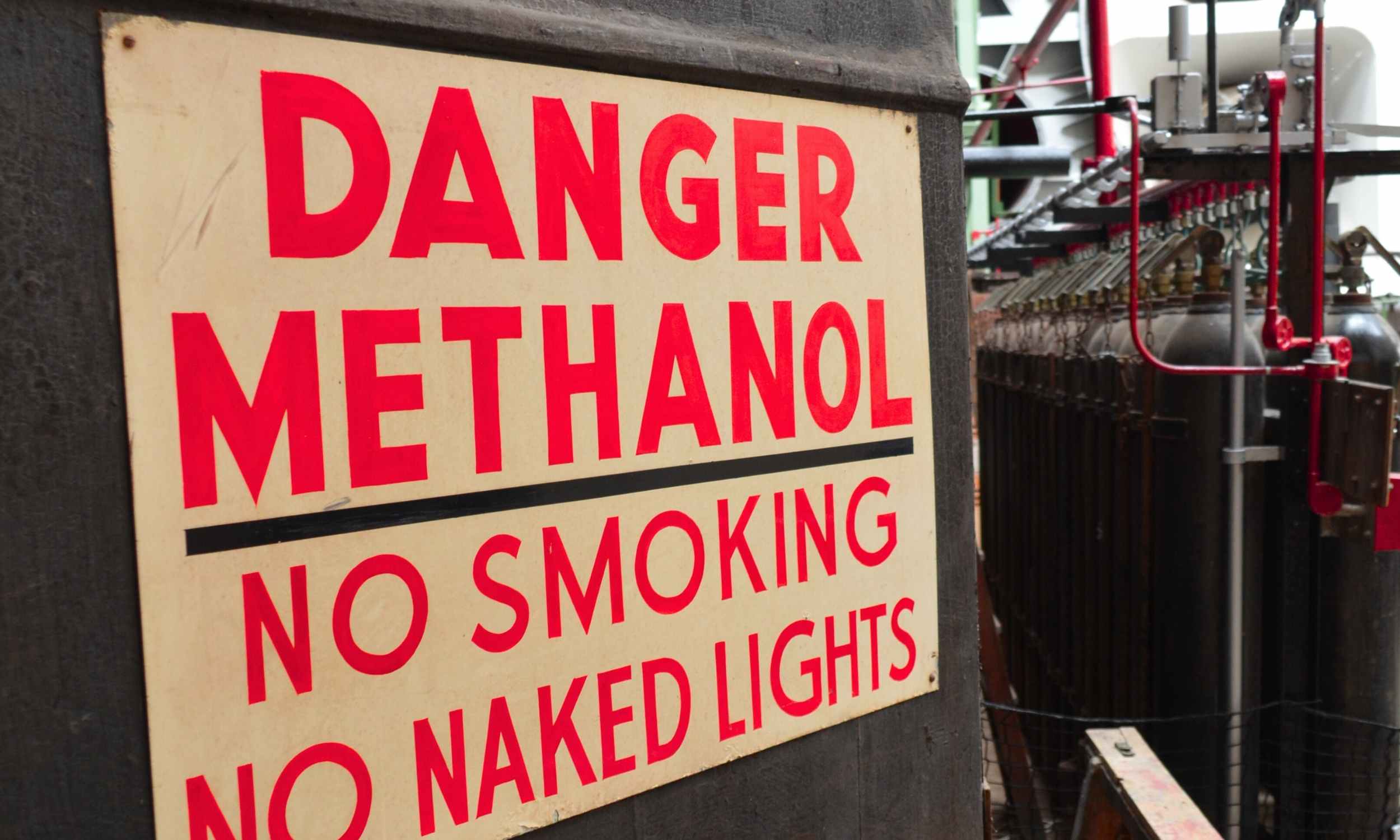
Scientists produce methanol at room temperature using a catalyst
Scientists in Japan have created a new metal catalyst that turns carbon dioxide and hydrogen into liquid methanol at room temperature.
In early tests the catalyst converts every carbon atom it processes into methanol, avoiding side products that…
Continue Reading
-

Doomsday Glacier Approaching Catastrophic Collapse
The Thwaites Glacier, an enormous shelf of ice in the Antarctic, has been given the ominous nickname of the “Doomsday Glacier” — because if it were to change collapse, it could have profound implications for the future of sea level rise…
Continue Reading
-

Fusion reactors may create dark matter particles
A University of Cincinnati physicist and an international team of collaborators say they have worked out a theoretical method for producing axions inside fusion reactors. It is a challenge that even two well known fictional physicists could not…
Continue Reading
-
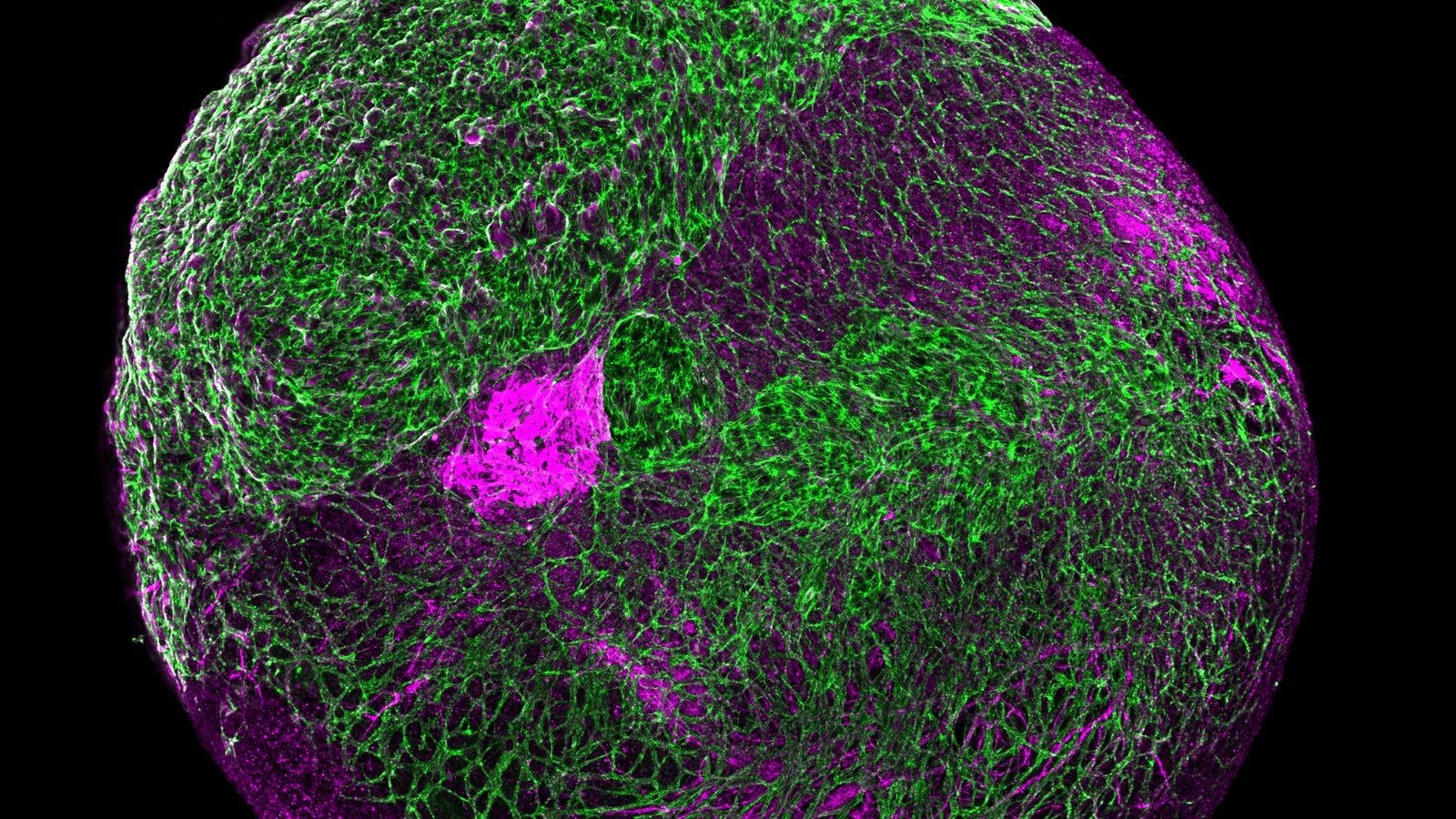
‘Mini brain’ research could benefit Alzheimer’s studies
Scientists at University of Galway have discovered improvements in growing “mini brains” in laboratories, which could benefit studies into strokes, Alzheimer’s and Parkinson’s.
The research examined the potential…
Continue Reading