Researchers have found that Jupiter kept several large moons because a magnetic cavity formed in gas circling the young planet, while Saturn never opened one.
That newly established split explains why the Solar System’s two giant planets ended…
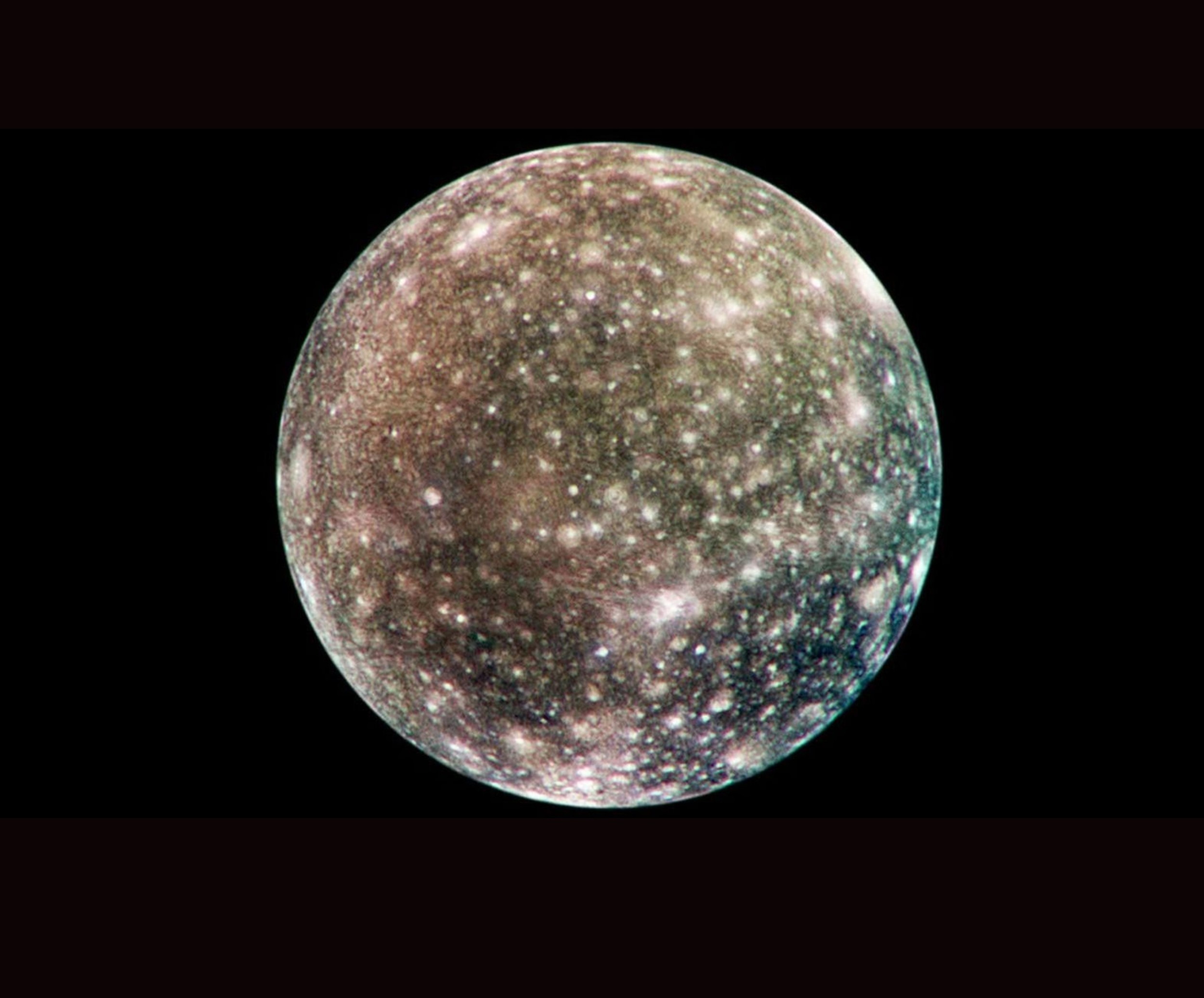
Researchers have found that Jupiter kept several large moons because a magnetic cavity formed in gas circling the young planet, while Saturn never opened one.
That newly established split explains why the Solar System’s two giant planets ended…
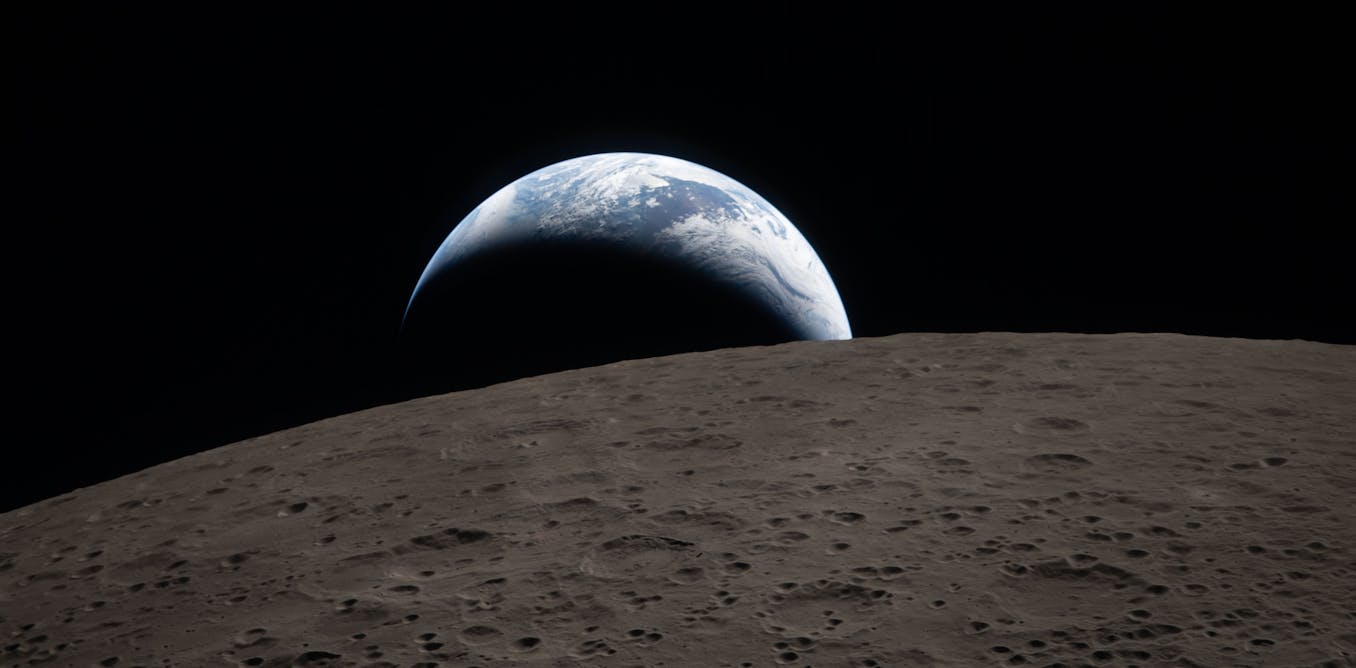
With the launch of NASA’s Artemis II mission on April 1, 2026, human beings have finally returned to the Moon for the first time in 50 years – since the age of Apollo.
When Apollo 11 first landed on the lunar surface, the astronauts…
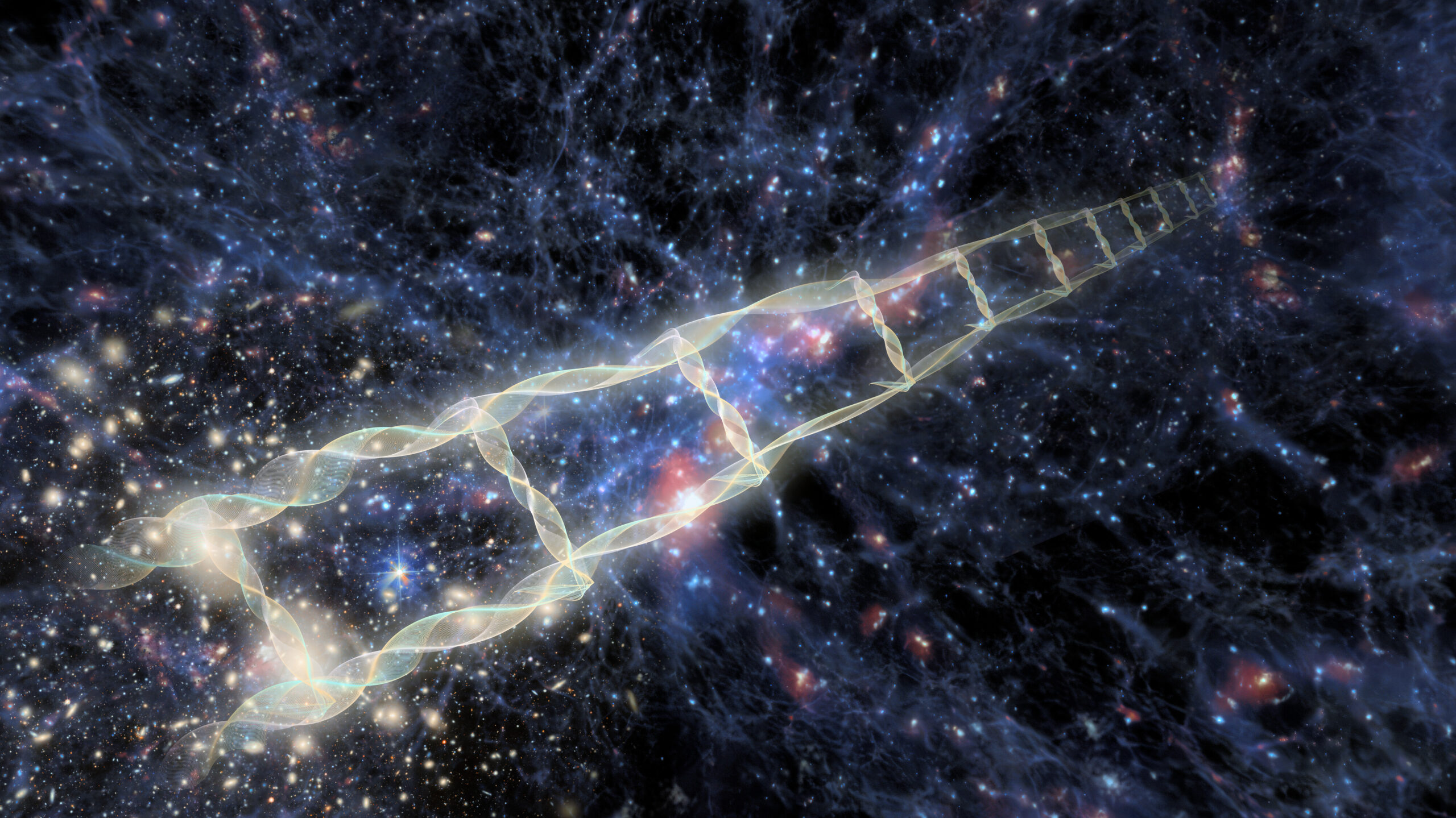
Astronomers have sought to measure the expansion rate of the Universe using two fundamentally different approaches. One method relies on measuring distances to stars and galaxies in the nearby Universe. The other uses…
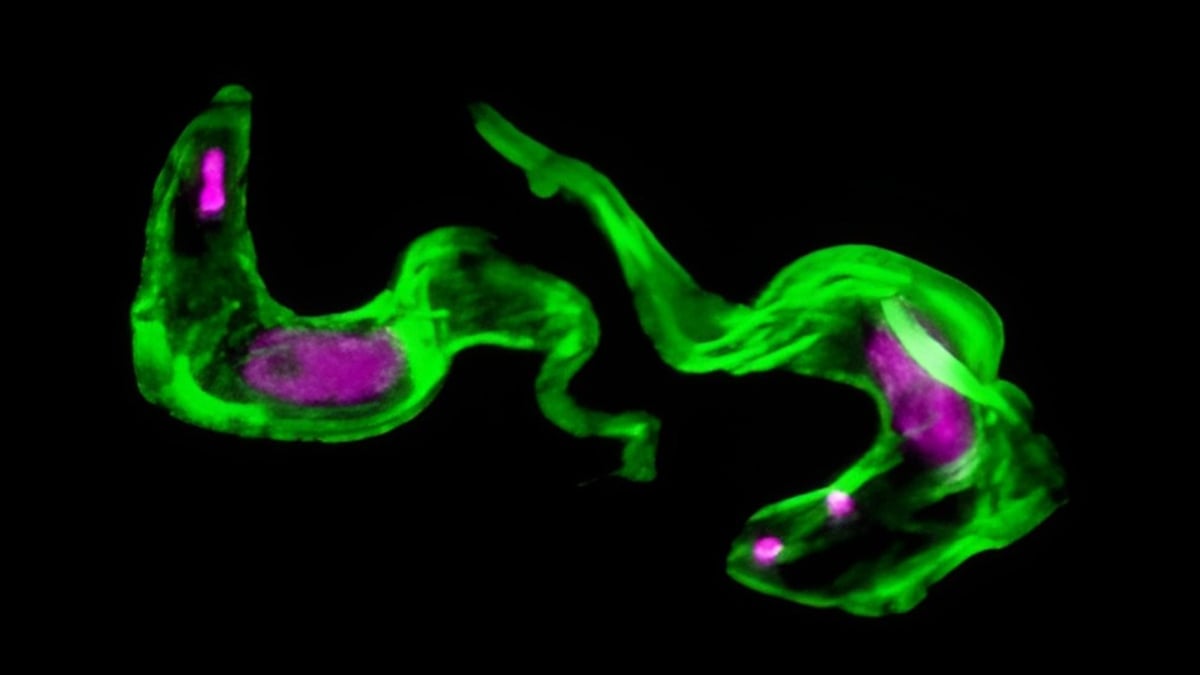
The tropical disease known as sleeping sickness is caused by the African Trypanosoma brucei parasite.
For decades, scientists have been unable to pin down exactly how this parasite successfully evades detection in its hosts – until now.
What…
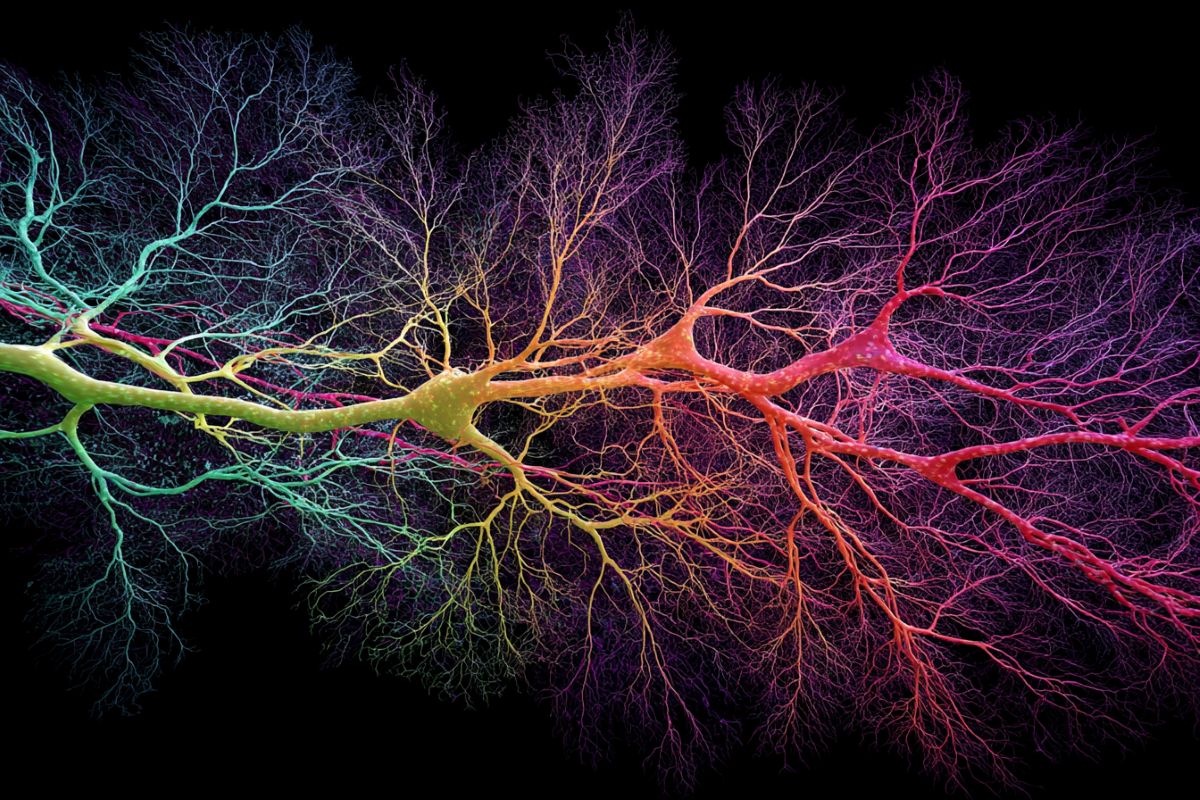
Summary: Neurons are the ultimate logistical challenge of the biological world. To maintain their long, complex structures, they must deliver specific proteins to exact locations—like the Axon Initial Segment (AIS)—with pinpoint accuracy. A…
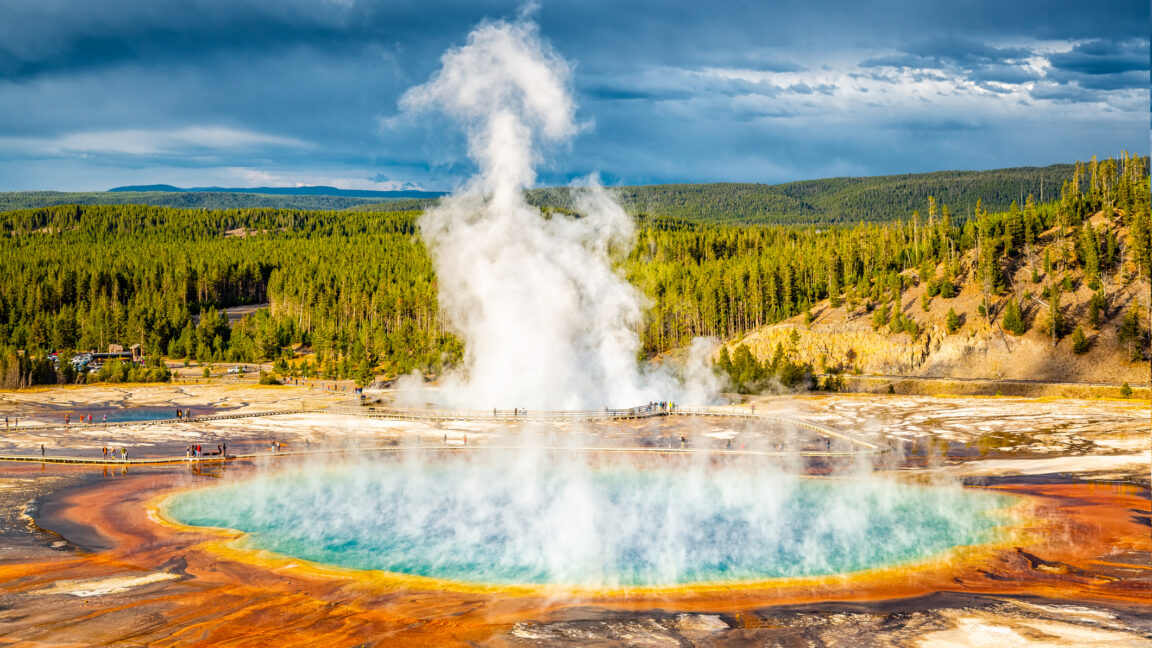
There appear to be two separate arms originating from the same general location at the crust-mantle boundary. One branch slopes northeast to feed the Yellowstone caldera, while a second branches off toward the Snake River…
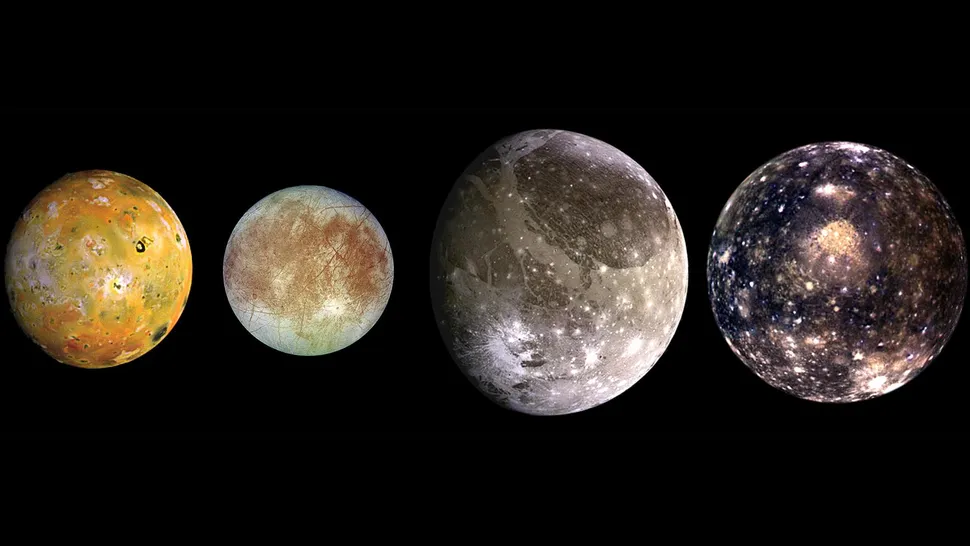
Jupiter and Saturn, the two largest planets in the Solar System, are known for their large and varied systems of moons. At present count, Jupiter has more than 100 moons, while Saturn has more than double that, with over 280 known…