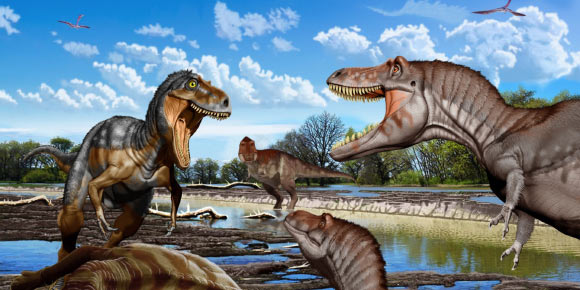
Nanotyrannus lancensis — long thought by many to be a teenage Tyrannosaurus rex — was in fact a fully mature, distinct species of smaller tyrannosaurid, according to a team of U.S. paleontologists who analyzed the ceratobranchial (hyoid…
Category: 7. Science
-
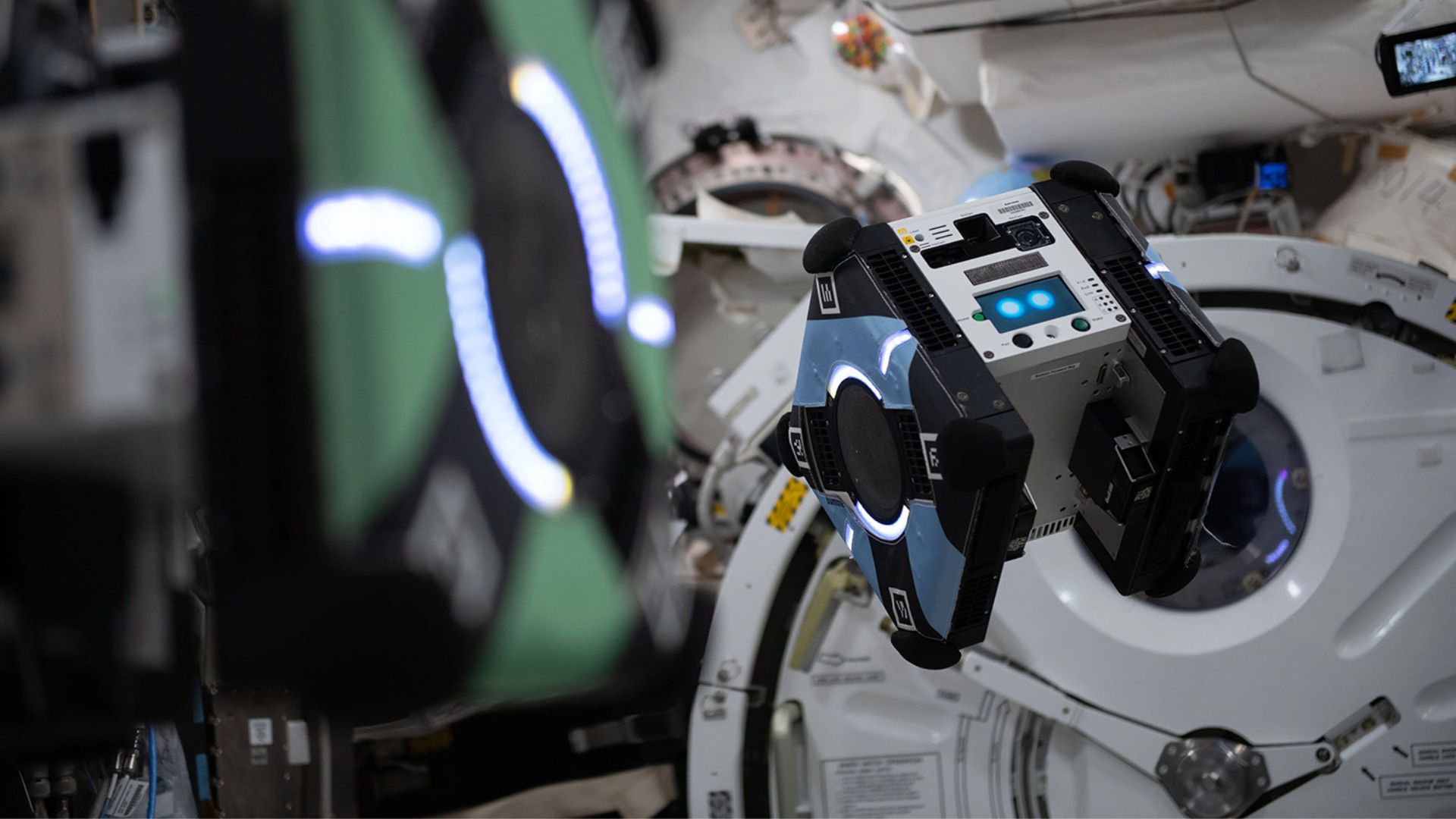
AI takes control in orbit, speeds ISS flying robot tasks by 60%
A toaster-sized robot just took a major step toward autonomous space navigation.
Stanford researchers have successfully demonstrated a machine-learning-based control system aboard the International Space Station (ISS) for the first…
Continue Reading
-
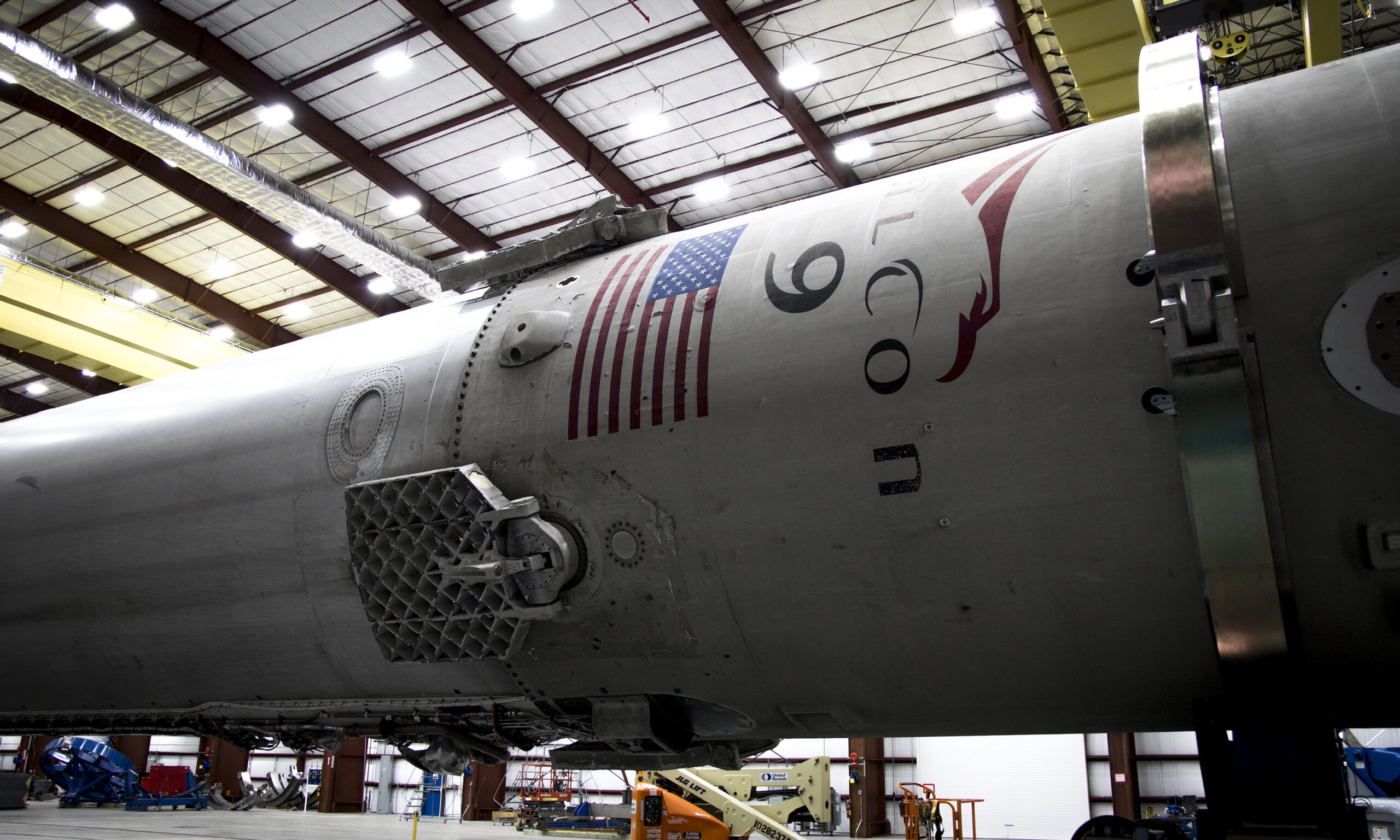
SpaceX launches NROL-77 satellite for U.S. Space Force
Here’s what’s launching Dec. 8–14: SpaceX flies for the NRO, Rocket Lab launches for JAXA, and China continues its space surge with multiple flights.
Continue Reading
-

Complex life emerged long before oxygen flooded Earth
A sweeping new analysis argues that complex cells began evolving almost a billion years earlier than many timelines suggest, long before oxygen became abundant in Earth’s atmosphere.
Led by the University of Bristol, the work redraws the early…
Continue Reading
-
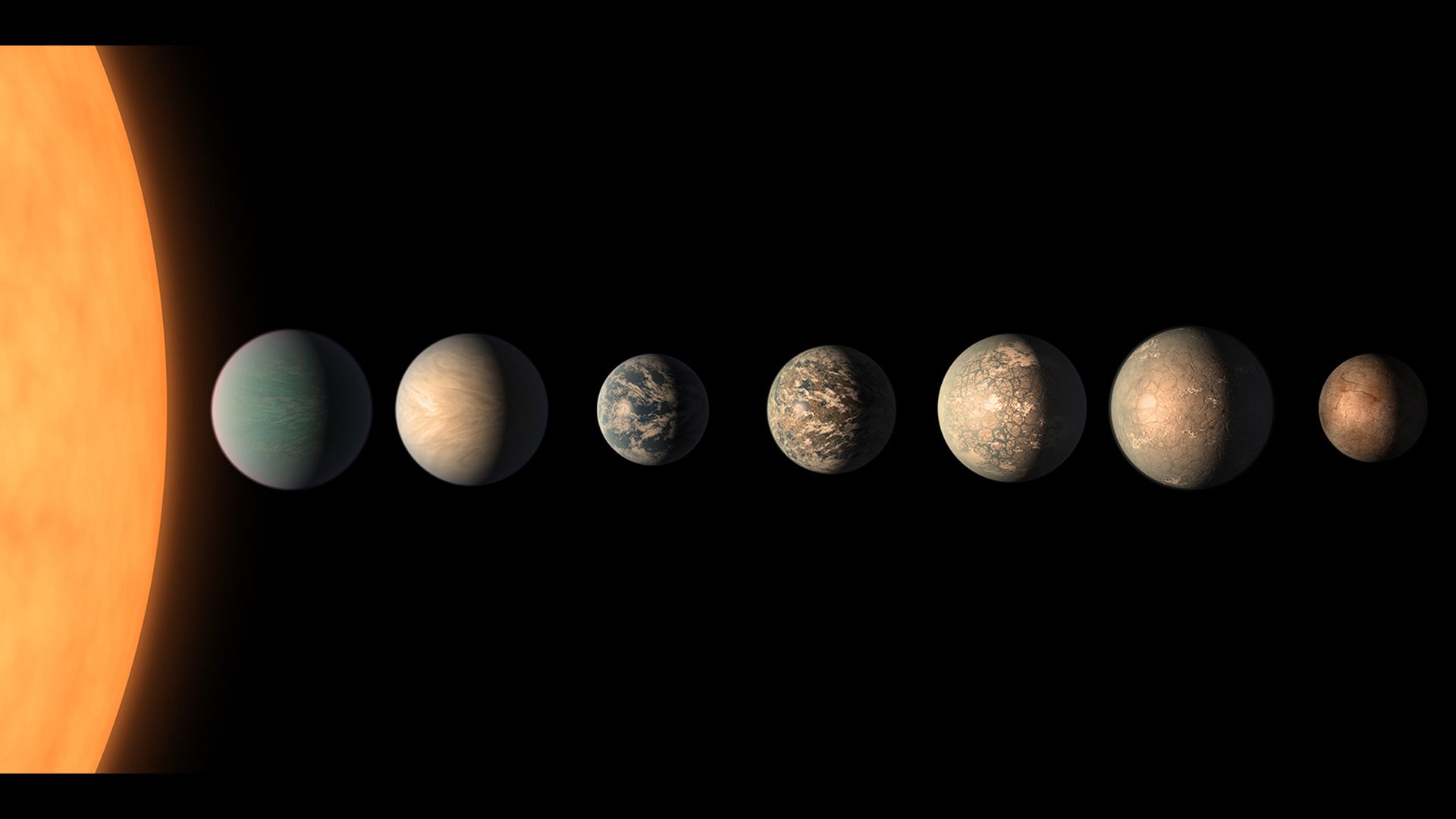
One of the most promising Earth-like worlds may not have an atmosphere after all
New observations of one of the famous TRAPPIST-1 planets are once again teasing scientists with tantalizing clues about a world that may — or may not — harbor an atmosphere capable of sustaining life-friendly liquid water.
TRAPPIST-1e is one…
Continue Reading
-
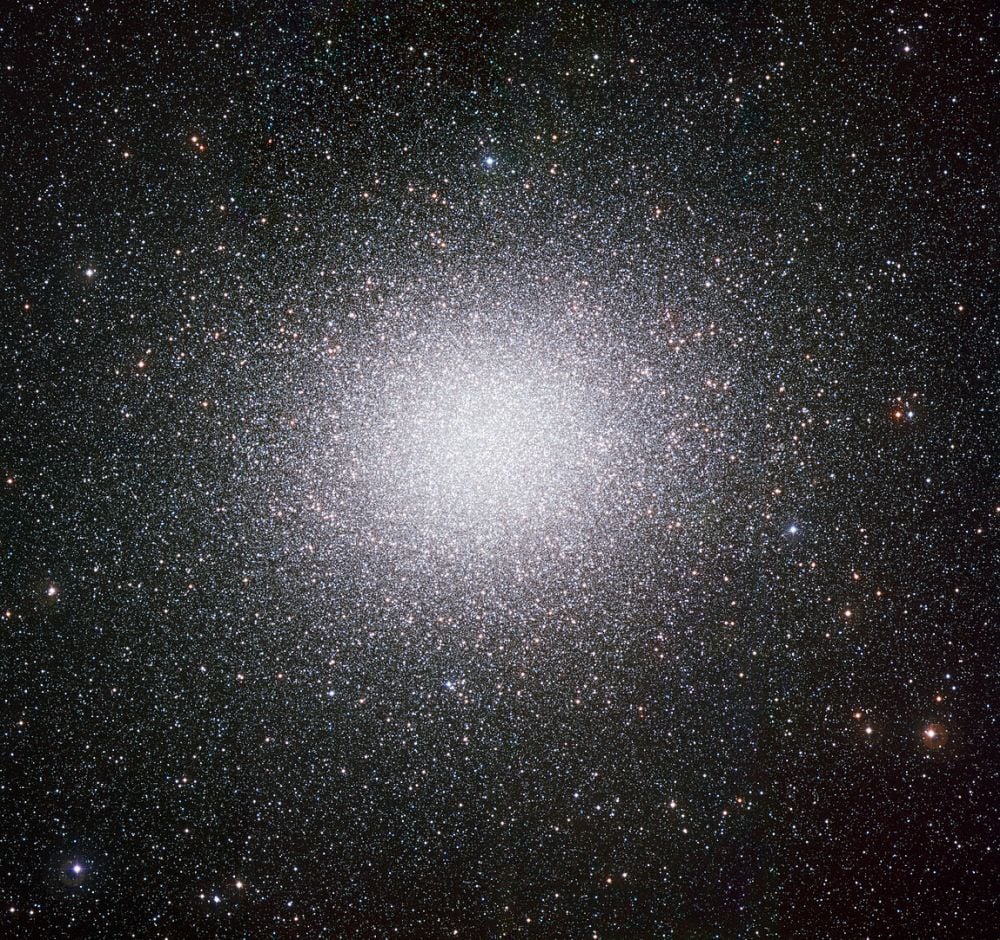
It’s the JWST’s Turn To Look For An Intermediate Mass Black Hole
Intermediate mass black holes (IMBH), if they exist, have between about 100 and 1000 solar masses, placing them in between stellar black holes and supermassive black holes. But while there’s plenty of evidence for both stellar mass…
Continue Reading
-

What lies beneath Greenland could change what we know about rising seas
Credit: Pixabay/CC0 Public Domain
A new study led by researchers at the University of Ottawa provides a series of highly detailed 3D models of the…
Continue Reading
-
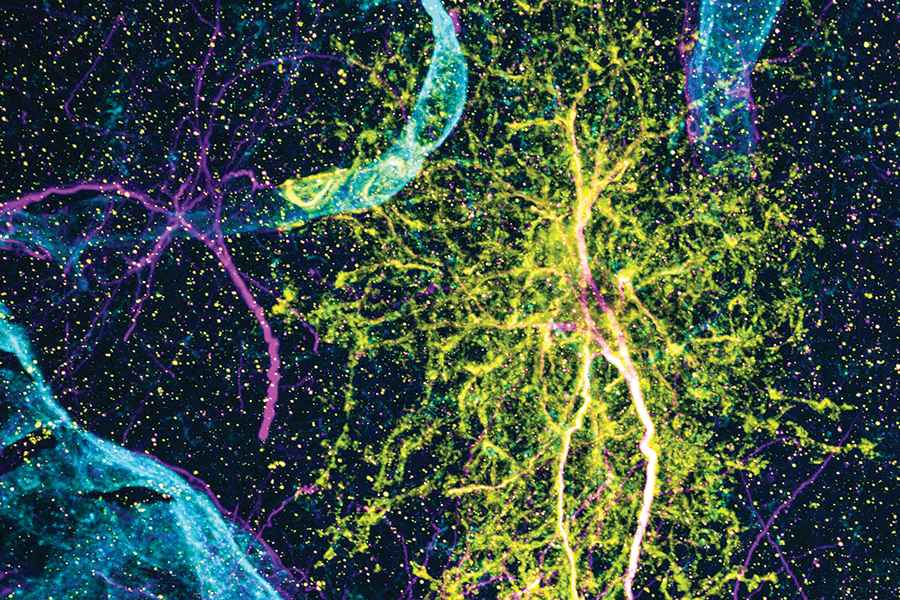
Astrocyte diversity across space and time | MIT News
When it comes to brain function, neurons get a lot of the glory. But healthy brains depend on the cooperation of many kinds of cells. The most abundant of the brain’s non-neuronal cells are astrocytes, star-shaped cells…
Continue Reading
-
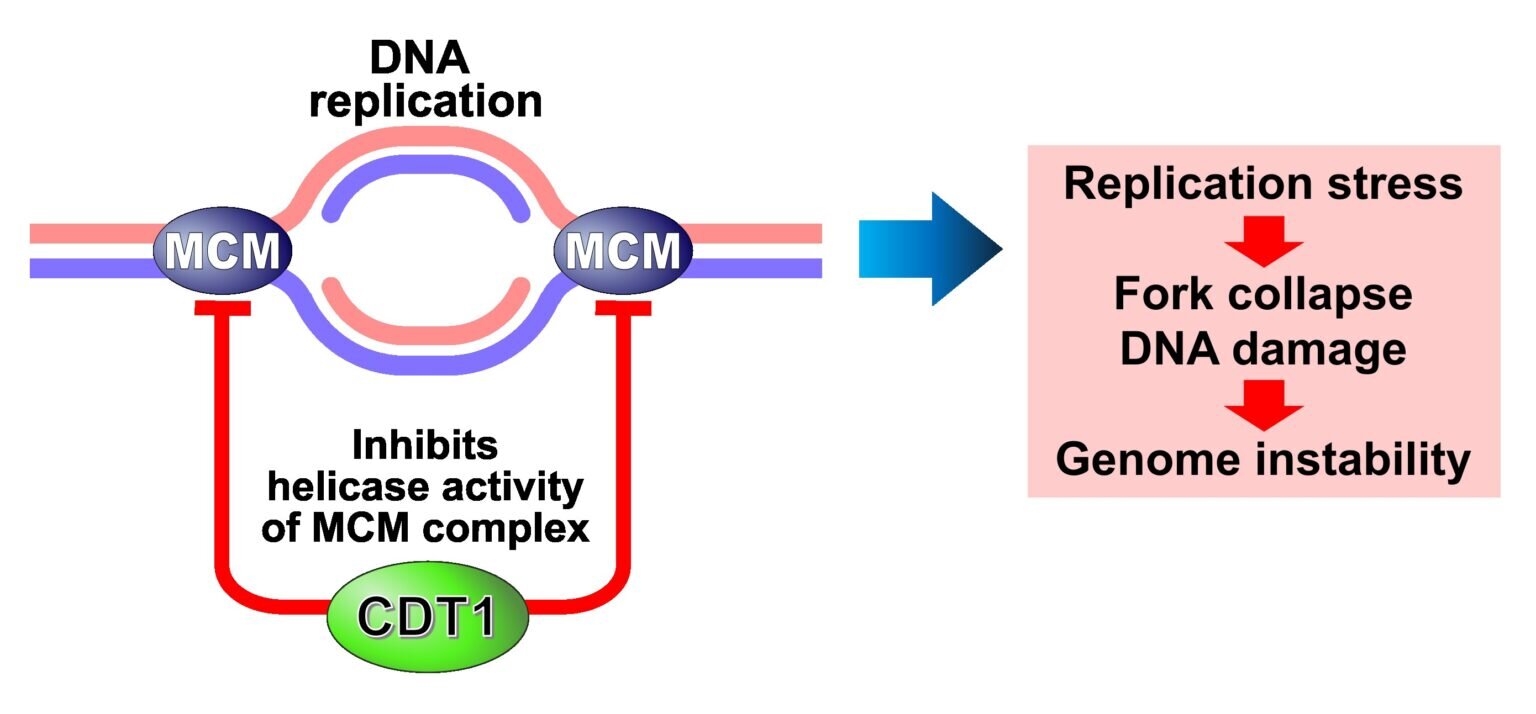
CDT1 overexpression suppresses DNA replication and triggers DNA damage linked to cancer, finds study
CDT1 inhibits the helicase activity of the MCM complex, thereby suppressing nascent strand synthesis in DNA replication in cultured human cells. This action results in fork… Continue Reading
-

Today’s biggest science news: Japan earthquake tsunami | Kilauea lava fountains | Northern Lights forecast
Refresh
Dark matter hunt fails — and scientists are excited
A simulation of the cosmic web. Scientists think some of these filaments are held together by dark matter. (Image credit: ESA) A Herculean effort to…
Continue Reading