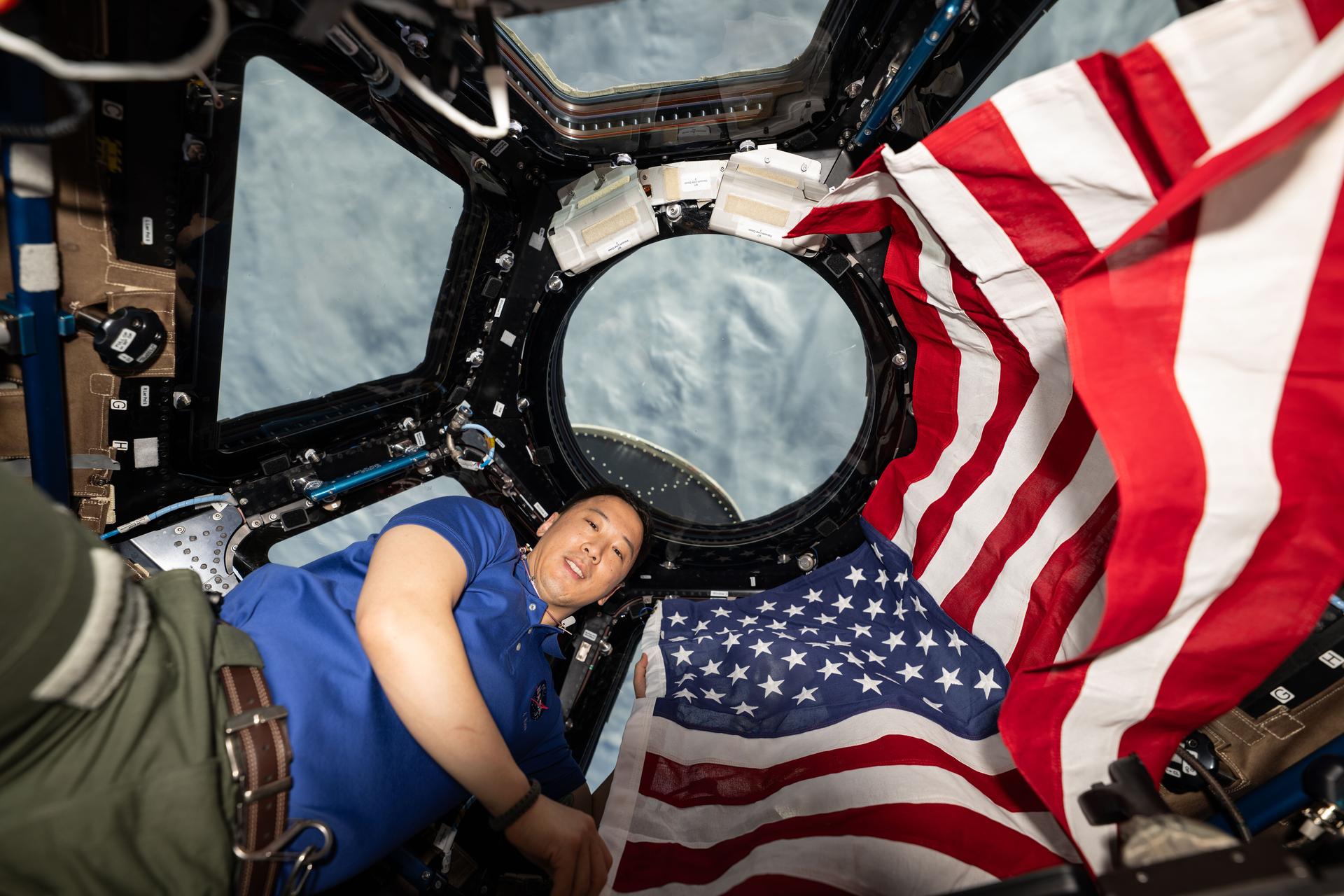
In 2025, NASA and its international partners celebrate 25 years of continuous human presence aboard the International Space Station. Since November 2, 2000, more than 290 people from 26 countries have lived and worked aboard the orbiting…
A comet, dubbed C/2025 K1 (ATLAS), spectacularly broke apart into three huge chunks — and anybody with an eight-inch telescope or bigger can catch the resulting…
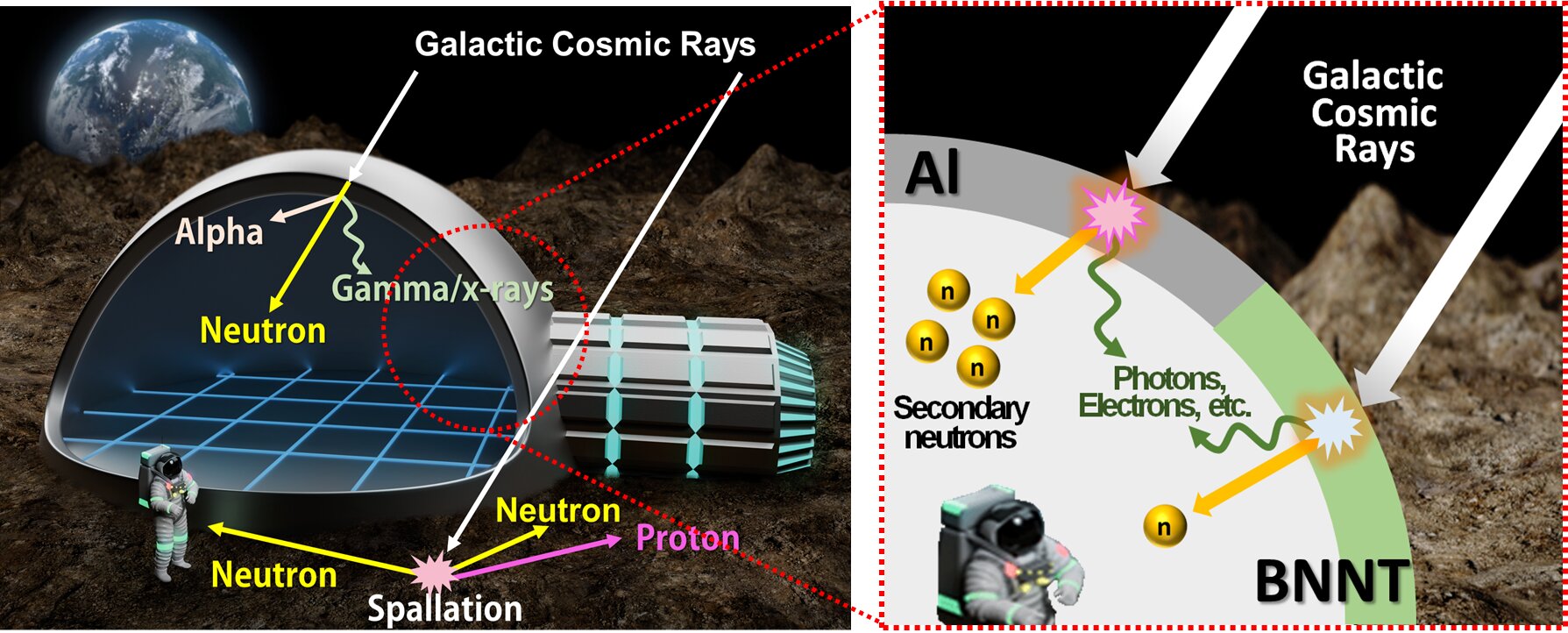
Space is an environment exposed not only to primary cosmic radiation but also to secondary radiation, particularly neutrons, which are generated by interactions with spacecraft…
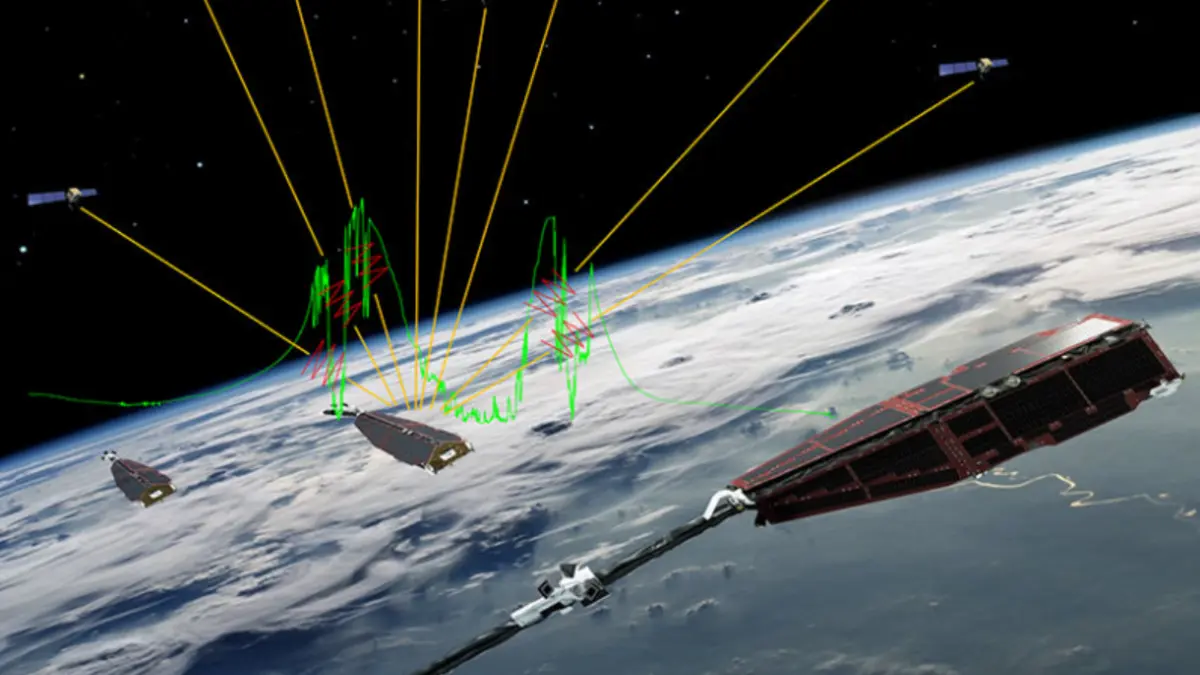
The world’s navigation systems, from GPS to Europe’s Galileo, depend on radio waves passing cleanly through the ionosphere, a charged atmospheric region extending from 80–1 000 km (50–620 miles) above Earth. After sunset, that layer…
Astronomers have taken a fresh look at NGC 6789, an isolated dwarf galaxy located about 12 million light-years away in the constellation Draco. What they found is a fascinating mystery.
Over the past 600 million years, this dwarf has been steadily…
Kissing occurs in most living large apes, and likely also occurred in Neanderthals, first evolving in the ancestor to this group 21.5-16.9 million years ago, according to new research led by University of Oxford scientists.
WASHINGTON — Even Australia’s most protected marine habitats are likely to suffer extreme impacts from climate change by 2040. According to a new study, even under today’s optimistic climate…
Nematologists at the University of California, Davis, including Valerie Williamson , professor emerita in the Department of Plant Pathology and associate professor Shahid Siddique , Department of Entomology and Nematology, have long…
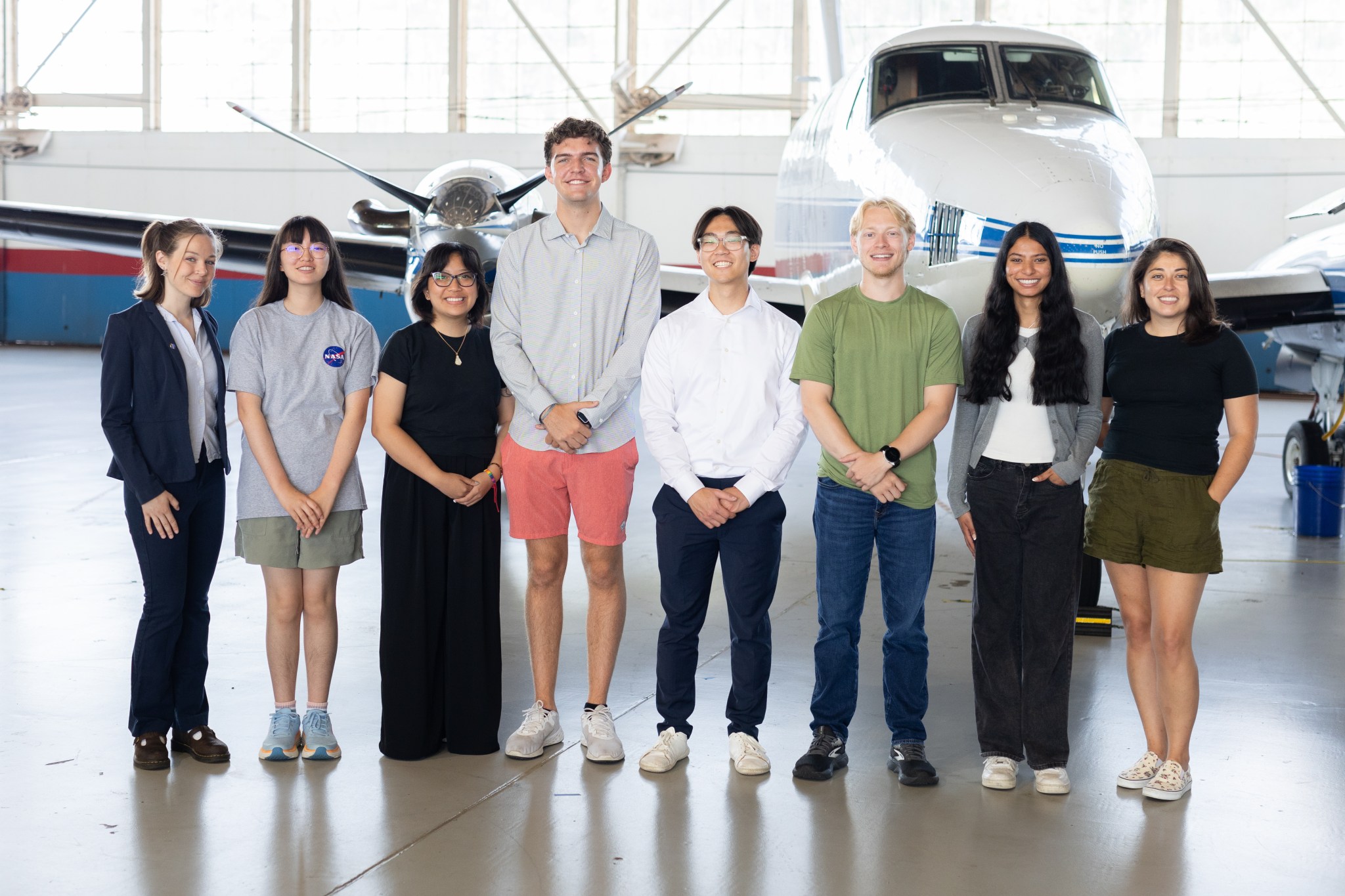
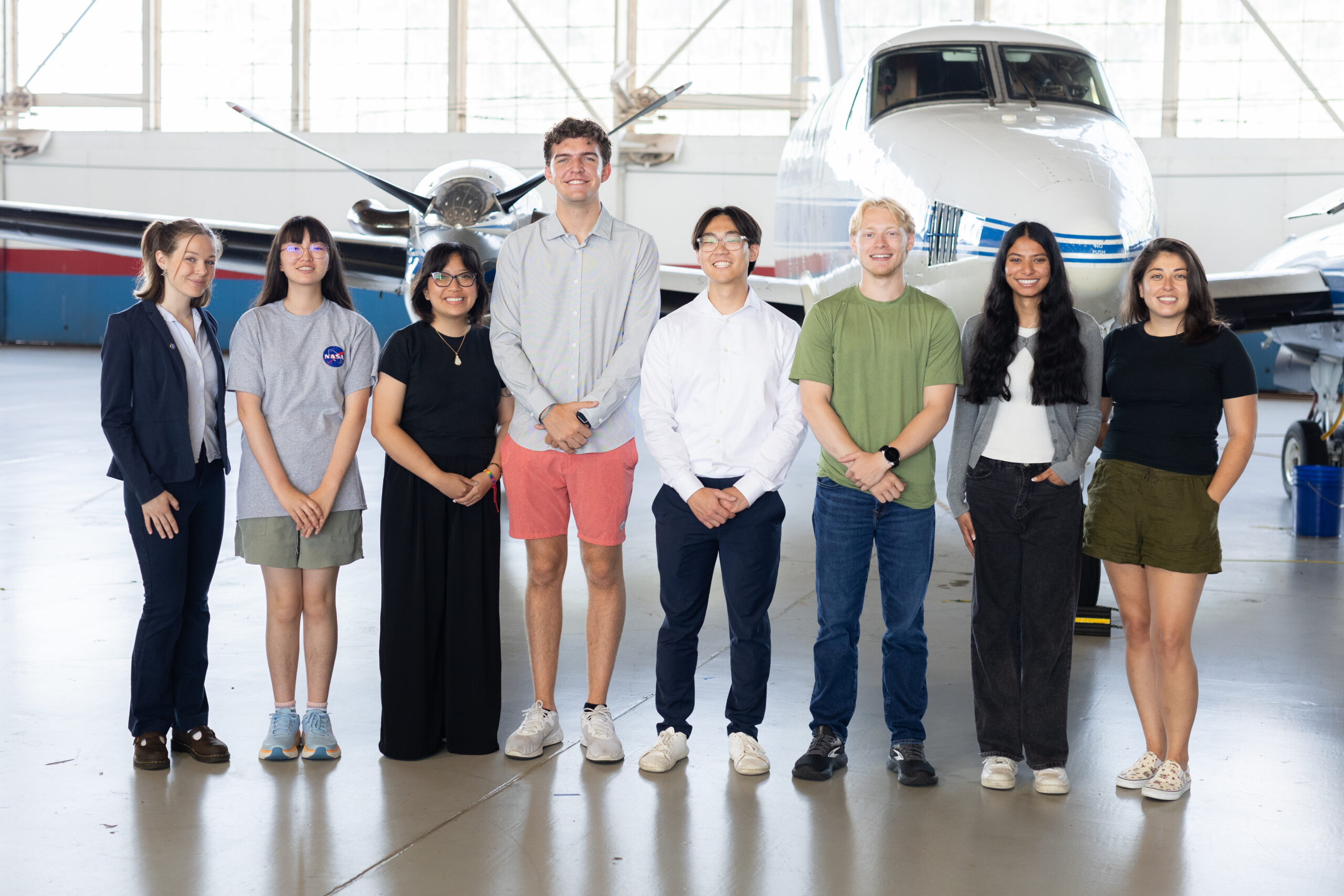
The 2025 SARP East Atmospheric Chemistry Group poses in front of the Dynamic Aviation B-200 aircraft, parked in a hangar at NASA’s Wallops Flight Facility in Virginia. During the internship, students spend a week engaged in Earth…