Archaeologists working in Crimea have recovered ancient DNA from a tiny bone and matched it to Neanderthals from Siberia. The genetic link spans about 1,900 miles across Eurasia and dates to roughly 45,000 years ago.
The result shows that…
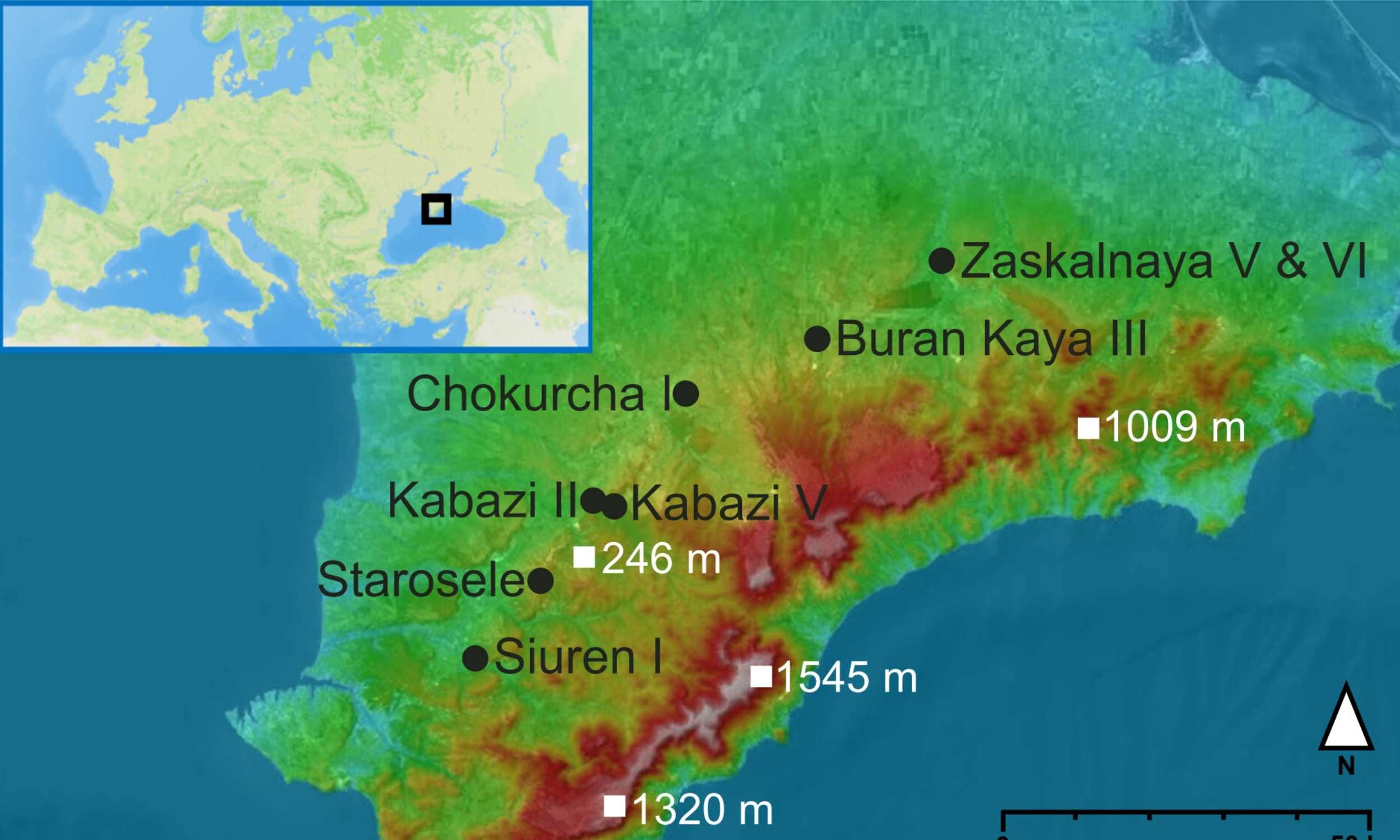
Archaeologists working in Crimea have recovered ancient DNA from a tiny bone and matched it to Neanderthals from Siberia. The genetic link spans about 1,900 miles across Eurasia and dates to roughly 45,000 years ago.
The result shows that…

This is Part 4 of a series on a recent study claiming the Universe is decelerating. You can read Part 1, Part 2, and Part 3 here.
So I got an email from Adam Reiss. You know, the guy who was awarded the 2011 Nobel Prize in Physics along…
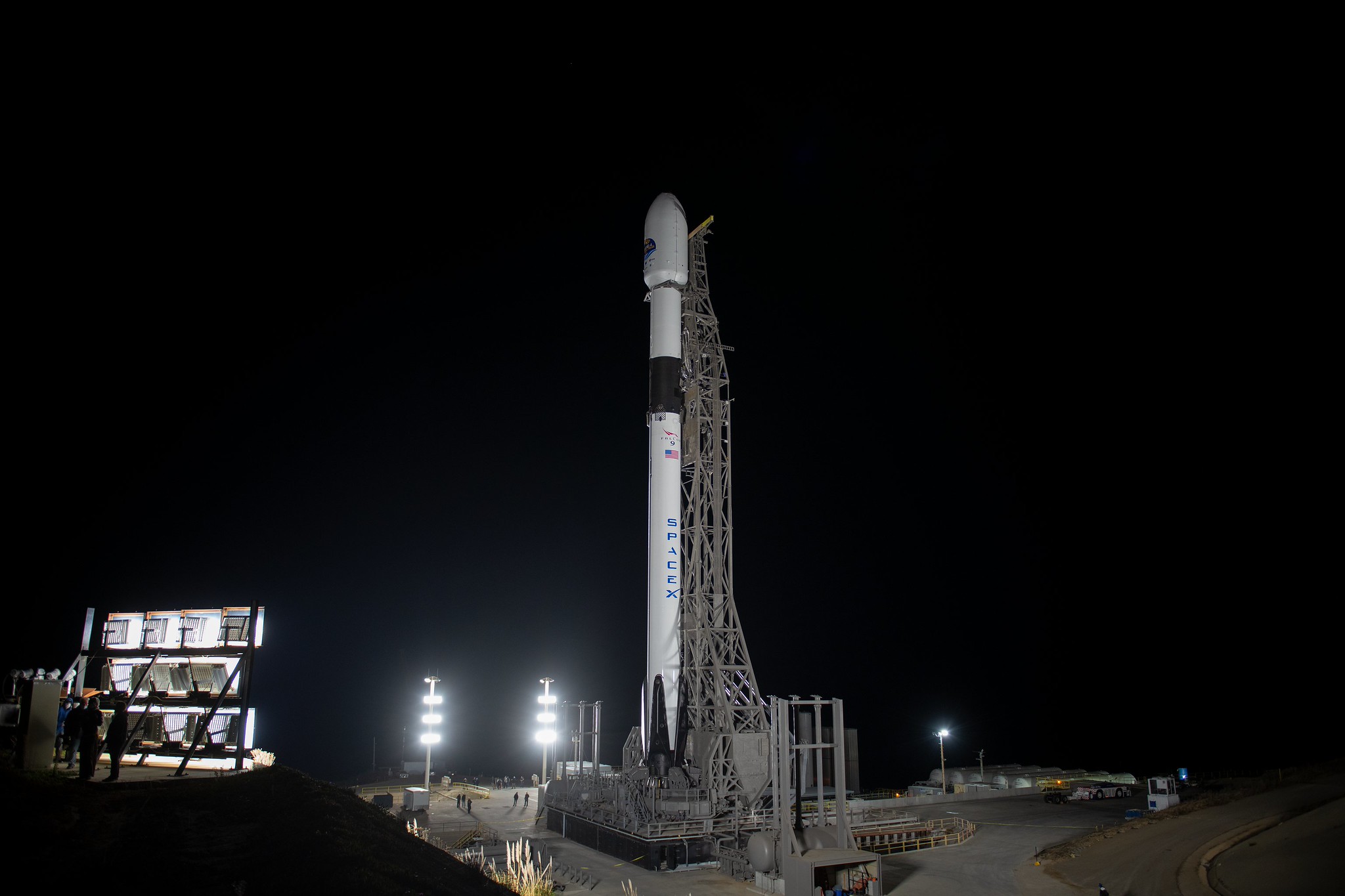
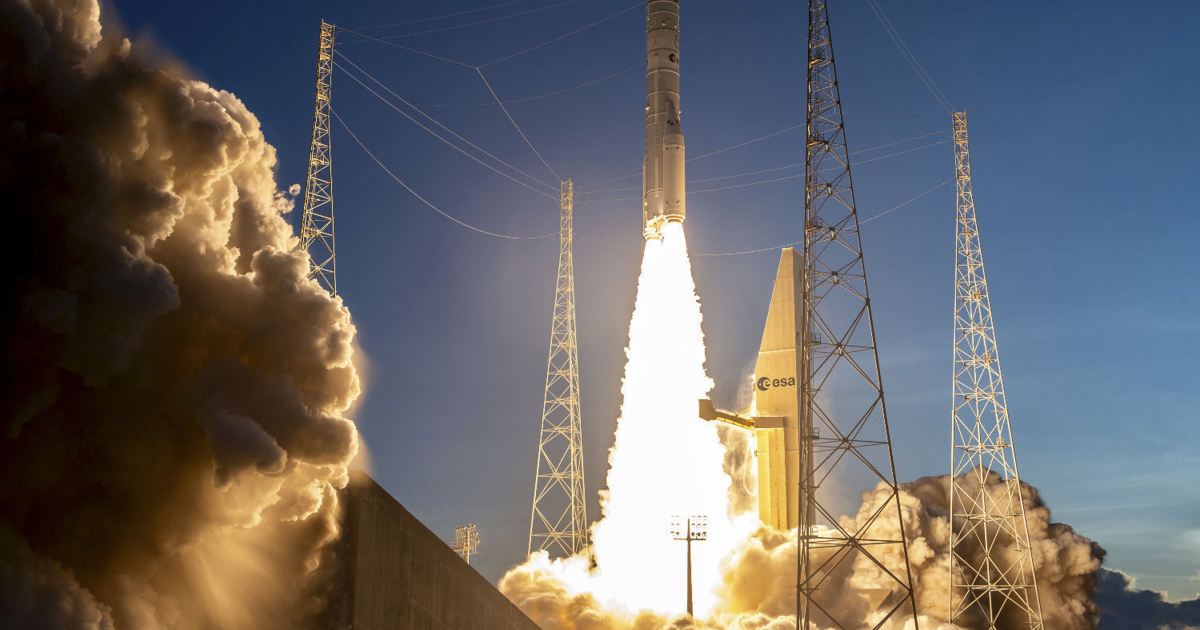
On 4 November 2025, at 22:02 CET (21:02 UTC), the Copernicus Sentinel-1D satellite was successfully deployed from French Guiana. The satellite entered its designated…
This article originally appeared on The Conversation.
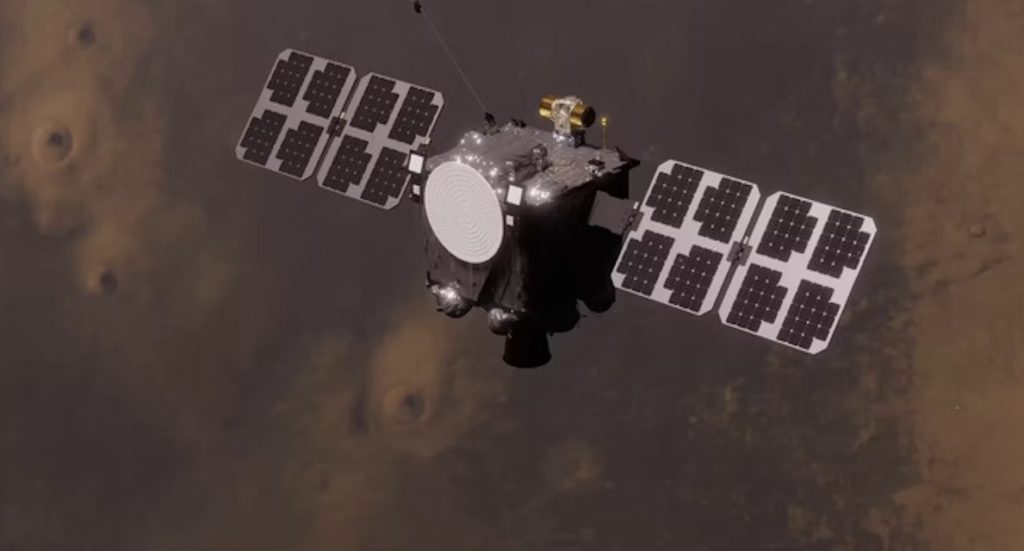
Envision a time when hundreds of spacecraft are exploring the solar system and beyond. That’s the future that NASA’s ESCAPADE, or Escape and Plasma Acceleration and…
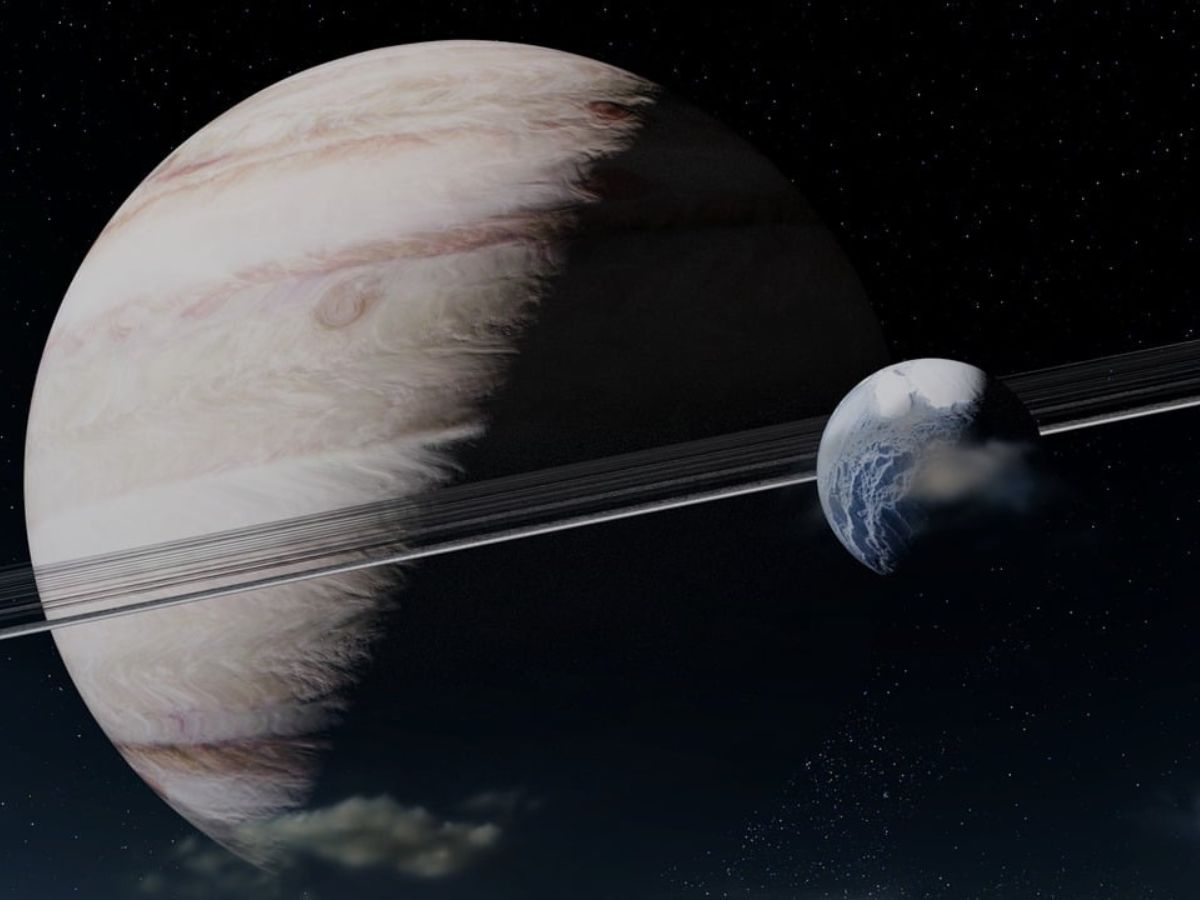
When the solar system formed about 4.6 billion years ago, a gigantic cloud of dust and gas collapsed on itself. And according to a recent study, without Jupiter’s help, Earth would have been swallowed up by the sun.
It must be said that the

Renowned computer scientist Yoshua Bengio has made history by becoming the first living researcher to surpass one million citations on Google Scholar, a milestone almost unheard of in modern academia. The achievement reflects not only…

The IceCube Collaboration, comprised of international researchers, has presented findings from a ten-year analysis revealing no statistically significant clustering between high-energy neutrinos detected by the IceCube Neutrino Observatory and…
This request seems a bit unusual, so we need to confirm that you’re human. Please press and hold the button until it turns completely green. Thank you for your cooperation!
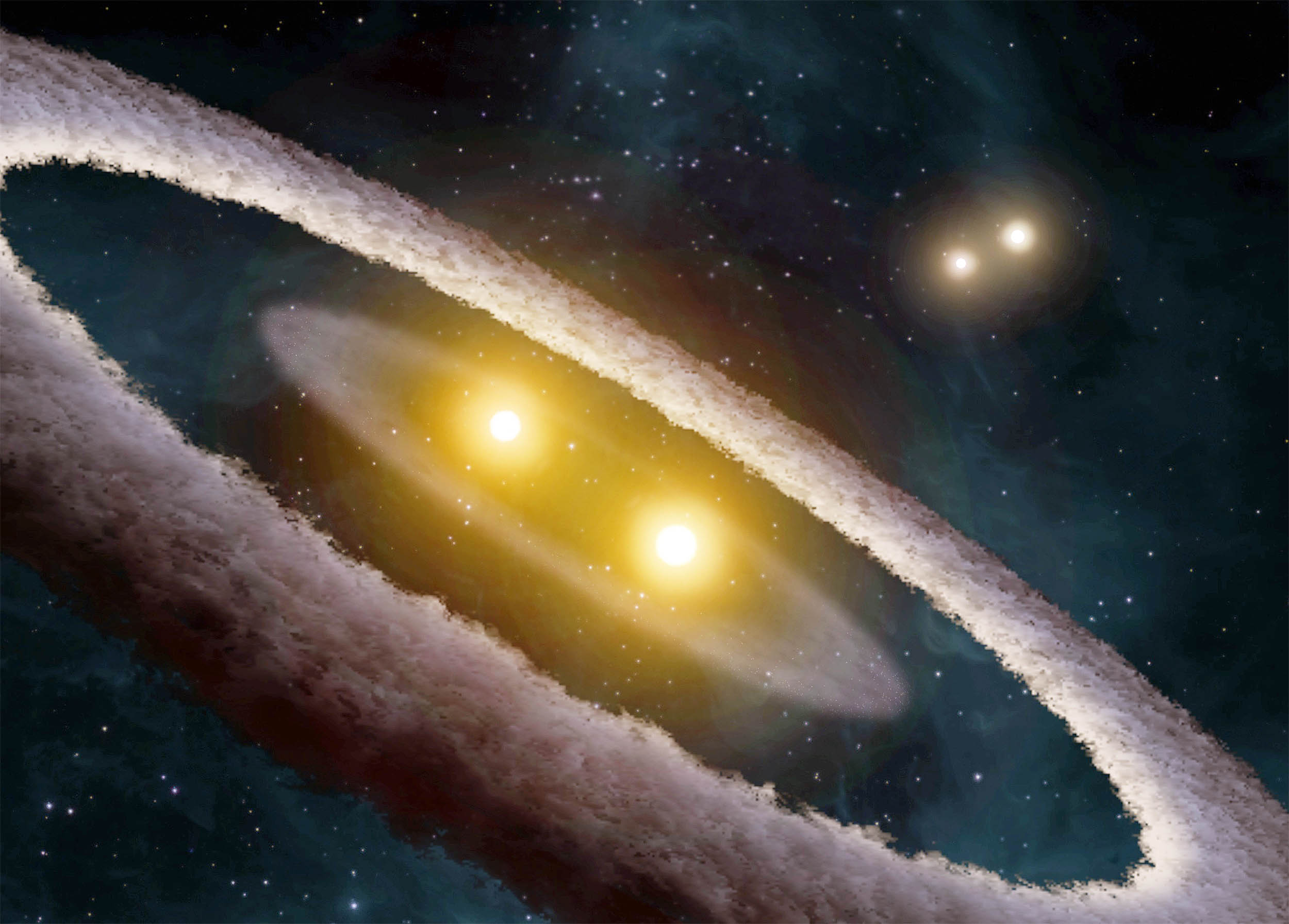
Meet HD 98800, a nearby quadruple‑star system in the constellation Crater. It sits about 150 light‑years away and is approximately 10 million years old.
That age places it in a formative phase when stars finish settling and nearby material…