A fossil braincase and partial skull roof from Carnegie Museum of Natural History has been reassessed and reclassified, giving rise to a new genus and species of dicraeosaurid sauropod dinosaur: Athenar bermani.
Holotypic braincase of Athenar…
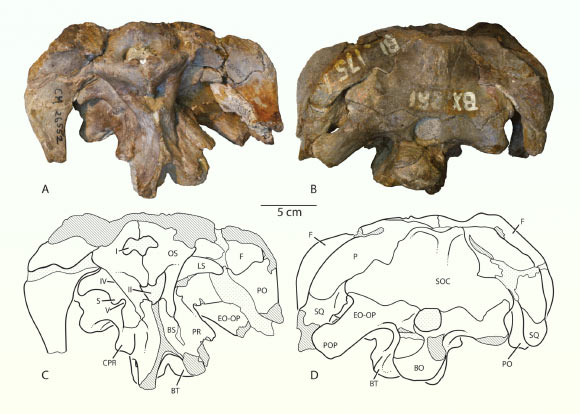
A fossil braincase and partial skull roof from Carnegie Museum of Natural History has been reassessed and reclassified, giving rise to a new genus and species of dicraeosaurid sauropod dinosaur: Athenar bermani.
Holotypic braincase of Athenar…
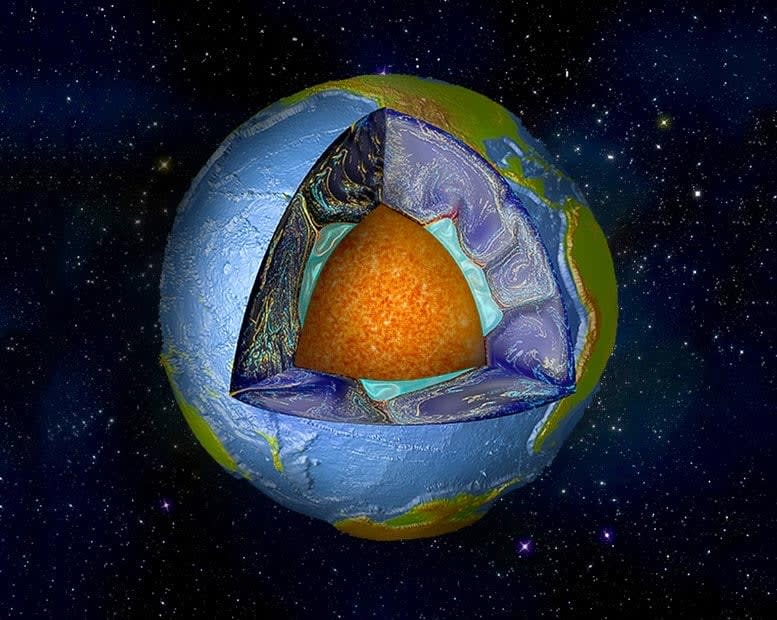
For decades, geologists labeled a billion-year stretch of Earth’s history—from 1.8 to 0.8 billion years ago—as the “Boring Billion.” They assumed not much occurred during the time: mountain building slowed down, oxygen levels were low,…
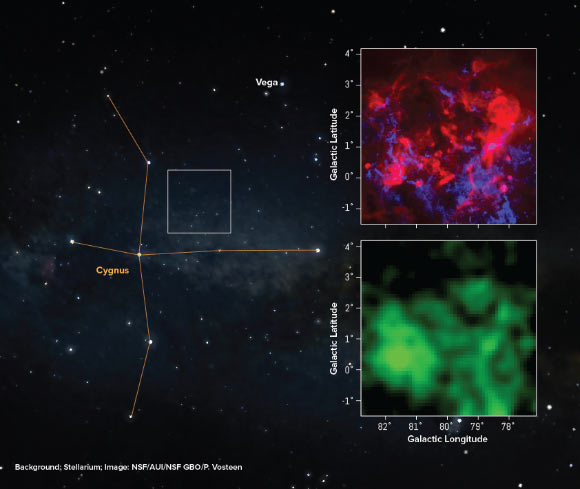
Astronomers using the Green Bank Telescope (GBT) have created the large-scale maps of carbon monoxide (CO)-dark molecular gas for the star-forming complex Cygnus X.
These images show the location of CO-dark molecular gas in Cygnus X. Image…
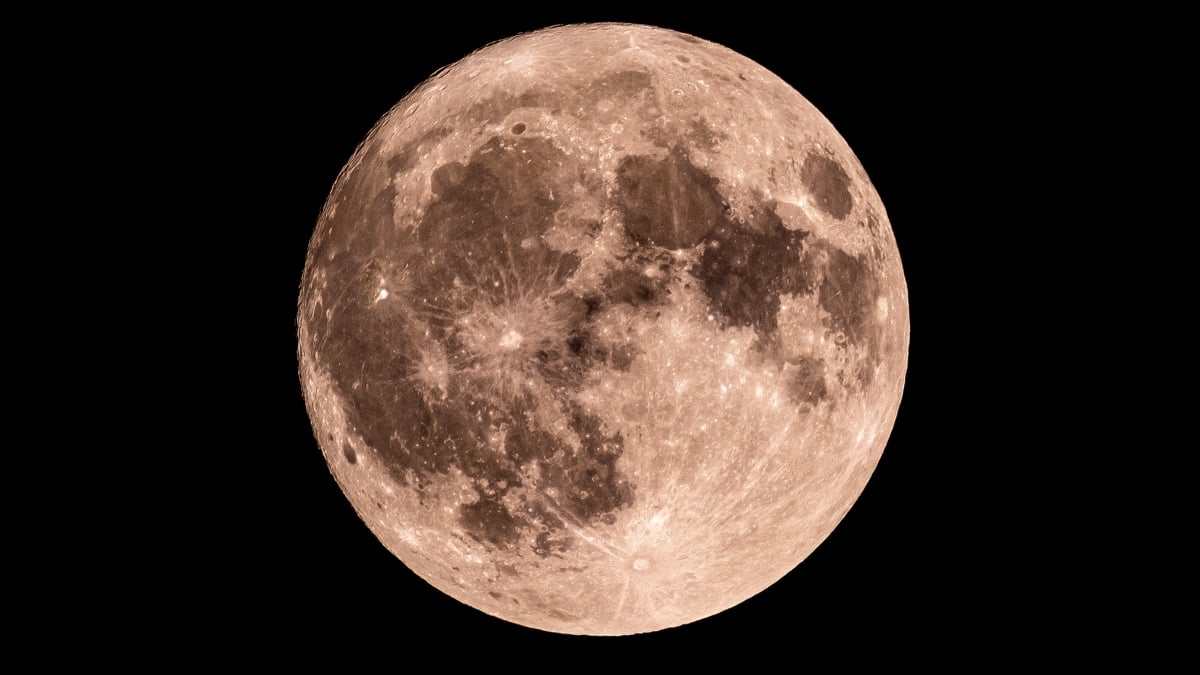
We’ve reached the First Quarter Moon tonight, meaning we’re halfway between the New Moon and the Full. Keep reading to find out what this means.
As of Wednesday, Oct….
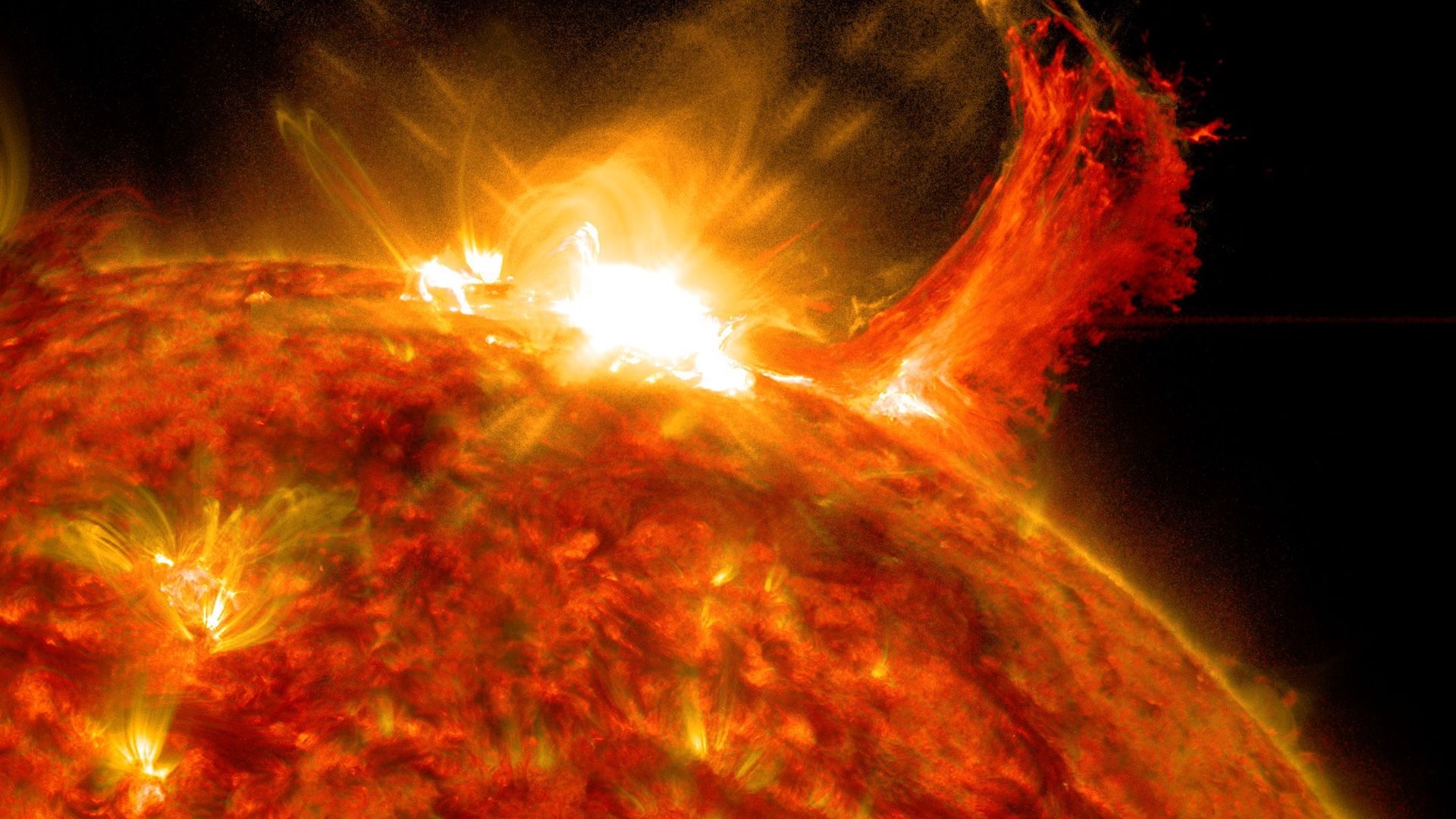
A hot mystery on the sun may be close to being solved.
For decades, scientists have been trying to understand why the sun‘s outer atmosphere is so much hotter than its surface, despite being farther from the core. Whereas the surface, or…
This request seems a bit unusual, so we need to confirm that you’re human. Please press and hold the button until it turns completely green. Thank you for your cooperation!
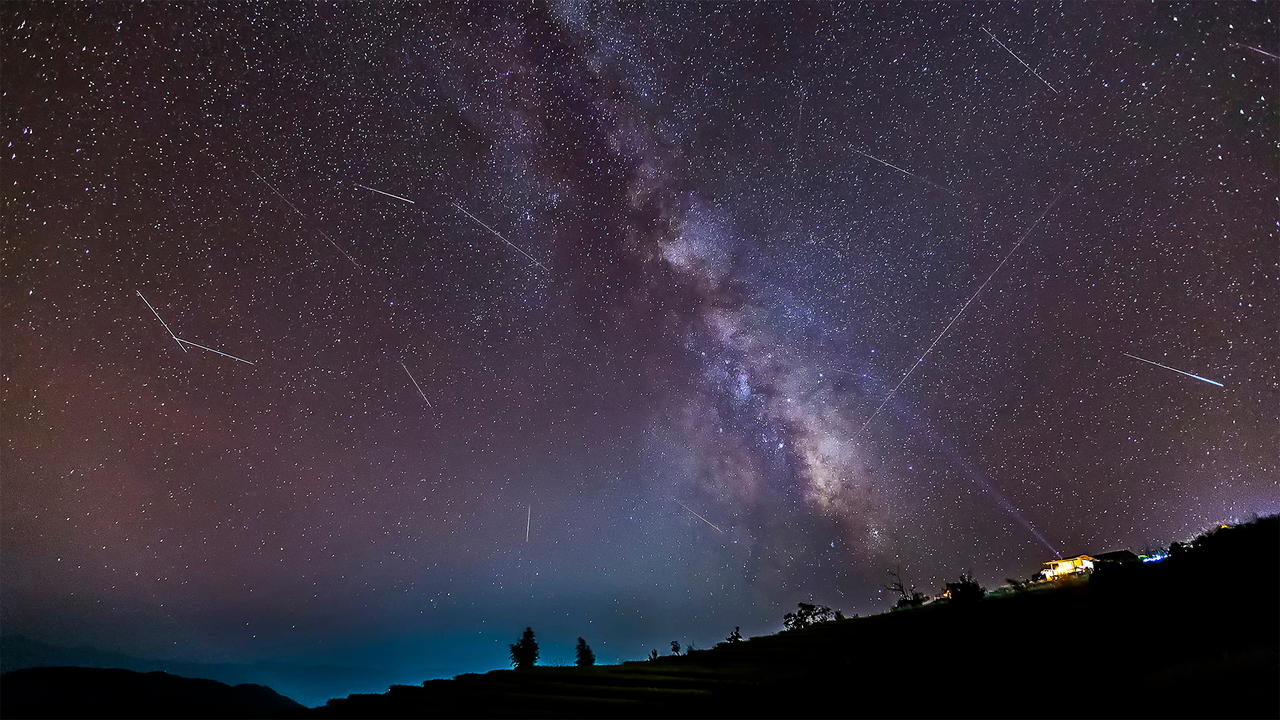
Every year, the Taurid meteor shower lights up the night sky from late October through early November. Sometimes called the “Halloween fireballs”, they are named for the constellation Taurus—the bull—from which the meteors appear to…
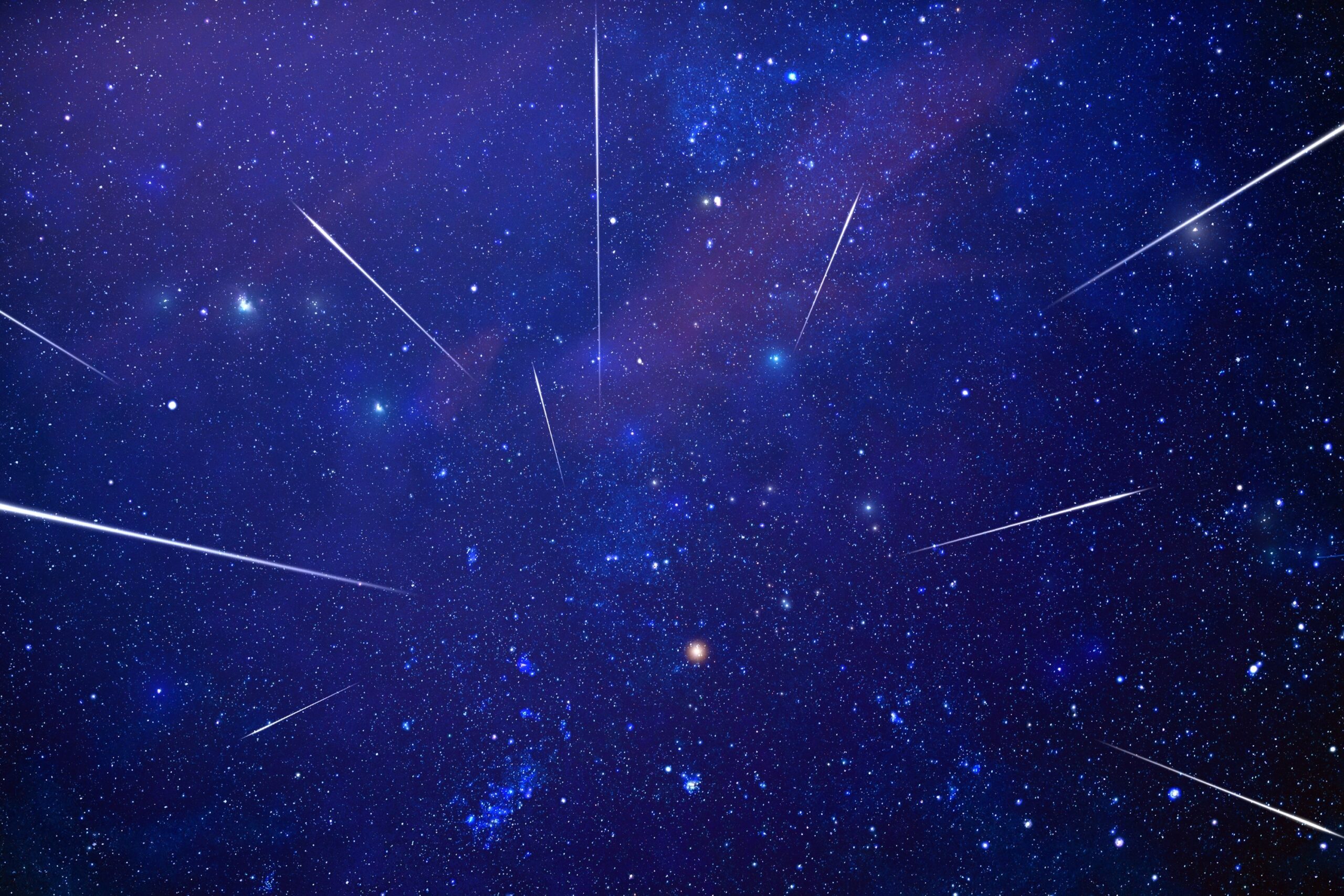
Twinkling Christmas lights are beginning to appear, and our skies are also hamming it up to add some sparkle to the scene. Nope, we’re not done with the series of supermoons and meteor showers for the rest of the year, with not one but two…
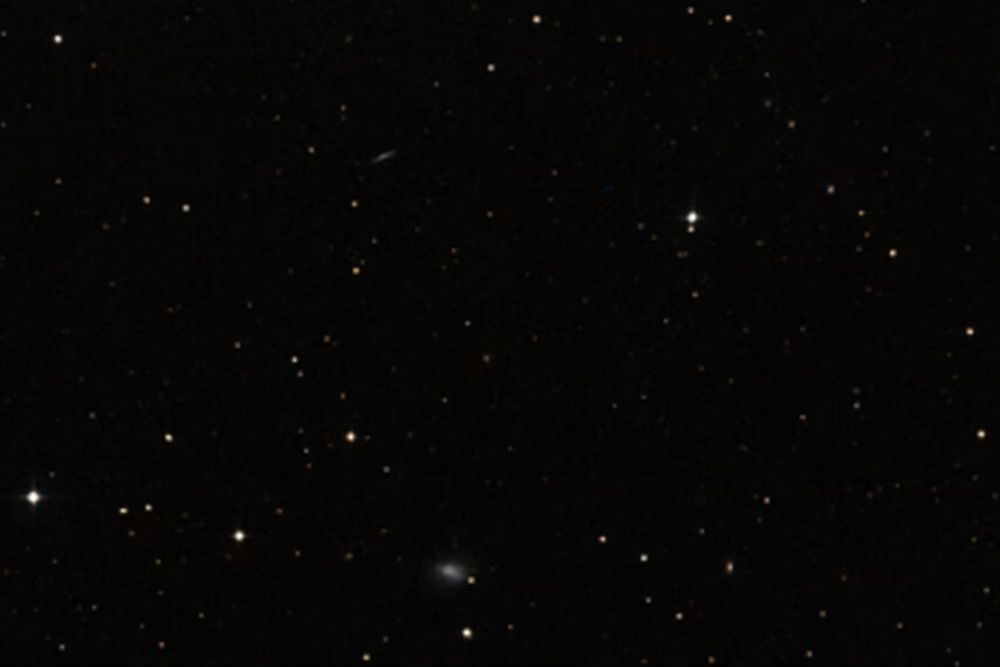
A nearby dwarf galaxy could teach astrophysicists something new about dark matter and black holes. It’s named Segue 1 and it’s about 75,000 light years away. Segue 1 is one of the Milky Way’s smallest and dimmest satellite galaxies. It…