QUT researchers have revealed key biological processes that enable corals to attach to reef surfaces, a discovery with strong potential to improve coral restoration worldwide.
Published in Royal Society Open Science, the research led by Dr. Brett…
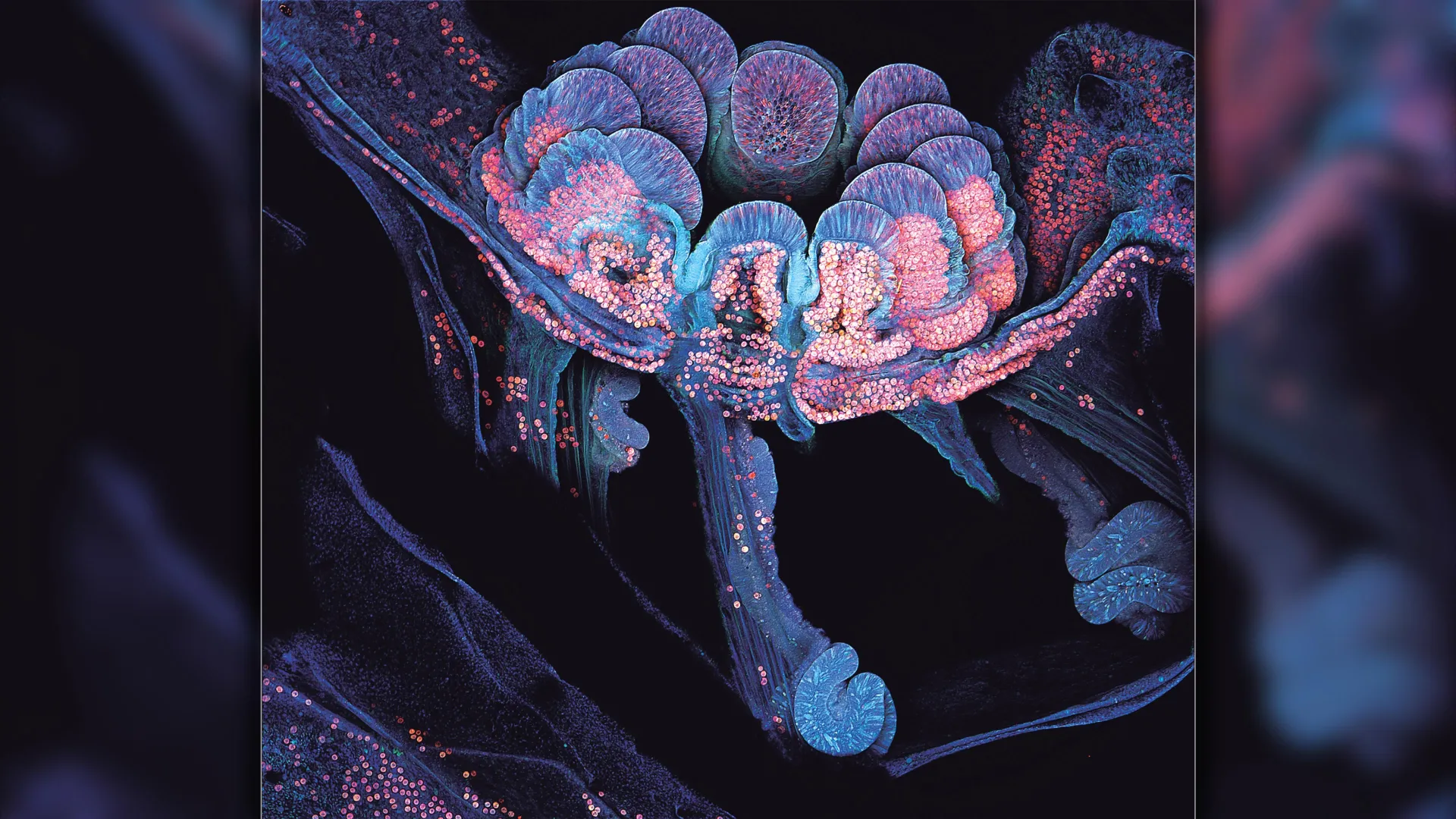
QUT researchers have revealed key biological processes that enable corals to attach to reef surfaces, a discovery with strong potential to improve coral restoration worldwide.
Published in Royal Society Open Science, the research led by Dr. Brett…
QUT researchers have revealed key biological processes that enable corals to attach to reef surfaces, a discovery with strong potential to improve coral restoration worldwide.
Published in Royal Society Open Science, the research led by Dr. Brett…
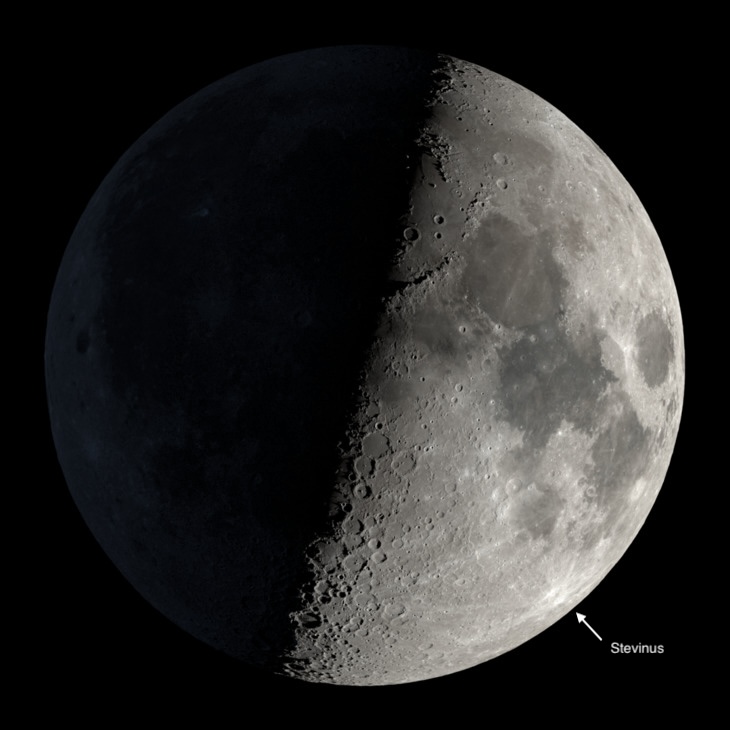
A lovely First Quarter Moon shows off rugged craters along the terminator and the remnant of a big hit near the southeastern limb: the crater Stevinus.

Using the James Webb Space Telescope (JWST), researchers identified five carbon-rich compounds surrounding a nascent star called ST6 in the Large Magellanic Cloud (LMC), a dwarf galaxy orbiting 160,000 light-years from Earth.
The discovery…

Terms
While we only use edited and approved content for Azthena
answers, it may on occasions provide incorrect responses.
Please confirm any data provided with the related suppliers or
…

A team of international astronomers have discovered three Earth-sized planets orbiting two stars, in what researchers are calling a laboratory for studying planet formation.The finding, announced Friday in the journal Astronomy & Astrophysics,…
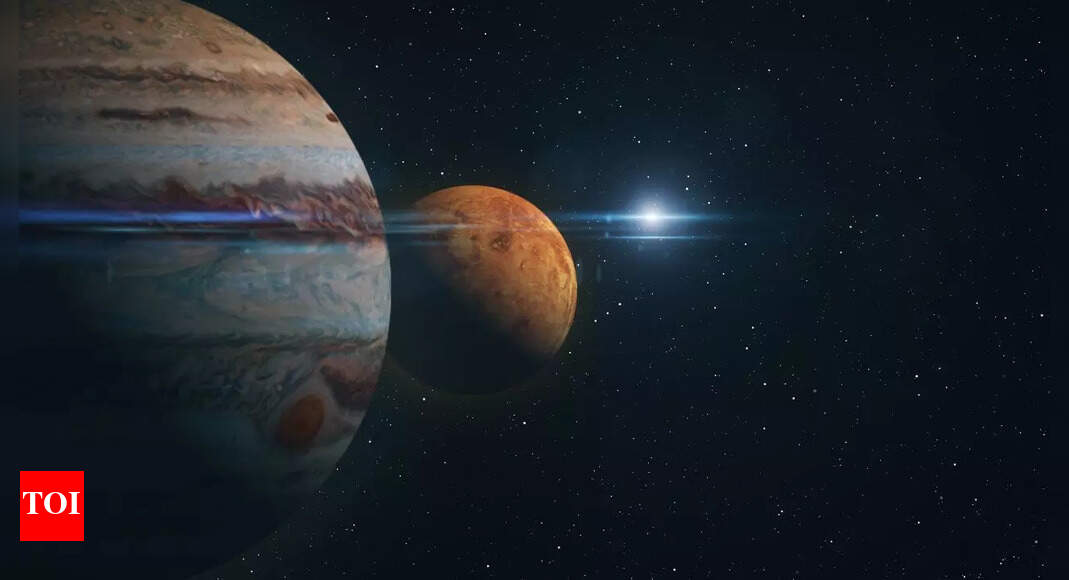
The story of how our solar system formed is not a simple one. For years, scientists believed that all planetesimals, the small rocky bodies that became planets, formed at roughly the same time. But new research suggests something very…

Taipei, Oct. 29 (CNA) “Comet Lemmon,” believed to be the brightest comet of the year, is expected to reach its peak brightness on Thursday, according to the Taipei Astronomical Museum.
In a Wednesday news release, the museum said the comet is…
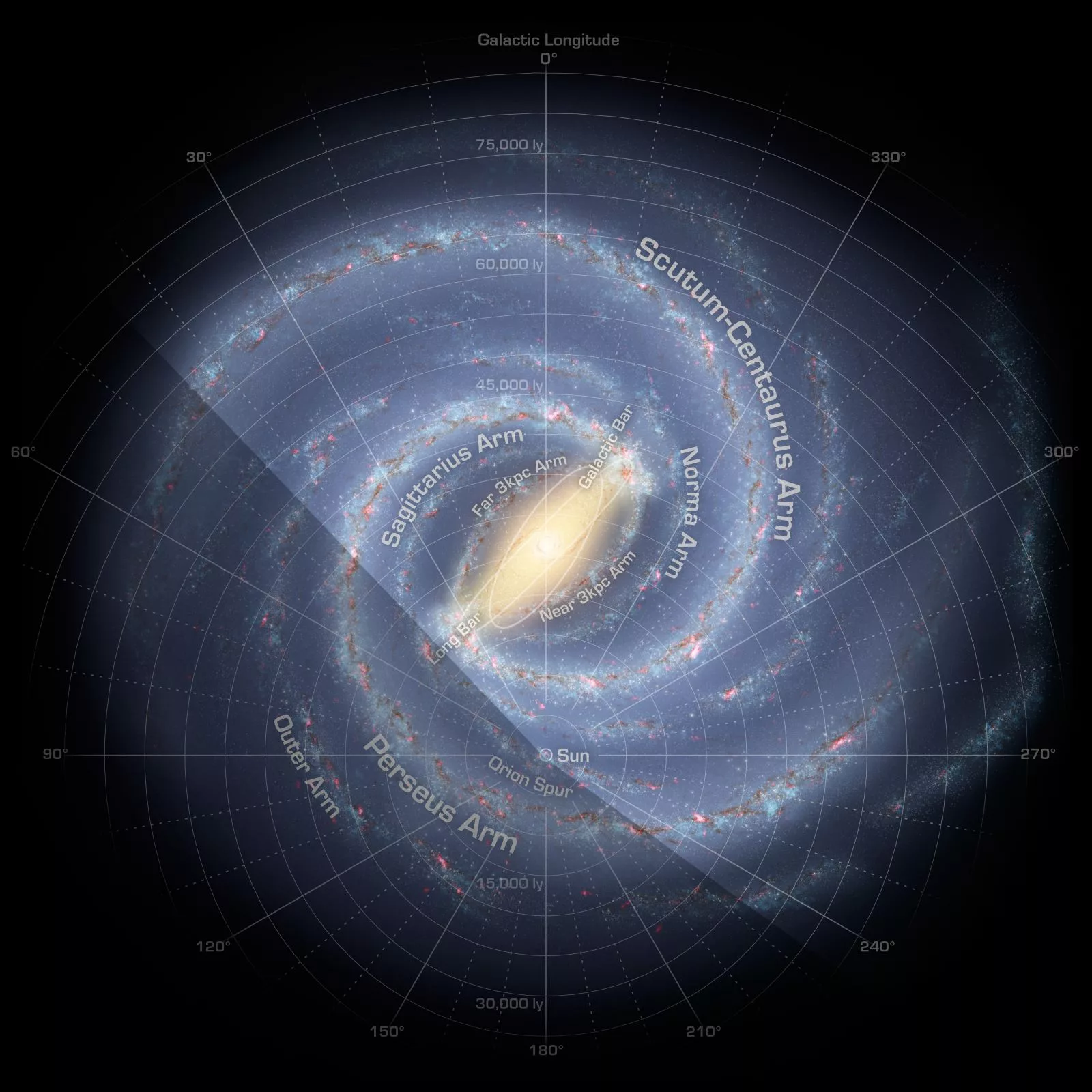
In a dazzling leap for cosmic cartography, astronomers from the International Center for Radio Astronomy Research (ICRAR) have unveiled the most detailed low-frequency radio color image of the Milky Way ever created. This isn’t your typical…