About 66 million years ago, a herd of herbivorous dinosaurs succumbed to drought – tragically, just hours or days before heavy rains fell.
We know this because they left some of the most incredibly well-preserved dinosaur ‘mummies’ ever…
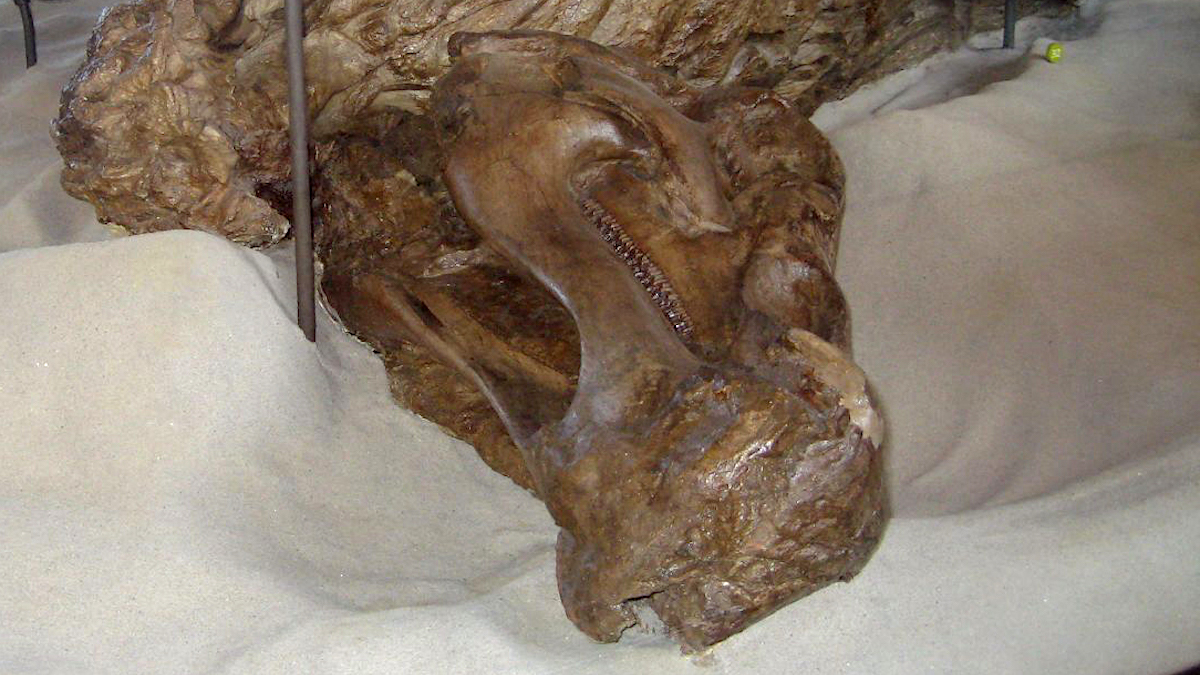
About 66 million years ago, a herd of herbivorous dinosaurs succumbed to drought – tragically, just hours or days before heavy rains fell.
We know this because they left some of the most incredibly well-preserved dinosaur ‘mummies’ ever…
Dinosaurs would not have become extinct had it not been for a catastrophic asteroid strike, researchers have said, challenging the idea the animals were already in decline.
About 66m years ago, during the late Cretaceous period, a huge space rock…
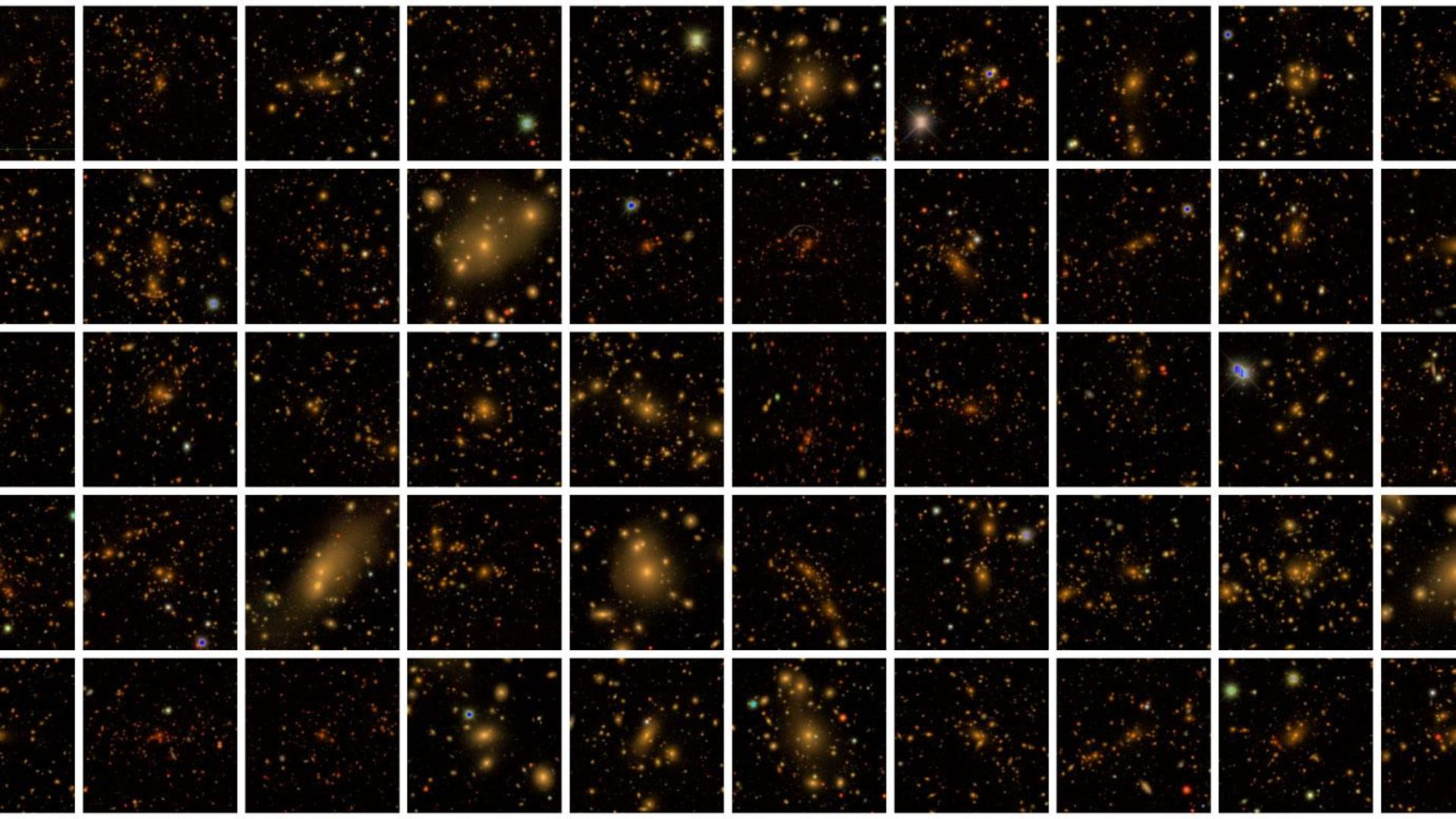
Astronomers have unveiled a new catalog of massive galaxy clusters, revealing insight on the evolution of the universe.
Galaxy clusters — the largest gravitationally bound structures in the universe — act as cosmic signposts that trace the…
This request seems a bit unusual, so we need to confirm that you’re human. Please press and hold the button until it turns completely green. Thank you for your cooperation!
A new ISOLDE study of molecules containing pear-shaped atomic nuclei helps shape future research aimed at testing fundamental symmetries of nature
Most atomic nuclei are round or the shape of a rugby ball. But some have…
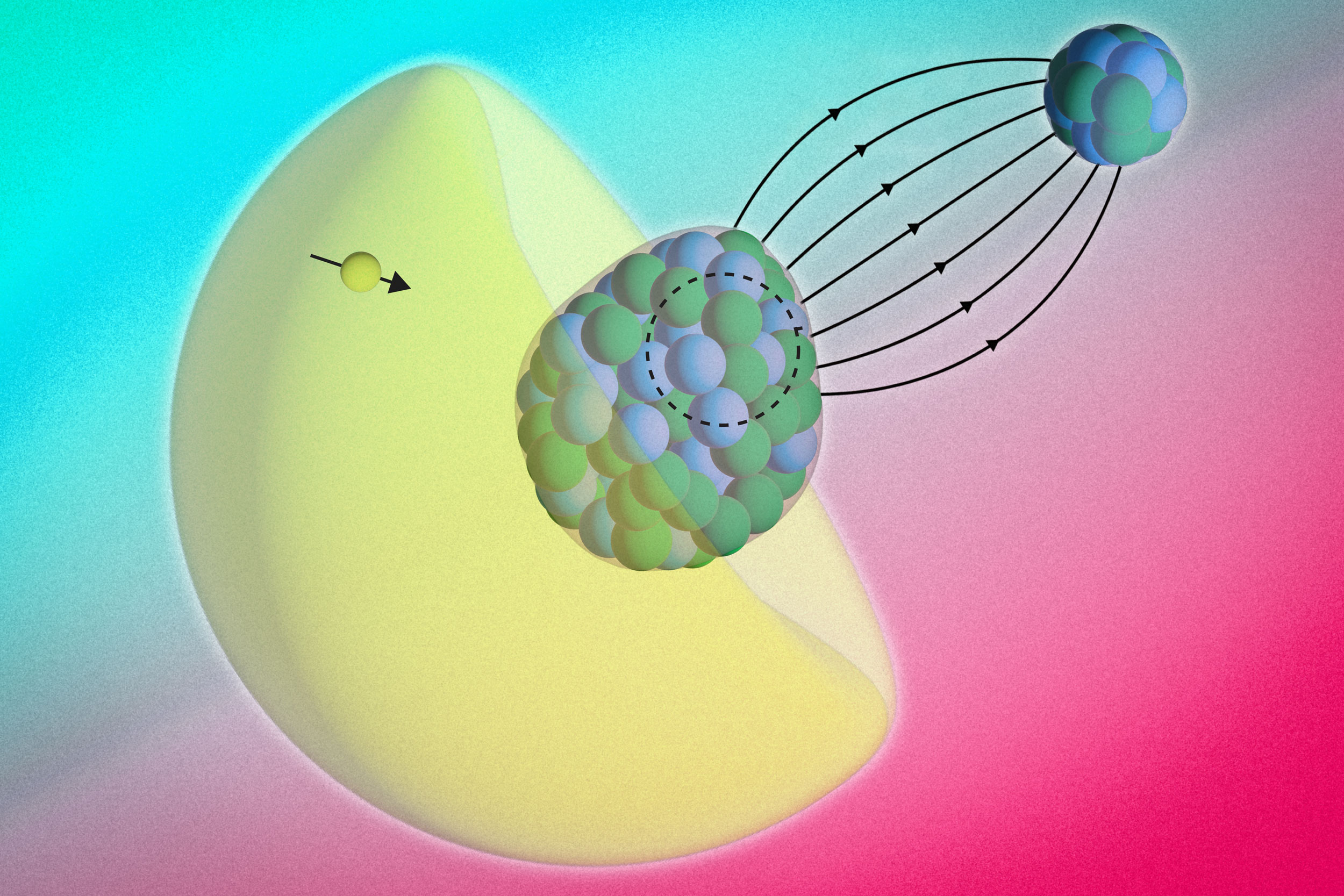
Physicists at MIT have developed a new way to probe inside an atom’s nucleus, using the atom’s own electrons as “messengers” within a molecule.
In a study appearing today in the journal Science, the physicists…
This request seems a bit unusual, so we need to confirm that you’re human. Please press and hold the button until it turns completely green. Thank you for your cooperation!