Category: 3. Business

  • Iran war is latest threat to a global economy rattled by Trump | Business and Economy News

    Iran war is latest threat to a global economy rattled by Trump | Business and Economy News

    As the United States and Israel’s war on Iran unfolds over the coming days and weeks, the scale of the fallout for the global economy will be measured at the petrol pump.

    The biggest threat the conflict poses to global economic health lies in rising energy prices.

    Recommended Stories

    list of 4 itemsend of list

    Iran’s effective closure of the Strait of Hormuz and Iranian attacks on key energy production facilities in Qatar and Saudi Arabia have paralysed a substantial chunk of the world’s energy supply.

    For a global economy already rattled by US President Donald Trump’s tariffs and what many see as his unravelling of the post-World War II order, much now depends on how long the disruption lasts.

    A sustained surge in energy prices would drive up the cost of everyday goods.

    Central banks would then likely raise borrowing costs to curb inflation, dampening consumer spending and dragging down economic growth.

    “It’s really a question on how long the disruption of flows through the Strait of Hormuz lasts and whether there will be destruction of physical assets,” said Anne-Sophie Corbeau, an analyst at Columbia University’s Center on Global Energy Policy.

    “For the moment, the market is pricing a short disruption and no destruction. But that may change in the future. We simply do not know right now how this whole crisis ends.”

    An aerial view of the island of Qeshm, separated from the Iranian mainland by Clarence Strait, in the Strait of Hormuz, on December 10, 2023 [Reuters]

    While Iran’s threats to shipping have halted traffic through the Strait of Hormuz, the conduit for one-fifth of the world’s oil, crude prices have seen relatively modest gains so far.

    Brent crude hovered about $84 a barrel on Friday morning, US time, up about 15 percent compared with pre-conflict prices.

    That gain pales in comparison with past crises.

    During the 1973-74 oil embargo led by OPEC’s Arab members, prices quadrupled in just three months.

    Since then, the world’s dependence on Middle Eastern oil has declined substantially.

    Today, the US is the biggest producer globally, producing some 13 million barrels a day, more than Iran, Iraq and the UAE combined, according to the US Energy Information Administration.

    But if supply disruptions extend beyond a few weeks, oil prices could rise precipitously.

    Storage capacity constraints

    The seven oil-producing Gulf nations – Bahrain, Kuwait, Oman, Qatar, Saudi Arabia and the UAE – are likely to run out of crude oil storage capacity in less than a month if the Strait of Hormuz remains closed, according to an analysis by JPMorgan Chase.

    With storage capacity depleted, producers would be forced to cut production.

    “While there will be some capacities elsewhere, and some options to use pipelines rather than shipping, it is incredibly difficult to replace the sheer volume as we are talking about an average of 20 million barrels of oil per day that usually cross the Strait of Hormuz,” said Sarah Schiffling, a supply chains expert at the Hanken School of Economics in Helsinki.

    “This important maritime chokepoint provides very significant leverage in the global economy.”

    This week, Goldman Sachs analysts estimated that global oil prices will likely hit $100 a barrel – a threshold not seen since Russia’s 2022 invasion of Ukraine – if shipping through the waterway stays at the current reduced levels for five weeks.

    In an interview published by The Financial Times on Friday, Qatar’s energy minister Saad al-Kaabi warned that producers in the region could halt production within days and that oil could soar as high as $150 a barrel.

    Such increases would reverberate through the global economy.

    The International Monetary Fund has estimated that global economic growth is reduced by 0.15 percent for every 10 percent rise in oil prices.

    The pain would not be spread evenly.

    About 80 percent of the oil shipped through the strait goes to Asia.

    India, Japan, South Korea and the Philippines, which are all highly dependent on foreign energy imports, would be among the economies most vulnerable to spikes in the cost of necessities such as food and fuel.

    “The effect would be felt in Asia and Europe in particular,” said Lutz Kilian, an economist at the Federal Reserve Bank of Dallas.

    “Some countries, such as China, have ample oil reserves to help weather a temporary outage, while others do not.”

    Liquefied natural gas (LNG), which is also shipped through the strait and has fewer alternative suppliers outside the region than crude oil, has already seen much steeper price rises.

    European prices of LNG surged by as much as 50 percent on Monday after state-run QatarEnergy, which ships about one-fifth of global supply through the waterway, announced a halt to production following drone attacks blamed on Iran.

    “Gas will be more impacted because the market was still relatively tight and stocks are low in Europe as we are at the end of winter; also, there is no replacement for the LNG lost,” Corbeau said.

    oil
    The sun sets behind an oil pump in the desert oil fields of Sakhir, Bahrain, on September 29, 2016 [Hasan Jamali/AP]

    Prolonged uncertainty

    With US President Donald Trump signalling that he intends to continue the assault on Iran for at least several more weeks, the extent to which Tehran is willing – or able – to keep the strait closed will be critical to the global economy.

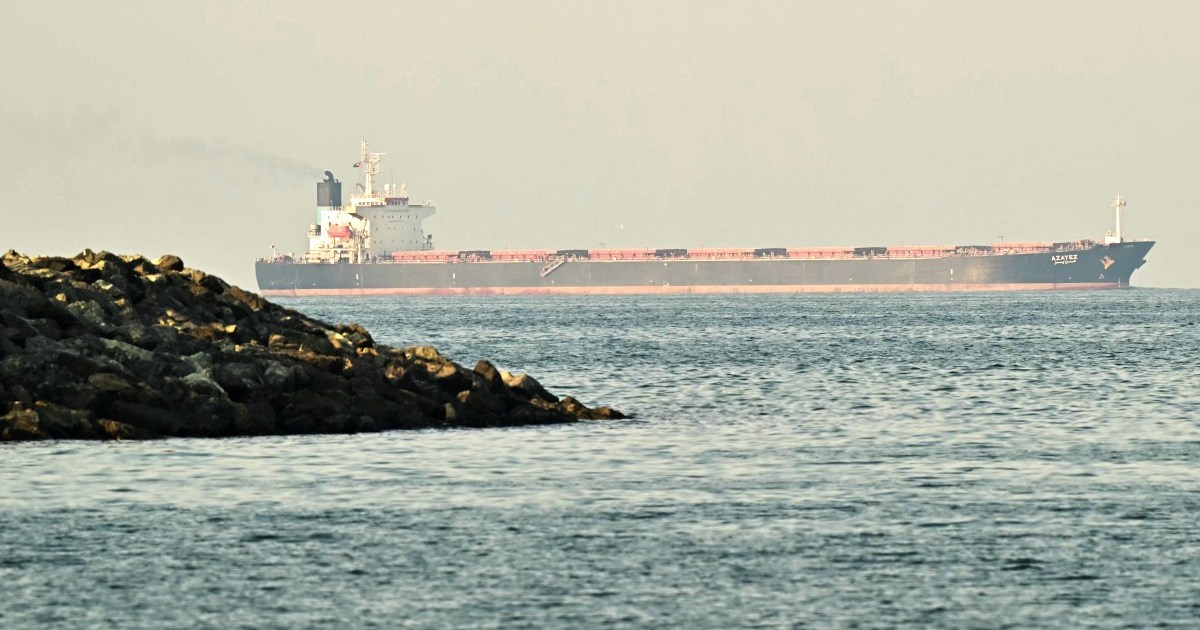
    At least nine commercial vessels have been targeted in attacks in or near the strait since the start of the conflict, prompting multiple insurance firms to cancel coverage for vessels in the Gulf.

    While traffic through the strait has not halted, it is down about 90 percent compared with normal levels, according to ship tracker MarineTraffic.

    “The uncertainty itself is probably the most dangerous part. Supply chains hate uncertainty,” Schiffling said.

    “It is possible to plan for almost anything, but not knowing what will happen makes it really challenging to adapt operations.”

    On Wednesday, Trump said he had ordered the US International Development Finance Corporation to start insuring shipping lines in the region in order to keep trade flowing.

    Trump also said the US Navy could begin escorting vessels through the strait if necessary.

    “As long as Israel and the US are able to suppress Iranian drone and missile attacks in the strait to the point that the bulk of the oil tankers gets through, and as long as the United States provides back-up insurance for shippers and their cargo, the global economy may make it through this war without a recession,” Kilian said.

    “On the other hand, if there is a severe disruption of oil traffic, the economic costs will grow the longer the disruption lasts.”

    Continue Reading

  • Short-term inflation hits households hard – Business

    Short-term inflation hits households hard – Business

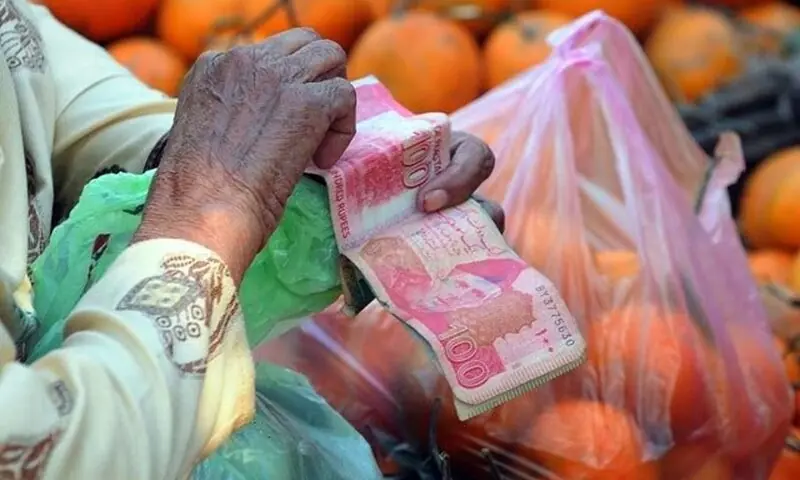
    ISLAMABAD: Short-term inflation, measured through the Sensitive Price Index (SPI), increased by 4.70 per cent year-on-year in the week ending 5 March, reflecting higher retail prices for petroleum products.

    Short-term inflation has persistently risen for the 31st consecutive week, indicating ongoing pressure on household budgets. The continuous increase is mainly caused by sharp rises in the prices of vegetables and other perishable foods, along with higher electricity tariffs and petrol prices.

    On a week-on-week basis, the SPI recorded a marginal increase of 0.37pc compared with the previous week, mainly due to higher prices of petrol, diesel, and liquefied petroleum gas, according to official data released on Friday.

    Short-term inflation is expected to increase further due to the ongoing conflict in the Middle East, which is disrupting the supply of essential commodities, especially petroleum products. The uncertainty in global energy markets has raised concerns about higher import costs and supply limitations, which could put additional pressure on domestic prices.

    Petroleum, food drive price hike for 31st week

    The government has already indicated that an increase in petroleum product prices is likely, warning that supply shortages may also emerge in the country if the situation persists. According to officials, a prolonged conflict in the region could intensify inflationary pressures by pushing up energy costs and affecting the availability of key imported commodities.

    A sharp rise in the retail prices of sugar and meat has also significantly contributed to the recent upward trend. Meat prices, in particular, have been increasing gradually, placing additional pressure on household budgets already strained by high food and energy costs.

    Weekly inflation earlier hit a record high of 48.35pc YoY in early May 2023. It then eased in the following years. The recent fluctuations in sugar, edible oil, pulses, and meat prices indicate that instability in essential food commodities continues to influence short-term inflation patterns, with consumers experiencing repeated cycles of price increases.

    The items, whose prices increased the most over the previous week included chicken (10.46pc), LPG (5.61pc), bananas (3.85pc), petrol (3.06pc), diesel (1.84pc), garlic (1.23pc), beef (0.66pc), mutton (0.65pc), pulse mash (0.51pc), lawn printed (0.43pc), gur (0.30pc) and mustard oil (0.24pc).

    The items whose prices declined week-on-week included tomatoes (10.04pc), eggs (8.13pc), onions (6.08pc), potatoes (5.09pc), wheat flour (2.40pc), pulse gram (0.50pc), pulse moong (0.43pc) and 5-litre cooking oil (0.37pc).

    However, on an annual basis, the items with the highest price increases included gas charges for Q1 (29.85pc), wheat flour (26.13pc), electricity charges for Q1 (17.33pc), LPG (16.89pc), chilli powder (15.20pc), beef (12.36pc), firewood (11.40pc), powdered milk (10.16pc), mutton (9.32pc), tomatoes (9.02pc), gur (8.51pc), and rice basmati broken (6.18pc).

    In contrast, the prices of potatoes fell by 53.76pc, followed by onions (26.10pc), eggs (24.93pc), garlic (22.25pc), chicken (21.70pc), pulse gram (21.37pc), salt powder (12.52pc), and pulse masoor (10.71pc).

    The index, comprising 51 items collected from 50 markets in 17 cities, is computed weekly to assess the prices of essential commodities and services more frequently. Data showed that the prices of 13 items increased, 11 decreased, and 27 remained stable compared to the previous week.

    Published in Dawn, March 7th, 2026

    Continue Reading

  • When neighbours stop knocking: The hidden impact of Canada’s 2025 tourism decline on US local labour markets

    The international agenda of the second Trump administration has far-reaching economic consequences. Sweeping tariffs have disrupted longstanding trade norms and raised import prices, affecting consumers and firms in the US and abroad (Clausing 2025, Kawasaki 2025, Amiti et al. 2026), while sharp breaks in global alliances have cooled economic relationships between the US and its closest allies (Gensler et al. 2025). But beyond these well-documented effects on goods trade and supply chains, geopolitical tensions also deter foreign visitors; and when visitors stop coming, the consequences for employment in tourism-dependent communities can be swift and concentrated.

    As a case in point, President Trump’s rhetoric about a possible acquisition of America’s northern neighbour, combined with escalating trade tensions, led to a 25% decline in Canadian visits to the US over the course of 2025 (Figure 1). This decline is economically meaningful. Tourism supports around 10 million US jobs and accounts for about 3% of GDP (US Department of Commerce 2026), while Canadians represented approximately 28% of the 72 million international visitors to the US in 2024. The episode echoes earlier instances in which geopolitical conflicts deterred foreign visitors with measurable consequences for host economies (Ahn et al. 2022, Greaney and Kiyota 2025).

    Figure 1 Canadian resident visitors to the US

    Notes: The figure shows the number of Canadian resident visitors returning to Canada from the US in each week of 2023, 2024, and 2025. Figures are in thousands of visitors. The percentage figure represents the change in 2025 relative to the average of 2023 and 2024.
    Source: Statistics Canada, Frontier Counts.

    In recent work (Kurmann et al. 2026), we present the first systematic evidence on how this negative demand shock affected US local labour markets. The shock is geographically concentrated in tourist-dependent destinations, sectorally confined to consumer-facing industries like leisure and hospitality and retail, and still actively developing. Accurately capturing its economic consequences therefore requires granular, high-frequency data not readily available from statistical agencies. To address this, we leverage two novel private-sector datasets.

    Our first dataset is smartphone foot-traffic data from Advan, covering more than 8 million points of interest across the US. Because Canada and the US share a highly integrated mobile device ecosystem, the data provider can identify devices with home locations in Canada that visit US businesses. This allows us to construct a precise measure of Canadian visitor exposure, at the level of individual ZIP codes and industries, before the tourism decline began. Our second dataset is real-time establishment-level records on weekly employment, hours worked, and hourly wage rates from Homebase, a scheduling and payroll administration platform used by over 150,000 small and medium businesses in the US, primarily in food services, retail, and leisure.

    Figure 2 illustrates the geographic distribution of our exposure measure, the share of foot traffic attributable to Canadian visitors in 2024, across US ZIP codes and service-sector industries. Canadian visitor shares are highest in border regions from Washington state to Maine, as well as major tourist hubs in California, Florida, and Nevada. While in most places, this share is small relative to the total number of visitors (which includes residents), some border communities derive a substantial fraction of their customer base from Canadian visitors – in some cases exceeding 10%.

    Figure 2 Exposure to Canadian tourism

    Notes: The figure shows the average weekly share of Canadian visitors relative to combined Canadian and US visitors across ZIP codes in 2024, for retail trade, and leisure and hospitality.
    Source: Authors’ calculations using Advan data.

    To infer the causal effect of the tourism decline on local labour markets, we compare employment, hours, and wages at establishments in highly exposed local markets, those where Canadian visitors account for roughly 1% or more of total foot traffic, to outcomes at less exposed establishments, before and after the tourism decline began in 2025. Our approach controls for local economic conditions, industry-wide shocks, and time-invariant establishment characteristics, so that differences in outcomes can be attributed to differential exposure to Canadian visitors.

    We find significant employment losses in highly exposed local markets, as shown in Figure 3. Employment at highly exposed and less exposed establishments tracked each other almost perfectly through 2024. Beginning in spring 2025, a sharp divergence opens up: employment in the most exposed markets starts falling relative to less exposed ones in March-April, deepens through the summer, and then persists through the end of 2025. By mid-2025, establishments in the most exposed markets employed roughly 6% fewer workers relative to comparable establishments in less exposed markets.
    Interestingly, we find no significant effects on average hours and hourly wages, indicating that the adjustment occurred almost entirely along the extensive margin, consistent with evidence from other demand shocks affecting service industries (Goolsbee et al. 2025, Kurmann et al. 2025).

    Figure 3 Canadian tourism decline and US local business employment

    Notes: The figure shows the event-study estimates of the effects of Canadian visits on weekly employment. 90% confidence intervals are in blue.
    Source: Authors’ calculations based on Advan and Homebase data.

    Scaling up from establishment-level estimates to national totals requires assumptions about the broader population of affected businesses. Under conservative assumptions – focusing on the small and medium establishments covered by Homebase and assuming no demand spillovers onto non-exposed local businesses – we estimate that the Canadian tourism decline cost between 14,000 and 42,000 jobs in exposed US markets. The wide range reflects different choices about which markets to count as exposed and whether to focus on the average effect for 2025 or on the period after the full effects were realised.

    While these numbers may be modest relative to total US employment, their geographic concentration is striking. The most exposed markets span only about 1,500 to 3,300 ZIP codes, home to between 9 and 26 million residents. In those communities, our estimates imply a persistent contraction of around 4% to 6% in retail and leisure-sector employment at small establishments, a substantial local shock.

    Several factors suggest the true employment losses are larger. As mentioned, we abstract from demand spillover effects onto neighbouring businesses, we do not track large establishments that are important in the hotel industry, and we cannot fully capture establishment closures. A growing literature shows that tourism generates significant local economic gains through demand spillovers onto non-tourism sectors (Faber and Gaubert 2019, Allen et al. 2020), suggesting that the indirect effects of the Canadian tourism decline may be non-negligible.

    The political geography of the shock is also noteworthy. ZIP codes most exposed to Canadian tourism are disproportionately likely to have voted Democratic in the 2024 presidential election and tend to have somewhat lower household incomes. This contrasts with the pattern documented for tariff retaliation in the US-China trade war, which primarily affected Republican-leaning counties (Fetzer and Schwarz 2019).

    The US-Canada case illustrates a channel of harm that trade policy debates often overlook. Beyond goods trade and supply-chain disruptions, geopolitical tensions can deter foreign visitors and hit the economy fast. Such shocks strike specific places and non-tradable sectors that may find it difficult to absorb the blow. Whereas major tourist destinations like Las Vegas or Miami may be able to offset the shock by attracting more domestic visitors, less prominent places such as communities along the US-Canada border may have less capacity to do so.

    More broadly, our analysis demonstrates that combining smartphone-based visitor origin data with high-frequency payroll records can deliver rapid, granular assessments of tourism disruptions as they unfold – well before traditional government statistics become available. This methodology provides a template applicable to future shocks, whether arising from geopolitical tensions, public health crises, or macroeconomic downturns.

    References

    Ahn, J, T M Greaney, and K Kiyota (2022), “Political conflict and angry consumers: Evaluating the regional impacts of a consumer boycott on travel services trade”, Journal of the Japanese and International Economies 65: 101216.

    Allen, T, S Fuchs, S Ganapati, A Graziano, R Madera, and J Montoriol-Garriga (2020), “Is tourism good for locals? Evidence from Barcelona”, Dartmouth College, mimeograph.

    Amiti, M, C Flanagan, S Heise, and D E Weinstein (2026), “Who is paying for the 2025 US tariffs?”, Liberty Street Economics, Federal Reserve Bank of New York, 12 February.

    Clausing, K (2025), “The aftermath of tariffs”, VoxEU.org, 29 August.

    Faber, B, and C Gaubert (2019), “Tourism and economic development: Evidence from Mexico’s coastline”, American Economic Review 109(6): 2245–93.

    Fetzer, T, and C Schwarz (2025), “Tariffs and politics: Evidence from Trump’s trade wars”, VoxEU.org, 23 April.

    Gensler, G, S Johnson, U Panizza, and B Weder di Mauro (2025), “The second Trump administration: Consequences for the ‘rest of us’”, VoxEU.org, 8 December.

    Goolsbee, A, C Syverson, R Goldgof, and J Tatarka (2025), “The curious surge of productivity in US restaurants”, NBER Working Paper 33555.

    Greaney, T M, and K Kiyota (2025), “Regional impacts of international tourism boycott: A China – Japan conflict”, Economic Inquiry, first published 3 December.

    Kawasaki, K (2025), “Economic impact of US tariff hikes: Significance of trade diversion effects”, VoxEU.org, 15 September.

    Kurmann, A, E Lalé, and L Ta (2025), “Measuring small business dynamics and employment with private-sector real-time data”, Journal of Public Economics 250: 105477.

    Kurmann, A, E Lalé, and J Martin (2026), “When neighbors stop knocking: The impact of Canada’s 2025 tourism decline on US local businesses”, CEPR Discussion Paper 21187.

    Moder, I, and T Spital (2026), “The risk of tariffs as a tool to attract manufacturing investment”, VoxEU.org, 8 January.

    US Department of Commerce (2026), “US travel and tourism fast facts”, International Trade Administration, National Travel and Tourism Office.
    Continue Reading

  • Ardmore Shipping Files 2025 Annual Report on Form 20-F

    HAMILTON, Bermuda, March 6, 2026 /PRNewswire/ — Ardmore Shipping Corporation (NYSE: ASC) (“Ardmore” or the “Company”) announced today that it has filed its Annual Report on Form 20-F for the year ended December 31, 2025 (the “Form 20-F”) with the U.S. Securities and Exchange Commission (the “SEC”).

    In compliance with the New York Stock Exchange rules, a copy of the Form 20-F can be found in the Investor Relations section of the Company’s website, www.ardmoreshipping.com, under SEC Filings. 

    About Ardmore Shipping Corporation

    Ardmore owns and operates a fleet of MR product and chemical tankers ranging from 25,000 to 50,000 deadweight tonnes. Ardmore provides, through its modern, fuel-efficient fleet of mid-size tankers, seaborne transportation of petroleum products and chemicals worldwide to oil majors, national oil companies, oil and chemical traders, and chemical companies.

    Ardmore’s core strategy is to continue to develop a modern, high-quality fleet of product and chemical tankers, build key long-term commercial relationships and maintain its cost advantage in assets, operations and overhead, while creating synergies and economies of scale as the company grows. Ardmore provides its services to customers through voyage charters, commercial pools, and time charters, and enjoys close working relationships with key commercial and technical management partners.

    Forward-Looking Statements

    The statements in this press release that are not historical facts may be forward-looking statements. These forward-looking statements involve risks and uncertainties that could cause the outcome to be materially different. These risks and uncertainties include, among others, those discussed in Ardmore’s public filings with the U.S. Securities and Exchange Commission. Ardmore undertakes no obligation to revise or update any forward-looking statements unless required to do so under the securities laws.

    Investor Relations Enquiries:
    Mr. Leon Berman
    IGB Group
    32 Broadway, Suite 1314
    New York, NY 10004
    Tel: 212-477-8438
    Fax: 212-477-8636
    Email: [email protected]

    Or

    Mr. Bryan Degnan
    IGB Group
    Tel: 646-673-9701
    Email: [email protected]

    SOURCE Ardmore Shipping Corporation

    Continue Reading

  • Nobel laureate Omar Yaghi on turning air into water for all – University of California, Berkeley

    1. Nobel laureate Omar Yaghi on turning air into water for all  University of California, Berkeley
    2. Device that can extract 1,000 liters of clean water a day from desert air revealed by 2025 Nobel Prize winner — claimed to work in desert air with 20% humidity or lower, delivering off-grid ‘personalized water’  Tom’s Hardware
    3. Meet Evelyn N. Wang: The scientist who wants to make every home produce its own water  The Times of India
    4. Who is Omar Yaghi? This Nobel Prize winner made a device that pulls 1,000 litres of water from desert Air  Moneycontrol.com
    5. New technology extracts drinking water from dry desert air  Earth.com

    Continue Reading

  • Access Denied


    Access Denied

    Access Denied

    The BLS is committed to providing data promptly and according to established schedules. Automated retrieval programs (commonly called “robots” or “bots”) can cause delays and interfere with other customers’ timely access to information. Therefore, bot activity that doesn’t conform to BLS usage policy is prohibited.

    We apologize for any inconvenience. If you believe we have made an error, please contact us.

    Please contact your administrator with the error code: 0.8c5e6cc1.1772832017.17f6c0d1

    Continue Reading

  • Access Denied


    Access Denied

    You don’t have permission to access “http://www.imf.org/en/publications/selected-issues-papers/issues/2026/03/06/structural-reforms-to-bolster-south-africas-business-environment-574497” on this server.

    Reference #18.f4641102.1772828298.29474260

    https://errors.edgesuite.net/18.f4641102.1772828298.29474260

    Continue Reading

  • Directors’ Deals: Plus500 trio ships £67.2mn in shares to Goldman Sachs – Financial Times

    Directors’ Deals: Plus500 trio ships £67.2mn in shares to Goldman Sachs – Financial Times

    1. Directors’ Deals: Plus500 trio ships £67.2mn in shares to Goldman Sachs  Financial Times
    2. Plus500 regulation, tech heads sell GBP1.8 million in shares  marketscreener.com
    3. Plus500 Discloses Series of Insider Share Sales by Chief Regulation Officer  TipRanks
    4. Plus500 CTO Discloses Sale of 20,000 Shares Under UK MAR Rules  TipRanks

    Continue Reading

  • From late-night shots to sipping with soda: how tequila took over | Life and style

    From late-night shots to sipping with soda: how tequila took over | Life and style

    Cracking open the tequila at the end of a long night rarely leads to good decisions. But for Tom Bishop, reaching for a bottle that had been gathering dust on his shelf proved life-changing. Having run out of beers while drinking with friends in 2017, Bishop dug out a bottle of premium Añejo tequila that his brother had given him after a business trip to Mexico. His expectations were low, informed by the throat-burning experiences of his youth. “But it completely blew me away,” Bishop remembers. “I just hadn’t associated tequila with that level of quality or flavour.”

    Having stumbled upon the spirit as it was meant to be enjoyed “by accident”, Bishop saw an opportunity. Two years later, he and Jack Vereker, a friend with whom he had been drinking in south-east London that night, sold their first bottle of their brand El Rayo, now stocked across the UK and part of tequila’s new wave.

    For decades, tequila was known as a party drink: something you did shots of to kick off or ramp up a big night, or enjoyed in cocktails on holiday. In recent years, however, tequila has shaken off its youthful, hedonistic image to become the fastest-growing spirit in the world.

    According to the global alcohol analyst IWSR, UK sales of tequila have grown by about 14% a year between 2019 and 2024. Though growth has slowed lately, the US has seen a similar explosion (it’s now the country’s second biggest spirit after vodka).

    Today tequila is not only driving innovation in cocktails with endless twists on the ever-popular margarita, but increasingly sought out and savoured for its own merits, sipped as an aperitif and even paired with food.

    “What we’re seeing in the UK isn’t just a tequila boom, it’s a complete reframing of the spirit,” says Nick Ward, a co-founder of Ark Drinks, a specialist marketing agency in London.

    The growth is being driven by at-home drinking, premium brands and aged styles of the spirit, showing that consumers are drinking better quality tequila, not just more.

    Behind the boom is the pandemic-era rise in cocktail culture, a trend towards drinking “less but better”, and a fatigue with gin. There’s also the influence of increased tourism to Mexico and growing global appreciation for its culture and cuisine. “Tequila was the right spirit, in the right place, at the right time,” says Ward.

    El Rayo benefited from that momentum and also helped accelerate it. In 2023, it became the first premium tequila brand costing more than £30 to be stocked by Sainsbury’s. The retailer has since added the premium brands Patrón and the George Clooney-founded Casamigos.

    A decade ago, UK consumers had little concept of tequila as a spirit you would reach for over vodka or gin – or even in the sober light of day. “I don’t think people really understood how to drink it, particularly at home,” Bishop says. “It wasn’t part of that moment when you shut your laptop at the end of the day, put on some music and reach for a drink.”

    It wasn’t pitched at the premium consumer either. Researching the UK market in 2017, Bishop found it to be geared towards hard-drinking male consumers and littered with lazy stereotypes. “It wasn’t a fair reflection on Mexico as a country today.”

    Sierra Tequila, the brand you could probably buy at your local corner shop and get change from £20, has a stylised guitar-toting, moustachioed hombre on its label and is capped off with a little plastic sombrero. Though the hat does have a function (serving as a measure, lime-squeezer and salt receptacle), the branding speaks loudest of Mexican theme nights and students looking to maximise drunkenness from minimum spend.

    In fact, tequila can be as refined and complex as rum or any other aged spirit. Tequila blanco (or silver tequila) is consistently the most popular type in the UK, accounting for roughly two-thirds of the market by volume in 2024, according to IWSR. It is the purest form, bottled immediately or within 60 days of distillation – and the most common culprit for that burning sensation. Experienced as intended, however, there should be distinct notes of agave, citrus and pepper against a grassy, vegetal backdrop.

    Illustration: Lisa Sheehan/The Guardian

    The recent “premiumisation” of tequila has driven interest in other types of the spirit, notably reposado and añejo. Both are aged in wooden barrels, reposado for between two and 12 months, and añejo for between one and three years, resulting in golden to amber hues and notes of oak, vanilla, caramel and spices.

    In their richness and complexity, they have more in common with whisky than the harsh, clear, rubbing-type alcohol you might associate with tequila. Throw in mezcal – made from the roasted hearts of agave plants, resulting in a smoky flavour – and the category of “tequila” encompasses a diversity of flavours and expressions, which many consumers are now waking up to.

    From a bartender’s perspective, very few spirits are as versatile, says Lucia Montanelli, the manager of the Vesper Bar at the Dorchester Hotel in London. Tequila pairs well with a range of flavours – fruity, herby, umami, earthy, smoky, sweet – while holding its own against them. “Rather than disappearing in the mix, it elevates it,” says Montanelli.

    That distinct identity – characterful without being overpowering – is why people are increasingly plumping for tequila-based drinks over gin or vodka, she adds. “Vodka is often selected for its neutrality, while gin is driven by botanicals that can sometimes dominate a drink – tequila sits comfortably in between.”

    Indeed, tequila and tonic with a grapefruit slice has long been favoured by bartenders and others in the know as a more lively order than G&T or vodka-soda, which is just as straightforward to make.

    Pritesh Mody, a cocktail consultant and the creative director of Think Drinks, says tequila’s reputation began to shift with growing celebrity endorsements through the 2010s, notably Casamigos, co-founded by George Clooney in 2013. When it was sold four years later to Diageo, the British giant behind Guinness, Johnnie Walker and Smirnoff, for $700m (£510m), the global drinks industry sat up and took note.

    That deal opened the floodgates for “every celebrity and their dog” to jump on the tequila bandwagon. Now Dwayne “the Rock” Johnson, Matthew McConaughey, Arnold Schwarzenegger, LeBron James, Nick Jonas, Eva Longoria and Rita Ora all have their own brands.

    Not all of them has raised the bar for the category, or even met it, Mody says. Founded in 2020, Kendall Jenner’s 818 Tequila has become one of the fastest growing brands in the US thanks to Insta-friendly partnerships with Coachella and Nascar, and its celebrity founder’s following among young women. But Jenner has faced accusations of cultural appropriation for online promotions showing her traipsing through agave fields, her hair in braids, and playing cowboy with a horse. Though those 2021 Instagram posts have since been deleted, a class action lawsuit was lodged against 818 Tequila’s parent company last September, alleging its products were falsely marketed as “100% agave”; the brand filed to dismiss it in January and denies the allegation.

    Mody used to have a bottle, but it has vanished from his shelf. “I probably gave it away,” he says. He shudders when he recalls the “sweet, orangey” taste. “It’s almost like a cocktail in a bottle.”

    It speaks to the challenge to protect tequila’s integrity and authenticity through the global gold rush. As a legally defined and protected spirit in Mexico, it is even more heavily regulated than Scotch whisky and French cognac.

    In order to be sold as tequila, a beverage must contain between 35% and 55% alcohol content, be made from the blue weber agave and produced in the Tequila region to exacting standards set by Mexico’s Tequila Regulatory Council. (Mezcal, made from a range of agave species, mostly in the Oaxaca region, has a more permissive definition, and has also seen rising sales.)

    “It’s not like someone can just go down to their garden shed and make some tequila if they feel like it,” says Bishop, recalling his own experience of getting El Rayo approved. “It can be a bit onerous at times, but it does a great job for quality control.”

    Indeed, that heritage has been more of a selling point in the UK than all the famous faces, with premium brands like El Rayo’s emphasis on provenance and production helping to shift the conversation. “You can tell a real story with tequila: it’s been aged in a barrel, it was grown with this type of agave, it’s been hand-cut,” says Mody.

    Premium premixed cocktail brands such as Moth and Whitebox have helped to connect the dots between familiar orders like the margarita and their base spirit, while popularising up-and-comers like the paloma (made with grapefruit soda). Founded in 2021, Moth trumpets its use of craft Tequila Enemigo and sells tequila-specific packs, while El Rayo sells its Plata tequila in cans premixed with tonic. Beverage giants such as Schweppes have followed suit.

    There is a danger that the craze for tequila everything will dilute its heritage and craft. Already, through the global boom, some producers have been making use of artificial sweeteners and other additives, potentially compromising the spirit’s flavour and authenticity.

    Under the Tequila Regulatory Council’s rules, even bottles labelled “100% agave” – widely taken as a marker of quality – may comprise up to 1% additives, prompting some producers (including El Rayo) to market themselves as “additive-free”.

    The drive to capitalise on the thirst for tequila and push the category forward risks distracting from the fundamentals, says Bishop. “The big thing to watch out for is that it doesn’t innovate too fast … There will come a time for flavours.” In the meantime, he says, consumers are still waking up to tequila’s transformation. “We’re trying to turn tequila into the first drink of the night, not the last.”

    Mexican wave: five ways to drink tequila now

    Tommy’s margarita

    A stripped-back take on the classic margarita, omitting the orange liqueur. Combine 50ml blanco tequila, 25ml freshly squeezed lime juice and 15ml agave syrup in a shaker, shake vigorously, then serve straight in a martini glass or on the rocks in a tumbler.

    Picante

    Photograph: Soho House

    To create Soho House’s signature cocktail, put 60ml tequila, half a red chilli and some coriander leaves into a cocktail shaker and gently crush or “muddle” it. Add 25ml agave syrup or honey, 30ml lime juice and some ice, then shake. Strain into a tumbler, and garnish with a chilli slice and a sprig of coriander.

    Swicy margarita

    If you’ve got hot (chilli-infused) honey to use up, put 1tbsp into a cocktail shaker with ice, 60ml blanco tequila, 1tbsp orange liqueur and 2tbsp lime juice. Shake vigorously, then serve in a tumbler. For the rim, mix chilli powder into the salt.

    Tequila old-fashioned

    Photograph: Getty Images

    An easy way to branch out from blanco. Put 2-3tsp agave syrup, a dash of Angostura bitters and an orange peel (or a dash of orange bitters) in a tumbler, and stir to combine. Fill the glass with ice, pour over 50ml añejo tequila and stir. Garnish with a maraschino cherry.

    Paloma champagne cocktail

    A straightforward tequila cocktail perfect for brunch. Combine 25ml blanco tequila, 50ml pink grapefruit juice and 12.5ml lime juice in a cocktail shaker with ice. Shake well, then strain into a champagne flute and top up with champagne.

    Continue Reading

  • Navigating inflation and employment in an era of supply shocks and AI

    Navigating inflation and employment in an era of supply shocks and AI

    Speech by Isabel Schnabel, Member of the Executive Board of the ECB, at the 2026 US Monetary Policy Forum

    New York, 6 March 2026

    The post-pandemic inflation surge placed severe strain on our societies, fuelled political frustration and amplified institutional distrust. It also hit the most vulnerable hardest – those with low incomes and without real assets.

    But although the scars of this episode are still visible, pressure is building on central banks around the world to shift their focus away from inflation and towards growth. These calls are emerging at a time when central bank independence is under mounting pressure and fiscal consolidation is being constrained by deep political polarisation.[1]

    In the euro area, these arguments are sometimes framed as a push for a dual mandate, urging the ECB to place greater weight on employment alongside price stability, often drawing explicit comparisons with the Federal Reserve’s statutory objectives.

    In my remarks today, I will argue that a dual mandate rarely leads to fundamentally different policy prescriptions. In a world marked by more frequent supply-side shocks, the main challenge of central banks, regardless of their mandate, is to preserve a credible commitment to price stability.

    I will also draw lessons for monetary policy today and discuss the implications of the rise of artificial intelligence (AI), which could boost productivity and help ease the supply-side constraints arising from reduced immigration and demographic ageing.

    From stagflation to central bank independence

    Calls for central banks to prioritise growth often appear intuitively reasonable. Growth creates jobs, raises incomes and strengthens the fabric of society.

    During the 1960s and 1970s, many central banks responded to exactly this logic. They often subordinated monetary policy to fiscal and political objectives, adopting policies explicitly aimed at sustaining growth and keeping unemployment low.

    History has shown that such policies can come at a high cost. Across countries, inflation rose sharply in the 1970s, forcing central banks to aggressively tighten monetary policy, resulting in a surge in unemployment (Slide 2). Stagflation severely eroded trust in economic institutions.

    This experience gave rise to the institutional framework we rely on today: independent central banks with clear mandates to anchor inflation expectations through credibility. This framework is built on the modern consensus of a vertical long-run Phillips curve, which invalidates the pre-1960s view of a stable, exploitable inflation-unemployment trade-off.[2]

    Yet, different economies drew lessons in different ways. Some, like the euro area, chose a single central bank mandate focused squarely on price stability, with growth and employment treated as secondary objectives. Others, like the United States, opted for a dual mandate, explicitly balancing price stability with maximum employment.

    Although policy paths have not always been fully aligned across these frameworks, both have ultimately succeeded in delivering price stability and anchoring inflation expectations.

    This shared success raises two deeper questions relevant to today’s debates.

    First, how does the conduct of monetary policy under a single mandate differ in practice from that under a dual mandate? Do these mandates produce materially different policy responses, or does the inflation process impose constraints that are more similar than the institutional language would suggest?

    Second, if the institutional framework was built to avoid repeating the mistakes of the past, what risks arise today when central banks are asked to place greater weight on employment? Have changes in labour markets, central bank credibility and the nature of inflation made these risks more manageable than before?

    Single and dual mandates often lead to similar policies

    The answer to the first question is that the distinction between a single and a dual mandate is often largely inconsequential. In practice, stabilising inflation and stabilising employment often lead to the same policy response.

    For demand-driven fluctuations, this is self-evident.

    When demand weakens, inflation tends to fall and unemployment rises. In this case, both a price stability mandate and an employment mandate point towards monetary policy easing. Conversely, when demand overheats, inflation rises and labour markets tighten. Then both mandates point towards monetary policy tightening.

    This insight closely resembles what economists call the “divine coincidence”: in a typical business cycle, monetary policy stabilises demand in a way that keeps both inflation and employment close to their desired levels.

    The dual mandate only truly “bites” when stabilising inflation requires accepting weaker employment outcomes. But even if such a trade-off arises, both mandates often lead to similar policies.

    The pandemic provides a recent illustration.

    When inflation surged, central banks around the world – whether operating under a single mandate or pursuing explicit employment objectives – responded with comparable vigour, even if doing so meant tolerating higher unemployment (Slide 3).

    The reason is straightforward: once the combination of excess savings, rising energy prices and disrupted global supply chains began to feed into inflation expectations and second-round effects, restoring price stability to limit the broader economic fallout became the overriding task.

    As a result, the scope for divergence was limited. Monetary policy had to ensure that supply-side shocks did not translate into persistently higher inflation.

    The same logic also works in reverse.

    In the euro area, once the disinflation process was firmly under way and medium-term inflation expectations remained anchored, the ECB began to remove policy restriction, even though domestic inflation was still elevated.

    This decision reflected a forward-looking assessment: maintaining an overly restrictive stance for too long would have risked imposing unnecessary economic costs in terms of weaker growth and higher unemployment.

    The experience during the pandemic thus illustrates an important point: a central bank with a single mandate is not indifferent to employment outcomes. It recognises that price stability must be secured in a manner that minimises avoidable volatility in output and labour markets.

    This is closely mirrored in the ECB’s mandate: price stability is the primary objective, while support for employment is conditional on it – that is, “without prejudice to the objective of price stability”.[3]

    For a central bank with a dual mandate, monetary policy is better understood as a balancing exercise rather than a lexicographic ordering.[4] Still, inflation imposes a constraint: employment can be supported only insofar as inflation remains consistent with price stability; once inflation deviates sustainably, the scope for employment support narrows sharply.

    In practice, many central banks therefore operate in remarkably similar ways, regardless of the formal structure of their mandates. The broad consensus, built over decades, is that without price stability, maximum employment cannot be sustained.

    The real distinction between mandates may therefore lie less in day-to-day policy decisions and more in communication, accountability and the political economy of central banking.

    Pandemic revealed limits of supporting employment

    This brings me to the second question: if the institutional framework of inflation targeting and central bank independence emerged because attempts to foster employment proved destabilising, then why would one think that asking central banks to pay more attention to employment today would lead to better outcomes?

    The pandemic offers three lessons suggesting this confidence may be misplaced.

    More frequent supply shocks make monetary policy more challenging

    The first is that monetary policy becomes more of an art than a science when supply shocks become more prevalent.[5]

    In the years before the pandemic, policymakers increasingly came to believe that the Phillips curve was flat, as inflation proved remarkably unresponsive to tightening labour markets (Slide 4).[6]

    This experience helped explain why major central banks, including the ECB, entered the pandemic with policy settings that were historically accommodative, designed to tighten labour markets, strengthen wage growth and ultimately lift inflation back to target on a sustained basis.

    This growing conviction, however, fostered a misconception: namely that inflation could not re-emerge rapidly under certain conditions.

    In reality, the slope of the Phillips curve only tells us how inflation responds to changes in slack, holding other shocks constant. But a very flat curve does not imply immunity from inflation.

    That is what we saw during the pandemic.

    While strong demand played a role, the inflation episode was not simply a movement along a stable Phillips curve. Instead, we saw a steepening of the curve and large upward shifts, driven by supply bottlenecks, energy shocks and changes in price-setting behaviour and inflation expectations.[7]

    Looking ahead, the global economy is likely to be exposed more frequently to such supply-side disturbances – from energy price spikes and trade fragmentation to climate-related shocks. The recent escalation of the conflict in Iran, which has heavily affected energy markets and shipping routes, serves as a stark reminder of this vulnerability.

    As a result, managing inflation – regardless of whether central banks have single or dual mandates – is not about fine-tuning unemployment along a stable Phillips curve; it is about credibly committing to the inflation target.

    In today’s more volatile world, policy cannot rely on established empirical relationships. It must operate under uncertainty about the type, size, persistence and transmission of shocks. Judgement then becomes as important as models, and credibility becomes the central policy asset.

    In response to these insights, major central banks have adjusted their policy frameworks.

    The Federal Reserve has moved away from its flexible average inflation targeting approach, which had emphasised making up for past shortfalls by allowing inflation to run above target for some time. In the same vein, the ECB in its latest strategy statement no longer highlights a willingness to allow inflation to overshoot.[8]

    Running the economy hot can fuel second-round effects

    The second lesson is closely related: putting too much emphasis on employment can make it more difficult to control inflation.

    A key lesson from the pandemic is that when labour markets are tight, supply shocks transmit more forcefully into prices and wages.

    Second-round effects play an important role in understanding this mechanism.

    When unemployment is low and vacancies are high, workers have more bargaining power to recover real wages after an inflation shock. At the same time, firms are more likely to pass higher input costs into output prices to protect their margins when demand is strong enough to tolerate price increases.

    These processes can take place even when longer-term inflation expectations remain anchored.

    This is essentially what we observed during the pandemic inflation surge.

    In 2021 and 2022, the wage drift – reflecting firm-level adjustments, bonuses and labour market pressures beyond negotiated agreements – was a dominant driver of growth in compensation per employee in the euro area (Slide 5, left-hand side).

    In a tight labour market, employers typically offer newly hired or incumbent employees higher wages than those set out in prevailing collective agreements.[9]

    At the same time, firms were quick to pass on rising input costs to consumers. Many firms began to adjust prices far more frequently than they had done previously, reflecting demand conditions that were sufficiently robust to accommodate this pass-through (Slide 5, right-hand side).[10]

    In that sense, running the economy hot may make second-round effects more likely – and once these take hold, monetary policy would need to tighten more aggressively to prevent a wage-price spiral, eroding earlier employment benefits.

    Supply-side constraints make expansionary policy less effective

    The third lesson is that expansionary policies become less effective in stimulating employment once the economy is close to its potential.

    In the years following the sovereign debt crisis, the euro area economy operated below capacity. Unemployment was high, labour force participation was depressed and large parts of the workforce were either underemployed or discouraged.

    In this environment, an accommodative monetary policy stance delivered tangible gains. Existing slack was gradually reabsorbed, participation increased and unemployment fell (Slide 6, left-hand side). Monetary policy helped bring idle resources back into productive use.

    But once slack was absorbed, policy began to run into diminishing marginal returns.[11] Matching frictions became more and more important, slowing the pace at which unemployment could fall and driving up the vacancy-to-unemployment ratio (Slide 6, right-hand side).

    In such an environment, additional demand stimulus cannot sustainably increase employment. In fact, a large part of the improvement in euro area labour markets observed in recent years reflected supply‑side responses rather than demand stimulus.[12]

    In particular, rising participation and a significant influx of foreign workers helped expand the labour force and alleviate shortages. Foreign‑born workers accounted for around half of labour force growth in recent years, helping firms meet demand and significantly contributing to GDP growth (Slide 7).

    In that sense, over the past 15 years, the euro area economy has transitioned from a primarily demand-constrained regime to one in which supply constraints have become more prevalent.

    And in a supply-constrained environment, expansionary demand policies become a less effective tool for increasing employment or growth.[13]

    Implications for monetary policy today

    What do these lessons imply for monetary policy today?

    Euro area inflation is projected to be at our 2% target over the medium term.

    In the near term, the recent spike in energy prices following the tensions in Iran makes the inflation path more uncertain. However, as long as deviations from our target – in either direction – remain temporary and small with well-anchored inflation expectations, they are of limited relevance for policy decisions, as they naturally occur when an economy is exposed to volatile energy prices (Slide 8).

    What matters for monetary policy is the medium-term outlook – that is, whether underlying price dynamics and wage developments are consistent with the target over the policy-relevant horizon. Judged on this basis, the lessons from the pandemic suggest that policymakers must tread carefully.

    Inflation could re-emerge with tight labour markets and strong domestic demand

    Although vacancy rates have declined from historical peaks, labour markets across the euro area remain tight by most conventional metrics. Unemployment is low by historical standards and is below estimates of the natural rate of unemployment (Slide 9, left-hand side). Firms in many sectors continue to report difficulties in filling positions (Slide 9, right-hand side).

    This tightness directly feeds into wages.

    While negotiated wage growth is expected to moderate, overall compensation per employee remains elevated relative to levels consistent with stable inflation (Slide 10). Wage drift continues to add to total labour costs in an environment where labour is becoming structurally scarcer owing to rapid demographic ageing, moderating immigration and rising skill mismatches.

    This constellation of factors poses upside risks to the future trajectory of domestic inflation, particularly in labour-intensive services where wages account for a large share of total costs and the pass‑through tends to be gradual but persistent.

    At the same time, expansionary fiscal policy is increasingly underpinning aggregate demand, pushing the economy towards its potential or even beyond it (Slide 11, left-hand side). In the manufacturing sector, new orders and expectations for future output have risen markedly and are now at their highest levels since the Russian invasion of Ukraine four years ago (Slide 11, right-hand side).

    In parallel, governments are actively responding to shifts in the global trade and security order. New trade agreements are opening alternative markets that should help offset part of the slowdown in trade with the United States.

    Efforts are also intensifying to better leverage the EU’s Single Market. Governments are reducing internal barriers to further strengthen both domestic demand and resilience.[14]

    Moreover, empirical evidence suggests that the ongoing adjustment in global trade patterns is unlikely to have a material impact on the euro area inflation outlook.

    ECB staff analysis finds that the estimated impact of trade diversion from China on the euro area is modest and statistically insignificant (Slide 12, left-hand side).[15] Even under extreme counterfactual scenarios in which imports from China rise markedly and import prices fall noticeably, the estimated impact on core inflation would remain small.[16]

    The exchange rate does not materially alter this picture. Since last summer, the euro has remained broadly stable in both nominal and real effective terms, including against the Chinese renminbi (Slide 12, right-hand side).

    Most of the appreciation observed in the first half of last year can be interpreted as a sign of confidence in the euro and in Europe’s economic potential at a time of elevated geopolitical uncertainty.

    The upshot is that, with tight labour markets and strengthening domestic demand, price pressures could re-emerge if demand outpaces supply. The lessons from the pandemic suggest that, in this environment, central banks should focus on anchoring expectations rather than trying to fine-tune economic activity.

    Higher productivity driven by AI may ease monetary policy stance endogenously

    Central to understanding the evolving balance between supply and demand, and its implications for price stability, is whether technological progress driven by AI can meaningfully relax supply-side constraints arising from declining immigration and demographic ageing.

    A critical but unresolved question is whether AI will be labour-augmenting or labour-substituting. History suggests that, at least over the medium to long run, most general-purpose technologies, including digital technologies, enhance labour rather than replace it (Slide 13).[17]

    Recent firm-level evidence points in a similar direction: AI adoption appears to be associated more with task reallocation and productivity gains than with broad-based employment losses.[18]

    The challenge for central banks lies in identifying the effects of AI in real time. As with digital technologies in the 1990s, the adoption and widespread use of AI technology may take time to unfold, and early signals of productivity gains may be fragmented and slow to appear in macroeconomic data.

    This was essentially Alan Greenspan’s wager at the time: he recognised that potential output was rising even before it was visible in headline statistics, and he was ultimately proven right when productivity growth surged.

    Also today, central banks need to consider the possibility that accelerating investment expenditure could be foreshadowing a rise in the economy’s supply potential.

    In this case, the monetary policy stance would ease endogenously, as higher productivity growth raises the marginal product of capital, which in turn increases the equilibrium real interest rate.[19] And if the equilibrium real rate rises, leaving policy rates unchanged would automatically imply a more accommodative stance, unless inflation fell at the same pace.[20]

    In that sense, central banks would already be accommodating the AI shock simply by not tightening, allowing the economy to expand without generating undue inflationary pressures.[21]

    In the euro area, expectations of stronger underlying growth, bolstered by the German fiscal package and a growing European reform momentum, have already led to a measurable and persistent rise in real distant forward rates – a widely-used market-based measure of the natural rate of interest (Slide 14, left-hand side). This trend could be reinforced by rising investment in and adoption of AI.

    However, today’s conditions call for greater prudence than in the late 1990s for two main reasons.

    The first is that, at the time, productivity data already showed signs of acceleration by the mid-1990s. The Federal Reserve did not bet on purely hypothetical gains.

    Today, by contrast, productivity growth remains subdued, at least in the euro area, and there is considerable uncertainty around the timing, scale and distribution of the productivity effects of AI. The transmission into measurable aggregate productivity may be gradual, uneven across sectors and accompanied by transitional frictions.[22]

    In fact, in the short run AI is more likely to be inflationary than disinflationary.[23] It requires large investments in energy-intensive data centres and may create new bottlenecks in specialised chips and skilled labour.

    The second reason for greater prudence today is that the stakes are arguably higher.

    The long period of elevated inflation, and the marked rise in the frequency of supply shocks, has left inflation expectations more fragile than in the past, as shown by the ECB’s Consumer Expectations Survey.[24]

    Despite the significant progress we have made in bringing inflation down, median inflation expectations remain elevated across horizons, while mean inflation expectations have been creeping up even before the recent energy price shock (Slide 14, right-hand side).

    In this context, the costs of misjudging the balance between supply and demand are higher.

    If central banks were to accommodate aggregate demand based on AI optimism and inflation were to resurge, the loss of credibility would be severe. It could also fuel financial stability risks at a time when market participants are already concerned about potential overvaluations.

    A prudent approach, therefore, is to let the data guide policy rather than relying on a still speculative narrative.

    Conclusion

    All in all, and with this I would like to conclude, the ECB’s price stability mandate is well-equipped and robust to deal with the challenges central banks face today. It provides a firm anchor in a world marked by more frequent supply-side shocks, and it is flexible enough to accommodate temporary deviations from target while keeping policy firmly focused on the medium term.

    In this volatile world, the lessons from the pandemic suggest that central banks should resist the temptation to fine-tune the economy, accommodate fiscal policy or deliberately run the economy hot in pursuit of marginal short-term gains. The costs of misjudgement can be significant: credibility, once eroded, is difficult to rebuild.

    Current monetary policy in the euro area is firmly grounded in these lessons. With inflation projected to be at our target over the medium term and inflation expectations anchored, monetary policy remains in a good place.

    But we cannot be complacent. We need to be vigilant as the current geopolitical and macroeconomic environment creates upside risks to inflation over the policy-relevant horizon. In particular, we must carefully monitor the persistence of the energy price shock, its impact on inflation expectations and any indication that firms start passing through higher input costs to their customers.

    Over time, the adoption and widespread use of new technologies like AI could expand supply, raise the natural rate of interest and relieve some of these structural constraints. The task of monetary policy will be to identify these forces and calibrate policy appropriately.

    Thank you.

    Continue Reading