Category: 3. Business

  • Today in Energy – U.S. Energy Information Administration (EIA)

    Today in Energy – U.S. Energy Information Administration (EIA)

    Filter by article type:


    In-brief analysis

    Apr 6, 2026


    Data source: U.S. Energy Information Administration, Company Level Imports
    Note: Medium crude oil grades refer to crude oils with an API gravity between 22 degrees and 38 degrees, and sour refers to any crude oil with a sulfur content of 0.5% or greater; Middle East Gulf refers to imports from Bahrain, Iraq, Kuwait, Oman, Qatar, Saudi Arabia, and the United Arab Emirates.


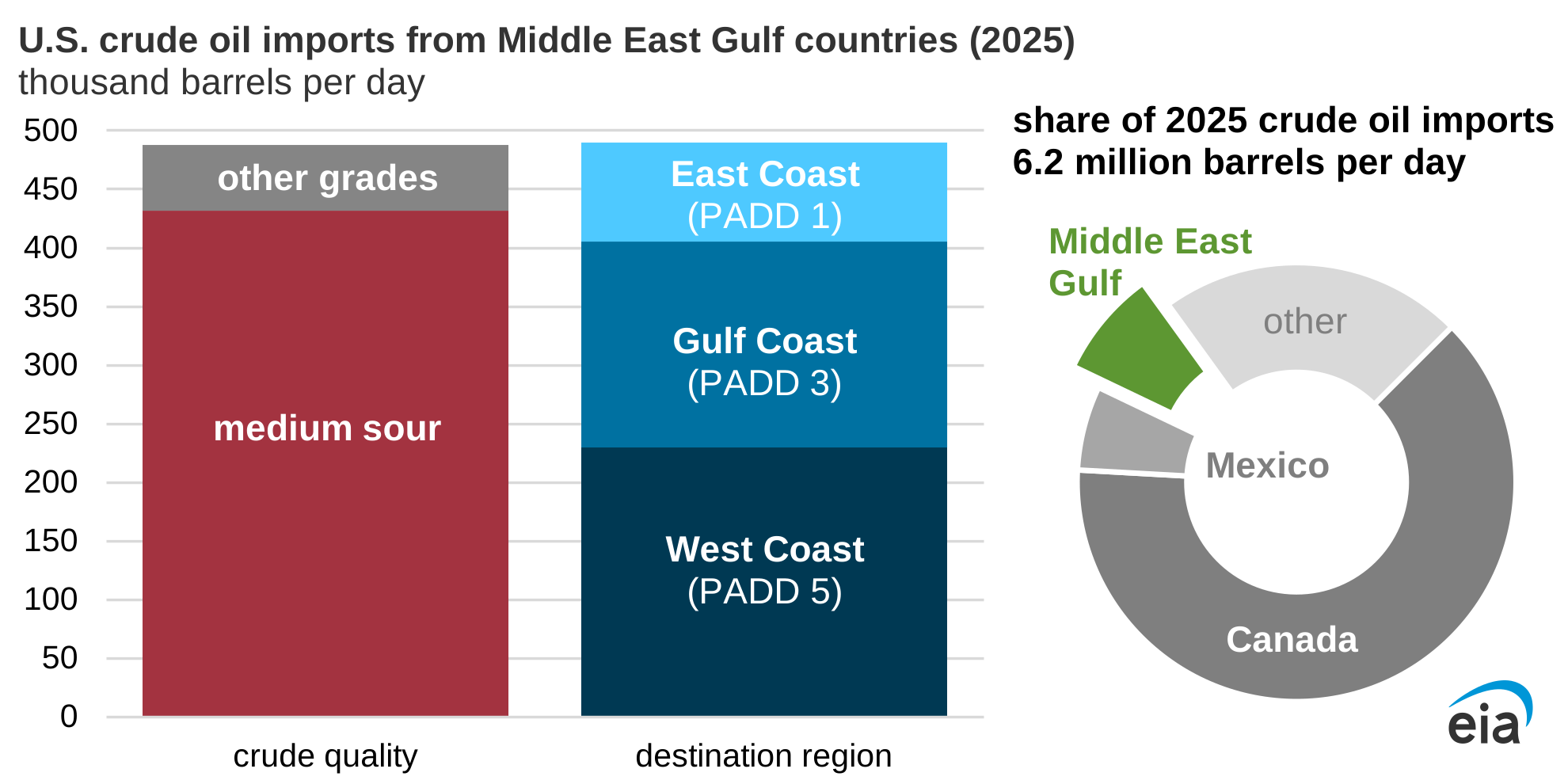
    In 2025, the United States imported an average of 490,000 barrels per day (b/d) of crude oil from the Middle East Gulf region—Bahrain, Iraq, Kuwait, Oman, Qatar, Saudi Arabia, and the United Arab Emirates (UAE). Crude oil imports from the region are primarily medium sour grades of crude oil and flow mainly into the West Coast and Gulf Coast of the United States.

    Read More ›


    In-brief analysis

    Apr 2, 2026


    Puerto Rico cumulative operating capacity by energy source


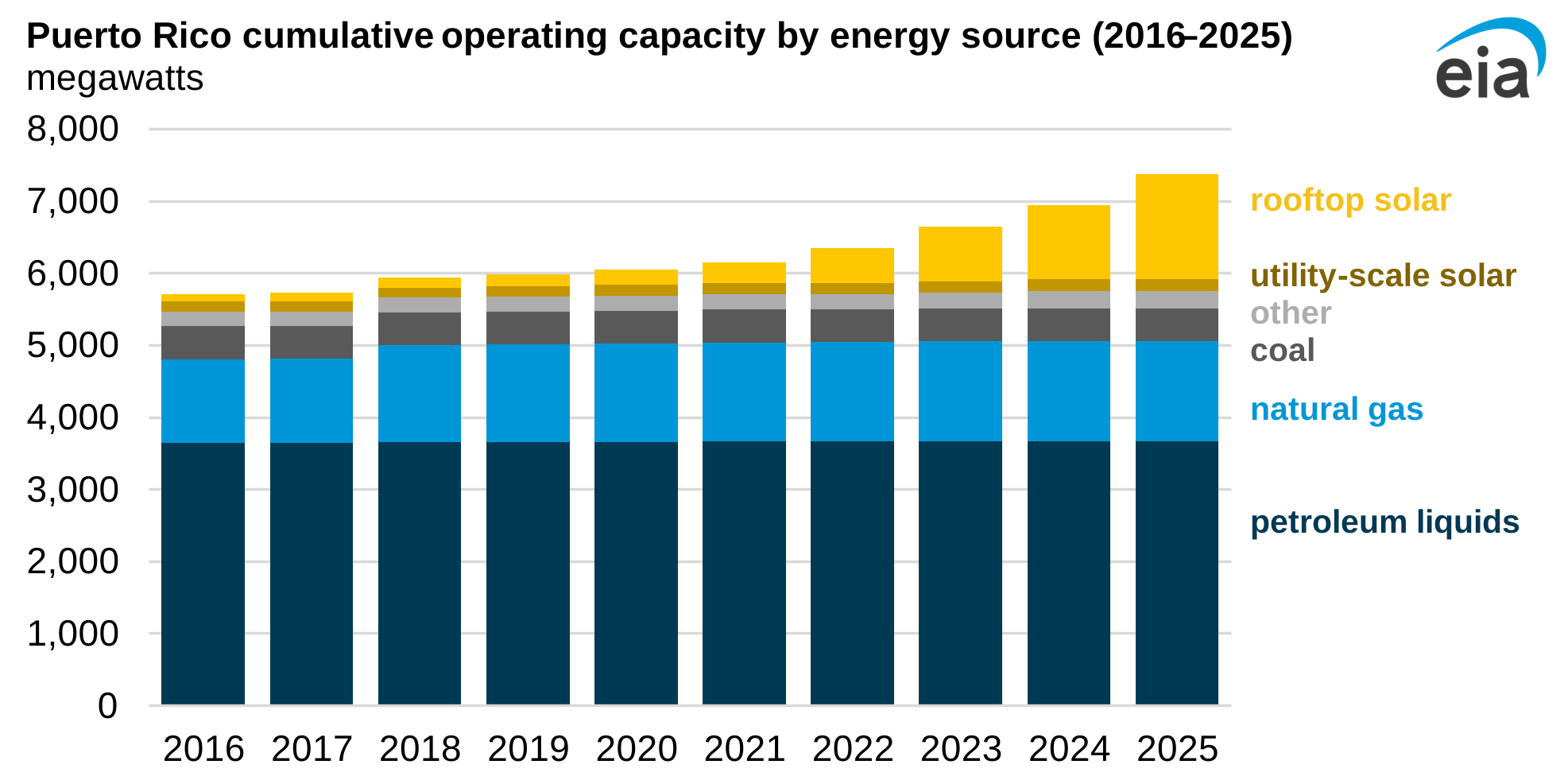
    Rooftop solar generating capacity in Puerto Rico totaled 1,456 megawatts (MW) at the end of 2025, 20% of the overall capacity mix. Rooftop solar capacity has increased faster than other sources over the past decade. Between 2016 and 2025 rooftop solar installations accounted for 81% of the new generating capacity in Puerto Rico, according to data from our Electric Power Monthly and Puerto Rico Energy Bureau’s (PREB) Quarterly Report on System Data. In 2025, rooftop solar became the second-largest capacity source, after petroleum liquids capacity (3,671 MW), and surpassed natural gas capacity (1,391 MW).

    Read More ›


    In-brief analysis

    Apr 1, 2026


    U.S. coal exports


    Data source: U.S. Census Bureau


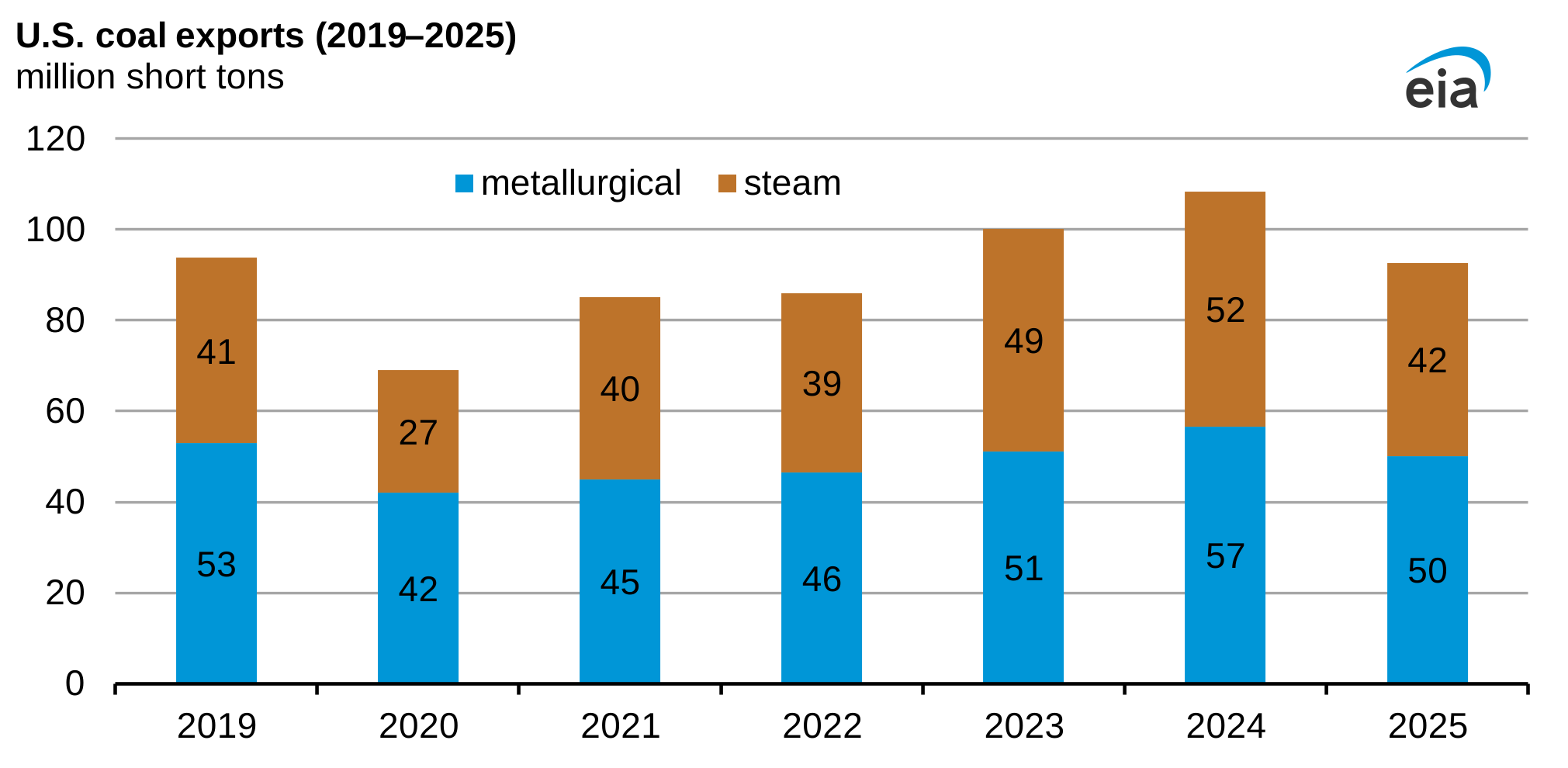
    After four years of growth, U.S. coal exports decreased by 16 million short tons (MMst) in 2025, according to data released by the U.S. Census Bureau. Exports totaled 93 MMst in 2025, compared with 108 MMst in 2024. Thermal coal exports fell by 18%, and metallurgical coal exports fell by 11%.

    Read More ›


    In-brief analysis

    Mar 31, 2026


    U.S. crude oil production by select region, monthly


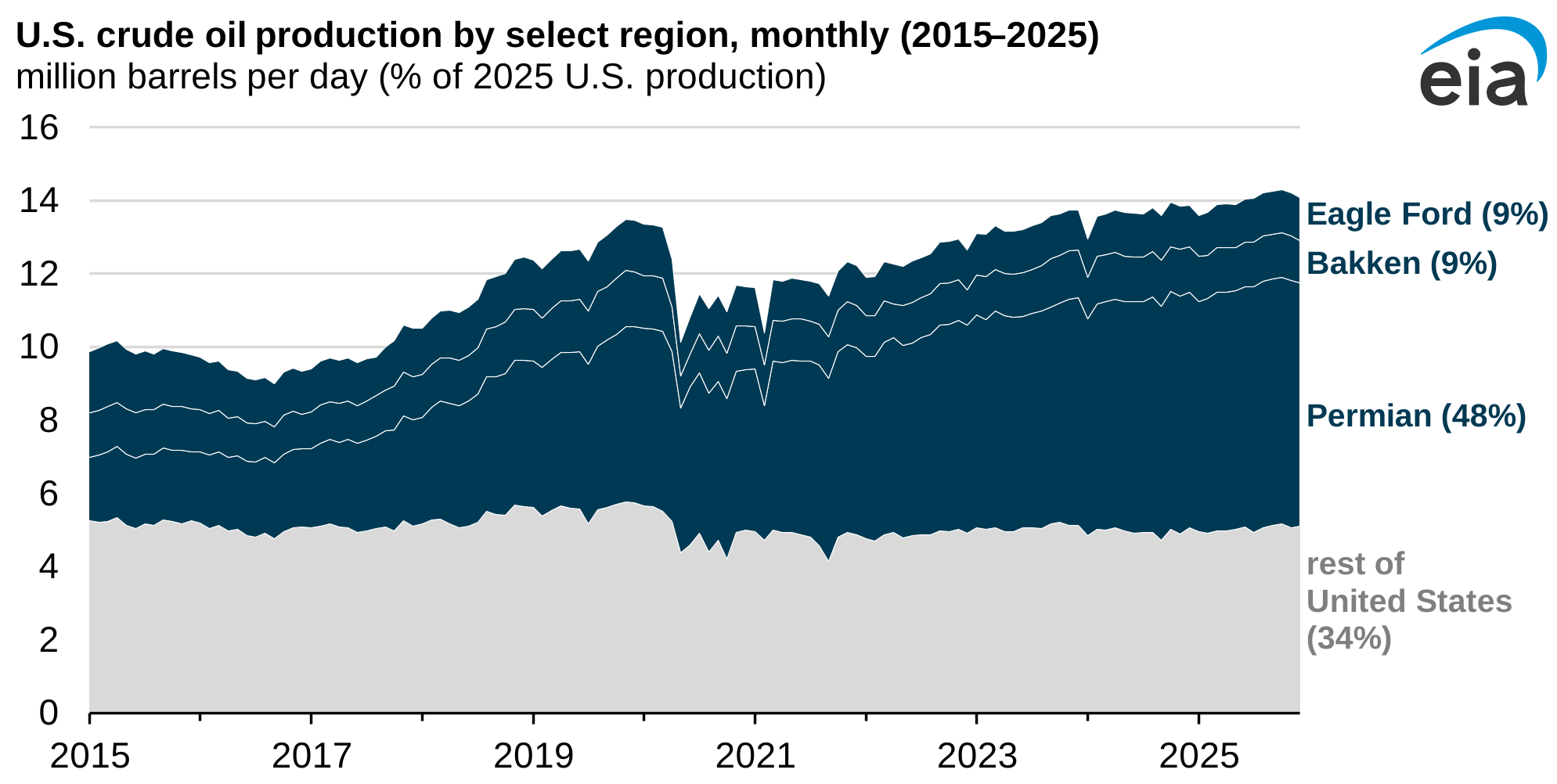
    U.S. crude oil production grew by 3%, or 350,000 barrels per day (b/d), in 2025, setting a new annual production record of 13.6 million b/d, according to our latest Short-Term Energy Outlook (STEO). Production from the Lower 48 states excluding the Gulf of America (L48) accounted for 11.3 million b/d, or 83% of the total U.S. crude oil production in 2025. The rest of the production came from Federal Gulf of America (GOA) and Alaska.

    Read More ›


    In-brief analysis

    Mar 30, 2026
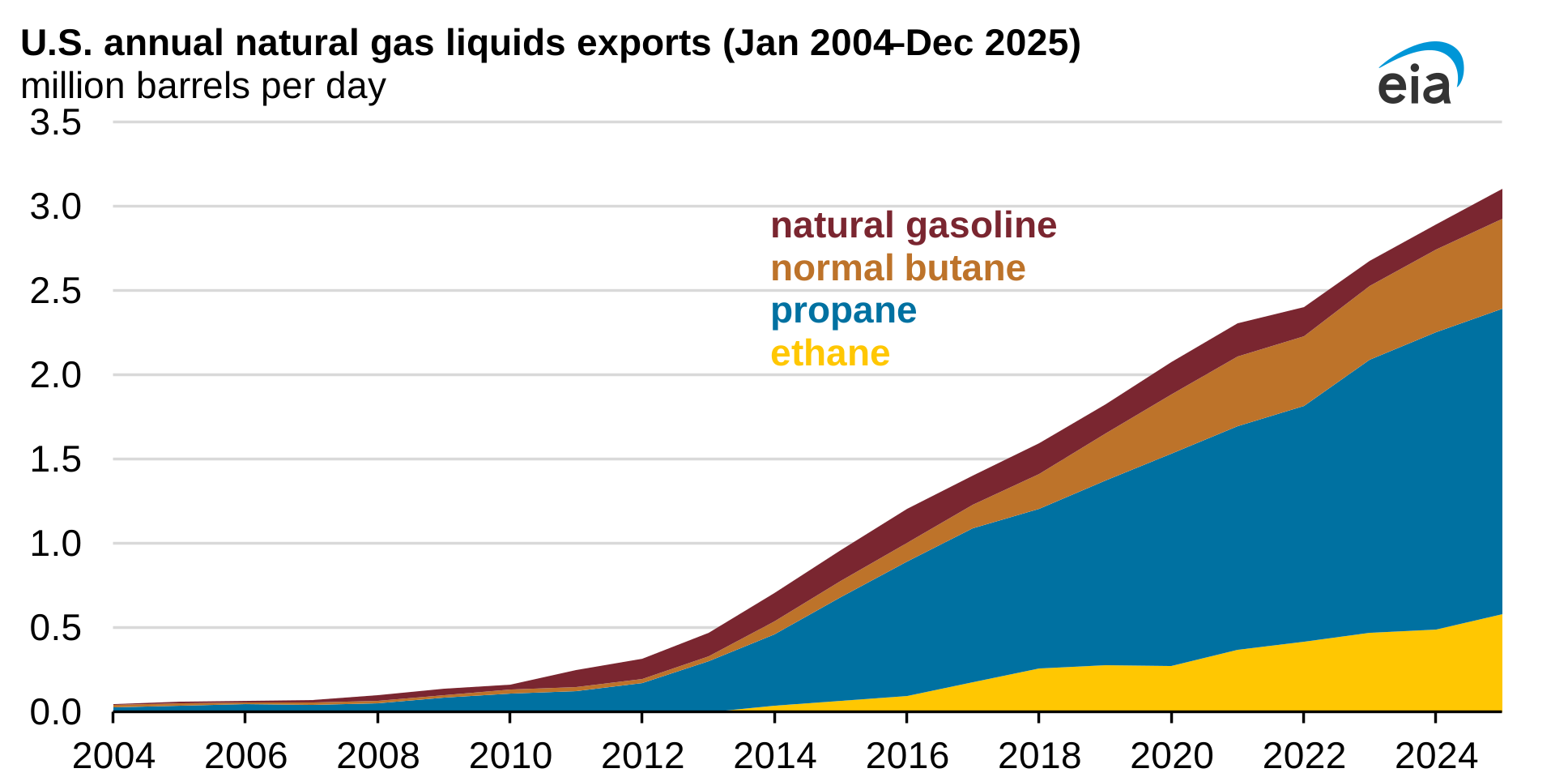


    U.S. annual natural gas liquids exports


    Natural gas plant liquids (NGPL) exports reached 3.1 million barrels per day (b/d) in 2025, growing 7% from the previous year. These fuels are primarily extracted from the natural gas stream. NGPL plant production has increased every year since 2005, driven by higher production of NGPLs and more global demand for NGPLs, especially as petrochemical feedstocks.

    Read More ›


    In-brief analysis

    Mar 26, 2026
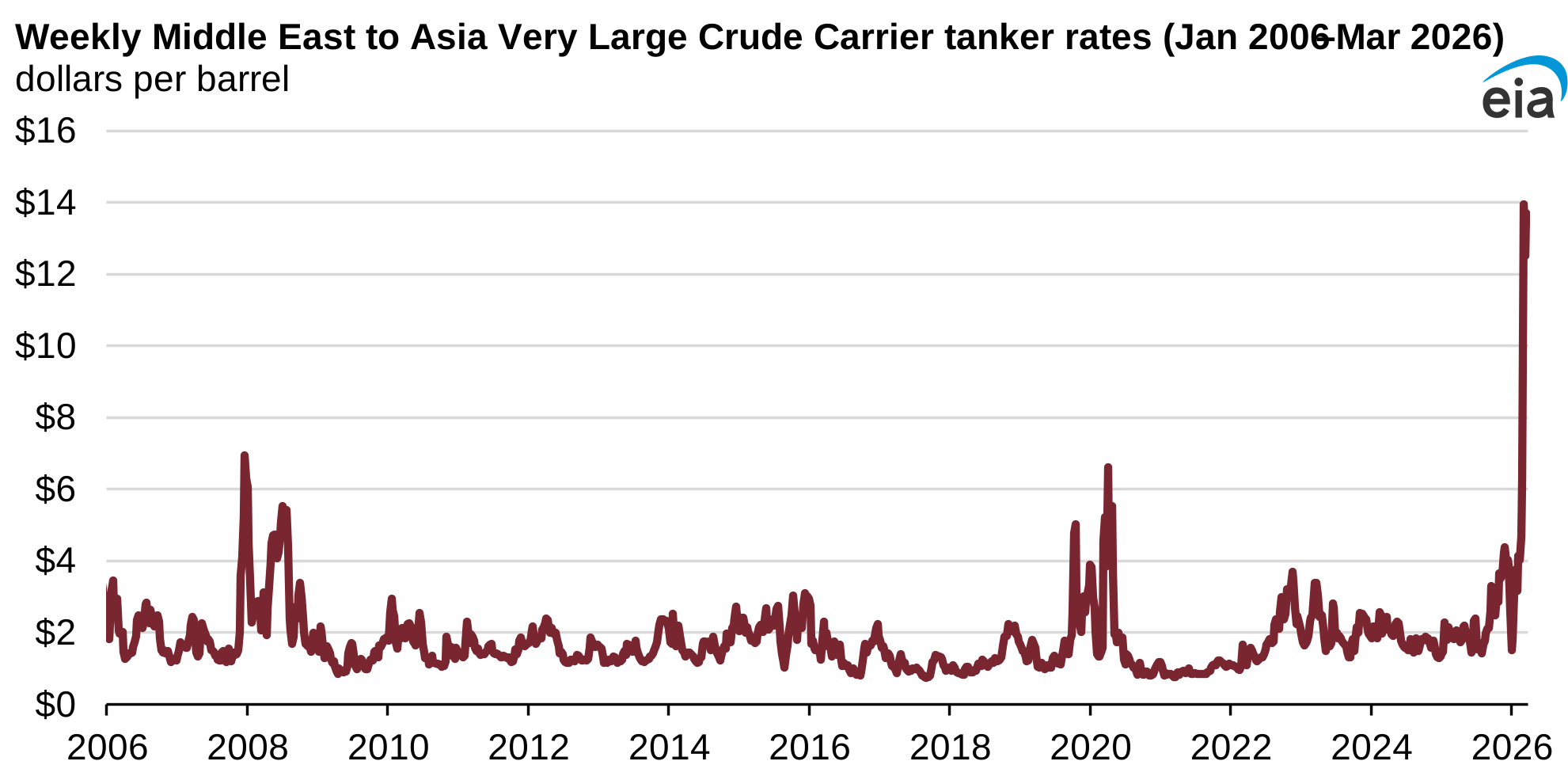


    weekly middle east to asia very large crude carrier tanker rates


    Data source: Argus Freight


    • In March 2026, tanker rates for Very Large Crude Carriers (VLCCs) leaving the Middle East to Asia were the highest since at least November 2005, when data were first recorded. The price increase followed Iran’s closure of the Strait of Hormuz on March 2.
    • The Strait of Hormuz is an important chokepoint, connecting the Persian Gulf to the Gulf of Oman and Arabian Sea. The physical risk of attacks on vessels attempting to traverse the Strait of Hormuz, as well as the high cost of war risk insurance for vessels to do so, drove crude oil tanker rates from the Middle East Gulf to all destinations to record highs.
    • The high risk and effective closure of the Strait has led to a backup of vessels confined in the Persian Gulf that had already loaded crude oil from various Gulf countries. The confined vessels reduce the availability of global tanker capacity, which increases tanker rates.
    • Crude oil tanker rates from the Americas, especially the U.S. Gulf Coast, also rose to record highs because of high demand for crude oil and fewer vessels available for shipment.
    • Clean tanker (used for petroleum products) and natural gas carrier rates have also increased. On March 17, the U.S. Department of Homeland Security issued a temporary waiver for compliance with the Jones Act, which may contribute to additional shifts in global shipping and tanker availability.

    Read More ›


    In-brief analysis

    Mar 25, 2026
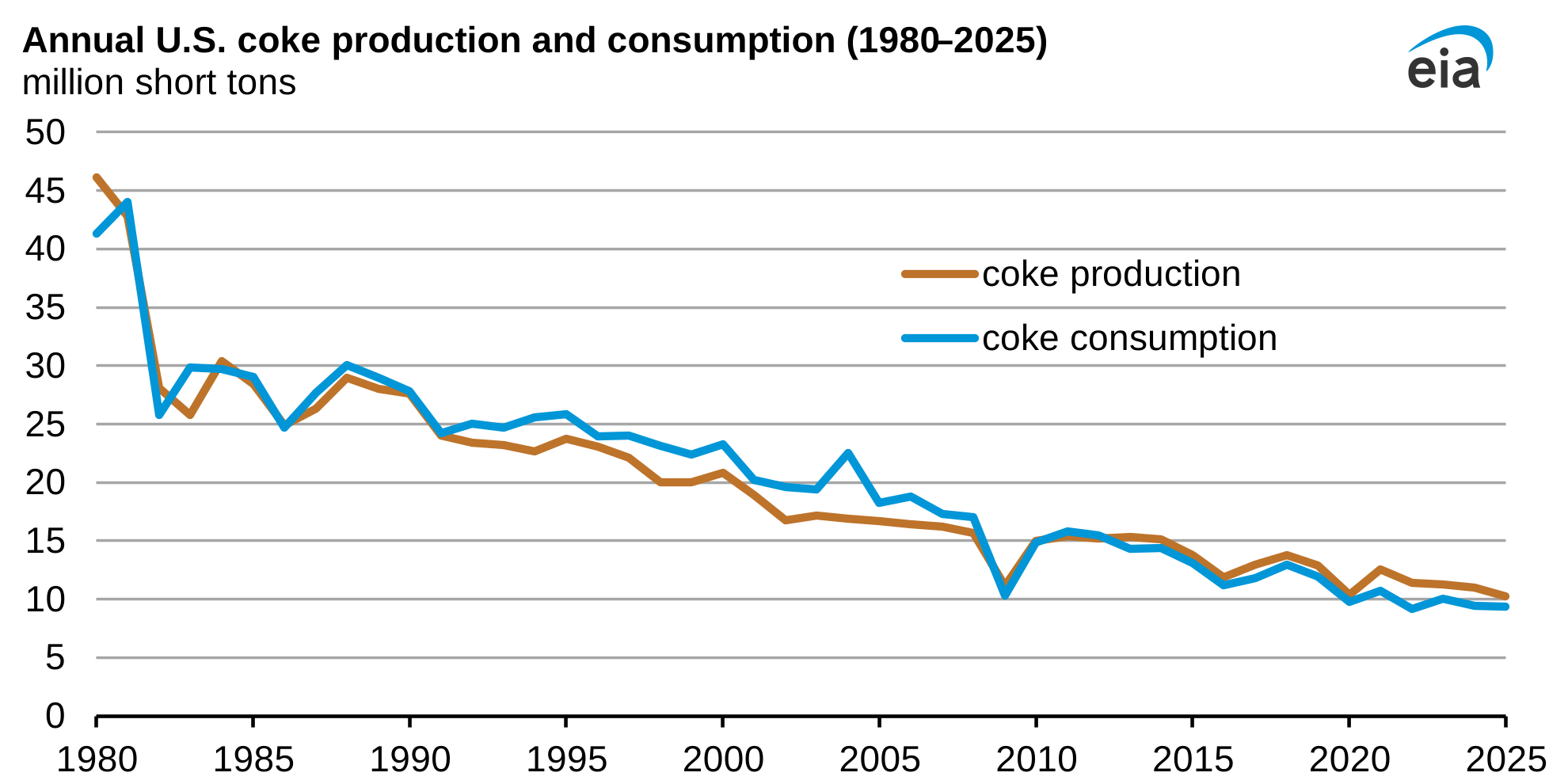


    annual U.S. coke production and consumption


    Data source: U.S. Energy Information Administration, Annual Coal Report and Quarterly Coal Report
    Note: The 2025 data points are annualized using the first three quarters of 2025 data from the most recent Quarterly Coal Report.


    The United States produced 10 million short tons (MMst) of coke used in steel manufacturing in 2025, a drop of 78% from 1980 when it produced 46 MMst, according to EIA’s most recent Annual Coal Report and Quarterly Coal Report. Similarly, we estimate the United States consumed 9.3 MMst of coke in 2025 compared with 41 MMst in 1980, a decline of 77%, by annualizing the first three quarters of data from the most recent Quarterly Coal Report.

    Read More ›


    In-brief analysis

    Mar 24, 2026
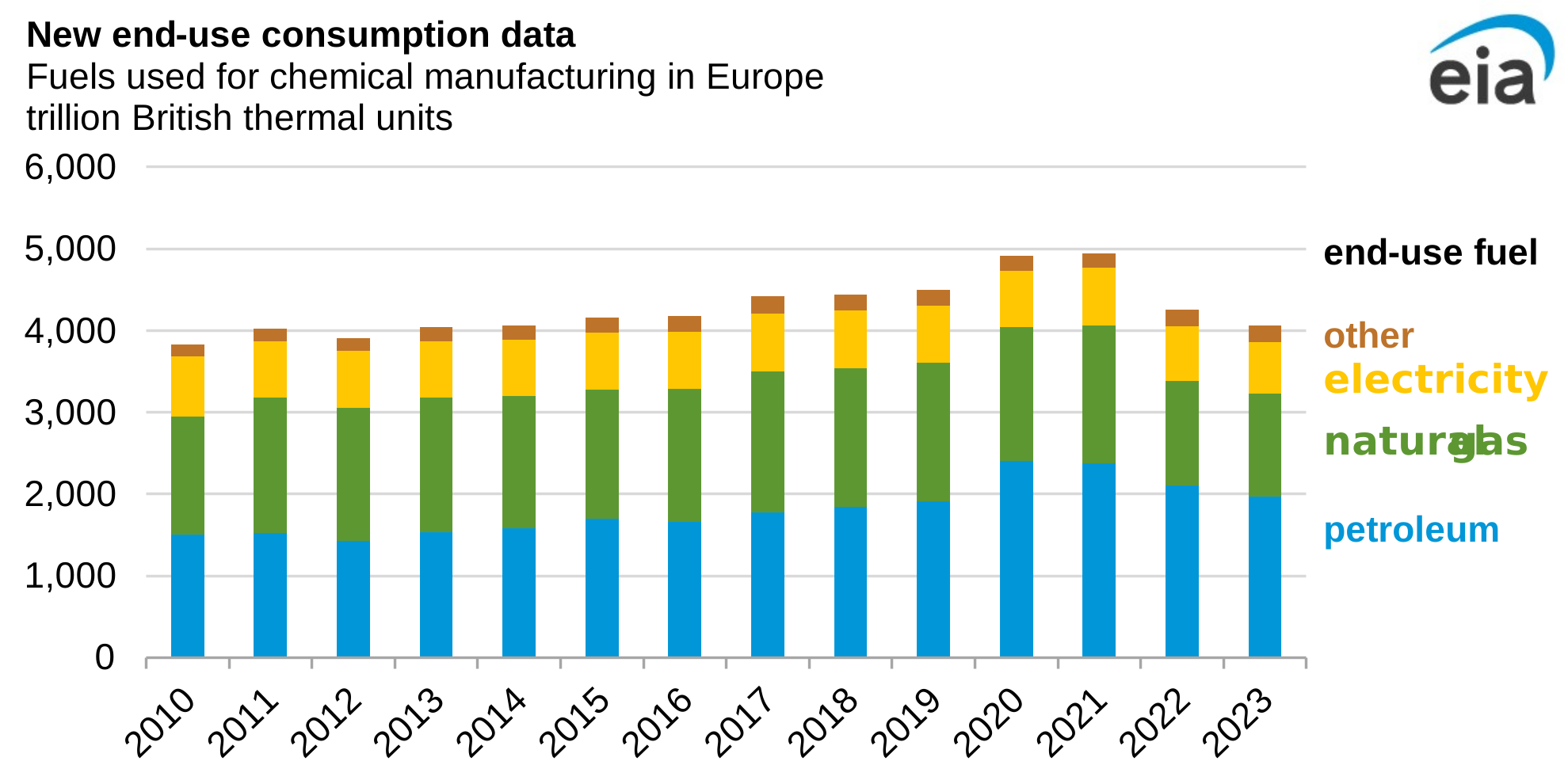


    new end use consumption data


    We have released a new international dataset containing end-use consumption data for most countries of the world, with annual data through 2023. The new data set disaggregates the existing total international consumption values into up to 34 end-use sub-sectors, such as construction, mining, refining, residential, and commercial. Our end-use data set categorizes end-use consumption by region, country, fuel, sector, and sub-sector in which the energy is consumed. In the example above, we break down the fuels used in Europe to produce chemicals.

    Read More ›


    In-brief analysis

    Mar 23, 2026
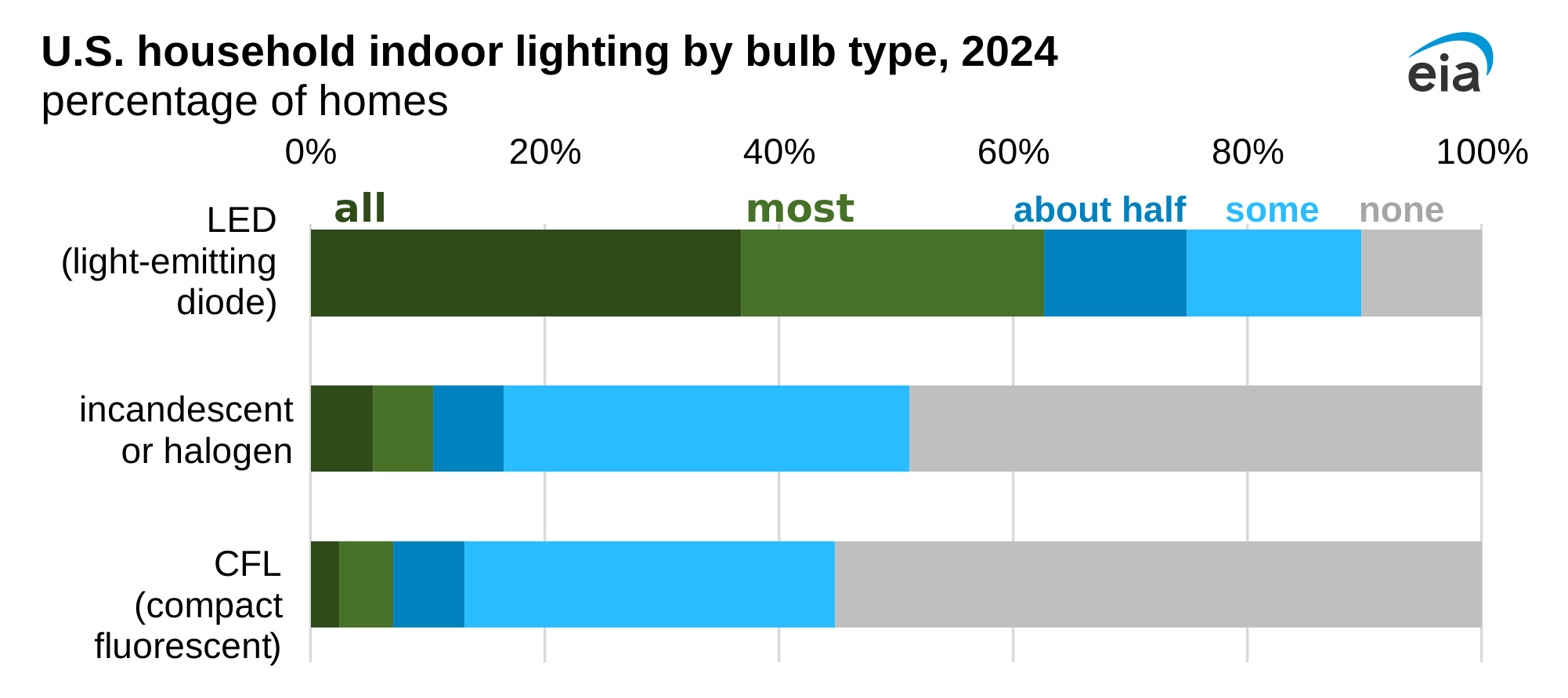


    U.S. household indoor lighting by bulb type


    Although homes can have a mix of bulbs for indoor lighting, 90% of U.S. households reported using light-emitting diode (LED) bulbs, according to the most recent results of the Residential Energy Consumption Survey (RECS). Over one-third of households (37%) used LED bulbs for all indoor lighting. In contrast, 5% of households reported using incandescent or halogen bulbs and 2% used compact fluorescent (CFL) bulbs for all indoor lighting.

    Read More ›


    In-brief analysis

    Mar 20, 2026
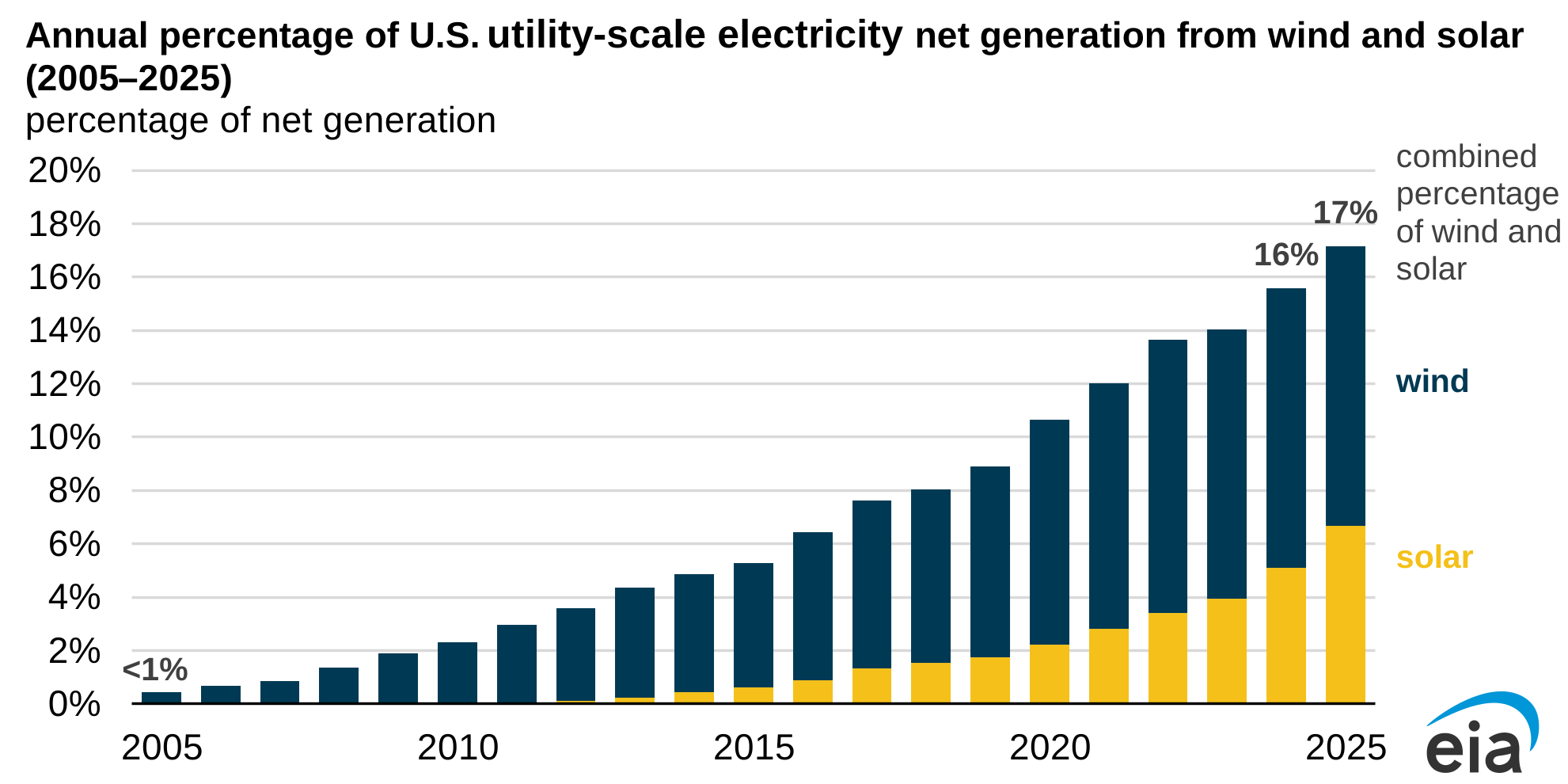


    annual percentage of U.S. utility-scale electricity net generation from wind and solar


    Over the past 20 years, electricity from wind power and utility-scale solar power has increased to 17% of generation in the United States compared to less than 1% in 2005. In 2025, net generation of wind and solar together accounted for 760,000 gigawatthours (GWh) of electricity, 88,000 GWh more than in 2024, according to data from our Electric Power Monthly. We classify a power plant as utility-scale if it has at least 1 megawatt of generating capacity.

    Read More ›


    In-brief analysis

    Mar 19, 2026



    U.S. LNG exports to select Caribbean nations and import terminal locations


    Data source: U.S. Energy Information Administration, Vortexa Analytics, trade press reports
    Note: LNG=liquefied natural gas; MMcf/d=million cubic feet per day


    The United States exported approximately 0.3 billion cubic feet per day (Bcf/d) of liquefied natural gas (LNG) to destinations in the Caribbean in 2025, the second-highest volume since the first LNG cargo departed Sabine Pass in 2016, according to the U.S. Department of Energy’s LNG Exports and Re-Exports Details.

    Read More ›


    In-brief analysis

    Mar 18, 2026
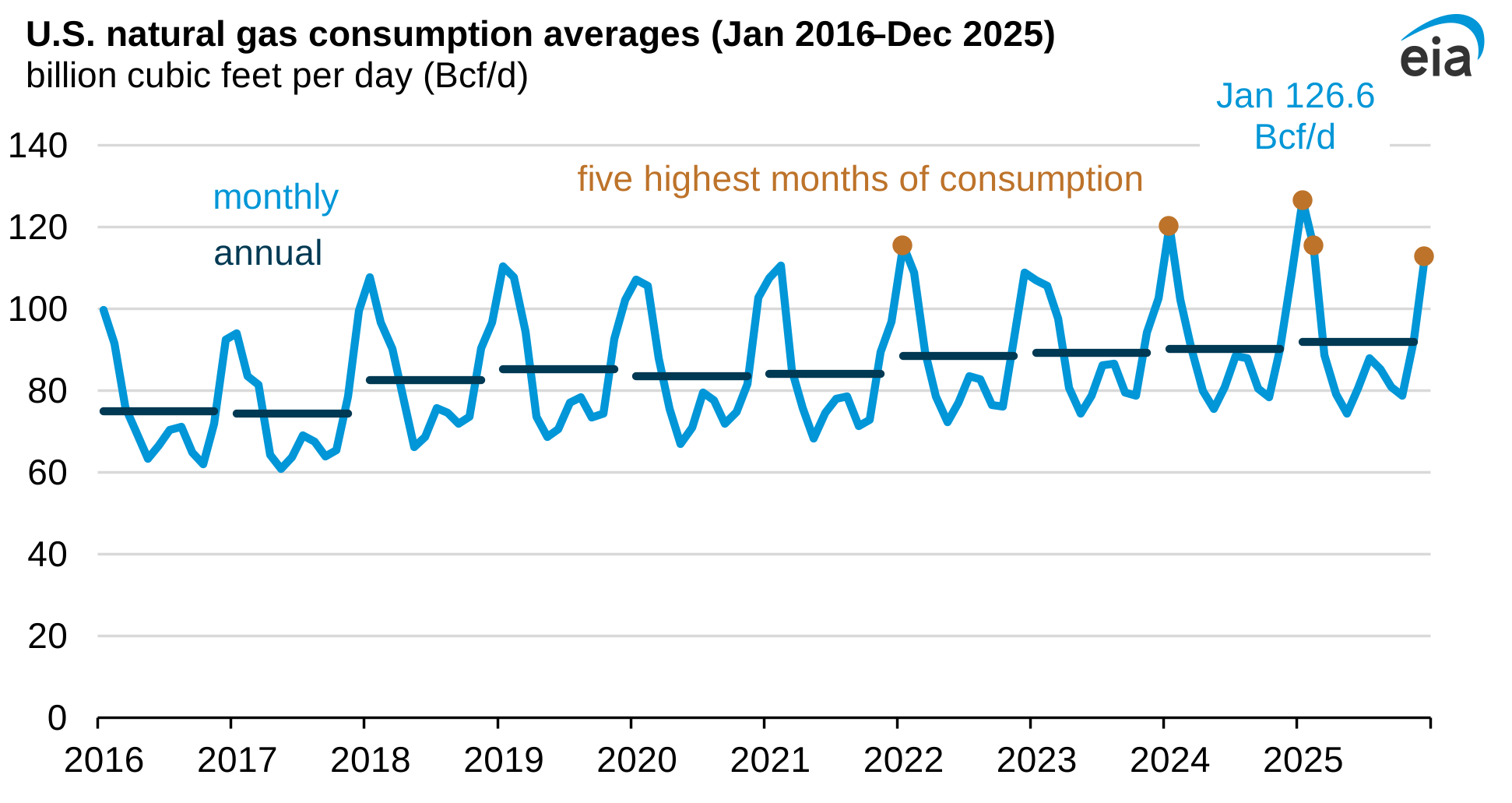


    U.S. natural gas consumption averages


    U.S. natural gas consumption averaged a record 92.0 billion cubic feet per day (Bcf/d) in 2025 and set a new winter monthly record of 126.6 Bcf/d in January 2025, according to data in our Natural Gas Monthly. Overall, U.S. natural gas consumption last year increased 2% (1.7 Bcf/d) from 2024. In January 2025, natural gas consumption was up 5% (6.3 Bcf/d) compared with January 2024.

    Read More ›


    In-brief analysis

    Mar 17, 2026
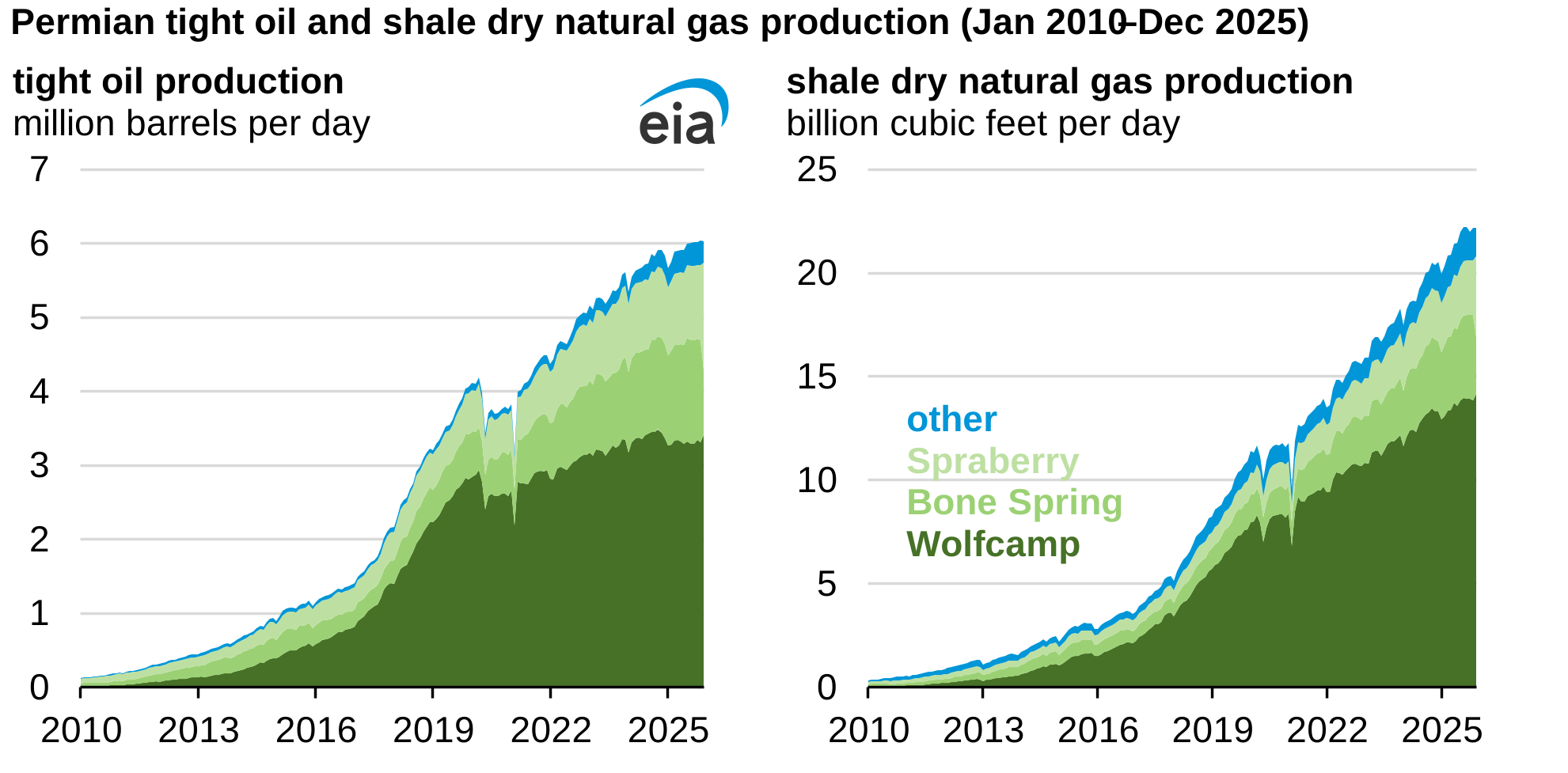


    permian tight oil and shale dry natural gas production


    Data source: U.S. Energy Information Administration, Short Term Energy Outlook (Table 10b), March 2026, and Enverus
    Note: Other contains the Avalon, Barnett, Dean, and Woodford plays


    We added the Avalon, Barnett, Dean, and Woodford plays within the Permian Basin to our estimates by formation for Permian tight oil and shale natural gas production in our March 2026 Short-Term Energy Outlook (STEO). The Permian formations already included the Spraberry, Bone Spring, and Wolfcamp plays. EIA periodically reviews and updates our play designations according to the latest interpretation of geologic information in identifying crude oil and natural gas production from tight oil and shale formations. At the same time, we removed the Delaware and Yeso-Glorieta plays. These modifications are isolated to the Permian formations, resulting in a net increase for tight oil production by 0.2 million barrels per day (b/d) and shale gas production by 0.8 billion cubic feet per day (Bcf/d) for 2025, compared with previous estimates.

    Read More ›


    In-brief analysis

    Mar 16, 2026
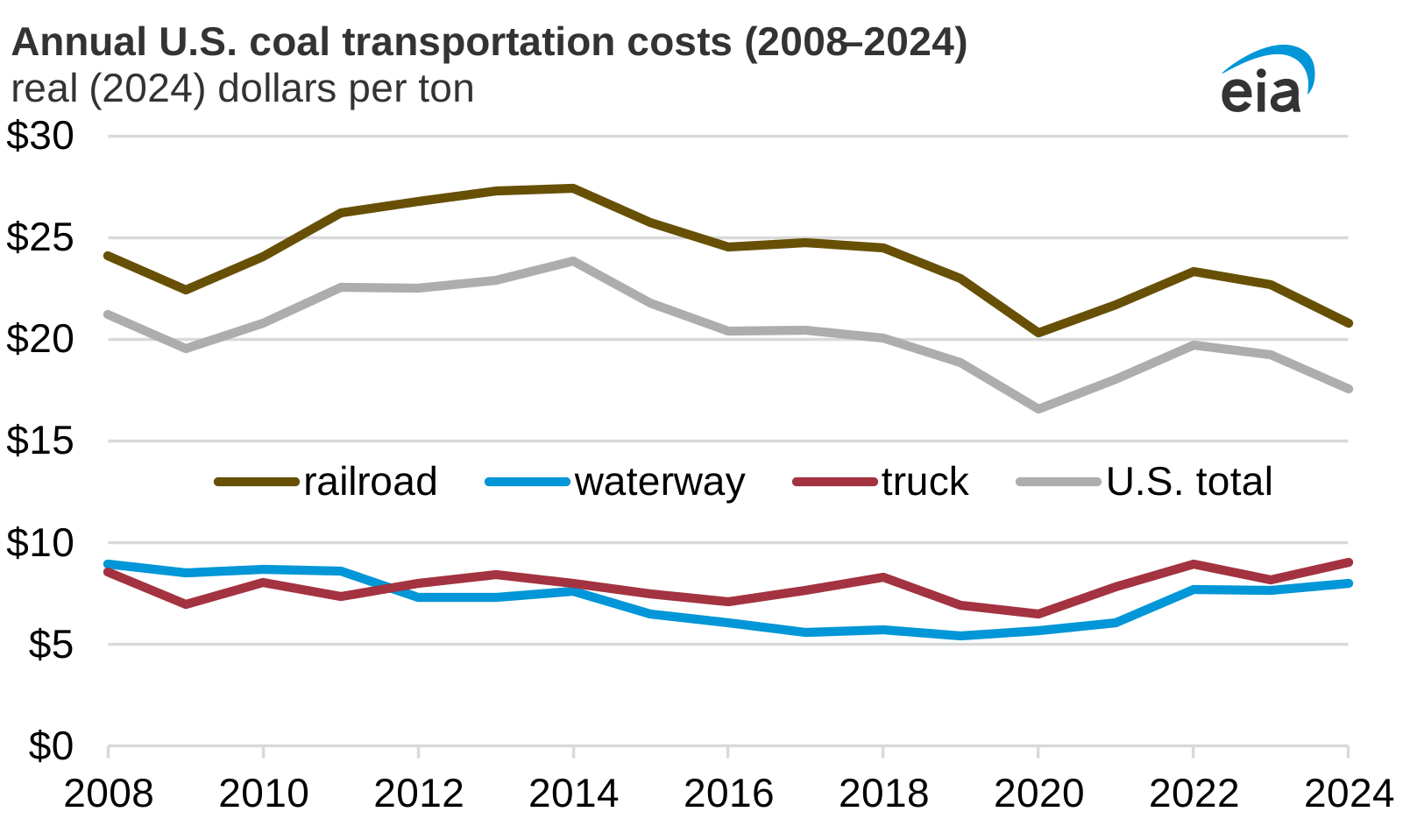


    annual U.S. coal transportation costs


    We released new data on the electric power sector’s coal transportation costs. The release incorporates final data for 2024 from Form EIA-923, which we collect from electric power plant owners and operators. The data release includes tables with costs, in nominal and real (2024) dollars, across regions, states, and modes of transportation.

    Read More ›


    In-brief analysis

    Mar 13, 2026
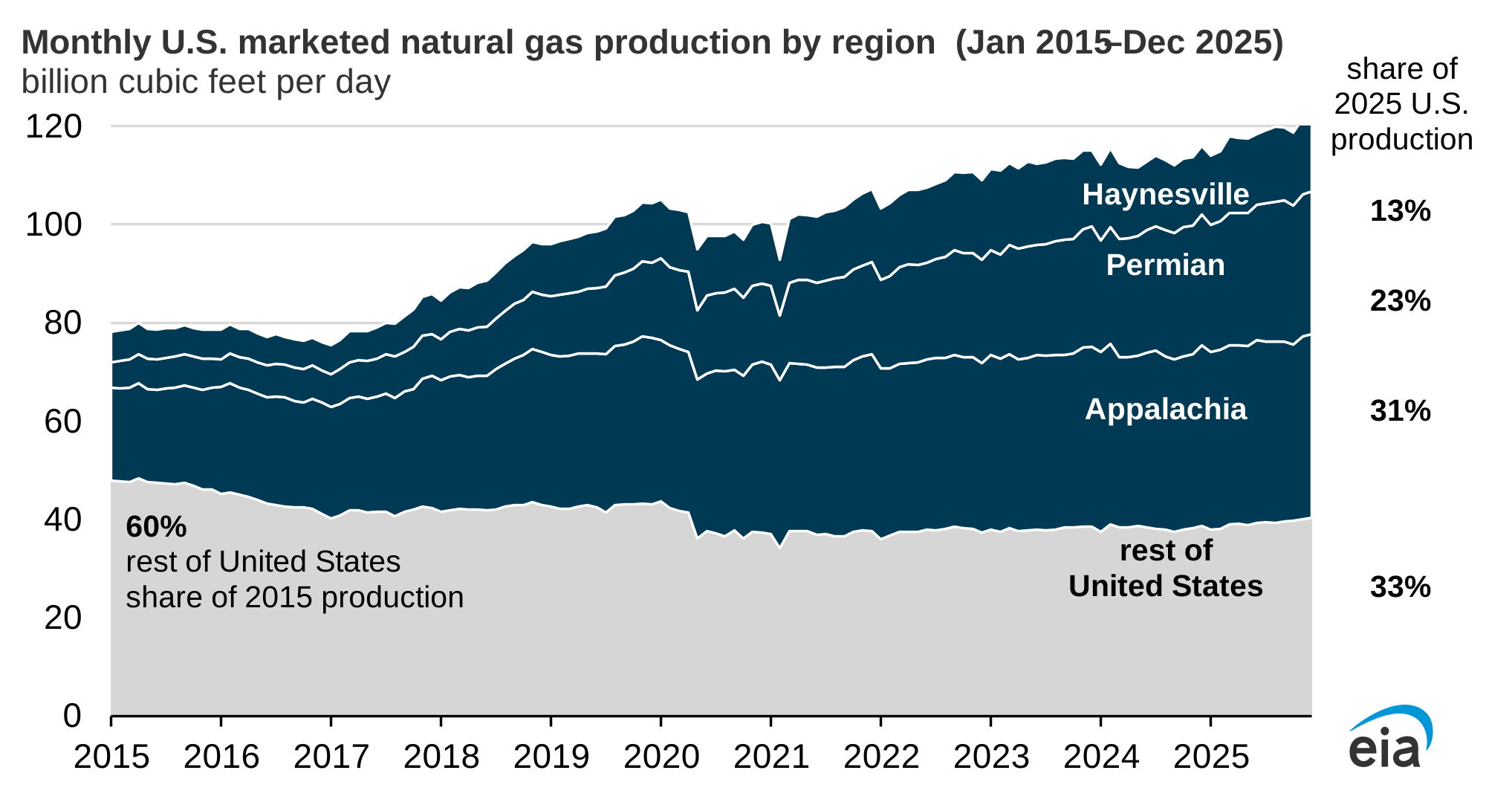


    monthly U.S. marketed natural gas production by region


    U.S. marketed natural gas production reached a new record in 2025, growing by 5.3 billion cubic feet per day (Bcf/d) to average 118.5 Bcf/d, according to our latest Natural Gas Monthly. Three regions—Appalachia, Permian, and Haynesville—accounted for 67% of the total marketed gas production in the United States in 2025 and for 81% of the growth last year.

    Read More ›

    Continue Reading

  • ICAS calls for clearer safeguards in FRC’s TCA policy

    ICAS calls for clearer safeguards in FRC’s TCA policy

    The Institute of Chartered Accountants of Scotland (ICAS) has urged the Financial Reporting Council (FRC) to provide clearer safeguards and risk disclosures in its proposed temporary amendment to the UK’s Third Country Auditor (TCA) policy.

    The organisation detailed its position in a formal response to the FRC consultation, which was launched in February, following a request from the UK government.

    The proposal would temporarily alter the TCA framework to make it easier for certain entities registered in China to list in London.

    In its submission, ICAS said “we believe it is reasonable to allow the listing in London of the securities of eligible Chinese businesses.”

    However, the body also stated that it is “not convinced that sufficient information and evidence has been included within the FRC’s proposals to address the information needs of investors and the potential risks of the proposed amendment.”

    ICAS argued that any listings permitted under the revised policy must build in clearer protection for market participants.

    It said any listing should carry clear warnings and protections so investors have enough information to judge whether anything could affect the reliability of the financial reporting.

    The institute pointed out that Chinese auditing standards differ from International Standards on Auditing (UK) and said this divergence needed to be plainly set out.

    It underlined the need to spell out for prospective investors the key differences, the associated risks and their possible effects, so they can make well‑informed assessments and decisions.

    ICAS also suggested that regulators and government departments should take responsibility for explaining these technical issues if they expect broad engagement with the consultation.

    ICAS said: “This is a specialist topic so if wider stakeholder views are expected on the proposals contained in this consultation paper, we believe that the onus is on the FRC, Financial Conduct Authority and Department of Business & Trade (DBT) to explain the differences, risks and impact for the UK market to help inform consultees and maximise informed responses.”

    “We note that there may be reciprocal opportunities for the UK but we would like to see more information on this with an explanation of how it supports longer-term growth and evidence of the demand in the consultation paper.”

    ICAS also requested further clarification from the Department for Business & Trade on how the proposals align with government economic objectives.

    “We are not fully persuaded why a temporary amendment is needed and question if this is being rushed through without appropriate due process.

    “We would like information on whether the FRC would be able to inspect the work of the Chinese firms involved in any such audits and, if so, deal with any issues identified,” it added.

    “ICAS calls for clearer safeguards in FRC’s TCA policy” was originally created and published by The Accountant, a GlobalData owned brand.


    The information on this site has been included in good faith for general informational purposes only. It is not intended to amount to advice on which you should rely, and we give no representation, warranty or guarantee, whether express or implied as to its accuracy or completeness. You must obtain professional or specialist advice before taking, or refraining from, any action on the basis of the content on our site.

    Continue Reading

  • Upcycled ingredients reshape cosmetics sector as demand for zero-waste solutions grows, says GlobalData

    Upcycled ingredients reshape cosmetics sector as demand for zero-waste solutions grows, says GlobalData

    Upcycled actives, oils, exfoliants, and functional powders are gaining traction as consumers look for products that align with circular economy principles while still delivering performance, sensorial appeal, and efficacy. Growing demand for zero-waste cosmetics and more transparent sustainability claims is reshaping product development across the cosmetics and toiletries sector. This shift is supported by a Q4 2025 consumer survey, which found that 47% of respondents said ethical, environmentally friendly, or socially responsible considerations always or often influence their beauty purchasing decisions, according to GlobalData, a leading intelligence and productivity platform.

    Consumers increasingly want clearer evidence of where ingredients come from and the measurable environmental impact a product delivers. In response, brands are incorporating more upcycled ingredients—materials recovered from food and agricultural byproducts that would otherwise be discarded—and transforming them into functional inputs for skincare, haircare, and makeup. As a result, manufacturers are accelerating innovation in waste-to-value ingredients in their products.

    Greeshma Kasturi Katamaneni, Consumer Analyst at GlobalData, comments: “Consumers are increasingly sceptical of broad sustainability claims and are looking for clearer proof points around sourcing and impact. Upcycled ingredients resonate because they are tied to identifiable waste streams and can be communicated with more traceable, measurable narratives, provided brands can back their claims with robust verification and consistent product performance.”

    Large-scale food production generates significant volumes of byproducts such as peels, pits, husks, shells, pulp, pomace, and seeds—many of which contain cosmetic-relevant compounds, including fatty acids, polyphenols, vitamins, and fibres. Historically, much of this material was landfilled or downcycled into lower-value applications. Upcycling can increase the value of existing production streams, reduce waste, and support a more circular approach to ingredient sourcing.

    Beauty brands are already translating these inputs into commercially viable formulations. Coffee grounds recovered from cafés are used as exfoliating agents, while fruit seeds, such as watermelon, raspberry, and passionfruit, can be cold pressed into oils positioned for barrier support and conditioning benefits. Grape skins and citrus peels are processed into antioxidant extracts, and oat or rice byproducts are used in soothing formulas aimed at sensitive skin needs.

    Manufacturers are also launching branded products built around upcycled ingredients. In the UK, Upcycled Beauty Company launched Pumpkin TONIQ hair shine in 2025, made using rejected pumpkin seeds. The product highlights the seeds’ amino acid profile—such as arginine—commonly associated with hair conditioning and shine. The company claims that 1 kg of the product contains 1,600 rescued pumpkin seeds that would otherwise have been destined for landfill.

    Katamaneni adds: “However, scaling upcycled beauty requires more than ingredient storytelling. Converting byproducts into cosmetic-grade inputs requires efficient supply chains and close collaboration between suppliers and laboratories to refine, stabilize, and standardize materials so they perform consistently in formulations. Variability in harvests and processing conditions can affect composition, color, odor, and active content, making quality control, safety testing, and specification management essential for reliable commercial use.”

    Beyond sustainability benefits, upcycled ingredient strategies can support brand differentiation and consumer engagement through traceable sourcing narratives and cross-category versatility. Consumers are increasingly receptive to circular-economy claims, particularly when brands provide clear metrics and credible substantiation that help shoppers navigate sustainability messaging.

    Katamaneni concludes: “Upcycled ingredients represent a significant growth opportunity for cosmetics brands looking to combine sustainability credibility with product performance. Companies that can secure reliable byproduct supply, meet cosmetic-grade quality requirements, and substantiate impact claims will be best positioned to convert upcycling from a trend into a durable competitive advantage.”

    GlobalData 2025 Q4 global consumer survey was conducted with 22,613 respondents across 42 countries.

    Continue Reading

  • Small UK firms’ energy bills set to more than double due to Iran war | Small business

    Small UK firms’ energy bills set to more than double due to Iran war | Small business

    Thousands of independent businesses across the UK are braced for their energy bills to more than double owing to the sharp rise in heating oil costs as the war in Iran pushed Europe’s fuel market prices to fresh record highs.

    About 7% of all small and medium-sized companies warm their properties and provide hot water using heating oil, which in some cases has more than doubled in recent weeks.

    Companies in rural areas are often not connected to the gas grid, meaning they have an even greater reliance on heating oil, which is a form of kerosene linked to the cost of jet fuel. It is used by about 17% of rural small and medium-sized enterprises (SMEs), according to the Federation of Small Businesses (FSB).

    The trade association has heard from members who have already begun rationing their fuel use to cope with the sharp rise in prices over recent weeks.

    Anthony Jenkins, the owner of a hotel and restaurant in North Yorkshire, said his heating oil supplier had charged 54.9p a litre in January but had asked for 129p in late March.

    “Many rural businesses, including ours, need to rely on heating oil, but the price increases have been extraordinary. Our supplier refused to give us a firm quote for over a week after we booked a delivery, and told us the day before that it would be 116% higher than before the crisis,” Jenkins said.

    “We took only half what we usually do, and we’ve asked our guests to help us to keep costs down by turning down their radiators if they are too warm rather than opening a window. They have all been happy to help because they are paying higher prices to fill up their cars, so they understand.”

    Jenkins said he hoped to rely more on solar heating for hot water as the days become longer and brighter to avoid inflating his £3,000-a-year heating oil bill. “Luckily, we fixed our electricity contract a few days into the conflict, but even then, deals were disappearing from the market,” he said.

    The FSB, which represents about 200,000 businesses and sole traders, has called on the UK’s competition watchdog to include the SME sector in its investigation into the heating oil market as the global energy supply shock fuelled record high prices on Europe’s diesel and jet fuel wholesale markets.

    North-west European jet fuel and diesel prices surpassed $1,900 (£1,434) and $1,600 a tonne respectively on Thursday, jumping to fresh all-time highs as market participants braced for a further escalation in the Middle East conflict over the long Easter weekend, according to market intelligence firm Argus.

    The trade association is also on alert for signs that rogue energy brokers may be able to take advantage of the market crisis to push small companies into signing up to long-term deals on bad terms.

    Tina McKenzie, the policy chair of the FSB, said: “Many thousands of small businesses use a broker to find an energy contract, but this is an area where we think stricter rules are needed.”

    Small companies do not benefit from the government’s cap on energy prices or other consumer protections available to household energy customers, “even though they are far more akin to households than to their larger peers”, McKenzie said.

    “Business energy customers are nervous, and the situation is rapidly evolving, meaning conditions are ripe for rogue brokers to take advantage of customers’ stress and lack of information.”

    Though proposals have been put forward to strengthen the protection small businesses receive against rogue energy brokers, including closer scrutiny by the energy industry regulator Ofgem, they will not come into effect until new legislation is passed.

    An Ofgem spokesperson said the regulator had written to non-domestic suppliers and brokers to “remind them to treat their customers fairly, and to prioritise transparent pricing and good consumer outcomes”.

    “We understand that the volatility we are seeing in the market as a result of the conflict in the Middle East is concerning for businesses,” the spokesperson said.

    “We expect businesses, particularly smaller organisations, to be properly supported as they navigate challenging market conditions.”

    Continue Reading

  • Asian shares mostly gain as focus turns to a deadline issued by President Trump on Iran – The Washington Post

    1. Asian shares mostly gain as focus turns to a deadline issued by President Trump on Iran  The Washington Post
    2. Japan, South Korea stocks rise as investors assess Trump’s Iran war comments, extended deadline  CNBC
    3. Trading Open Shadowed by Trump Escalation Threats: Markets Wrap  Bloomberg.com
    4. South Korean Shares Extend Gains  TradingView
    5. Asian shares mostly gain while oil prices keep rising  The Killeen Daily Herald

    Continue Reading

  • AI and job loss: the identity crisis no one is preparing for

    AI and job loss: the identity crisis no one is preparing for

    On November 7, 2023, my career ended. Not with a dramatic firing, not with a bitter exit, but with an acquisition that made my role redundant. Nearly three decades in the industry. Nine years in an executive role at a biotech company. And then: nothing.

    I didn’t just lose a job. I lost the scaffolding I’d built my professional identity on. I told myself it was a blip. I was wrong.

    What followed was something I’ve come to call “professional identity purgatory”—a seemingly endless holding pattern with no title, no structure, and no clear direction. It’s the space between who you were professionally and who you might become.

    In Catholic theology, purgatory is the in-between—not heaven, not hell, but a passage of purification before something better. That’s the metaphor I keep returning to because “professional identity purgatory” isn’t failure, it’s transition with no timeline. It’s the disorienting gap between losing an identity you’d spent decades building and not yet knowing what replaces it.

    We are currently in a period defined by significant professional transition. Millions of people are likely about to enter “professional identity purgatory” thanks to AI. I’m not an economist or a technologist, but what I do know—from living it, and from watching peers navigate it—is that the threat AI potentially poses to professionals goes deeper than lost tasks or restructured roles. It strikes at something more fundamental: the sense that what you spent your career mastering still matters. For generations, professional identity was durable—you built expertise, accumulated knowledge, climbed. Technology is disrupting that continuity in ways that are genuinely hard to sit with, not because the work disappears overnight, but because professional relevance starts to feel less certain. For people whose self-worth is tied to that relevance, the uncertainty alone can be destabilizing.

    For people who’ve built their self-worth around titles, expertise, and relentless forward momentum, purgatory is particularly brutal. We don’t do well in holding patterns. We fill them with activity, with meetings, projects, and anything that mimics the rush that comes with progress. We avoid the discomfort at all costs, because the discomfort forces a reckoning we’ve spent our careers outrunning: Who am I without the work?

    What I’ve Learned (and am Still Learning) Inside Purgatory

    I want to be clear: I don’t have a framework, tools or tips on how to handle purgatory because I’m not on the other side yet. But I’ve been living in “professional identity purgatory” long enough to offer a few observations for those who may join me soon.

    Stop filling voids with noise. My first instinct after leaving was to pack my calendar with things that felt familiar—networking coffees, mentoring conversations, advising. All legitimate. All also avoidance. Purgatory is uncomfortable by design. It’s trying to tell you something. The busier you stay, the harder it is to hear the message.

    Let your identity be provisional. I still catch myself introducing myself with my old title—only now with a “former” as a qualifier. There’s no shame in that. Shaping your identity isn’t a quick iPhone OS update. The work in purgatory is learning to hold your professional self loosely—to try on new versions of yourself rather than defend the old one.

    Redefine what expertise means. AI may automate much of the world around us. But it can’t touch judgement. Relationships. Context. The capacity to ask the right question rather than just answer the one in front of you. Those things don’t disappear with your title. They just need a new vehicle.

    “Professional identity purgatory” is not a detour. For many of us, it may be the most important time in our careers—the place where the question we’ve been outrunning finally catches up: not “What do I do now?” but “Who am I when I’m not doing it?”

    The professionals facing AI-driven disruption in the coming years won’t all lose their jobs overnight. But when it does happen, many will be met with the realization that their professional role was directly tied to their sense of self. The structure. The daily purpose. The identity.

    When that happens, the instinct will be to run—to fill the void, project confidence, land the next thing as fast as possible. I’ve tried all of it. I understand the impulse.

    But the purgatories we run from are very often the ones we need most. I’m still in mine. I’m tired of running. And for the first time in thirty years, I’m learning what it feels like to simply be still.

    Geoff Curtis is the former executive vice president, corporate affairs and chief communications officer at Horizon Therapeutics. During his nearly 30-year health care communications career, he has worked domestically and internationally in various roles on both the client and agency side. This column is adapted from his book, Embracing Your Own Purgatory, which is available now.

    Continue Reading

  • Italy VAT group credits use clarified

    Italy VAT group credits use clarified

    On March 30, the Italian Revenue Agency issued Letter No. 88/2026, clarifying the treatment of excess VAT credits generated within a VAT group.

    The guidance addresses how such credits may be used, particularly in cases involving significant investments and zero-rated transactions.

    VAT group treated as a single taxable entity

    The Tax Agency confirmed that a VAT group is considered a single autonomous taxable person, separate from its individual members.

    As a result, VAT positions are assessed at the group level, rather than individually.

    Restrictions on the use of VAT credits

    The clarification establishes clear limitations on how excess VAT credits may be applied:

    • VAT credits generated by the group cannot be offset against tax liabilities of individual group members
    • Credits also cannot be transferred within a tax consolidation framework to cover other tax obligations

    This reinforces the separation between the VAT group and other tax structures.

    Permitted use of excess VAT credits

    The guidance confirms that excess VAT credits may only be used through:

    • Refund claims, subject to applicable conditions
    • Assignment to third parties, in accordance with relevant VAT provisions

    The clarification limits flexibility in the use of VAT group credits, requiring businesses to manage excess positions strictly within the VAT group framework.

    Companies operating VAT groups should review their structures and processes to ensure compliance with these restrictions.

    Source: gov.it

    Continue Reading

  • Petrolimex and GGenTec implement waste-to-sustainable energy venture

    Petrolimex and GGenTec implement waste-to-sustainable energy venture

    On April 2, Vietnam National Petroleum Group (Petrolimex) and South Korea’s GGenTec signed an MoU on cooperation to deploy a waste-to-sustainable energy venture.

    This event marks a significant step in Petrolimex’s energy transition journey, while contributing to diversifying supply sources.

    As energy transition accelerates globally, Vietnam commits to achieving net-zero emissions by 2050. In this context, Petrolimex reaffirms its role as an industry leader in developing energy. The group has implemented a slew of solutions, including processing recycled oil from waste oil, waste plastics, and waste rubber, contributing to diversifying supply and pursuing sustainable development.

    Under the MoU, Petrolimex and GGenTec will cooperate in researching and investing in a plant to produce recycled oil from waste oil, waste plastics, and waste rubber. The venture aims to build a closed-loop value chain from waste collection and recycling to the production and distribution of recycled oil.

    While Petrolimex boasts warehousing infrastructure, logistics systems, and a nationwide distribution network, GGenTec provides investment expertise and advanced technology in the biofuels and renewable energy sectors.

    Pham Van Thanh, chairman of Petrolimex, said, “Petrolimex aims to become Vietnam’s leading energy group in green, clean, and high-quality fuel products. The tie-up not only marks the beginning of the partnership between two energy companies but also reflects a shared commitment to the environment and the future of the country.”

    In the same vein, Lee Hope, chairman of GGenTec, said, “GGenTec is committed to developing innovative solutions to convert waste into sustainable energy. We look forward to bringing this technology to Vietnam. The MoU underscores the mutual commitment of two sides to create a future based on collaboration and technology.”

    Petrolimex fuels Vietjet’s first sustainable flights in Vietnam Petrolimex fuels Vietjet’s first sustainable flights in Vietnam

    Vietjet has taken a landmark step in Vietnam’s aviation sector by becoming the first carrier to operate flights using locally produced sustainable aviation fuel.

    Vietnam cuts petrol tax to stabilise market Vietnam cuts petrol tax to stabilise market

    Vietnam has temporarily cut its environmental protection tax on petrol, diesel and jet fuel to zero, as the government moves to stabilise the domestic fuel market and safeguard energy security.

    Rising fuel costs disrupt flight plans, squeeze airline earnings Rising fuel costs disrupt flight plans, squeeze airline earnings

    Airlines are scaling back routes to offset surging fuel costs, as rising expenses begin to erode profitability despite solid passenger growth, reflected in mixed Q1/2026 financial results across the sector.


    By Thanh Van


    Continue Reading

  • Apply Now: $65,000 for Global Food Insecurity AgriTech Startups

    Apply Now: $65,000 for Global Food Insecurity AgriTech Startups

    ⇓ More from ICTworks


    By Wayan Vota on April 6, 2026

    Acute food insecurity rose for the sixth consecutive year in 2024, with more than 295 million people across 53 countries experiencing hunger. At the same time, substantial reductions in official development assistance and humanitarian aid are deepening food and nutrition crises further in 2025.

    The case for agricultural technology (AgriTech) innovation has never been stronger,

    The $65,000 Opportunity

    Innovate for Impact Challenge is a global competition identifying and funding early-stage AgriTech startups building solutions for food security and sustainability. The winner receives a $50,000 grand prize, with second and third-place finalists receiving $10,000 and $5,000 respectively.

    Beyond the cash, finalists pitch live to over 1,500 agriculture and food industry leaders from more than 70 nations, with direct access to investors, policymakers, and potential partners.

    The Challenge is open to early-stage, for-profit AgriTech startups worldwide. To be eligible, your company must:

    • Be at validated concept stage through pre-Series A funding
    • Have at least one founder working full-time on the project
    • Demonstrate innovation, market potential, and alignment with sustainability goals

    Startups will be evaluated on innovation impact, market viability, sustainability contribution, and scalability across diverse contexts.

    Apply Now: Deadline: April 15, 2026

    More Funding Opportunities

    Please sign up now to get our email updates. Learn how to get startup funding for your technology business, and find new funding opportunities with donors.

    We are constantly publishing fundraising guidance and competitive insights like this:

    Filed Under: Agriculture
    More About: agriculture, AgriTech, Prize

    Wayan Vota co-founded ICTworks. He also co-founded Technology Salon, Career Pivot, MERL Tech, ICTforAg, ICT4Djobs, ICT4Drinks, JadedAid, Kurante, OLPC News and a few other things. Opinions expressed here are his own and do not reflect the position of his employer, any of its entities, or any ICTWorks sponsor.

    Continue Reading

  • Rupee set to rise on spillover of RBI curbs; oil, outflows temper sentiment

    Rupee set to rise on spillover of RBI curbs; oil, outflows temper sentiment

    (Corrects dateline to April 6)

    By Nimesh Vora

    MUMBAI, April 6 (Reuters) – The Indian rupee is set to open higher on Monday, supported by spillover effects ‌of the central bank’s recent actions, though persistent oil-related demand and ‌foreign equity selling could temper sentiment.

    The rupee is likely to open in the 92.80-92.90 range versus the ​U.S. dollar, having settled at 93.10 on Thursday, per traders. Indian financial markets were shut on Friday for Good Friday.

    The Indian currency jumped 1.8% last week, its best showing in over four years, after the Reserve Bank of India imposed position ‌limits on banks and corporates, ⁠curbing the onshore-NDF arbitrage activity.

    This triggered an unwinding of bank positions, leading to dollar selling in the onshore market. The banks ⁠have to bring down their positions to the RBI-mandated level by April 10.

    While a “number” of banks have already cut positions and are now below the new limits, there ​are a ​few that remain, a currency trader at ​a bank said.

    “That should be ‌a source of support (for rupee) through this week,” he said.

    The central bank followed up with restrictions on speculative activity by corporates and barred banks from offering NDF to clients, which bankers said highlighted the central bank’s intent to back the rupee

    Still, traders say the broader outlook for the rupee remains weak amid rising oil ‌prices and continued foreign outflows, particularly from ​equities.

    Oil prices climbed on Monday on continuing fears ​of supply losses because of shipping ​disruptions due to the U.S.-Israeli war with Iran.

    On Sunday, Trump ‌ratcheted up pressure on Tehran, threatening ​in an expletive-laden Easter ​Sunday social media post to target Iran’s power plants and bridges on Tuesday if the strategic Strait of Hormuz is not reopened.

    Meanwhile, foreign investors ​continued to shun Indian ‌equities amid concerns over the economic impact of rising oil prices, pulling ​out nearly $1 billion on Thursday after withdrawing over $12.5 billion in March.

    (Reporting ​by Nimesh Vora; Editing by Harikrishnan Nair)

    Continue Reading