MONTRÉAL, April 6, 2026 /PRNewswire/ – Bell Canada (Bell) today announced the filing of a prospectus supplement to a short form base shelf prospectus dated April 2, 2026 with the various securities regulatory authorities in all provinces of Canada to renew Bell’s MTN program.
The MTN program will enable Bell to offer MTN Debentures from time to time until May 2, 2029. The MTN Debentures will be fully and unconditionally guaranteed by BCE Inc. (TSX: BCE) (NYSE: BCE). Consistent with past practice, the MTN program was renewed to continue to provide Bell with financial flexibility and efficient access to the Canadian capital markets.
Bell also entered into a dealer agreement under which certain dealers have agreed to act as agents with respect to future offerings of the MTN Debentures.
This news release shall not constitute an offer to sell or the solicitation of an offer to buy any securities, nor shall there be any sale of these securities, in any jurisdiction in which such offer, solicitation or sale would be unlawful prior to registration or qualification under the securities laws of any such jurisdiction. Any offer of securities covered by the prospectus supplement will be made by a pricing supplement containing specific information about the terms of any such offering. The MTN Debentures have not been, and will not be, registered under the U.S. Securities Act of 1933, as amended (U.S. Securities Act), or any U.S. state securities laws and may not be offered or sold in the United States or to or for the account or benefit of U.S. persons (as defined in Regulation S under the U.S. Securities Act).
About Bell
Bell is Canada’s largest communications company,1 leading the way in advanced fibre and wireless networks, enterprise services and digital media. By delivering next-generation technology that leverages cloud-based and AI-driven solutions, we’re keeping customers connected, informed and entertained while enabling businesses to compete on the world stage. To learn more, please visit Bell.ca or BCE.ca.
1 Based on total revenue and total combined customer connections.
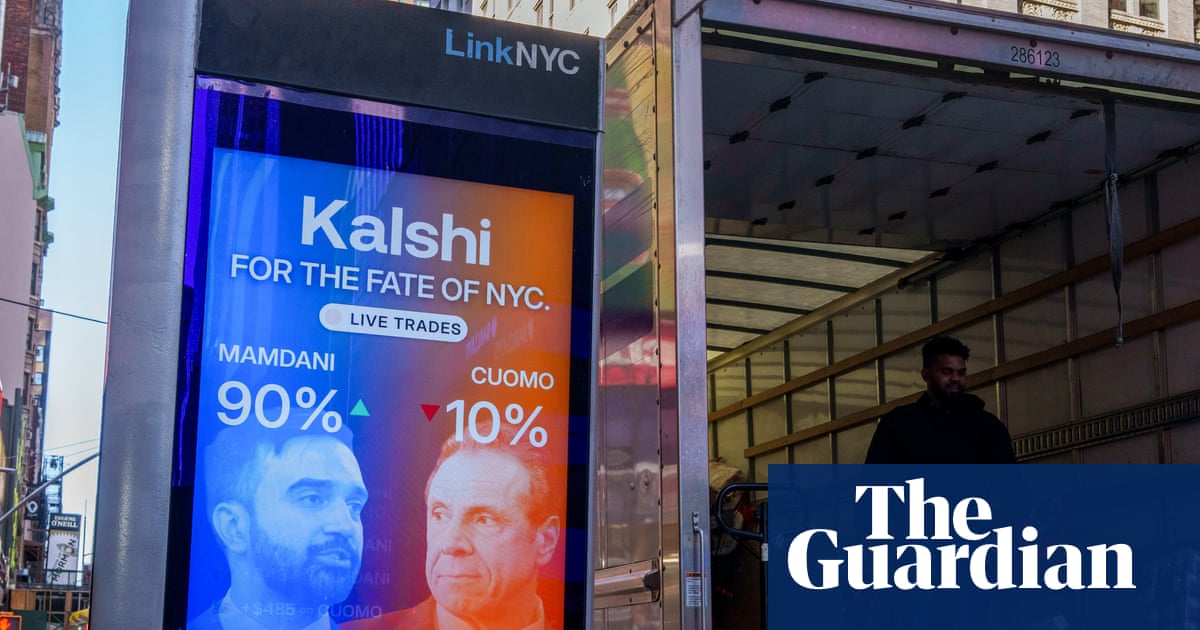
A federal appeals court ruled on Monday that New Jersey gaming regulators cannot prevent Kalshi from allowing people in the state to use its prediction market to place financial bets on the outcome of sporting events.
A three-judge panel of the Philadelphia-based third US circuit court of appeals ruled 2-1 in finding that the US Commodity Futures Trading Commission has exclusive jurisdiction over the sports-related event contracts that Kalshi allows people to trade on its platform.
The ruling marked the first time a federal appeals court has ruled on what has become the central issue in an escalating battle over the ability of state gaming regulators to police the activity of prediction market operators.
“This is a big win for the industry and millions of users,” Tarek Mansour, Kalshi’s CEO, said in a social media post on X.
Kalshi and companies like it allow users to place trades and profit from predictions on events such as sports and elections. States argue that firms including Kalshi are operating without required state licenses, in violation of gaming laws, including bans on wagers by those under 21.
Those states include New Jersey, which last year sent Kalshi a cease-and-desist letter stating that its listing of sports-related event contracts on its platform violated state gambling laws that prohibit betting on collegiate sports.
Kalshi sued the state, arguing its event contracts qualify as “swaps”, a type of derivative contract, that under the Commodity Exchange Act can only be regulated by the CFTC, which had granted the company a license to operate a designated contract market (DCM).
A lower-court judge had sided with New York-based Kalshi and issued a preliminary injunction, prompting New Jersey to appeal. But a majority of the judges on the third circuit panel concluded the Commodity Exchange Act likely preempted state law.
“Kalshi’s sports-related event contracts are swaps traded on a CFTC-licensed DCM, so the CFTC has exclusive jurisdiction,” US circuit judge David Porter wrote.
The ruling was in line with the position advanced in other litigation by the CFTC under Donald Trump’s administration. The regulator last week sued Arizona, Connecticut and Illinois to prevent them from pursuing what it called unlawful efforts to regulate prediction markets.
“Congress gave the CFTC exclusive jurisdiction over trades on DCMs, and this decision affirms the goals of Congress,” Brooke Nethercott, a CFTC spokesperson, said in a statement.
US circuit judge Jane Richards Roth dissented, saying Kalshi is facilitating gambling and that its “offerings were virtually indistinguishable from the betting products available on online sportsbooks, such as DraftKings and FanDuel”.
Jennifer Davenport, the New Jersey attorney general, said in a statement her office is evaluating its options, as the ruling will allow “certain companies to offer sports gambling in our states without following the careful gaming rules that everyone else follows”.
Her office could potentially ask the full third circuit to rehear the case. The issue is also pending before several other courts, including a different federal appeals court in San Francisco that is set to hear arguments next week.
A Nevada judge on Friday said he would issue an injunction preventing Kalshi from offering event-based contracts that run afoul of state gaming law, and a Massachusetts judge had issued a similar ruling that is on hold pending appeal.
When University of Arizona student Kian Sadat handed a flyer to one of his W.A. Franke Honors College classmates last fall, he was actually meeting his future business partner for the first time. Receiving that flyer was Safiya Tarazi, who alongside Sadat now leads Ampira, a technology startup developing a hearing aid intended to provide under-served communities around the world with access to life-changing health care.
Safiya Tarazi and Kian Sadat
Chris Richards/University Communications
The firm combines each student’s individual academic pursuits with a shared interest in health care: Sadat studies electrical and computer engineering in the College of Engineering, while Tarazi studies neuroscience and cognitive science in the College of Science.
The wearable – which is not yet developed – would allow experts to remotely calibrate the technology using hearing‑test data collected by the device, allowing rural populations to connect with experts without potentially travelling hundreds of miles.
“We’re not interested in reusing old hearing aids from the ’80s and ’90s,” Sadat said. “Our goal is to create a new, basic product that incorporates aspects of modern technology like automatic calibration and remote fitting. If you live in places like Phoenix, L.A. or New York and you have hearing issues, you can immediately see an audiologist. That kind of health care system isn’t always available throughout the world, and we want to develop a product for those communities.”
Ampira first debuted in early February when the duo won the campus qualifier for the Hult Prize hosted by the Franke Honors College. The overall contest is supported by international education firm, EF Education First, and challenges college students to solve pressing global issues with viable business ideas that address one of the United Nation’s Sustainable Development Goals. The contest culminates at a global final in September, the winner of which will win $1 million to launch and scale their startup.
Facing off against dozens of other up-and-coming Wildcat entrepreneurs during the competition’s first round, Sadat and Tarazi impressed a panel of university faculty and entrepreneurs to secure a spot in the national competition. Luckily, the duo won’t travel far for the next stage of the Hult Prize, because the U of A is hosting the inaugural western regional finals on April 17 and 18.
The university’s Hult Prize ambitions are driven by The Venture Studio, an entrepreneurial program hosted by the Franke Honors College to provide its students with guidance and support for their potential business ideas. Leading the effort is Scott Hessell, strategic partnership and innovation officer for the college.
Hessell said the Hult Prize perfectly fits with his vision of providing students with the support they need to accomplish the entrepreneurial goals they develop associated with their traditional academic pursuits.
“One of the things I appreciate most about the Hult competition is that students can use the 17 sustainability goals as starting points for their own ideas,” he said. “I have taught entrepreneurship for many years, and almost every student says to me, ‘I just don’t have a good idea, how do I come up with one?’ These goals provide real, tangible problems that need to be solved.”
Preparing for nationals
With the campus qualifier behind them and long to-do lists ahead of the upcoming regional competition, the team behind Ampira is focused on what it needs to deliver next: an updated business model and proof of concept. That work falls heavily on Sadat, who spends much of his free time in his dorm room tinkering with his 3D printer, creating plastic ears and rudimentary designs for their device.
Kian Sadat spends much of his free time 3D printing ears and prototypes parts for Ampira’s low-cost hearing aid.
Chris Richards/University Communications
Sadat expects connectivity and calibration to present the greatest challenges to their design process given the low technological standards of the communities in which they plan to work. To overcome those hurdles, he and Tarazi are looking at existing devices and health care programs for guidance. They have also met with speech, language and hearing scientists as well as audiologists to further develop the structure of remote appointments and are interested in ultimately developing a teleaudiology platform to support their device.
The duo is also investigating potential logistics and support networks for their future device, including partnerships with nongovernmental organizations and nonprofit organizations already operating in under-served communities. The ultimate goal is selling the hearing aid in bulk to those organizations, which would supply the devices to people in need, and contract with Ampira to provide ongoing support.
“Ampira is not just about addressing one individual person’s hearing abilities,” Tarazi said. “It’s about providing access to education and participation in the workforce, improvements in mental health and the sense of community that comes from that.”
ExxonMobil participated as a global sponsor at the 21st International Conference and Exhibition on Liquefied Natural Gas (LNG2026), held in Doha under the patronage of His Highness Sheikh Tamim bin Hamad Al-Thani, Emir of the State of Qatar. Hosted by QatarEnergy, LNG2026 stood as a significant event for advancing innovation, sustainability and collaboration across the LNG value chain.
ExxonMobil’s delegation was led by Chairman and CEO Darren W. Woods, who participated at the opening plenary session sharing insights into the evolving energy landscape and the company’s role in enabling sustainable growth. Senior leaders Peter Clarke, Vice President of LNG, and Andrew Berry, Vice President of Global LNG Marketing, also joined other panel sessions, sharing their expertise and reinforcing the company’s commitment to innovation and knowledge exchange.
“LNG2026 showcased Qatar’s role as it advances its role in the global energy landscape,” said Taher Hamid, President and General Manager at ExxonMobil Qatar. “Participating in this landmark event reflects the strength of our partnership with QatarEnergy. It provided an opportunity to celebrate our shared achievements, deepen industry collaboration, and look ahead as LNG continues to power communities and drive sustainable growth worldwide,” he added.
“The LNG2026 event provided a unique platform to share insights, connect with local talent, and demonstrate how ExxonMobil’s expertise contributes to Qatar’s long-term energy vision. We remain committed to developing skills, strengthening capabilities, and collaborating to advance the country’s leadership in LNG,” said Rashid Al-Hajri, Vice President and Manager of Public and Government Affairs at ExxonMobil Qatar.
For more than three decades, QatarEnergy and ExxonMobil have built one of the world’s most successful LNG partnerships. Together, they drive innovation, integrate advanced technologies and expand LNG supplies to meet global energy needs.
This audio is auto-generated. Please let us know if you have feedback.
Dive Brief:
Coca-Cola has launched a yearlong, nationwide campaign as part of its partnership with America250, the nonprofit organizing the United States Semiquincentennial, per details shared with Marketing Dive.
Central to the effort is a three-minute anthem video, “Drink In America,” that features a reimagined version of “I’d Like to Buy the World a Coke” alongside footage of diverse people, activities and geographies.
The campaign includes limited-edition packaging, some of which can be scanned for prizes, sponsored murals across all 50 states, a community impact goal and more. The effort was designed to be inclusive and arrives at a fraught political moment ahead of the nation’s 250th birthday.
Dive Insight:
Coca-Cola is tapping into one of its most iconic brand assets for a campaign that marks its partnership with America250, turning “I’d Like to Buy the World a Coke” into “I’d Like to Buy America a Coke.” The effort positions the soda as a brand synonymous with American life and a celebration of American unity at a time when people are increasingly negative about the state of the union.
“Coca‑Cola has always reflected the times we live in while helping bring people together,” said Stacy Jackson, vice president of Coca‑Cola Trademark in North America, in a statement. “This milestone is an opportunity to celebrate where we’ve been—and where we’re going.”
The three-minute “Drink In America” video features footage of a choir, comprised of 25 diverse singers from around the country, singing the new, gospel-inspired song. That footage is mixed with a montage of American iconography across rural, urban and suburban settings: baseball, basketball, dominos and fishing; garage bands and marching bands; firefighters, farmers, skateboarders and cowboys; and summer vacations.
The original “Hilltop” ad, developed with agency partner McCann Erickson, represented Coca-Cola’s attempt to appeal to a younger, more global consumer base at a similarly fraught political moment. It is widely regarded as one of the best ads of all time, and has lived on through other Coke campaigns, parodies by other brands and the closing moments of “Mad Men.”
The new campaign also includes limited-edition America250 bottles and the brand’s first-ever collectible mini cans. The cans honor the culture of all 50 states, plus Puerto Rico and the District of Columbia, with a peach for Georgia and a surfer for California, for example. Select products can be scanned for a chance to win prizes like a Jeep, another America250 sponsor.
In addition to advertising, Coca-Cola’s America250 actions include a goal of generating 250,000 volunteer hours in 2026 by working alongside local bottlers and community partners. The programs will focus on issues including food insecurity, disaster relief, sustainability, youth empowerment and honoring military members and veterans. Plus, a “Paint the Nation” public art initiative will create murals across the country.
“Our America250 partnership is an open invitation for communities to participate in this historic moment,” said Shakir Moin, president of marketing for Coca‑Cola North America, in a statement. “We designed this program to be inclusive and impactful. Initiatives like ‘Paint the Nation’ and our volunteer efforts empower employees, bottlers and fans to create meaningful memories and lasting contributions.”
Coca-Cola’s America250 campaign was created by WPP Open X and led by Ogilvy, with support from Burson, VML, Mayan Productions, Optimus Chicago and VAST/Keith Harris. It will continue throughout the year at events including the NASCAR Coca-Cola 600, the PGA Tour Championship, major musical festivals and other large-scale cultural moments.
The brand is running a separate campaign around the FIFA World Cup that hyper-personalizes engagement with consumers at the local level, an approach Moin previously described to Marketing Dive as “de-averaging at scale.”
Traders work on the floor of the New York Stock Exchange (NYSE) at the opening bell in New York on April 2, 2026.
Charly Triballeau | Afp | Getty Images
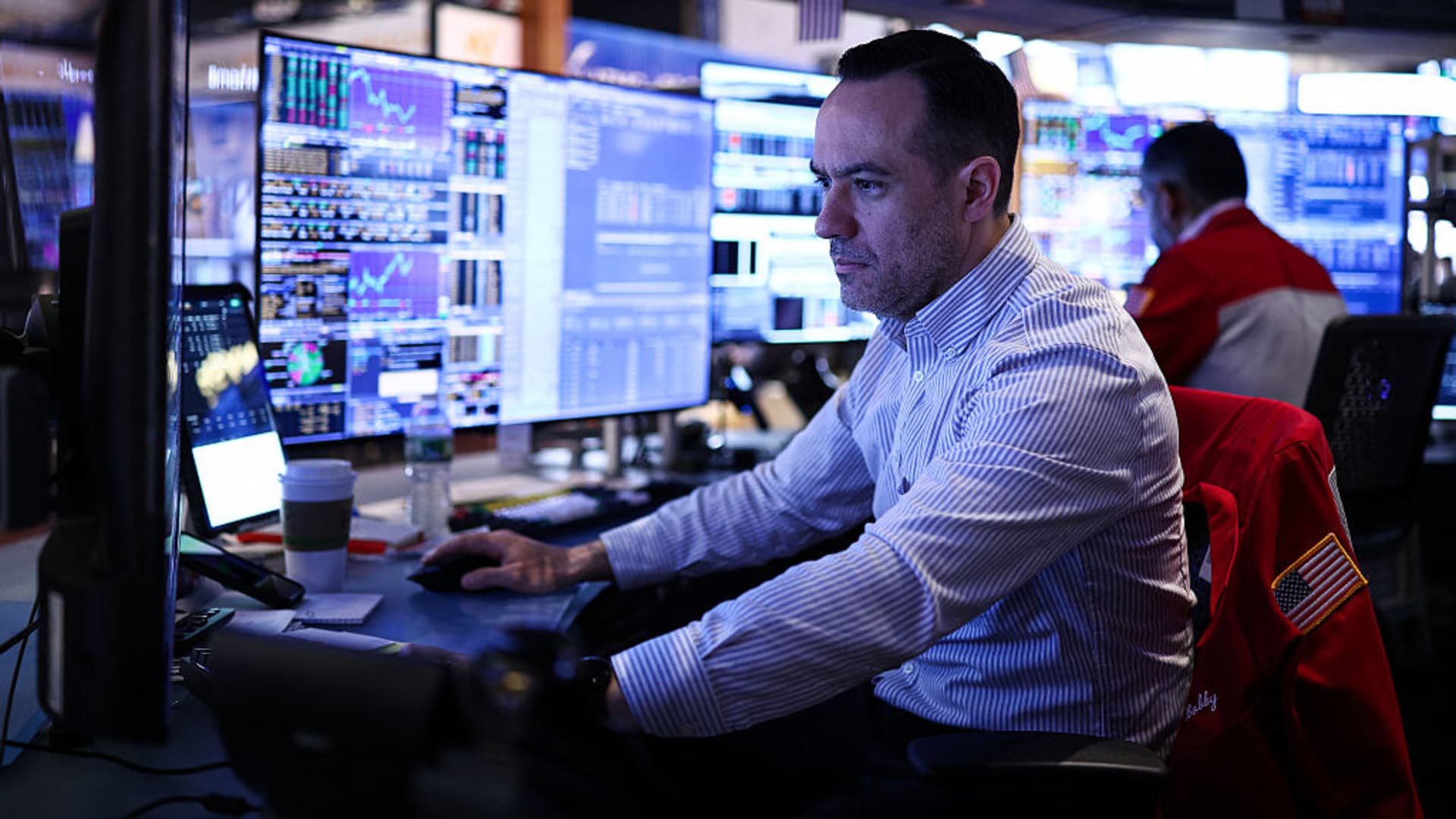
The S&P 500 rose on Monday following a winning week as oil prices pulled back, with traders weighing the odds that the U.S.-Iran war could end soon.
The broad market index ticked up 0.4%. The Nasdaq Composite gained 0.5%, while the Dow Jones Industrial Average climbed 115 points, or 0.3%.
Axios reported that the U.S., Iran, and a group of regional mediators were discussing terms for a potential 45-day ceasefire that could lead to a permanent end to the war, though the chances for reaching a partial deal before the Tuesday deadline were slim. To be sure, a 45-day ceasefire is just one of the many ideas being floated.
Reuters also reported that Iran and the U.S. have received a plan to end hostilities that, if agreed, would result in an immediate ceasefire and the reopening of the Strait of Hormuz. The framework, which could come into effect on Monday, was put together by Pakistan, an unnamed source told Reuters.
President Donald Trump is set to hold a news conference with the military at 1 p.m. ET.
“As the conflict with Iran enters its sixth week persistent concern about the time it will take to arrive at an effective resolution to the conflict will, however, likely remain for now as a negative overhang for market participants to navigate,” said John Stoltzfus, chief investment strategist at Oppenheimer Asset Management.
“We remain positive in our outlook for the markets and the U.S. economy this year with ‘resilience’ the operative word for providing the market with enough opportunities to climb the proverbial ‘wall of worry,’” he added.
Wall Street is coming off a strong performance last week, with the S&P 500 advancing 3.4%. That gain snapped a five-week losing streak and marked the benchmark’s best weekly performance since late November.
The Dow and Nasdaq also ended their respective five-week slides. The former advanced 3% for the week, while the latter popped 4.4%.
Those gains weren’t easy to come by, however. The major averages experienced wild swings during the week as traders assessed updates on the U.S.-Iran war and gauged when the conflict may end.
On Sunday, Trump warned the U.S. would strike Iran’s power plants and bridges if the Strait of Hormuz isn’t opened by Tuesday. “Tuesday will be Power Plant Day, and Bridge Day, all wrapped up in one, in Iran. There will be nothing like it!!!” Trump said in a Truth Social post.
Oil prices whipsawed in volatile trading at the start of the week. The U.S. West Texas Intermediate for May was last 0.2% lower at above $111 per barrel. International benchmark Brent crude prices were also little changed at above $108 per barrel.
Monday will mark the first session during which investors will be able to react to the stronger-than-expected March jobs report, which came out on Friday. U.S. markets were closed due to Good Friday.
Correction: The S&P 500 rose 3.4% last week. A previous version misstated the gain.
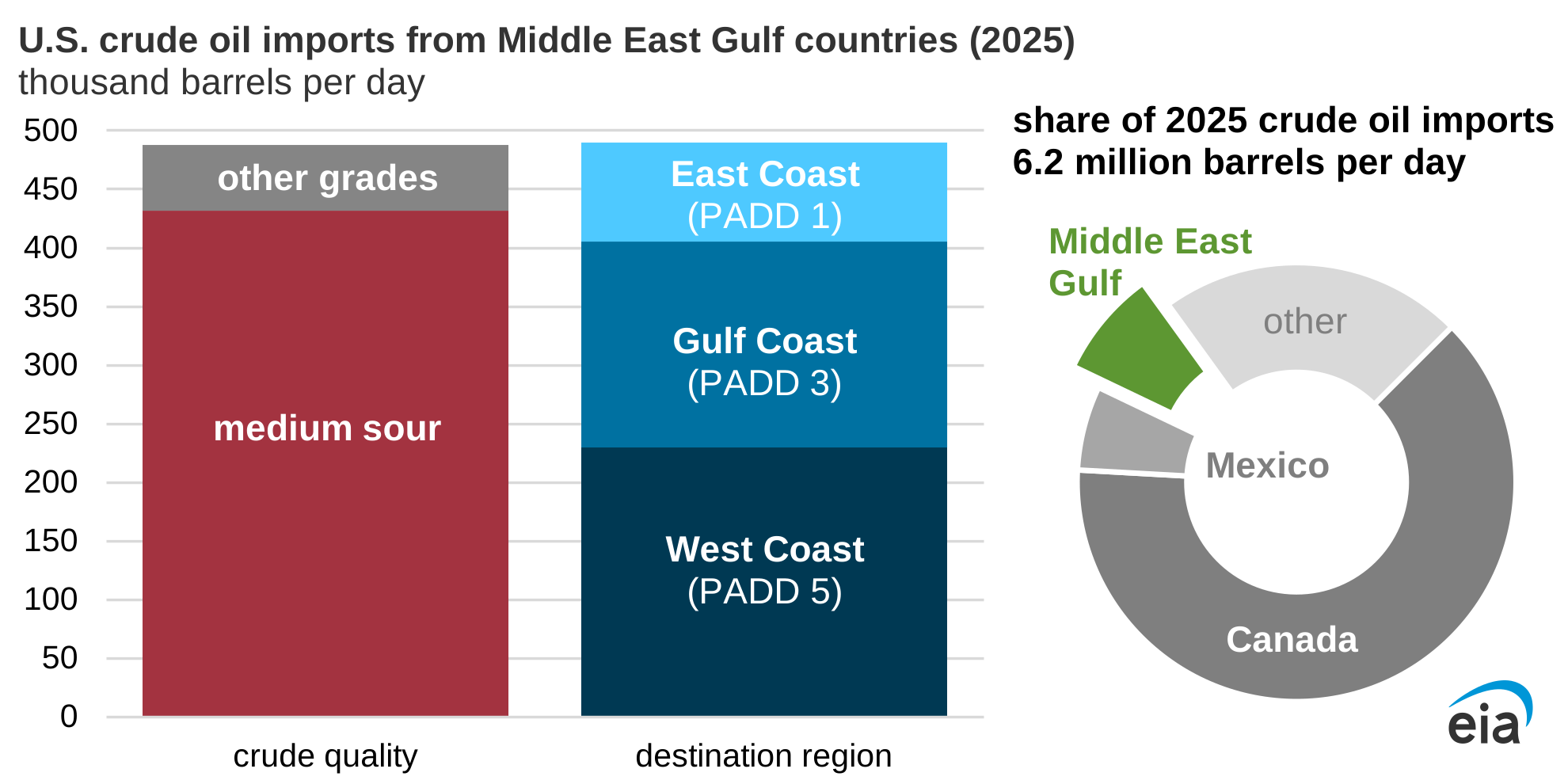
Data source: U.S. Energy Information Administration, Company Level Imports Note: Medium crude oil grades refer to crude oils with an API gravity between 22 degrees and 38 degrees, and sour refers to any crude oil with a sulfur content of 0.5% or greater; Middle East Gulf refers to imports from Bahrain, Iraq, Kuwait, Oman, Qatar, Saudi Arabia, and the United Arab Emirates.
In 2025, the United States imported an average of 490,000 barrels per day (b/d) of crude oil from the Middle East Gulf region—Bahrain, Iraq, Kuwait, Oman, Qatar, Saudi Arabia, and the United Arab Emirates (UAE). Crude oil imports from the region are primarily medium sour grades of crude oil and flow mainly into the West Coast and Gulf Coast of the United States.
Read More ›
In-brief analysis
Apr 2, 2026
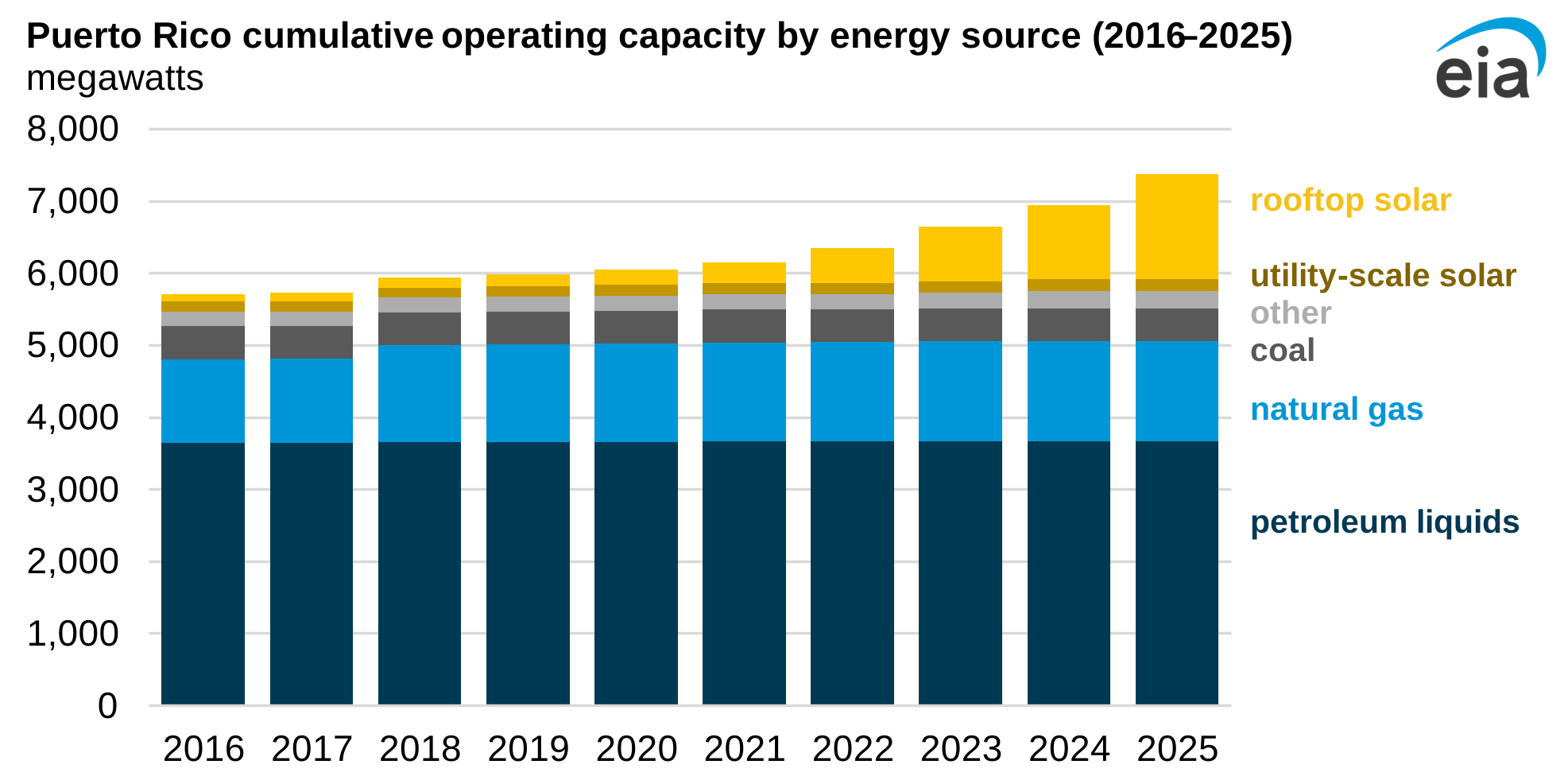
Rooftop solar generating capacity in Puerto Rico totaled 1,456 megawatts (MW) at the end of 2025, 20% of the overall capacity mix. Rooftop solar capacity has increased faster than other sources over the past decade. Between 2016 and 2025 rooftop solar installations accounted for 81% of the new generating capacity in Puerto Rico, according to data from our Electric Power Monthly and Puerto Rico Energy Bureau’s (PREB) Quarterly Report on System Data. In 2025, rooftop solar became the second-largest capacity source, after petroleum liquids capacity (3,671 MW), and surpassed natural gas capacity (1,391 MW).
Read More ›
In-brief analysis
Apr 1, 2026
Data source: U.S. Census Bureau
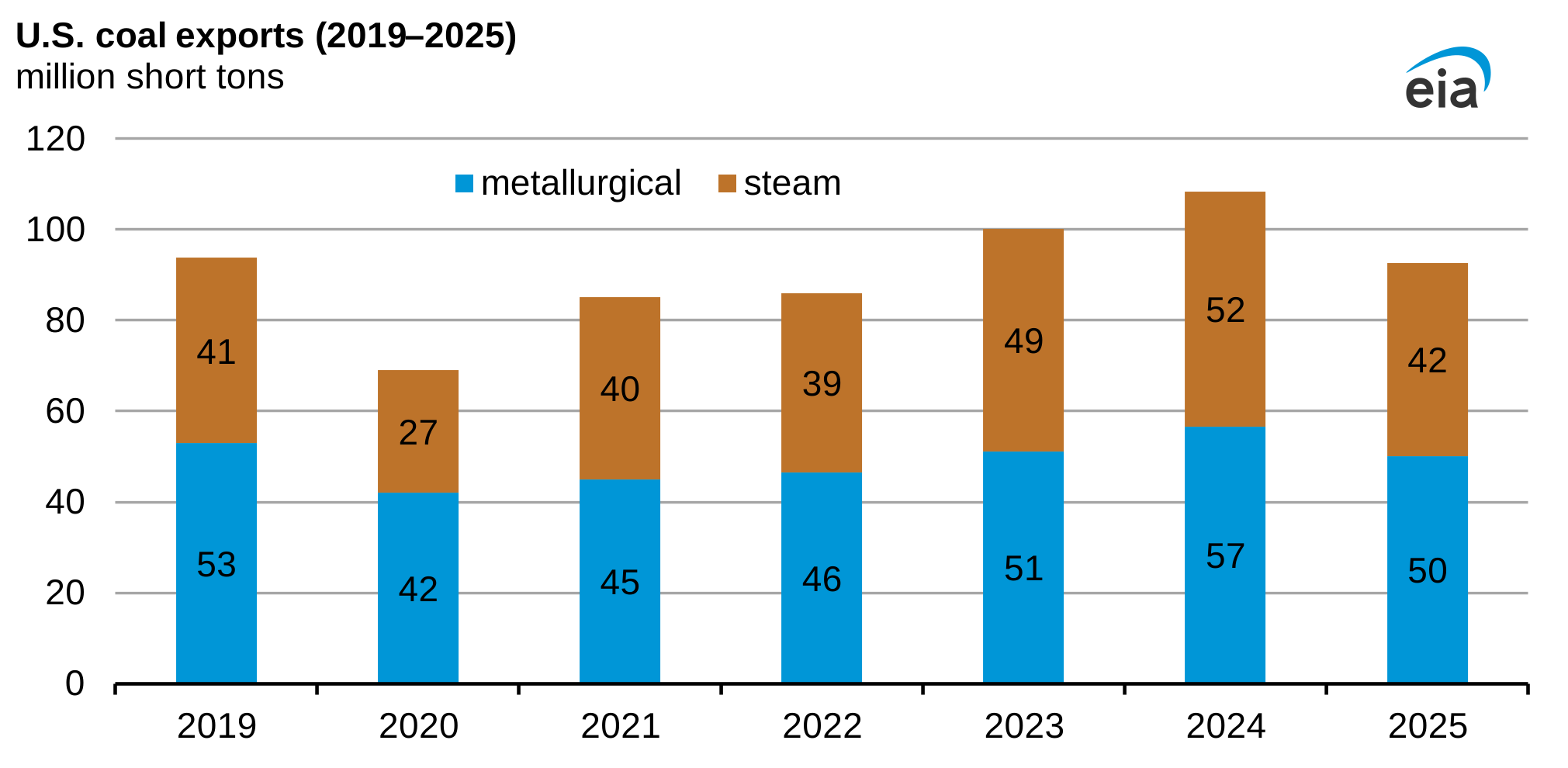
After four years of growth, U.S. coal exports decreased by 16 million short tons (MMst) in 2025, according to data released by the U.S. Census Bureau. Exports totaled 93 MMst in 2025, compared with 108 MMst in 2024. Thermal coal exports fell by 18%, and metallurgical coal exports fell by 11%.
Read More ›
In-brief analysis
Mar 31, 2026
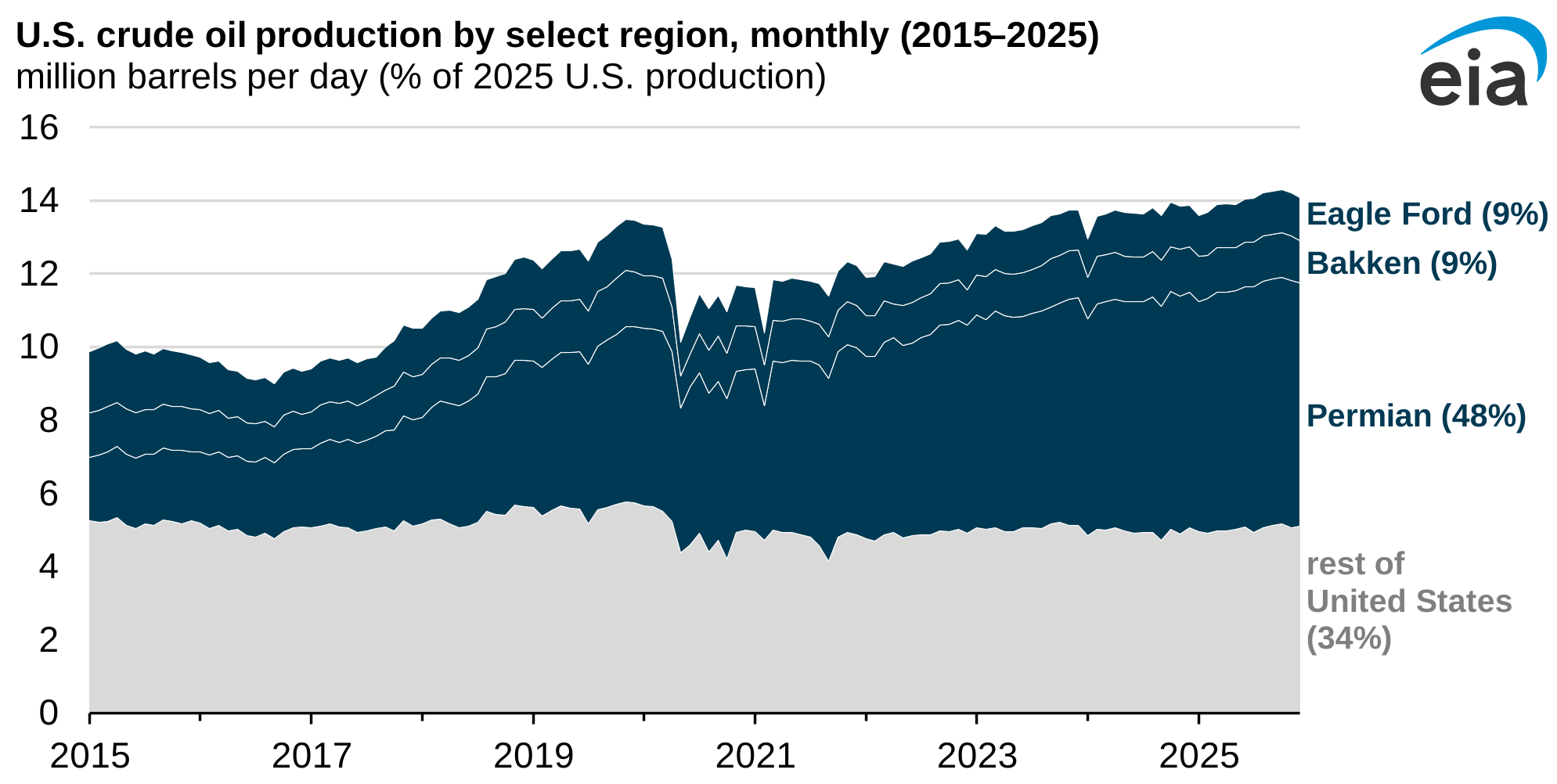
U.S. crude oil production grew by 3%, or 350,000 barrels per day (b/d), in 2025, setting a new annual production record of 13.6 million b/d, according to our latest Short-Term Energy Outlook (STEO). Production from the Lower 48 states excluding the Gulf of America (L48) accounted for 11.3 million b/d, or 83% of the total U.S. crude oil production in 2025. The rest of the production came from Federal Gulf of America (GOA) and Alaska.
Read More ›
In-brief analysis
Mar 30, 2026
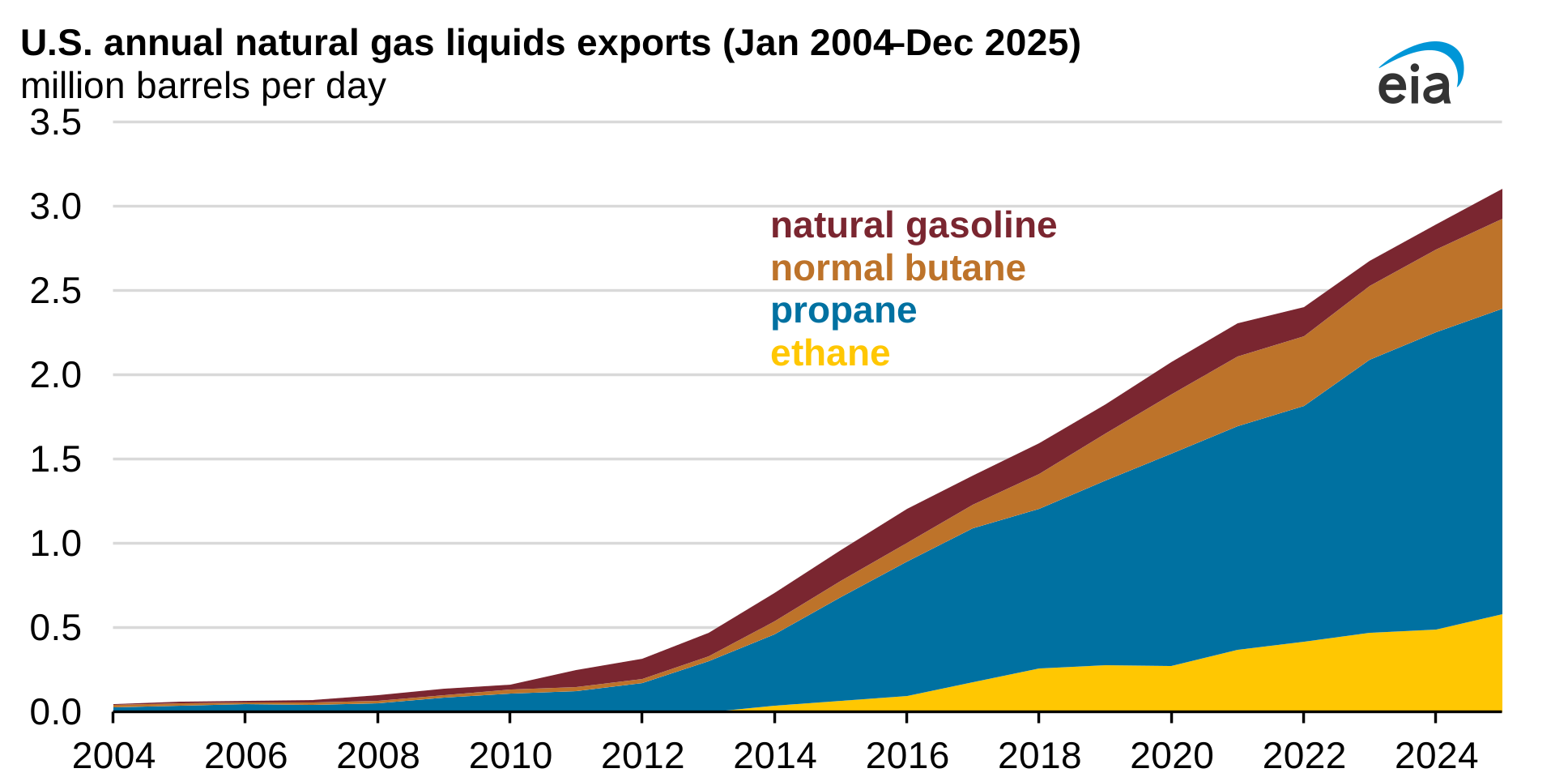
Natural gas plant liquids (NGPL) exports reached 3.1 million barrels per day (b/d) in 2025, growing 7% from the previous year. These fuels are primarily extracted from the natural gas stream. NGPL plant production has increased every year since 2005, driven by higher production of NGPLs and more global demand for NGPLs, especially as petrochemical feedstocks.
Read More ›
In-brief analysis
Mar 26, 2026
Data source: Argus Freight
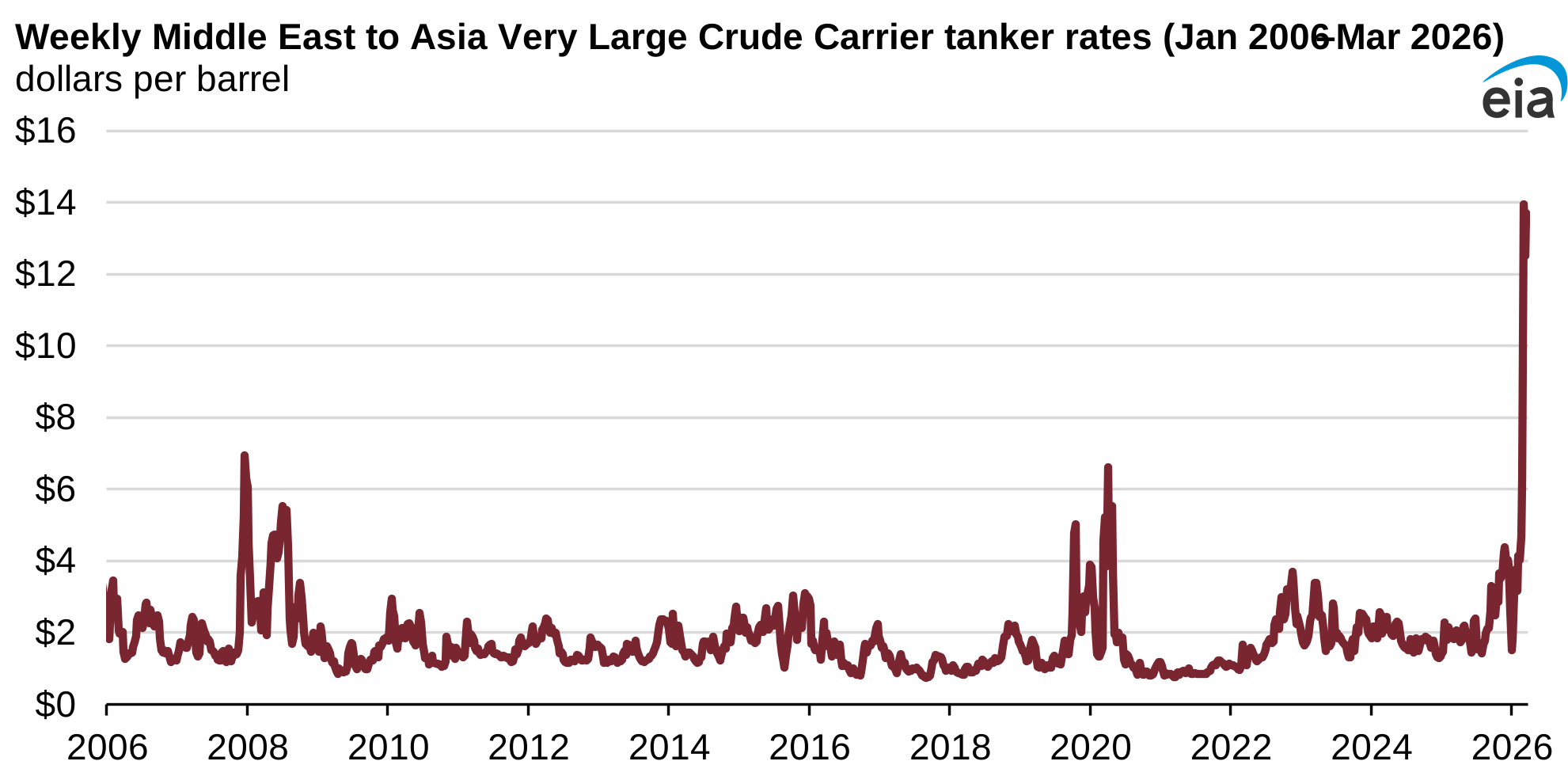
In March 2026, tanker rates for Very Large Crude Carriers (VLCCs) leaving the Middle East to Asia were the highest since at least November 2005, when data were first recorded. The price increase followed Iran’s closure of the Strait of Hormuz on March 2.
The Strait of Hormuz is an important chokepoint, connecting the Persian Gulf to the Gulf of Oman and Arabian Sea. The physical risk of attacks on vessels attempting to traverse the Strait of Hormuz, as well as the high cost of war risk insurance for vessels to do so, drove crude oil tanker rates from the Middle East Gulf to all destinations to record highs.
The high risk and effective closure of the Strait has led to a backup of vessels confined in the Persian Gulf that had already loaded crude oil from various Gulf countries. The confined vessels reduce the availability of global tanker capacity, which increases tanker rates.
Crude oil tanker rates from the Americas, especially the U.S. Gulf Coast, also rose to record highs because of high demand for crude oil and fewer vessels available for shipment.
Clean tanker (used for petroleum products) and natural gas carrier rates have also increased. On March 17, the U.S. Department of Homeland Security issued a temporary waiver for compliance with the Jones Act, which may contribute to additional shifts in global shipping and tanker availability.
Read More ›
In-brief analysis
Mar 25, 2026
Data source: U.S. Energy Information Administration, Annual Coal Report and Quarterly Coal Report Note: The 2025 data points are annualized using the first three quarters of 2025 data from the most recent Quarterly Coal Report.
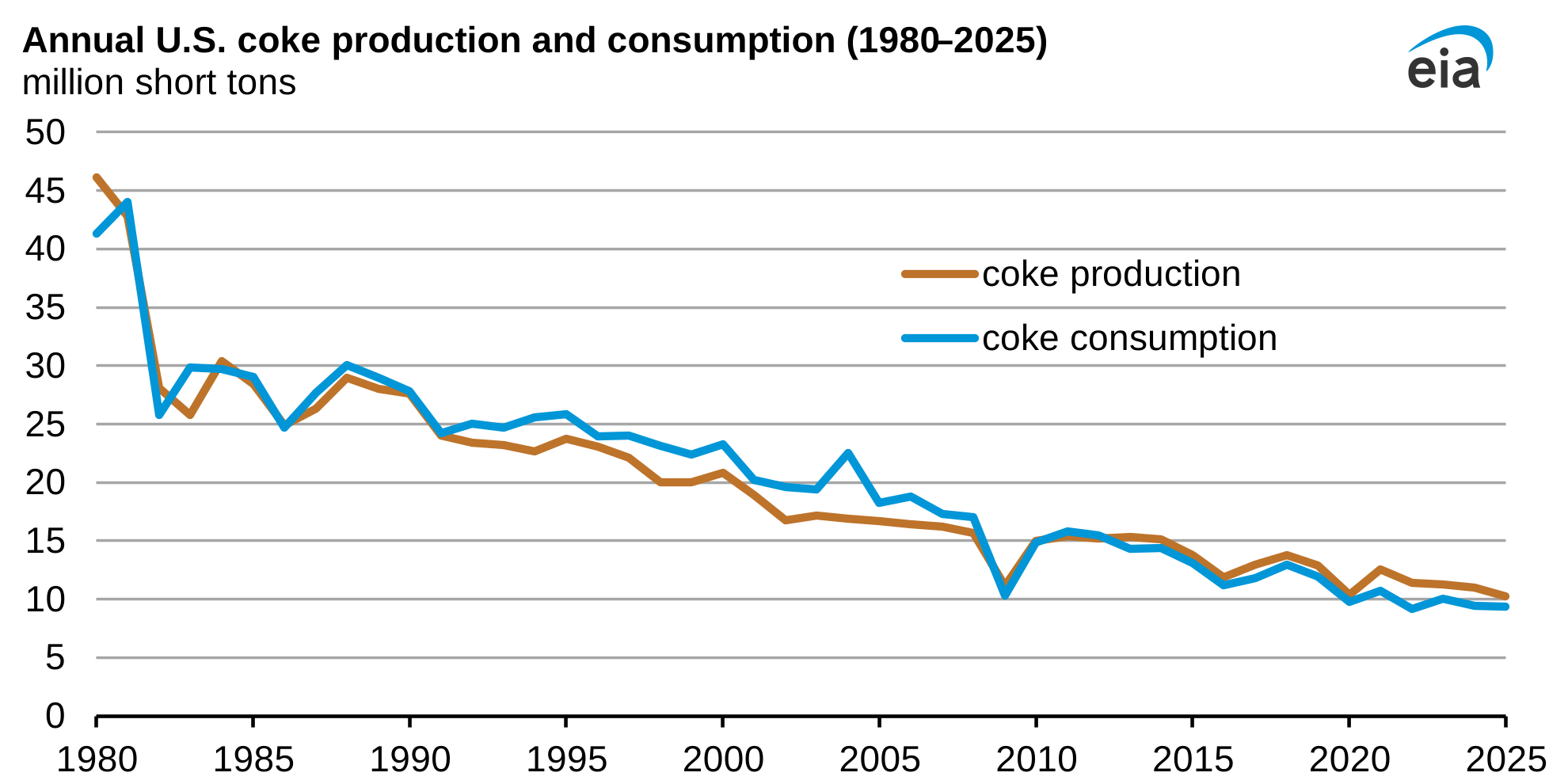
The United States produced 10 million short tons (MMst) of coke used in steel manufacturing in 2025, a drop of 78% from 1980 when it produced 46 MMst, according to EIA’s most recent Annual Coal Report and Quarterly Coal Report. Similarly, we estimate the United States consumed 9.3 MMst of coke in 2025 compared with 41 MMst in 1980, a decline of 77%, by annualizing the first three quarters of data from the most recent Quarterly Coal Report.
Read More ›
In-brief analysis
Mar 24, 2026
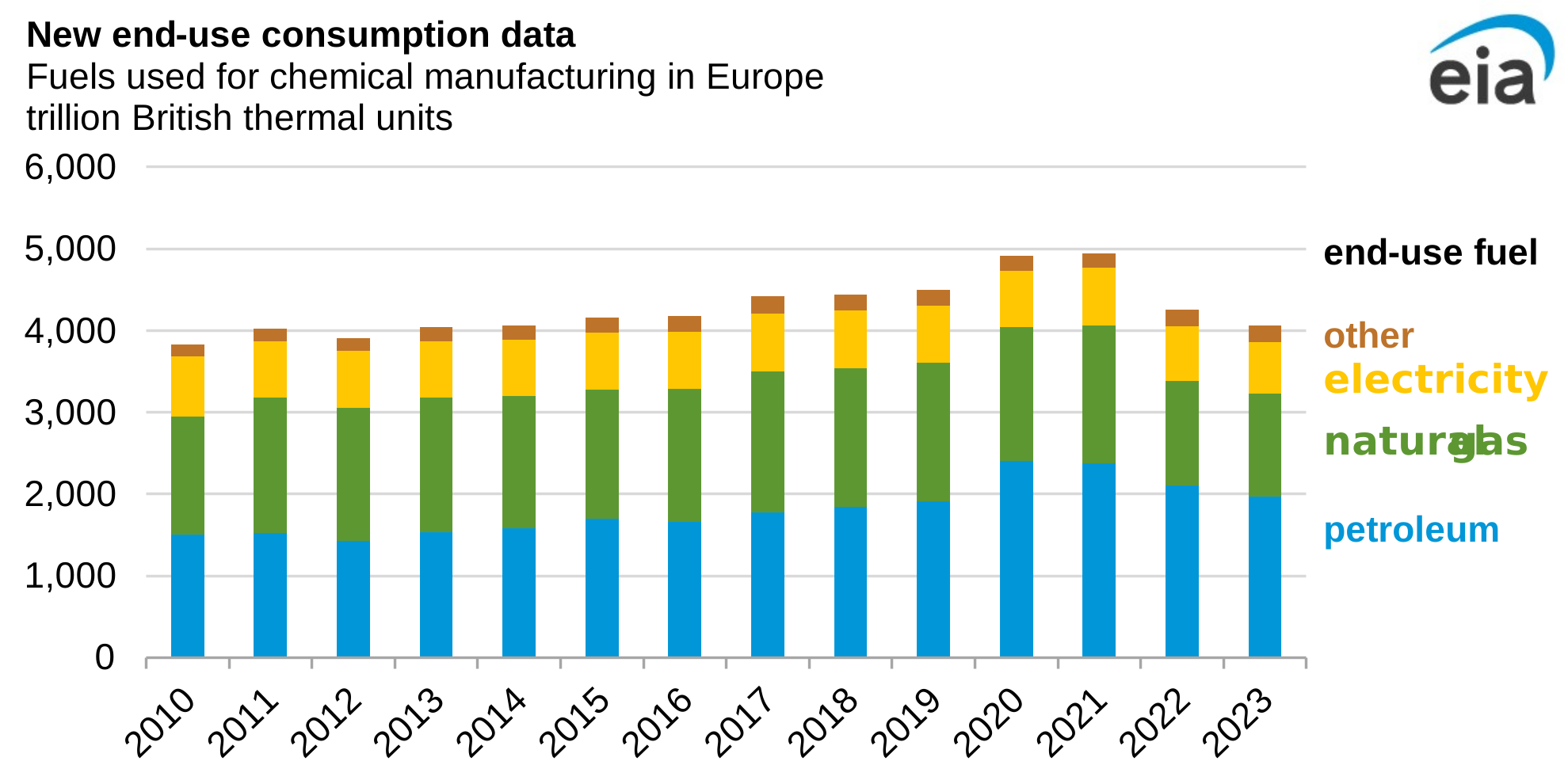
We have released a new international dataset containing end-use consumption data for most countries of the world, with annual data through 2023. The new data set disaggregates the existing total international consumption values into up to 34 end-use sub-sectors, such as construction, mining, refining, residential, and commercial. Our end-use data set categorizes end-use consumption by region, country, fuel, sector, and sub-sector in which the energy is consumed. In the example above, we break down the fuels used in Europe to produce chemicals.
Read More ›
In-brief analysis
Mar 23, 2026
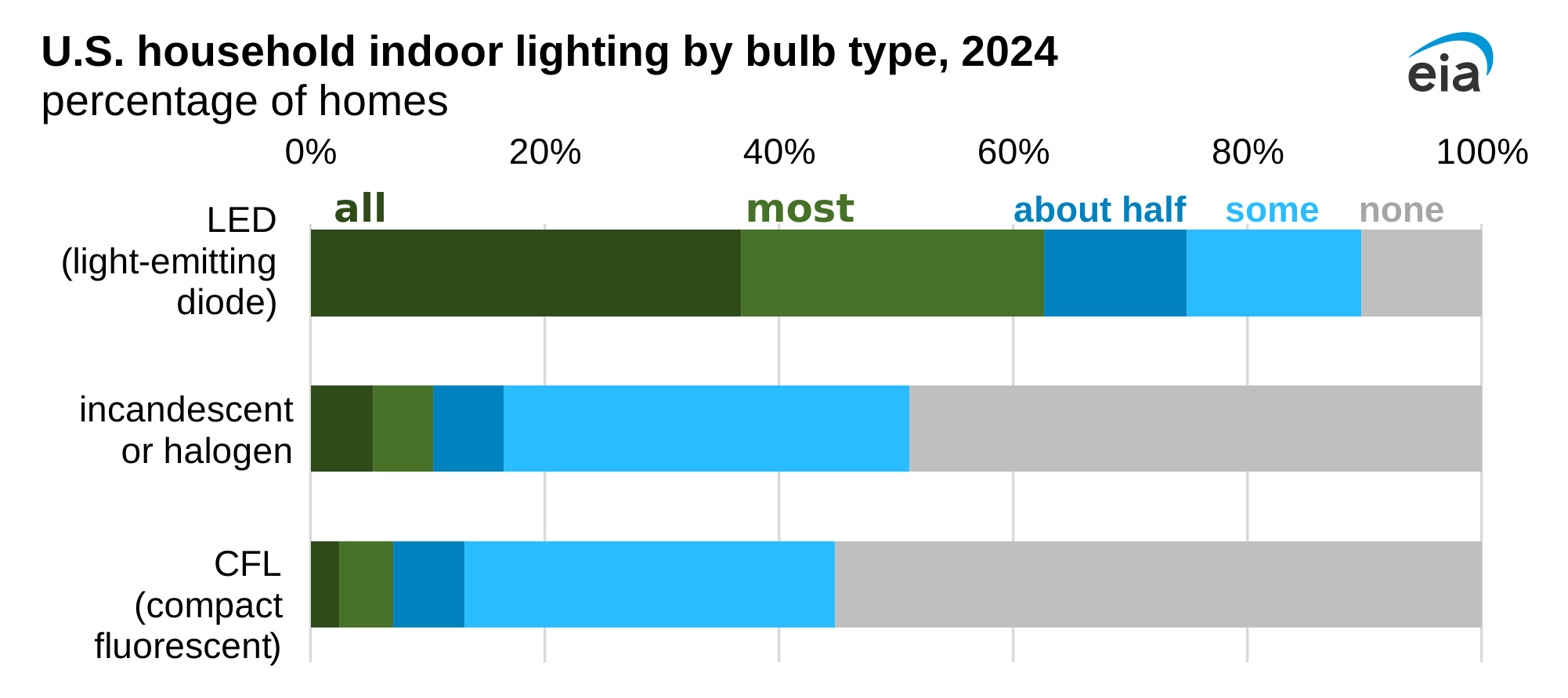
Although homes can have a mix of bulbs for indoor lighting, 90% of U.S. households reported using light-emitting diode (LED) bulbs, according to the most recent results of the Residential Energy Consumption Survey (RECS). Over one-third of households (37%) used LED bulbs for all indoor lighting. In contrast, 5% of households reported using incandescent or halogen bulbs and 2% used compact fluorescent (CFL) bulbs for all indoor lighting.
Read More ›
In-brief analysis
Mar 20, 2026
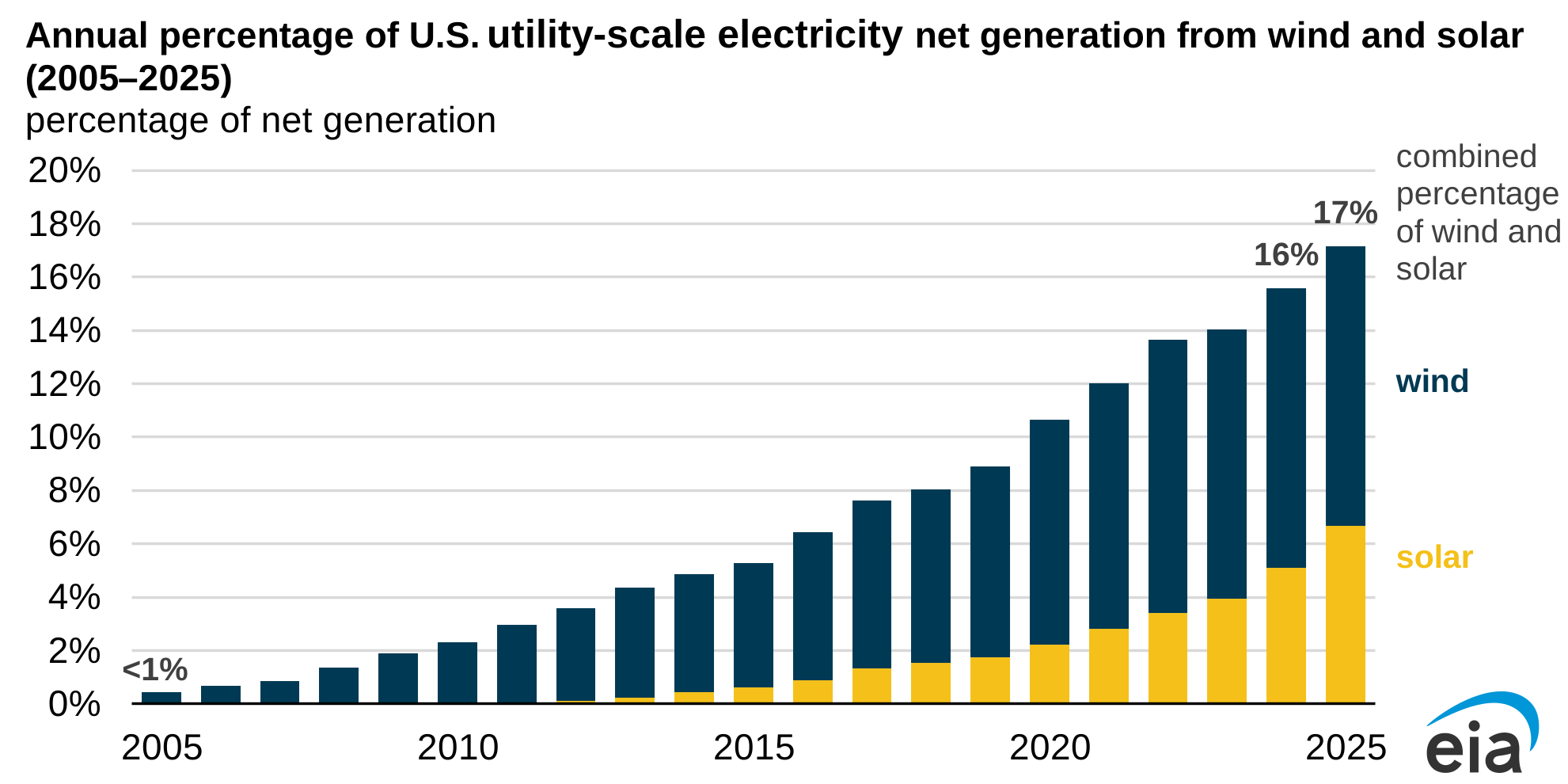
Over the past 20 years, electricity from wind power and utility-scale solar power has increased to 17% of generation in the United States compared to less than 1% in 2005. In 2025, net generation of wind and solar together accounted for 760,000 gigawatthours (GWh) of electricity, 88,000 GWh more than in 2024, according to data from our Electric Power Monthly. We classify a power plant as utility-scale if it has at least 1 megawatt of generating capacity.
Read More ›
In-brief analysis
Mar 19, 2026
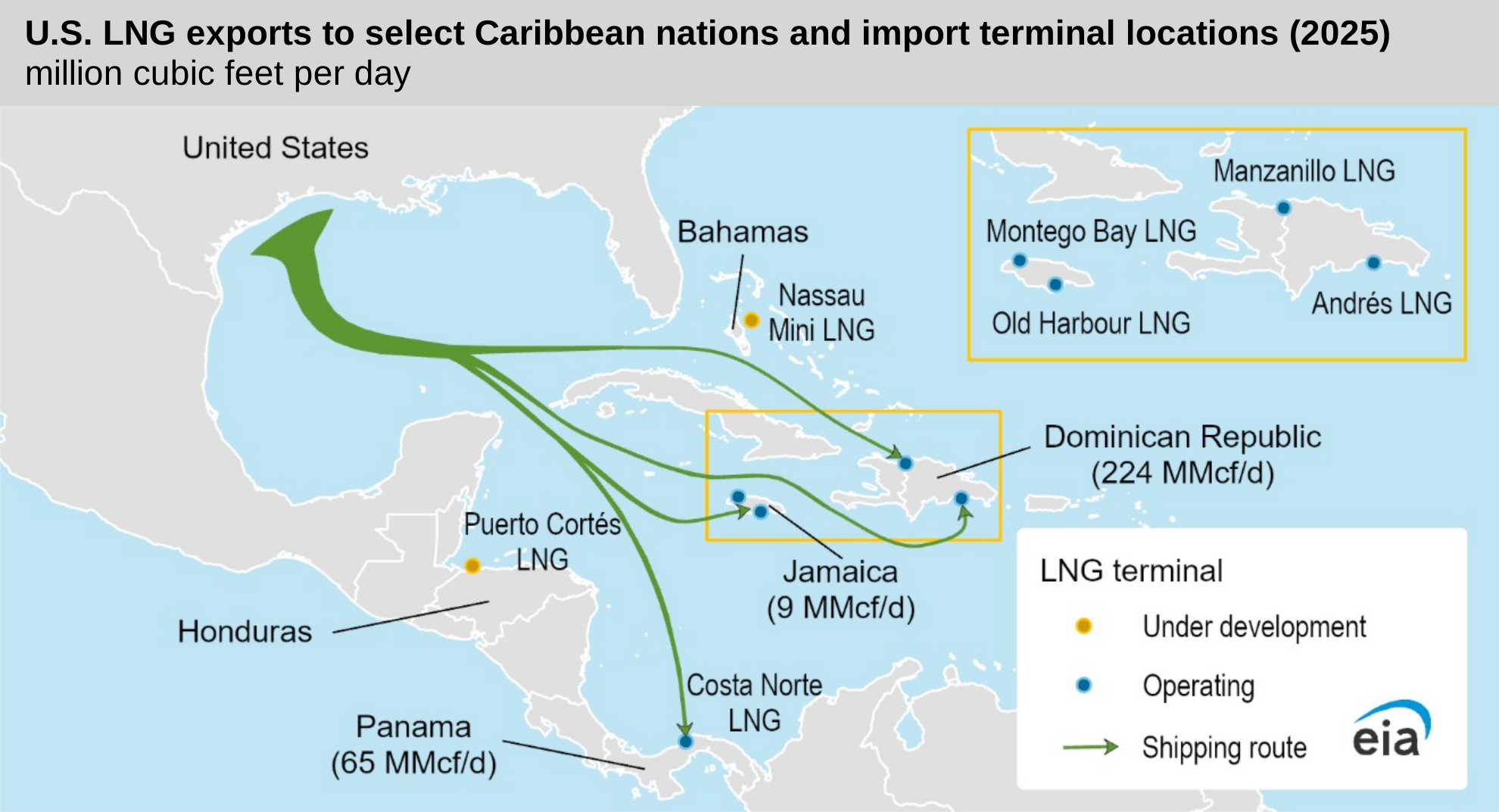
Data source: U.S. Energy Information Administration, Vortexa Analytics, trade press reports Note: LNG=liquefied natural gas; MMcf/d=million cubic feet per day
The United States exported approximately 0.3 billion cubic feet per day (Bcf/d) of liquefied natural gas (LNG) to destinations in the Caribbean in 2025, the second-highest volume since the first LNG cargo departed Sabine Pass in 2016, according to the U.S. Department of Energy’s LNG Exports and Re-Exports Details.
Read More ›
In-brief analysis
Mar 18, 2026
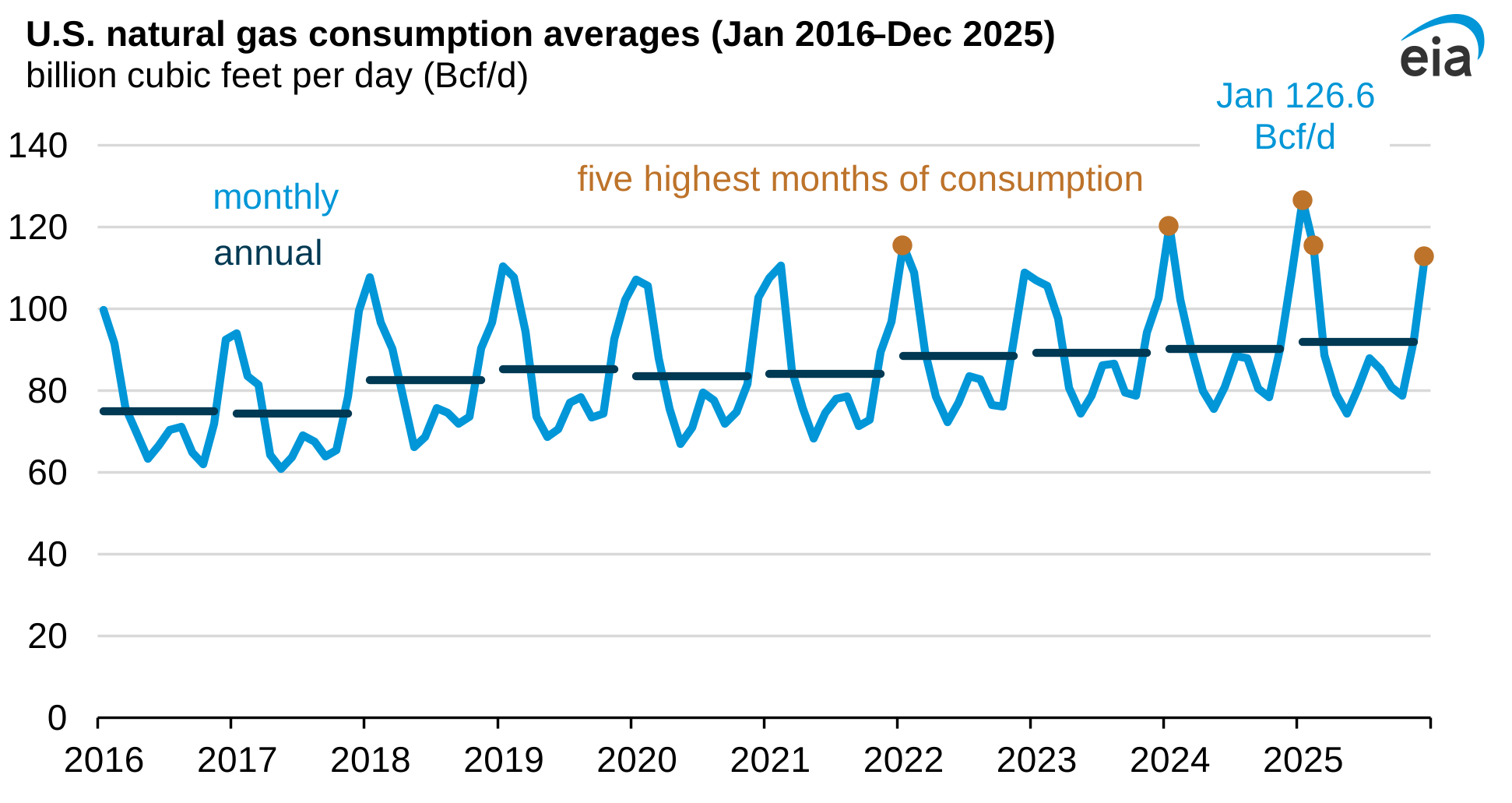
U.S. natural gas consumption averaged a record 92.0 billion cubic feet per day (Bcf/d) in 2025 and set a new winter monthly record of 126.6 Bcf/d in January 2025, according to data in our Natural Gas Monthly. Overall, U.S. natural gas consumption last year increased 2% (1.7 Bcf/d) from 2024. In January 2025, natural gas consumption was up 5% (6.3 Bcf/d) compared with January 2024.
Read More ›
In-brief analysis
Mar 17, 2026
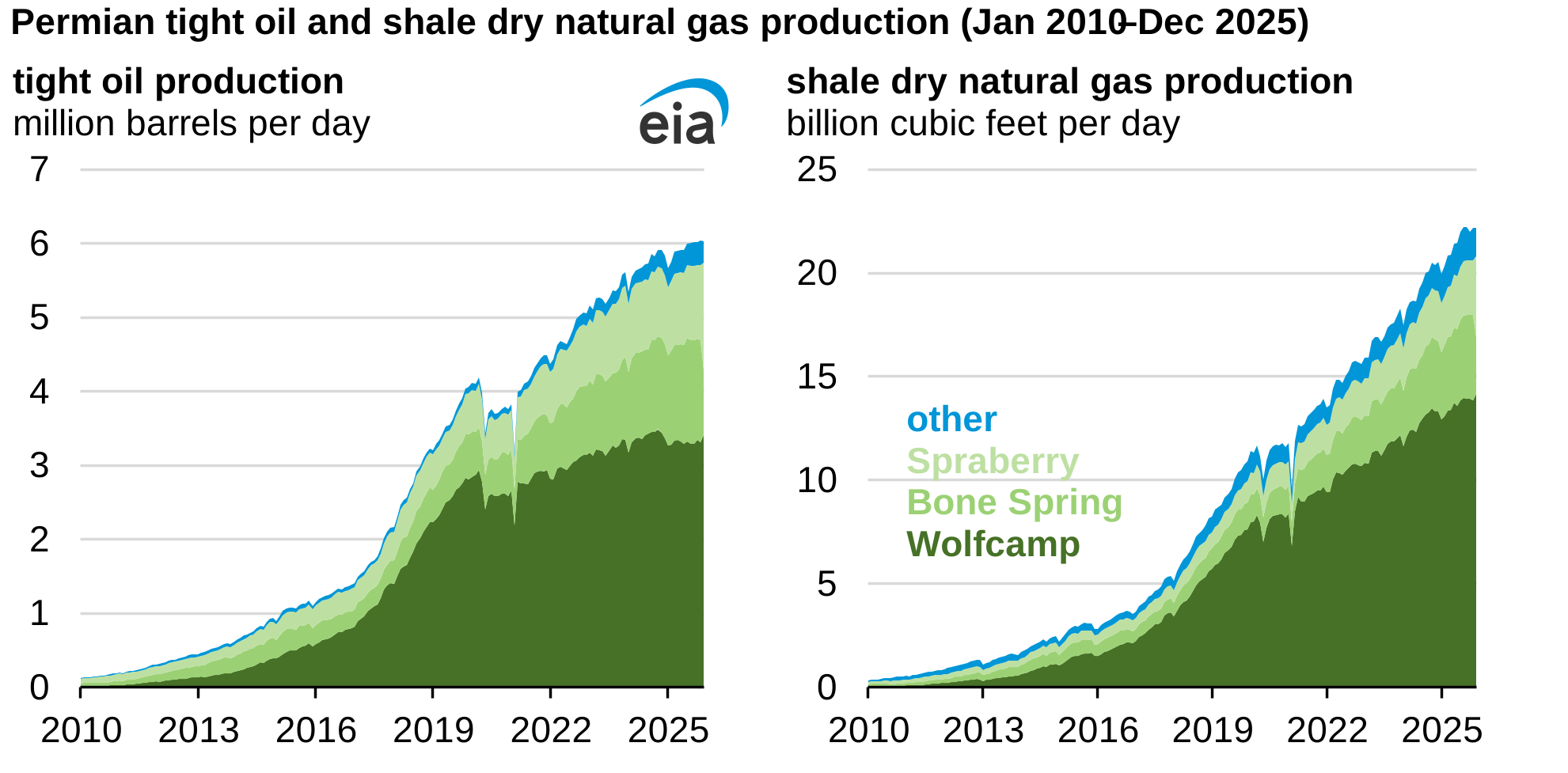
Data source: U.S. Energy Information Administration, Short Term Energy Outlook (Table 10b), March 2026, and Enverus Note: Other contains the Avalon, Barnett, Dean, and Woodford plays
We added the Avalon, Barnett, Dean, and Woodford plays within the Permian Basin to our estimates by formation for Permian tight oil and shale natural gas production in our March 2026 Short-Term Energy Outlook (STEO). The Permian formations already included the Spraberry, Bone Spring, and Wolfcamp plays. EIA periodically reviews and updates our play designations according to the latest interpretation of geologic information in identifying crude oil and natural gas production from tight oil and shale formations. At the same time, we removed the Delaware and Yeso-Glorieta plays. These modifications are isolated to the Permian formations, resulting in a net increase for tight oil production by 0.2 million barrels per day (b/d) and shale gas production by 0.8 billion cubic feet per day (Bcf/d) for 2025, compared with previous estimates.
Read More ›
In-brief analysis
Mar 16, 2026
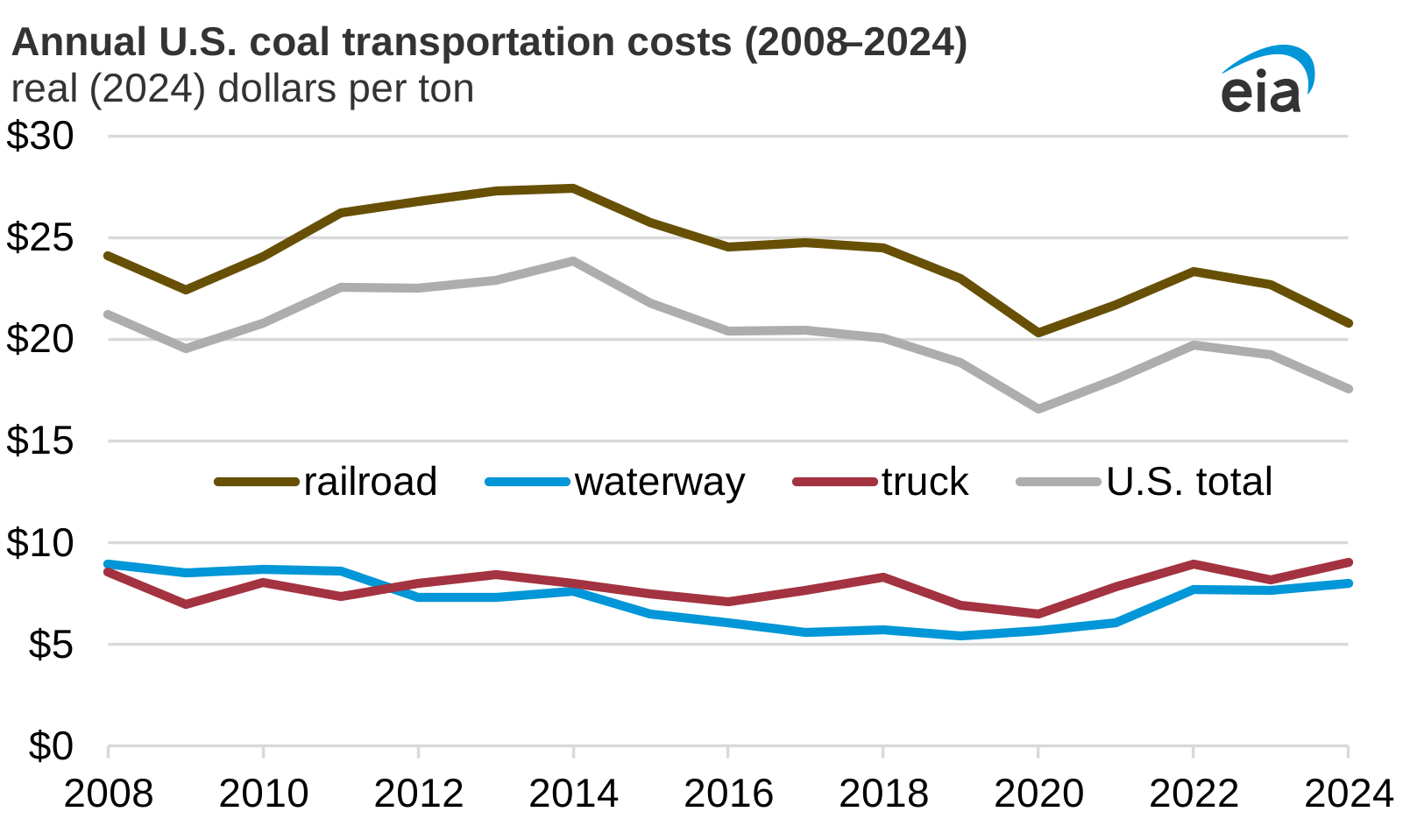
We released new data on the electric power sector’s coal transportation costs. The release incorporates final data for 2024 from Form EIA-923, which we collect from electric power plant owners and operators. The data release includes tables with costs, in nominal and real (2024) dollars, across regions, states, and modes of transportation.
Read More ›
In-brief analysis
Mar 13, 2026
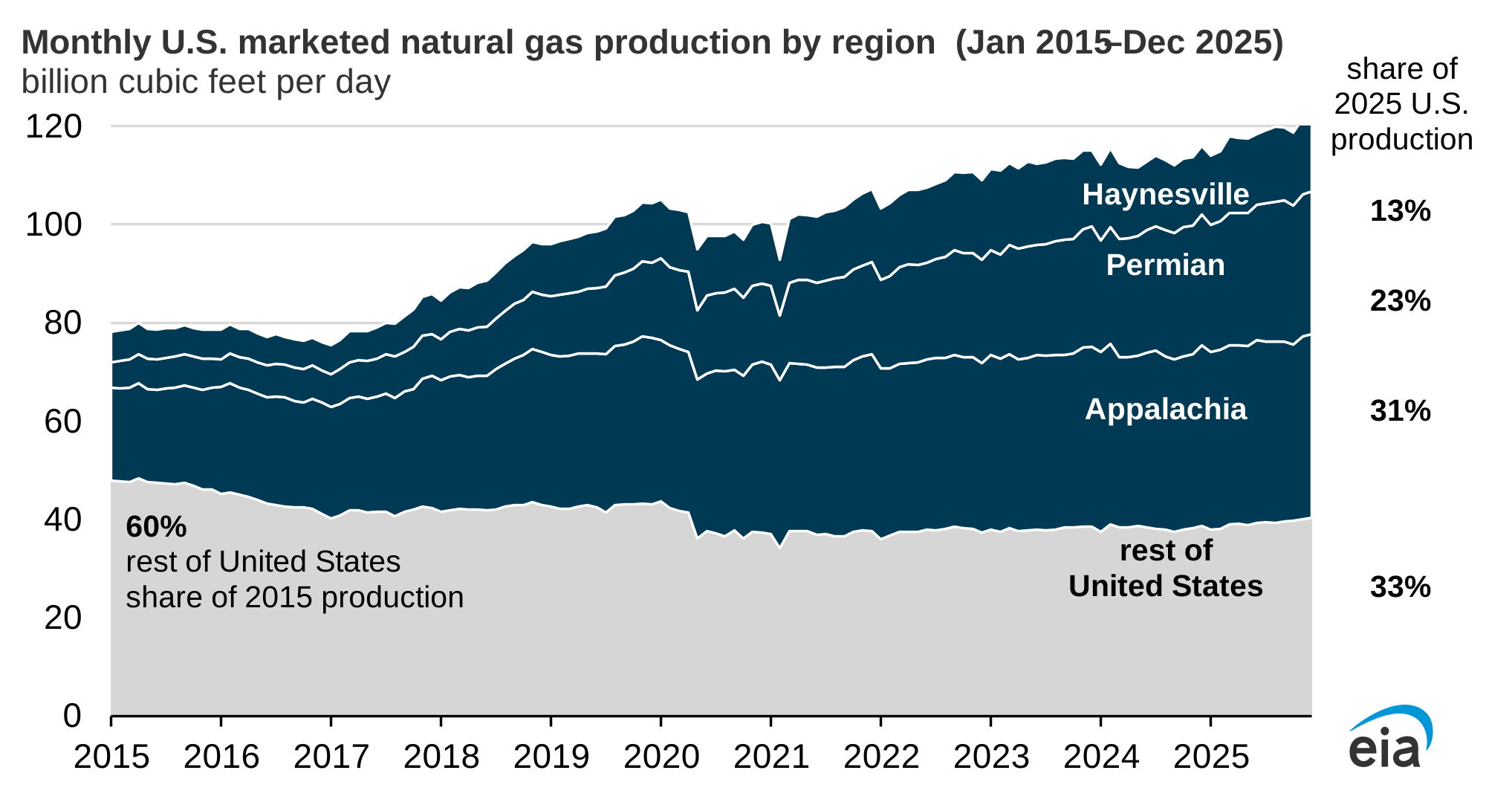
U.S. marketed natural gas production reached a new record in 2025, growing by 5.3 billion cubic feet per day (Bcf/d) to average 118.5 Bcf/d, according to our latest Natural Gas Monthly. Three regions—Appalachia, Permian, and Haynesville—accounted for 67% of the total marketed gas production in the United States in 2025 and for 81% of the growth last year.
The Institute of Chartered Accountants of Scotland (ICAS) has urged the Financial Reporting Council (FRC) to provide clearer safeguards and risk disclosures in its proposed temporary amendment to the UK’s Third Country Auditor (TCA) policy.
The organisation detailed its position in a formal response to the FRC consultation, which was launched in February, following a request from the UK government.
The proposal would temporarily alter the TCA framework to make it easier for certain entities registered in China to list in London.
In its submission, ICAS said “we believe it is reasonable to allow the listing in London of the securities of eligible Chinese businesses.”
However, the body also stated that it is “not convinced that sufficient information and evidence has been included within the FRC’s proposals to address the information needs of investors and the potential risks of the proposed amendment.”
ICAS argued that any listings permitted under the revised policy must build in clearer protection for market participants.
It said any listing should carry clear warnings and protections so investors have enough information to judge whether anything could affect the reliability of the financial reporting.
The institute pointed out that Chinese auditing standards differ from International Standards on Auditing (UK) and said this divergence needed to be plainly set out.
It underlined the need to spell out for prospective investors the key differences, the associated risks and their possible effects, so they can make well‑informed assessments and decisions.
ICAS also suggested that regulators and government departments should take responsibility for explaining these technical issues if they expect broad engagement with the consultation.
ICAS said: “This is a specialist topic so if wider stakeholder views are expected on the proposals contained in this consultation paper, we believe that the onus is on the FRC, Financial Conduct Authority and Department of Business & Trade (DBT) to explain the differences, risks and impact for the UK market to help inform consultees and maximise informed responses.”
“We note that there may be reciprocal opportunities for the UK but we would like to see more information on this with an explanation of how it supports longer-term growth and evidence of the demand in the consultation paper.”
ICAS also requested further clarification from the Department for Business & Trade on how the proposals align with government economic objectives.
“We are not fully persuaded why a temporary amendment is needed and question if this is being rushed through without appropriate due process.
“We would like information on whether the FRC would be able to inspect the work of the Chinese firms involved in any such audits and, if so, deal with any issues identified,” it added.
“ICAS calls for clearer safeguards in FRC’s TCA policy” was originally created and published by The Accountant, a GlobalData owned brand.
The information on this site has been included in good faith for general informational purposes only. It is not intended to amount to advice on which you should rely, and we give no representation, warranty or guarantee, whether express or implied as to its accuracy or completeness. You must obtain professional or specialist advice before taking, or refraining from, any action on the basis of the content on our site.