(Bloomberg) — Copper rose toward a record, as base metals opened the week in bullish form aided by concerns over supplies and a weaker dollar.
Three-month futures rose as much as 1.5% to $13,195 a ton in London, as aluminum and tin traded at the highest levels since 2022. The red metal used in wires and cables has gained more than 20% since mid-November on bets that a flow of metal to the US — ahead of the Trump administration’s decision on import tariffs — will leave the rest of the world short of supply.
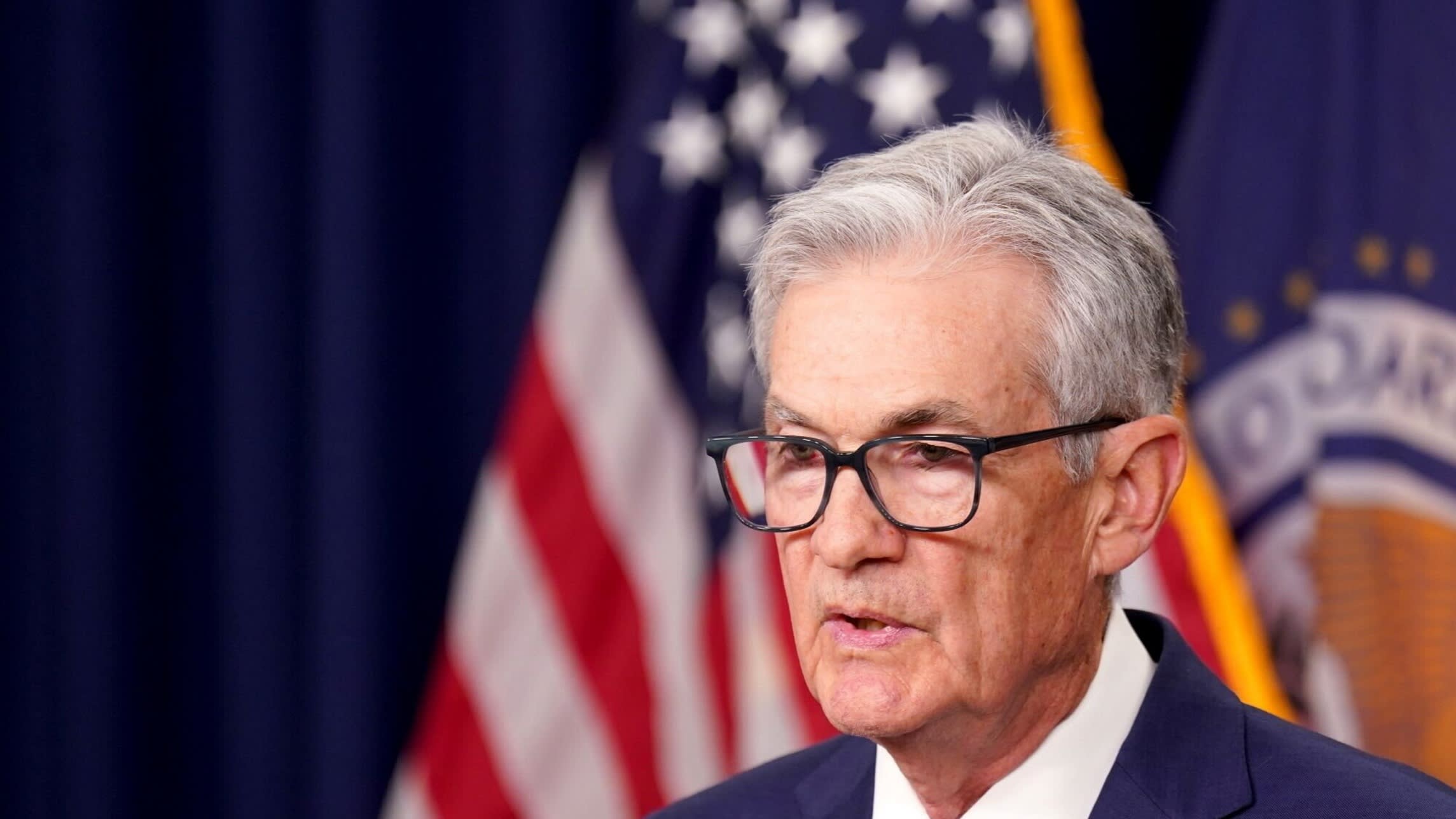
Investors were also grappling with the implications of the US Justice Department threatening the Federal Reserve with a criminal indictment, which Chair Jerome Powell said was part of a campaign by the Trump administration to influence interest-rate decisions. The dollar fell, boosting commodities.
Metals have enjoyed a strong rally over the new year period, with the catch-all LMEX Index posting four weekly gains, the best run since August. Investors have been piling into hard assets seen as possible winners from US monetary easing, a weaker dollar, and the fracturing of supply chains. Copper hit a fresh peak last week, while aluminum and nickel both surged on Friday.
Copper holdings in Comex-tracked warehouses — one barometer of shifts in global holdings — have expanded for 42 weeks straight to a record.
Copper was 0.9% higher at $13,116.50 a ton on the London Metal Exchange at 11:14 a.m. in Shanghai. Among other metals, aluminum was up 0.7%, set for the highest close since April 2022 in the aftermath of Russia’s invasion of Ukraine. Tin rose more than 3%, taking gains since the start of the year to 16%.
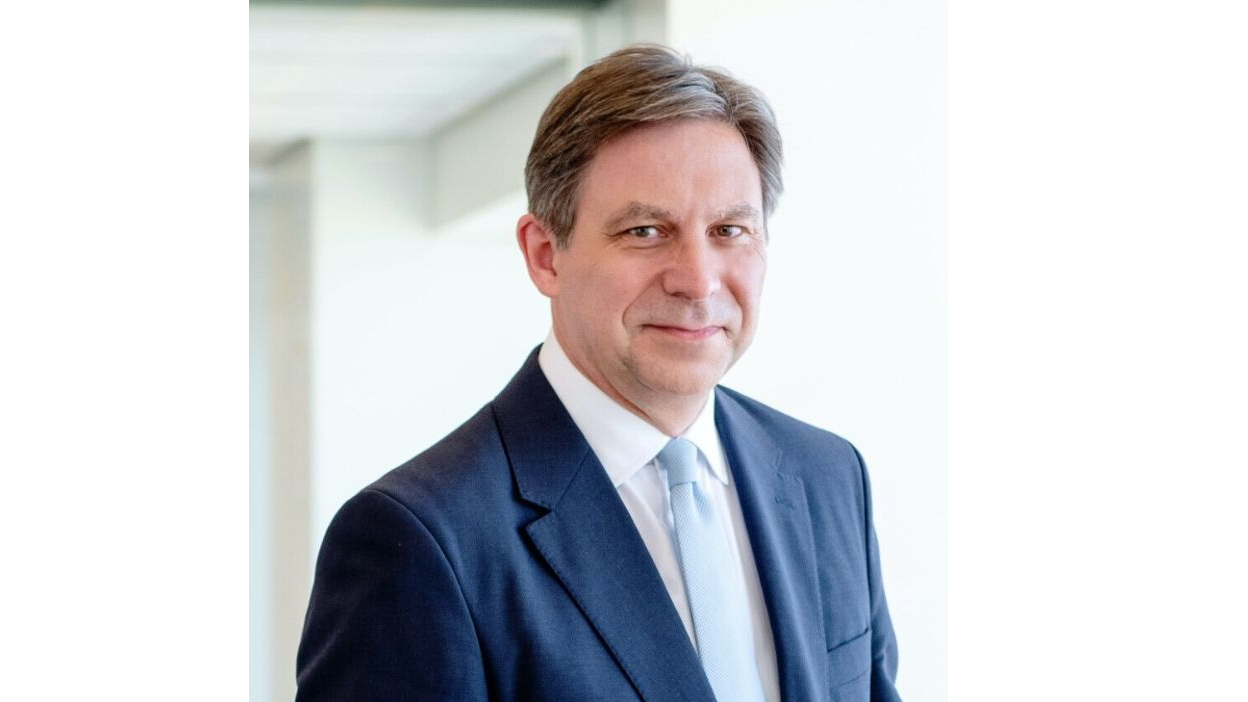
The National University of Singapore (NUS) and the Monetary Authority of Singapore (MAS) have jointly appointed Professor Alan M. Taylor as the MAS Distinguished Term Professor in Economics and Finance from 12 to 16 January 2026. Professor Taylor will be hosted by the Department of Economics at the NUS Faculty of Arts and Social Sciences and the Economic Policy Group of MAS during the term of the Professorship.
Professor Taylor is currently Professor of International and Public Affairs at Columbia University. He has been an external member of the Monetary Policy Committee at the Bank of England (BOE) since September 2024 and is a member of the Council on Foreign Relations Professor Taylor is also a research associate at the National Bureau of Economic Research (NBER) and the Center for Economic Policy Research (CEPR).
Professor Taylor is widely recognised for his work on international trade, finance, macroeconomics and economic history. He has published in the leading economics journals including the American Economic Review, Econometrica and the Quarterly Journal of Economics. Professor Taylor was the Houblon-Norman/George Fellow at the BOE in 2009 to 2010 and awarded the John Simon Guggenheim Memorial Fellowship in 2004.
Professor Lionel Wee, Dean of NUS Faculty of Arts and Social Sciences, said, “We are privileged to host Professor Alan Taylor as the MAS Distinguished Term Professor. He brings a distinctive breadth of experiences and insights drawn from academia, industry, and the policy realm. Professor Taylor’s work has fundamentally reshaped our views of economic history and macro-finance, precisely at a time when the world economy is going through multiple, significant upheavals.”
Mr Edward Robinson, Deputy Managing Director (Economic Policy) and Chief Economist, MAS, said, “Professor Taylor is one of the pioneer researchers into the empirics of exchange rate behaviour, financial crises and capital flows in the context of the ‘open economy trilemma’, which says that a country cannot simultaneously maintain fixed exchange rates, free capital movement and independent monetary policy. His recent research with co-authors on the global natural interest rate has gained traction amongst central banks worldwide and comes at an opportune time as policymakers grapple with questions about the appropriate calibration for monetary policy in a post-pandemic environment. It is our great privilege to welcome him as the 24th MAS Term Professor.”
Professor Taylor will deliver a public lecture at NUS on 14 January 2026 titled, “Driving over the peak — or a false summit?” Drawing on historical perspectives from the first age of globalisation in the 1800s to the present day, he will examine whether we have reached “peak trade” and explore the implications for monetary policy in an era of potential downswing in globalisation. In addition, Professor Taylor will engage in dialogue sessions with NUS faculty members to discuss his latest research findings.
Professor Taylor will also give a talk at MAS and engage senior policymakers and economists on international economics and monetary policy issues.
About the MAS Term Professorship in Economics and Finance
First established in 2009, the MAS Term Professorship in Economics and Finance is awarded to distinguished scholars, who are appointed as Visiting Professors at the Department of Economics at the NUS Faculty of Arts and Social Sciences, the NUS Business School, or the Lee Kuan Yew School of Public Policy. It aims to strengthen Singapore’s financial and economics research infrastructure and contribute to a vibrant research community and culture at local universities. Since its inception, the MAS Term Professorship in Economics and Finance has been awarded to 24 distinguished scholars over the last 15 years.
Battery systems behave differently in hot and humid climates, but much of the global evidence base has been developed for cooler regions.
Malaysian authorities are working with CSIRO researchers to examine how different battery chemistries perform and are managed as energy storage under tropical conditions.
The work has implications for Australia’s tropical north and neighbouring Southeast Asian and South Pacific regions where heat and humidity can significantly influence battery performance, safety and lifespan.
Malaysia has set an ambitious target to increase its renewable energy share to 70 per cent by 2050. Meeting this goal will require investment in reliable, safe and cost-effective energy storage solutions—such as battery energy storage systems—to manage intermittency, maintain grid stability and address peak demand challenges, particularly for solar generation.
Battery energy storage systems behave differently in hot and humid climates, yet most available research has been developed for cooler regions. For Malaysia, this gap affects how batteries are selected, designed and managed in conditions where heat and humidity significantly influence performance, safety and lifespan.
Recognising the need for climate-specific evidence, Malaysia’s Sustainable Energy Development Authority (SEDA) and CSIRO, undertook a joint study — supported by the Australian government’s Partnerships for infrastructure (P4I) initiative — to assess how different battery chemistries perform under Malaysia’s tropical conditions.
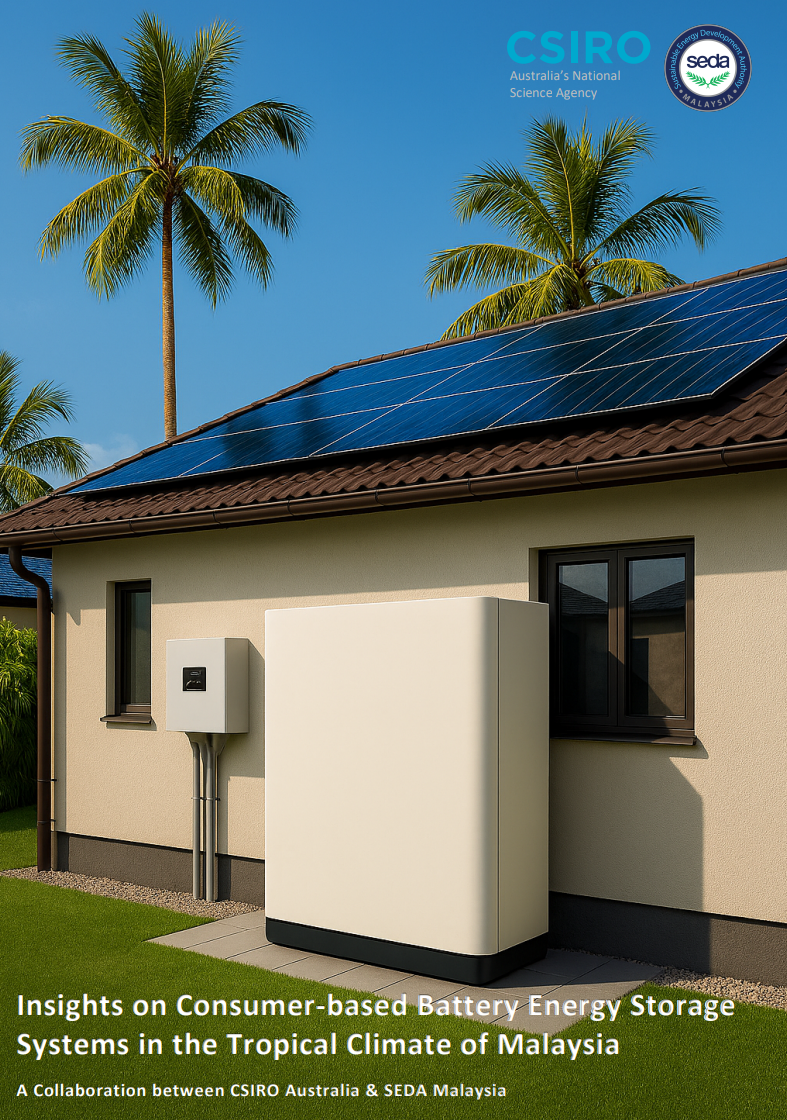
The joint report, Insights on Consumer-based Battery Energy Storage Systems in the Tropical Climate of Malaysia, reviews six battery chemistries. It provides a structured overview of factors that shape how battery energy storage systems operate in tropical environments and establishes a clear baseline for future planning and deployment across residential, commercial and industrial applications.
CSIRO’s Dr Mahathir Almashor, Senior Engineer, Energy Systems Program, said:
“This study was shaped by both scientific interest and practical relevance. Most international battery research comes from cooler regions including Japan, China, Europe and the United States. This creates a knowledge gap for countries operating in hot and humid climates. Malaysia’s conditions, together with SEDA’s strong interest in the topic, made it a natural partner. The findings are also highly relevant for northern Australia, where similar tropical environments exist.”
CSIRO energy storage leader, Dr Asem Mousa (second right), hosting SEDA’s Mr Saiful Hakim (centre) and team at CSIRO’s Ian Wark Laboratory in Melbourne
The study highlights several factors that shape how storage systems perform in Malaysia’s climate.
“Consistently high temperatures can accelerate side reactions leading to shorter life and higher risk of thermal runaway. However, Malaysia’s relatively stable temperature range offers more favourable conditions for most battery chemistries,” said Dr Almashor.
“Malaysia’s stable temperature range (22-32°C) also avoids the deep seasonal temperature swings that accelerate degradation in colder regions.”
However, consistently high humidity — often reaching 80–90 per cent — remains a significant challenge. Dr Almashor explained: “Humidity can accelerate corrosion and contribute to failures, even when battery energy storage systems are housed in climate-controlled enclosures. This risk is exacerbated by the lack of dedicated studies to the effects of humidity and salinity on specific chemistries. This report is a strong start in highlighting this research gap and its associated challenges.”
Mr Saiful Hakim Abdul Rahman, Director, Strategic Planning, SEDA emphasised that these findings reinforce the need for climate-appropriate system design, including protective enclosures, ventilation and thermal management tailored to Malaysian conditions.
“This research will support several policy processes, including the development of standards, guidelines and frameworks for safe, economically sound battery energy storage systems deployment,” said Mr Rahman.
The SEDA team said that the report’s international benchmarking is particularly valuable as Malaysia prepares updates to its National Renewable Energy Policy and Action Plan and continues implementing the National Energy Transition Roadmap.
“They will also inform SEDA’s training modules and technical materials, ensuring climate-related considerations—such as enclosure design, thermal management and chemistry suitability—are incorporated in industry guidance,” said Mr Rahman.
Both SEDA and CSIRO see opportunities to extend the work. SEDA identified several areas where further analysis would be valuable, including cost–benefit assessments for battery energy storage systems at different points in the grid, the development of a national-level energy storage roadmap, and studies on repurposing electric vehicle batteries for stationary applications. The team also expressed interest in exploring reverse power flow (from consumer to grid), drawing on Australian experience to support more flexible integration of distributed energy resources (DER) such as rooftop solar.
CSIRO, meanwhile, noted that the study has already attracted interest from other Southeast Asian technical agencies and research partners beyond Malaysia, reflecting a wider regional appetite for evidence on tropical storage.
“There is interest in exploring a second phase of work, potentially extending the research to other Southeast Asian contexts,” indicated Dr Almashor.
The report was presented at the Battery Energy Storage Systems Forum, a pre-event to the International Sustainable Energy Summit (2026).
Dr Mousa with Mr Hakim and the SEDA research technical team at their office in Kuala Lumpur
Commenting on the findings, Mr Koh Keng Sen, Chief Operating Officer, SEDA, said it was a timely contribution to Malaysia’s evolving energy landscape.
“I see this report as a strategic tool for guiding battery energy storage systems deployment across diverse use cases. It provides granular insights into battery performance under tropical stressors and aligns technical feasibility with policy and market mechanisms,” he said.
“This kind of integrated analysis is essential for scaling storage solutions that support grid flexibility, decarbonisation, and long-term energy security.”
As more countries consider large-scale storage in tropical environments, the knowledge generated through partnerships like this can form part of a common reference point for future projects and regional planning.
This article was republished with permission from the P4I Initiative. Dr Mahathir Almashor is a Senior Engineer with CSIRO’s Energy Systems Program and Hélène Marre is Knowledge Lead with P4I.
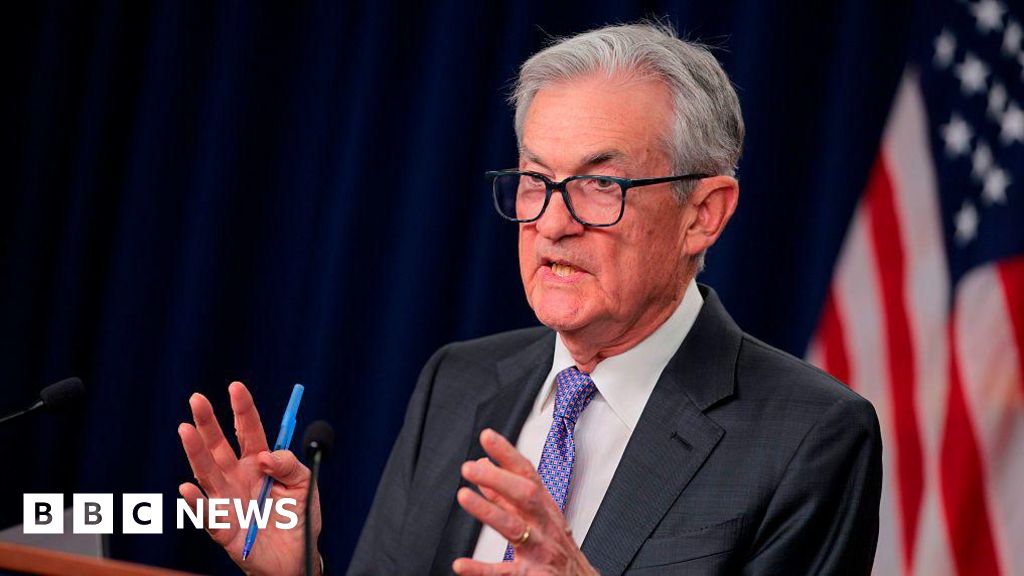
Federal prosecutors have opened a criminal investigation into Federal Reserve Chairman Jerome Powell, he said on Sunday.
In a video announcing the probe, Powell said the US justice department served the agency with subpoenas and threatened a criminal indictment over testimony he gave to a Senate committee about renovations to Federal Reserve buildings.
He called the probe “unprecedented” and said he believed it was opened due to him drawing President Donald Trump’s ire over refusing to lower interest rates despite repeated public pressure from the president.
The Fed chair is the latest to come at odds with Trump and then face criminal investigation by the US justice department.
“This is about whether the Fed will be able to continue to set interest rates based on evidence and economic conditions, or whether instead monetary policy will be directed by political pressure or intimidation,” Powell said.
“I have deep respect for the rule of law and for accountability in our democracy. No one, certainly not the chair of the Federal Reserve is above the law, but this unprecedented action should be seen in the broader context of the administration’s threats and ongoing pressure,” he went on to say.
Powell has repeatedly come under fire from Trump for not cutting interest rates as quickly as the president have liked. In the second half of 2025, the Fed cut interest rates three times.
North Carolina Senator Thom Tillis, a Republican who is a member of the Senate Banking Committee, said he would oppose the nomination of Powell’s replacement by Trump, and any other Fed Board nominee, “until this legal matter is fully resolved”.
“If there were any remaining doubt whether advisers within the Trump Administration are actively pushing to end the independence of the Federal Reserve, there should now be none,” Tillis said in a statement.
“It is now the independence and credibility of the Department of Justice that are in question,” the senator said.
The investigation will be overseen by the US Attorney’s Office for the District of Columbia, according to the New York Times, which first reported the probe.
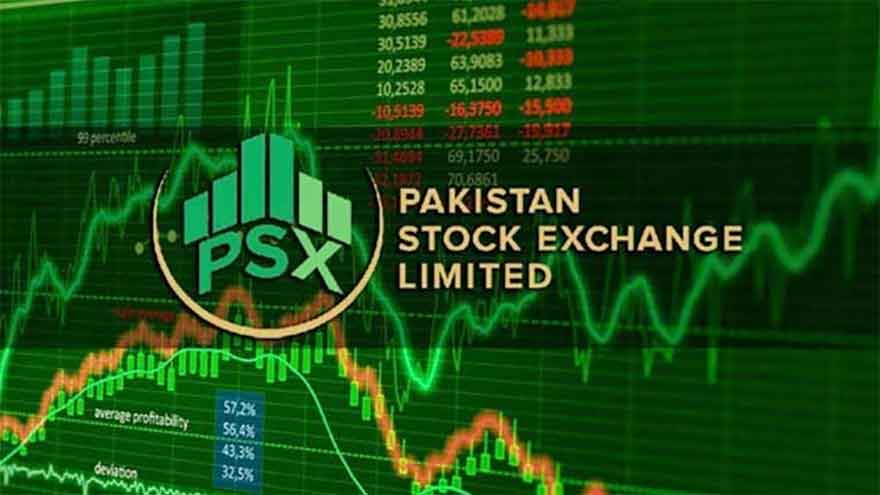
KARACHI (Dunya News) – Pakistan’s stock market remained under heavy pressure on Monday, losing a key psychological level as selling picked up across the board.
During the first trading session of the week, the Pakistan Stock Exchange opened in the red and stayed there throughout the day. The benchmark KSE-100 Index shed more than 2,025 points and closed at 182,384 points, falling below the important 183,000 mark.
In the previous session, the index had closed at 184,409 points, highlighting the sharp decline witnessed during Monday’s trade.
Market activity also reflected cautious investor sentiment. A total of 418.8 million shares were traded during the session, with a turnover value of Rs33.67 billion.
Market analysts said the fall came as investors preferred to stay on the sidelines amid economic uncertainty, adding that profit-taking and lack of fresh triggers kept the market under pressure.
They noted that the market appears to be losing steam, at least in the short run, as uncertainty continues to hang in the air.
Singapore, 12 January 2026… The National University of Singapore (NUS) and the Monetary Authority of Singapore (MAS) have jointly appointed Professor Alan M. Taylor as the MAS Distinguished Term Professor in Economics and Finance from 12 to 16 January 2026. Professor Taylor will be hosted by the Department of Economics at the NUS Faculty of Arts and Social Sciences and the Economic Policy Group of MAS during the term of the Professorship.
2Professor Taylor is currently Professor of International and Public Affairs at Columbia University. He has been an external member of the Monetary Policy Committee at the Bank of England (BOE) since September 2024 and is a member of the Council on Foreign Relations Professor Taylor is also a research associate at the National Bureau of Economic Research (NBER) and the Center for Economic Policy Research (CEPR).
3Professor Taylor is widely recognised for his work on international trade, finance, macroeconomics and economic history. He has published in the leading economics journals including the American Economic Review, Econometrica and the Quarterly Journal of Economics. Professor Taylor was the Houblon-Norman/George Fellow at the BOE in 2009 to 2010 and awarded the John Simon Guggenheim Memorial Fellowship in 2004.
4Professor Lionel Wee, Dean of NUS Faculty of Arts and Social Sciences, said, “We are privileged to host Professor Alan Taylor as the MAS Distinguished Term Professor. He brings a distinctive breadth of experiences and insights drawn from academia, industry, and the policy realm. Professor Taylor’s work has fundamentally reshaped our views of economic history and macro-finance, precisely at a time when the world economy is going through multiple, significant upheavals.”
5Mr Edward Robinson, Deputy Managing Director (Economic Policy) and Chief Economist, MAS, said, “Professor Taylor is one of the pioneer researchers into the empirics of exchange rate behaviour, financial crises and capital flows in the context of the ‘open economy trilemma’, which says that a country cannot simultaneously maintain fixed exchange rates, free capital movement and independent monetary policy. His recent research with co-authors on the global natural interest rate has gained traction amongst central banks worldwide and comes at an opportune time as policymakers grapple with questions about the appropriate calibration for monetary policy in a post-pandemic environment. It is our great privilege to welcome him as the 24th MAS Term Professor.”
6Professor Taylor will deliver a public lecture at NUS on 14 January 2026 titled, “Driving over the peak — or a false summit?” Drawing on historical perspectives from the first age of globalisation in the 1800s to the present day, he will examine whether we have reached “peak trade” and explore the implications for monetary policy in an era of potential downswing in globalisation. In addition, Professor Taylor will engage in dialogue sessions with NUS faculty members to discuss his latest research findings.
7Professor Taylor will also give a talk at MAS and engage senior policymakers and economists on international economics and monetary policy issues.
About the MAS Term Professorship in Economics and Finance
First established in 2009, the MAS Term Professorship in Economics and Finance is awarded to distinguished scholars, who are appointed as Visiting Professors at the Department of Economics at the NUS Faculty of Arts and Social Sciences, the NUS Business School, or the Lee Kuan Yew School of Public Policy. It aims to strengthen Singapore’s financial and economics research infrastructure and contribute to a vibrant research community and culture at local universities. Since its inception, the MAS Term Professorship in Economics and Finance has been awarded to 24 distinguished scholars over the last 15 years.
***
About National University of Singapore (NUS)
The National University of Singapore (NUS) is Singapore’s flagship university, which offers a global approach to education, research and entrepreneurship, with a focus on Asian perspectives and expertise. We have 15 colleges, faculties and schools across three campuses in Singapore, with more than 40,000 students from 100 countries enriching our vibrant and diverse campus community. We have also established more than 20 NUS Overseas Colleges entrepreneurial hubs around the world.
Our multidisciplinary and real-world approach to education, research and entrepreneurship enables us to work closely with industry, governments and academia to address crucial and complex issues relevant to Asia and the world. Researchers in our faculties, research centres of excellence, corporate labs and more than 30 university-level research institutes focus on themes that include energy; environmental and urban sustainability; treatment and prevention of diseases; active ageing; advanced materials; risk management and resilience of financial systems; Asian studies; and Smart Nation capabilities such as artificial intelligence, data science, operations research and cybersecurity.
For more information on NUS, please visit nus.edu.sg .
About Monetary Authority of Singapore
As Singapore’s central bank, the Monetary Authority of Singapore (MAS) promotes sustained, non-inflationary economic growth through appropriate monetary policy formulation and close macroeconomic surveillance of emerging trends and potential vulnerabilities. It manages Singapore’s exchange rate, foreign reserves and liquidity in the banking sector. MAS is also an integrated supervisor overseeing all financial institutions in Singapore — banks, insurers, capital market intermediaries, financial advisors, and financial market infrastructures. Being an integrated supervisor allows MAS to adopt a consistent and progressive regulatory and supervisory approach and framework, thereby ensuring a level playing field across all market segments, sectors and activities. With its mandate to foster a sound and progressive financial services sector in Singapore, MAS also helps shape Singapore’s financial industry by promoting a strong corporate governance framework and close adherence to international accounting standards. In addition, it spearheads retail investor education. MAS ensures that Singapore’s financial industry remains vibrant, dynamic and competitive by working closely with other government agencies and financial institutions to develop and promote Singapore as a regional and international financial centre.
For more information, please visit www.mas.gov.sg .
The excellent editorial “Reasons for youthful cheer” (The FT View, December 31) missed one point. The $70tn of wealth that UBS estimates will be passed down by the baby boomers over the next 25 years is unlikely to materialise. With governments all over the world deeply, and increasingly, in debt and with generational conflict likely to compound class conflict, it is surely inevitable that governments will target inheritance tax as a rich source of funding for their never-ending budget deficits.
The baby boomers, who have amassed this wealth, have only themselves to blame. Our generation has been complicit in enabling unsustainable government deficits by consistently voting for governments that burden future generations with enormous amounts of sovereign debt.
On January 8, 2026, SentinelOne announced that its AI-powered Singularity Platform achieved GovRAMP High Impact authorization, expanding its eligibility for use by US state and local government agencies requiring stringent cloud security and compliance.
This milestone, added to a broad roster of international government certifications, highlights SentinelOne’s growing role as a trusted provider for mission-critical public sector cybersecurity needs worldwide.
We’ll now examine how this new GovRAMP High Impact status, alongside a recent broker downgrade citing management changes, may influence SentinelOne’s investment narrative.
Find companies with promising cash flow potential yet trading below their fair value.
To own SentinelOne, you need to believe its AI driven security platform can scale into a broader, multi product cybersecurity franchise despite ongoing losses. The new GovRAMP High Impact authorization strengthens its public sector credibility, but does not materially change the near term picture where the key catalyst is broader platform adoption and the biggest risk is execution in a competitive, consolidating industry.
The GovRAMP High Impact win builds on SentinelOne’s earlier FedRAMP High status for Singularity components, including Purple AI and CNAPP, which together reinforce its ability to compete for complex, regulated workloads. This cluster of certifications supports the thesis that government and critical infrastructure buyers may increasingly view SentinelOne as a viable integrated platform partner, tying directly into the company’s core growth catalyst around multi product expansion.
Yet, investors should also be aware that increasing regulatory scrutiny and compliance demands across regions could…
Read the full narrative on SentinelOne (it’s free!)
SentinelOne’s narrative projects $1.6 billion revenue and $215.8 million earnings by 2028. This requires 22.0% yearly revenue growth and an earnings increase of about $645 million from -$429.4 million today.
Uncover how SentinelOne’s forecasts yield a $21.15 fair value, a 40% upside to its current price.
S 1-Year Stock Price Chart
Thirteen Simply Wall St Community fair value estimates for SentinelOne span from US$15 to US$40 per share, reflecting a wide spread of individual views. You will want to weigh this diversity against the execution risk that competitors with broader cybersecurity portfolios could pressure SentinelOne’s growth and margins over time.
Explore 13 other fair value estimates on SentinelOne – why the stock might be worth over 2x more than the current price!
Disagree with existing narratives? Create your own in under 3 minutes – extraordinary investment returns rarely come from following the herd.
Our top stock finds are flying under the radar-for now. Get in early:
This article by Simply Wall St is general in nature. We provide commentary based on historical data and analyst forecasts only using an unbiased methodology and our articles are not intended to be financial advice. It does not constitute a recommendation to buy or sell any stock, and does not take account of your objectives, or your financial situation. We aim to bring you long-term focused analysis driven by fundamental data. Note that our analysis may not factor in the latest price-sensitive company announcements or qualitative material. Simply Wall St has no position in any stocks mentioned.
Companies discussed in this article include S.
Have feedback on this article? Concerned about the content? Get in touch with us directly. Alternatively, email editorial-team@simplywallst.com