Category: 3. Business

  • What to serve at your drinks party? An expert guide

    What to serve at your drinks party? An expert guide

    It’s around this time of year that I start getting messages from friends: “What cocktails shall I serve at my party?” “Can you recommend a good champagne for Christmas Day?” “How do I make an Espresso Martini?” So here are some festive drinks tips from some of the best hosts in the business.


    Keep it refreshing

    “Partying is a thirsty business – so go with wines that will leave you refreshed,” says Dye. “A fun crowd-pleaser like a zippy Grüner Veltliner or juicy Beaujolais.” Even in the depths of winter I also always serve lashings of rosé. Chilled wines on the rosé/red cusp also always go down well.

    Christian Tschida Birdscape Pink, £39. BUY

    Clos de Grillons Esprit Libre, £38.25

    Clos de Grillons Esprit Libre, £38.25. BUY

    “A deep, dark rosé – Christian Tschida Birdscape Pink – or very light chilled red – Clos des Grillons Esprit Libre – that can be consumed on its own or with food, and doesn’t have to be treated with the utmost care,” says McMillan. 


    Use drinks as a focal point

    A beautiful fruit-strewn punch that allows guests to serve each other can really break the ice (see recipe below). Serve with a little handwritten card alongside detailing the ingredients so you don’t have to explain it a hundred times. People tend to congregate in the kitchen, so use drinks to create focal points elsewhere; lay on mezcal shots in the sitting room or a pastis in the garden. Or create a spectacle, à la One Club Row, and construct a Martini tower.

    Iced Peach Tea Punch by Juliette Larrouy

    Serves approx 30

    2 litres cold black peach tea

    1.5 litres white rum

    1 litre simple syrup (1kg sugar dissolved in 1 litre of water over a low heat and left to cool)

    500ml fresh lemon juice


    Mix all the ingredients in a bowl or jugs and chill in the fridge. Serve over ice with lots of citrus wheels.


    Champagne is a no-brainer

    Free-flowing champagne is marvellous – but it doesn’t need to last all night. I think it’s rather chic to serve a little coupe of champagne before moving on to cocktails. “Make sure it’s perfectly chilled to 8°C or 9°C prior to opening,” says Xavier Padovani. “Then allow it to go up to 10°C once it’s out of the refrigerator. Serve it in wine glasses – no one uses champagne glasses any more.”

    Legrand-Latour Yprésien 2018, £110

    Legrand-Latour Yprésien 2018, £110. BUY

    Langham Culver Classic Cuvee, £33.95

    Langham Culver Classic Cuvee, £33.95. BUY

    A niche grower champagne should get people talking – especially if it has an interesting story attached. I love Legrand-Latour’s floral Yprésien 2018 – a Meunier-forward, subtly floral organic champagne, from a cave that’s studded with fossils. Or, if it’s an oenophile crowd, then consider English fizz. Sessions Arts Club’s head of wine Sophie Liverman suggests Langham’s classy Culver Classic Cuvée, which recently won Best Non-Vintage Sparkling at the WineGB awards. 


    Quantity is quality

    Get drinks into your guests’ hands as soon as they arrive, says Tadas Alisauskas. “The first moments of a party are crucial.” “And plan to serve two to three drinks per guest for the first two hours, then one drink per hour after,” says Svajune Janeliunaite 


    Lean in to alcohol-free

    Saicho Sparkling Tea in Hojicha, Jasmine and Darjeeling, £17.99 each
    Saicho Sparkling Tea in Hojicha, Jasmine and Darjeeling, £17.99 each

    Don’t neglect the non-alc options – even the biggest boozers need a break sometimes. “I’ll always offer a great selection of non-alcoholic beers, spirit alternatives such as Pentire Coastal Spritz, and a variety of sodas so guests can experiment,” says Nathan McCarley-O’Neill of Carbone. Good de-alcoholised wines are hard to come by, but the rosé fizz Beau Viva – which is made by the same people as Provençal rosé Maison Saint AIX – is great.

    Vichy Catalan Naturally Sparkling Water, £2.9

    Vichy Catalan Naturally Sparkling Water, £2.95. BUY

    Beau Viva, £27.50

    Beau Viva, £27.50. BUY

    Sparkling teas such as Saicho or Real offer a sophisticated substitute for champagne. A little gaggle of Crodinos on ice is hard to resist. And a smart sparkling water – Vichy Catalan or Chateldon 1650 – will also show you’ve put some thought into it.  


    Keep it simple

    People often mistakenly offer too many choices. “People will try to offer something like 10 drinks, and then get overwhelmed. It’s much better to have two or three that you execute really well,” says Strangeway. “You want something you can make ahead of time, like a bottled cocktail or a punch. I would never shake a cocktail at a party – it just creates chaos and mess.” (Which means Espresso Martinis are out.)

    Bottled Pomegranate Negroni by Nick Strangeway

    Serves approx 30

    750ml gin

    750ml red vermouth

    750ml Campari or other Italian bitter

    750ml Pom Wonderful pomegranate juice (other brands may need filtering to remove sediment)

    Mix all ingredients together, bottle and put in the fridge overnight to chill. Serve 100ml over a block of ice, in a rocks glass, garnished with a few pomegranate seeds. 

    Strangeway suggests serving a pre-bottled Pomegranate Negroni with a scattering of ruby pomegranate seeds (see his recipe, below). “Set the bottles out on the table in big tin baths full of ice and let people help themselves.”

    Town’s Bottled Dill Boy Martini

    Makes approx 700ml or 8 servings

    340ml Luksosowa vodka (or other potato vodka)

    140ml Aalborg Dill Akvavit

    70ml Noilly Prat dry vermouth

    170ml chilled mineral water

    0.7g sea salt


    Mix ingredients together, bottle and store in the fridge. Place in freezer for 2-3 hours before serving (but no longer or it will freeze solid). Garnish with a sprig of fresh dill or a few drops of dill oil.

    “I’ll always make sure there are some freezer Martinis ready too, just in case we need to get things kick-started,” says Kevin Armstrong. (See his akvavit-spiked twist on a classic Martini, currently on the menu at Town restaurant.) Sparkling wine with a slosh of liqueur is another easy win – I love 25ml of yuzu sake topped up with chilled champagne.


    Don’t stint on the ice

    The number-one party fail, according to everyone, is not getting in enough ice. “Too many people treat ice like an optional extra rather than the lifeblood of the party,” says James Dye. “Warm drinks are unforgivable. You need tonnes more ice than you think.” If you’re serving cocktails, budget four to five cubes per drink; if you’re using ice to chill drinks as well, allow 1kg per person. If you don’t have room in the freezer, stack the bags tightly together in the bath or sink, to slow the rate at which they melt.

    For really show-stopping cocktails, order in some crystal‑clear ice blocks and spheres from a specialist supplier such as Ice Studio. For a more DIY flourish, Nick Strangeway suggests serving festive G&Ts over rectangular ice cubes with pine sprigs frozen inside.

    Chill wine, beer and mixers well in advance. “Put them in the refrigerator at least the night before,” says Juliette Larrouy. If possible, freeze your cocktail glasses as well – it will give your drinks the edge.


    Go large…

    “Magnums only! It screams celebration and is just fun to pour,” says Alisauskas. “Magnums are always fun,” agrees Amanda McMillan. “A delicious magnum of a light, chilled red equals party time.” “The theatricality of opening a big bottle of champagne is super-friendly,” says Padovani. “Relatively speaking, large formats can be cheaper, too. At the Farm Club nightclub in Verbier, we usually open a mag or two of Ruinart to kick off the season.”

    Ruinart Blanc de Blancs NV, £218 (Magnum)

    Ruinart Blanc de Blancs NV, £218 (Magnum). BUY

    Koehler-Ruprecht, £56, in store only at Shrine to the Vine

    Koehler-Ruprecht, £56, in store only at Shrine to the Vine

    Turning up at a party with a (ready-chilled) magnum of Riesling is also a good way to make a splash, says Liverman: “If you can find them, magnums of Koehler-Ruprecht (£56, in store only, shrinetothevine.co.uk) are very well-priced.”


    Something to snack on

    Cocktails at The Black Duke, Brunswick House, London
    Cocktails at The Black Duke, Brunswick House, London © Brennan Bucannan

    And last but not least, don’t forget the food. “A baller move,” says McMillan, “is to serve some potato chips – the Spanish ones Bonilla a la Vista that come in a tin can are the very best – some oscietra caviar (don’t forget the caviar spoon, it’s essential), and crème fraîche. I also like to do a beautiful rustic grand aïoli plate with the prettiest vegetables I can find – lettuces, snap peas, green beans, radishes, sungold tomatoes – served with aïoli. A hot dog party also always crushes.” Alex Young prefers his party drinks with “a platter of cigarettes”. 

    @alicelascelles

    Continue Reading

  • Understand Markets With Trusted Global Data

    Understand Markets With Trusted Global Data

    Analyze market sizes and trends with expert-verified data

    Access data across 1,000+ markets in 190+ countries to understand market size, segmentation, and economic performance.

    • Compare the size and segmentation of markets across countries and regions
    • Track current volume and economic performance in key markets
    • Understand the factors driving growth or decline in the market

    Learn how

    Continue Reading

  • Thailand Monthly Economic Monitor (English) – World Bank Group

    Thailand Monthly Economic Monitor (English) – World Bank Group

    1. Thailand Monthly Economic Monitor (English)  World Bank Group
    2. Analysts forecast rate cut in December  bangkokpost.com
    3. Thailand Risks Sliding to Fifth-Largest ASEAN Economy Within Five Years, Warns Industry Federation  Nation Thailand
    4. Thai Q3 GDP grows 1.2% y/y, slowest pace in four years  The Star | Malaysia
    5. Thai FinMin Confident in Fourth-Quarter Growth on Strong Fiscal Foundation and Stimulus  kaohoon international

    Continue Reading

  • Chinese cruise ships look to steer clear of Japan amid diplomatic dispute – Reuters

    1. Chinese cruise ships look to steer clear of Japan amid diplomatic dispute  Reuters
    2. Korean travel stocks rally as China imposes Japan travel ban  The Korea Times
    3. Japan’s Tourism Industry Reels As Chinese Cruise Liner Cancels Miyakojima Stop Due To Escalating Tensions, Underlining The Broader Impact Of Political Conflicts On Global Travel  Travel And Tour World
    4. While foreign tourists have recovered to pre-corona levels, there is an analysis that Korea’s touris..  매일경제
    5. Cosmetics stocks climb on expected spillover from China Hanil-ryeong – CHOSUNBIZ  Chosun Biz

    Continue Reading

  • Error Page

    Error PageSecurity Violation (503)

    newsroom.st.com | RBZ Access denied (403)

    Current session has been terminated.

    ALERT! You are entering into a secured area! Your IP, Login Time, Username has been noted and has been sent to the server administrator! This service is restricted to authorized users only. All activities on this system are logged. Unauthorized access will be fully investigated and reported to the appropriate law enforcement agencies.

    Ref: 87.118.116.236 1763716598

    Continue Reading

  • BMW Group achieves more efficient car usage through insights into trips, gamification and CO2-Aware Charging

    BMW Group achieves more efficient car usage through insights into trips, gamification and CO2-Aware Charging

    Rotterdam, Munich.

    Our initiatives in collaboration with cities include mobility
    research and piloting solutions, making driving and traffic more
    efficient, while reducing congestion. Mobility behavior is an
    important aspect for cities, especially regarding driving and parking
    vehicles in urban areas. That is why we research how to make the
    mobility behavior of our customers more city-friendly, tailored to
    their individual needs. Through strategic collaborations, such as with
    the city of Rotterdam, both parties gain deep insights into what the
    city needs, and which solutions work well with drivers. Our research
    shows that mobility behavior can be effectively influenced by nudging,
    or in other words, the positive motivation of people.

    Through attractive digital experiences, we aim to enhance the driving
    experience and encourage our customers to use their vehicles more
    efficiently. Recently, three pilots based on relatively small but
    positive incentives have been completed. The insights from these are promising.

    Highlights.

    The research project named “My Travels”, conducted throughout the
    Netherlands in the second half of 2024 with BMW models, provided a
    report to users about the length of their trips made and offered
    information on realistic alternatives such as travel by foot, bicycle,
    or public transport. The results showed that simply gaining insight
    into one’s own travel behavior, including information on the length of
    trips and alternative travel options, provides incentives to choose an
    alternative mode of transport instead of the car. This result aligns
    perfectly with Rotterdam’s goal to free up roads for those who truly
    need to use them.

    Additionally, we implemented a pilot with a gamification approach to
    reduce the footprint of our products in the use phase. Real world data
    from a representative BMW and MINI fully electric fleet show that
    driving in the efficient driving mode generally results in an average
    energy consumption reduction of about 7%. The “MINI Artwork Challenge”
    pilot’s aim was to stimulate drivers to switch to this mode. It was
    conducted in the first quarter of this year in the latest generation
    fully electric MINI models Countryman and Cooper, exploring whether
    gamification can encourage more energy-efficient driving behavior. In
    this pilot, the virtual artwork – an AI generated image — grew larger
    the more the user drove in the efficient driving mode. The pilot
    results show this encouraged participants to increase their share of
    trips in the efficient driving mode by 60% compared to the baseline phase.

    Finally, the research project “COOL” (CO2 Optimal
    Charging) was a field experiment that started in April 2025. Its goal
    was to provide plug-in hybrid and EV drivers with insights into
    charging behavior and the associated CO2 emissions. By
    using a simple and insightful app that shows CO₂ emissions per kWh of
    the local electricity mix in real time and alerts the user when they
    drop below a certain value, we support drivers in deciding when to
    charge their vehicles.

    In total, 355 drivers of electric and plug-in hybrid BMW models
    participated in this project, which brought at least two valuable
    results. Gamification increased CO₂-improved EV charging by 6% and it
    suggests that even participants who are already environmentally
    conscious are still willing to take additional steps to reduce their
    CO2 impact by charging their vehicles CO2 improved.

    The city of Rotterdam and BMW Group will use the insights gained to
    develop more sustainable, user-oriented mobility concepts that improve
    both individual mobility and the urban mobility ecosystem.

    Background and details of “My Travels Distances & Alternatives”.

    This research project originated from a bachelor thesis supervised by
    the University of Münster. Erasmus University Rotterdam was involved
    as the regular research partner of BMW Netherlands in the design and
    analysis of the feedback survey.

    Three hundred participants, drivers of BMW and MINI models across the
    country, were provided with a test app that offered a clear view of
    travel habits, at a more detailed level than the “My Trips” feature
    already known to BMW and MINI customers from the My BMW and MINI app.

    The app contains two elements: Distances and Alternatives. The first
    offered the driver transparency of their car trips. A pie chart
    allowed app users to see at a glance how many trips they made weekly
    of up to 1 kilometer, 1-5 kilometers, and 5 kilometers or more.
    Alternatives provided insight into which realistic alternatives would
    have been possible for specific trips: by foot, bicycle, or public
    transport, including any distance and/or time savings.

    The research question was: do active app users reduce more trips
    based on the travel report and recommendations for alternative modes
    of transport than inactive users?

    Results of “My Travels Distances & Alternatives”.

    Overall, analysis indicated that active users of the app reduced one
    car trip weekly compared to participants who did not use the app. This
    means that simply gaining insight into one’s own travel behavior and
    information on alternative travel options provides incentives to leave
    the car unused once a week, potentially reducing traffic congestion in
    the city.

    Zooming in on weekly trips, the reduction in car usage was even
    slightly larger: active users made an average of 1.5 fewer trips (of
    up to five kilometers). In other words, more than one short trip was
    avoided. No significant decrease in car usage was seen on weekends.

    Factors influencing participants’ choices related to timing (weekday
    or weekend), weather conditions, and personal situation (with or
    without children). This emerged from the comprehensive survey that was
    part of the research. When asked which types of trips participants
    were most inclined to swap for alternative transport, the top three
    were: 1) to a park, restaurant, etc., 2) to the gym, 3) to the
    supermarket. Picking up and dropping off children remains preferred by
    car, as indicated by the last place in the ranking.

    When asked about the three main reasons to leave the car unused, the
    top three were: 1) travel duration, 2) convenience and availability of
    alternative modes of transport, 3) weather conditions.

    Background and details of the “MINI Artwork Challenge”.

    This pilot resulted from a graduation project within the BMW Group’s
    development department, which designs (product) solutions in the field
    of energy and sustainable/urban mobility, part of the “Connected
    Company”. An overarching goal of many of their projects is to promote
    efficient driving habits to support potential reductions of CO2
    emissions in the use phase. The “MINI Artwork Challenge” aimed
    to “achieve a lasting change in driving behavior through artistic incentives”.

    130 participants took part in the pilot. These drivers were rewarded
    for using the efficient driving mode of their MINIs. The more
    frequently this mode was used, the further an AI-generated artwork
    (consisting of stylized plants or animals) evolved. The image was then
    displayed on the central screen at the start of each trip.

    Results of the “MINI Artwork Challenge”.

    Real world data from a representative BMW and MINI fully electric
    fleet show that driving in the efficient driving mode generally
    results in an average energy consumption reduction of about 7%. The
    “MINI Artwork Challenge” encouraged participants to increase their
    share of trips in the efficient driving mode to almost 40%, compared
    to 25% in the baseline phase. This corresponds to a 60% increase in
    trips in the efficient driving mode.

    Background and details of the “COOL” pilot.

    We saw there are still some gaps to address in the field of smart
    charging. Currently, smart charging enables cost-efficient charging
    only at home, but optimal charging technologies are not yet widely
    available in the electric vehicle market. Additionally, there is a
    lack of awareness about the impact of charging behavior on the
    CO2 footprint of an electric car. While price-optimized
    charging is available for dynamic charging tariffs, it often lacks
    optimization aimed at reducing CO2 emissions.

    Our idea was to provide clear CO2 information about the
    country’s electricity mix to users, enabling them to shift their
    charging to timeslots that are better in terms of CO2
    emissions over a longer cycle. By applying the nudge concept, we
    aimed to encourage and steer beneficial charging behavior. Ultimately,
    this approach should contribute to reducing the CO2
    footprint in both public and private spaces.

    The research question was: how can nudges effectively influence the
    timing of electric vehicle charging to align with periods in which the
    use of renewable energy sources is higher?

    The pilot project, conducted from April to July 2025, involved BMW
    355 electric vehicle drivers in the Netherlands. A digital charging
    feature called “COOL” was made available in Dutch and English through
    the 360° Mobility app on iOS. This simple and insightful app showed
    the CO2 emissions per kWh of electricity in real-time and
    alerting the user when it dropped below a certain value. Charging and
    vehicle data from all registered participants were collected on BMW
    Labs. Additionally, qualitative interviews were conducted with 14
    participants to gather in-depth insights.

    Results of the “COOL” pilot.

    A total of 13.153 charging sessions were analyzed, and timeslots with
    a cleaner energy mix were identified on 67 out of 87 days. Through
    gamification, we successfully encouraged participants to shift their
    charging sessions to time slots with a forecasted higher share of
    renewables in the Dutch energy mix, achieving a 6% increase in such
    charging sessions compared to the control group. In contrast,
    providing forecasts and statistics alone had no significant effect.
    Plug-in hybrid drivers were less likely to change their charging
    behavior. Customers expressed three things:

    • a preference for easy or automatic integration into their routines.
    • technical alignment with existing energy applications.
    • having a single source of information for optimal timeslots.

    The post pilot survey with 90 participants also revealed a valuable
    insight. When asked if the participant ‘would be willing to make an
    extra effort to charge with reduced CO2 emissions, such as
    by setting a charging window in their app’, 73% of participants
    answered “yes”.  Notably, 62% of these environmentally motivated
    participants already have a green electricity contract. This indicates
    that even those who are already committed to sustainable energy use
    are open to taking additional steps to further reduce their CO2
    impact through charging in low-emission windows.

    “Smart City Travel” Pilot as a Forerunner to “My Travels”.

    In 2022, Rotterdam and BMW launched the Smart City Travel pilot. This
    project focused on motorists who (regularly) drove from outside toward
    the inner city of Rotterdam. BMW Group, Rotterdam, and the Erasmus
    University Rotterdam investigated ways to entice motorists to park
    their cars at a park-and-ride (P+R) on the outskirts of the city and
    continue the last mile of their journeys using public or shared
    transport. The question was: what is needed to motivate BMW drivers to
    make this choice in advance and then actually switch modes when an
    alternative mode is actively offered in the navigation?

    Results showed that information about alternative transport should
    not only arrive in the car after the trip starts, as people are not
    prepared for it or, for practical reasons (no coat, too many
    belongings), cannot or do not want to switch. This led to the idea of
    focusing more on transparency and providing drivers with insight into
    their trips and offering alternatives as desired (before or after a
    trip) in an app.

    Collaboration with Rotterdam Since 2018.

    A safe, healthy, and livable city is high on the agenda of the
    Rotterdam municipality. This requires a new vision of future mobility,
    where sustainability, traffic safety, accessibility, and flow play a
    crucial role. Since 2018, BMW Group and the City of Rotterdam have
    been working together to realize these shared ambitions and pilot
    mobility solutions around integrating the car into the ecosystem of a
    livable city.

    Continue Reading

  • Patient with High-Risk Mantle Cell Lymphoma

    Patient with High-Risk Mantle Cell Lymphoma

    A previously health women in her 60s was diagnosed with high-risk mantle cell lymphoma. A year after enrolling in a clinical trial for a combination of monoclonal antibody, BTK inhibitor and BCL-2 inhibitor, she experienced complete remission with minimal side effects.

    Advertisement

    Cleveland Clinic is a non-profit academic medical center. Advertising on our site helps support our mission. We do not endorse non-Cleveland Clinic products or services. Policy

    Case presentation

    A retired middle school teacher sought medical attention for enlarged lymph nodes in her neck. This led to a biopsy, which led to a diagnosis of mantle cell lymphoma. Her spleen was also quite enlarged at 27 centimeters, which is roughly double the normal size. In addition, she had pancytopenia from bone marrow involvement with mantle cell lymphoma.

    Her community oncologist recommended initiating bendamustine and rituximab. However, after reading that some mantle cell lymphoma doesn’t respond to chemotherapy, she reached out to Cleveland Clinic Cancer Institute for a second opinion.

    With a team of seven lymphoma specialists, Cleveland Clinic Cancer Institute has a depth of experience treating patients with this somewhat rare condition, which represents less than 10% of non-Hodgkin’s lymphoma.

    Further evaluation and testing showed that the patient’s tumor harbored a TP53 mutation, which is typically associated with poor outcomes.

    “In recent years, the hematology community has increasingly recognized that patients with mantle cell lymphoma who have TP53 mutations in their biopsy specimens at the time of diagnosis are at increased risk of failure with chemotherapy,” explains Director of the Lymphoid Malignancies Program and Staff Physician Brian T. Hill, MD, PhD. “Patients with these mutations tend to respond better to BTK inhibitors and BCL-2 inhibitors.”

    Treatment plan

    The patient contacted the Institute’s Cancer Answer Line, whose goal is to arrange an appointment within seven days of the referral. “We really prioritize swift access to care because time is of the essence both in getting the disease under control and because patients are appropriately anxious,” says Dr. Hill. “Referring physicians also appreciate that if they need guidance with a challenging case, their patients can be seen quickly by one of our disease specialists.”

    Based on the patient’s high-risk disease status and mutation status, Dr. Hill spoke with the patient and her husband about participating in a clinical trial where she would receive the monoclonal antibody rituximab in combination with the BTK inhibitor acalabrutinib and the BLC-2 inhibitor venetoclax. The goal was to provide her with treatment targeted for this mutation and spare her the side effects of traditional cytotoxic chemotherapy. The patient and her husband were eager to hear about alternatives to nonspecific chemotherapy, and she decided to participate in the trial.

    “People often think of clinical trials as a last resort option and that’s not the case, especially in lymphoma,” says Dr. Hill. “We have so many good treatments and increasingly they’re being used in the frontline setting instead of chemotherapy. There are many clinical trial opportunities in the frontline setting as well as for patients who have relapsed. If your patient is at a fork in the road and you’re unsure of the right approach, I’d recommend speaking with a disease team specialist.”

    After enrolling in the trial, the patient received IV rituximab monthly and the oral agents daily for roughly a year. All treatment was administered on an outpatient basis.

    Outcome

    The patient tolerated the treatment remarkably well. Aside from minor bruising on her arms, which is common with BTK inhibitors, she had few side effects. There were mild changes to her platelet count but there were no neutropenia, infections or other cytopenias.

    PET scans were performed at baseline and at the end of treatment. The scans showed that the patient entered a complete metabolic response. Minimal residual disease (MRD) testing showed no detected lymphoma. The plan is for her to continue acalabrutinib as a single agent maintenance therapy as part of the study.

    This “chemo free” approach is likely to be a standard of care for mantle cell lymphoma in the future, particularly for patients with TP53 mutation

    Case highlights

    Dr. Hill shared several takeaways from this case:

    Consult with disease specialists for rare diseases. “Especially for less common diseases, it’s prudent to discuss cases like this with disease specialists,” says Dr. Hill. “The standard of care changes rapidly, and it’s difficult to stay up to date with all the changes in a community setting where you’re managing multiple diseases.”

    Having a deep roster of specialists improves care. Dr. Hill specifically highlighted his outstanding colleagues at main campus, Drs. Caimi, Brooks, Winter, Jagadeesh, Dean and Bezerra, who all focus specifically on lymphoma. In addition to seeing patients and leading research studies, they run a weekly Lymphoma Tumor Board for complex cases. These insights are essential in a fast-moving field like lymphoma where the treatment landscape is shifting rapidly.

    MRD testing is increasingly used clinically and in research studies to attain a more sensitive assessment of the depth of remission. MRD negativity correlates with a longer duration of response. “The patient achieved a deep remission, which we typically wouldn’t expect in this situation if she had received chemotherapy, explains Dr. Hill.”

    The Institute’s hematopathologists keep up to date with the latest molecular testing and all indications. “TP53 testing for mantle cell lymphoma is now standard for Cleveland Clinic patients,” says Dr. Hill.

    A strong research team makes a difference for patients. Dr. Winter, the principal investigator of the clinical trial, and the research nurses were instrumental in the patient’s care. Specifically, Sarah Billy, RN, made a big impression on the patient and her family for her attention to detail and close follow-up.

    Continue Reading

  • Telefónica consolidates its position as one of the global leaders in IoT connectivity, according to Transforma Insights

    Telefónica has consolidated its position as one of the leading providers of global IoT connectivity, according to the recent report “Communications Service Provider (CSP) IoT Peer Benchmarking Report 2025” by Transforma Insights. The analysis firm acknowledges that “Telefónica continues to occupy a prominent position among the leading communications service providers for another year, thanks in large part to its in-depth industry knowledge, the extensive capabilities of Telefónica Tech and the incorporation of interesting capabilities into its connectivity offering”.

    The Transforma Insights report, which is based on a detailed analysis of the strategies and capabilities of the 27 leading global providers of cellular connectivity for IoT, concludes that “Telefónica has perhaps the most comprehensive set of vertical offerings to address IoT across a wide range of sectors, including smart cities, healthcare and industry”.

    Telefónica, which offers its IoT connectivity services through Telefónica Tech, has been recognised primarily for the robustness of its infrastructure, its Kite managed IoT connectivity platform and its range of advanced solutions for digitally transforming different sectors of activity.

    Transforma Insights reflects that Telefónica Tech’s Kite platform offers numerous advanced features such as SIM card management and orchestration, open APIs, and data visualisation dashboards that include enhanced artificial intelligence capabilities to, among other things, detect anomalies in the behaviour of customers’ IoT devices.

    The study highlights that Telefónica Tech has a robust portfolio of big data solutions that enable it to analyse both telecommunications data generated by network users and data from IoT sensors and external sources (including business customers, partners, and weather or traffic information).

    These big data and artificial intelligence capabilities are included in the Kite platform, which also features “IoT Data Ready” functions to facilitate the integration of Kite with hyperscale cloud platforms, and “Asset Control”, a Kite module that allows the digitisation of customers’ fixed assets deployed in the field in order to access information and act on them, such as tank or reservoir fill levels, machinery geolocation, or lighting on/off status.

    Carlos Carazo, global director of product, technology and IoT operations at Telefónica Tech, states: “The IoT allows objects to be brought to life, transforming them from analogue things into connected devices capable of securely exchanging data. In short, we see the IoT as the eyes and ears that capture information from the environment so that other technologies, such as artificial intelligence, can function as the brain and interpret and analyse it to help organisations make more informed business decisions.”

    Leadership in the Spanish IoT market

    In September 2025, Telefónica exceeded 51 million active IoT connections worldwide after reporting SIM card deployments in more than 190 countries.

    The company is currently the leader in the Spanish IoT market, exceeding 12 million lines at the end of the third quarter of 2025 after adding 7.6 million new lines in the last 12 months, representing year-on-year growth of 163%, largely due to new use cases linked to mobility, health and the digitalisation of infrastructure in sectors such as water, gas and industry.

    Mobility is playing a key role in this growth, as Telefónica Tech is providing its IoT connectivity to more than 70% of the DGT certified V-16 connected beacon models, which will replace emergency triangles on a mandatory basis from 1 January 2026. In the healthcare sector, the company is also providing its IoT connectivity to detect unusual behaviour in elderly or vulnerable people with the aim of alerting carers or social services and preventing incidents.

    In sectors such as water and gas, IoT connectivity is transforming traditional meters into smart meters to facilitate remote reading and enable the anticipation of possible infrastructure failures or atypical consumption, while in industry, the company is providing connectivity between devices to optimise processes and accelerate the transition to Industry 4.0.

    Continue Reading

  • Train services resume after damaged wires repaired

    Train services resume after damaged wires repaired

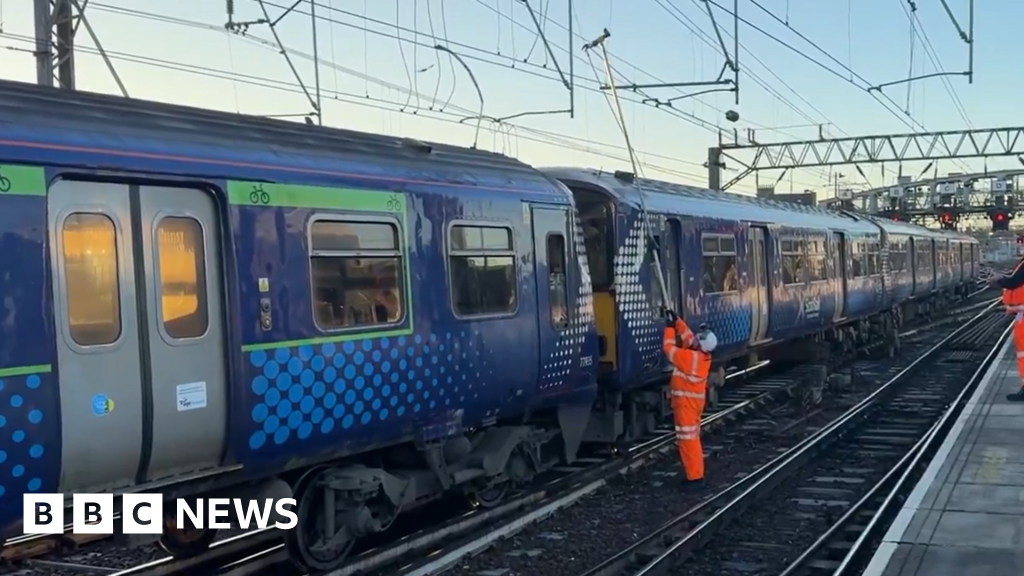
    Train services to and from Glasgow Central are running as normal after repairs to overhead wires were completed.

    Services were cancelled and delayed in the south of Glasgow, to Paisley and Ayrshire and on cross-border routes to London, Liverpool and Manchester on Thursday.

    Network Rail said that engineers worked through the night to complete the repair.

    An investigation is under way to establish what caused the damage.

    The majority of platforms had reopened by late afternoon on Thursday.

    Network Rail Scotland posted on social media: “All repairs to the damaged overhead wires at Glasgow Central are complete and a full service will operate this morning.

    “Thank you again for your patience yesterday, we’re sorry for the disruption.”

    Continue Reading

  • Preplanned Studies: Effectiveness and Acceptability of A Community-Based Comprehensive Smoking Cessation Intervention Incorporating Traditional Chinese Medicine Therapy — Qingdao City, Shandong Province, China, December 2023–December 2024


    Introduction: Traditional Chinese Medicine (TCM) provides a practical and safe approach to smoking cessation. However, research examining its integration into community-based smoking cessation programs in Chinese mainland remains limited.


    Methods: This cluster randomized controlled trial selected 20 matched communities in Qingdao and randomly assigned them in a 1∶1 ratio to intervention or control groups, with 10 communities per group. Community health centers recruited voluntary smokers seeking cessation as study participants. The final sample comprised 239 participants in the intervention group and 250 in the control group, totaling 489 participants. The intervention group received a comprehensive TCM-based community intervention incorporating acupuncture and auricular acupressure, while the control group received standard self-help smoking cessation materials. Follow-up assessments were conducted at one, three, and six months post-enrollment. Logistic regression models were employed to evaluate the intervention’s impact on smoking cessation outcomes.


    Results: Logistic regression analysis adjusted for covariates demonstrated that the intervention group achieved significantly superior smoking cessation outcomes at all follow-up time points compared to the control group. At 6 months, participants in the intervention group showed significantly higher probabilities of achieving sustained cessation [adjusted odds ratio (aOR)=2.44, 95% confidence interval (CI): 1.08, 5.50], attempting cessation (aOR=5.01, 95% CI: 3.14, 7.99), reducing smoking consumption (aOR=2.99, 95% CI: 2.00, 4.45), and maintaining 7-day point prevalence abstinence (aOR=3.76, 95% CI: 2.04, 6.90).


    Conclusions: These findings provide compelling evidence supporting the integration of TCM smoking cessation therapies into community-based cessation services. The results offer innovative perspectives and empirical evidence for advancing smoking intervention models in public health practice.


    Smoking cessation represents the most effective strategy for reducing population-level smoking prevalence. However, unassisted attempts to quit achieve success rates of only 3.00%–5.00% (1). While evidence-based research in modern medicine has established Traditional Chinese Medicine (TCM) acupuncture as a feasible, effective, and low-risk therapeutic approach for smoking cessation (2), a significant research gap persists regarding the effectiveness of community-based acupuncture interventions for smoking cessation. This community-based trial conducted in Qingdao, China, from December 2023 to December 2024, evaluated the effectiveness of an integrated TCM smoking cessation intervention. The study enrolled 489 eligible participants, with 239 assigned to the TCM intervention group and 250 to the control group. At each follow-up assessment, the intervention group demonstrated significantly higher rates of continuous abstinence, seven-day point prevalence of abstinence, smoking reduction, and quit attempts compared to the control group. Adjusted logistic regression analysis revealed that relative to controls, the intervention group had 2.44 times higher odds of achieving continuous abstinence [95% confidence interval (CI): 1.08, 5.50], 5.01 times greater likelihood of attempting smoking cessation (95% CI: 3.14, 7.99), 2.99 times increased probability of smoking reduction (95% CI: 2.00, 4.45), and 3.76 times elevated odds of seven-day abstinence (95% CI: 2.04, 6.90) at six-month follow-up.


    Based on the sample size formula for cluster randomized controlled trials, each group required a minimum of 72 participants. To ensure adequate statistical power, we recruited additional participants beyond this threshold. We selected 20 matched communities in Qingdao and randomly assigned them in a 1∶1 ratio to either intervention or control groups. Community health service centers recruited approximately 25 participants per community from voluntary quitters who had at least one year of smoking history and had smoked daily in the previous month. The control group received standard self-help smoking cessation materials distributed by community health workers (Figure 1). Given the distinctive nature of TCM treatment protocols, blinding participants to group assignment was not feasible. The intervention group participated in a comprehensive TCM smoking cessation program comprising two key components: TCM therapeutic services in the form of body acupuncture administered 2 to 3 times weekly for eight weeks, combined with auricular acupressure involving seed replacement every 2 to 3 days for eight weeks. Trained community physicians performed all acupuncture and auricular point pressing procedures following standardized protocols developed by the China Academy of Chinese Medical Sciences (CACMS). To ensure treatment consistency across all sites, these physicians completed two intensive training sessions provided by CACMS, focusing on precise point location, needling techniques, and auricular pressing methods (3). Supportive environmental interventions encompass comprehensive public education on tobacco-related health risks, disseminated through multiple channels, including timed releases of risk information via community WeChat groups and offline materials such as posters and bulletin boards. The program featured six educational lectures at community health centers covering topics including smoking health risks, cessation benefits, and firsthand quit-smoking experiences, with each lecture reaching at least 50 community residents. Additional activities included smoking cessation competitions, smoke-free family initiatives, smoke-free community programs, and complimentary TCM medical consultations after each lecture. Community workers implemented supportive activities to create an environment conducive to smoking cessation.


    Figure 1. 

    Flowchart of participant recruitment and progression throughout the study — Qingdao City, China, 2023.


    Participants underwent follow-up assessments at one, three, and six months post-intervention. The primary outcome was continuous abstinence rate (CAR), while secondary outcomes included seven-day point prevalence of abstinence rate (PPAR), smoking reduction rate, and quit attempt rate at each follow-up timepoint. We applied the following standardized definitions: a quit attempt was defined as self-reported abstinence lasting ≥24 hours; seven-day PPAR required self-reported continuous abstinence for ≥7 days preceding the follow-up assessment; CAR indicated sustained self-reported abstinence maintained since enrollment; and smoking reduction was defined as a ≥50% decrease in daily cigarette consumption compared to baseline levels (excluding participants who reported complete abstinence). All analyses adhered to intention-to-treat (ITT) principles, with participants lost to follow-up conservatively classified as current smokers. Participants who missed all three follow-up assessments were considered lost to follow-up while remaining included in ITT analysis.


    Data analysis was performed using SPSS (version 25, IBM Corporation, Armonk, US) and R software (version 4.4.3, R Foundation for Statistical Computing, Vienna, Austria). Continuous variables following normal distributions were presented as mean ± standard deviation (SD), while non-normally distributed variables were summarized as median (interquartile range, IQR). Categorical variables were described using frequencies and percentages. We conducted logistic regression analysis to identify factors associated with six-month smoking cessation outcomes, with results reported as odds ratio (OR) and 95% CI. All statistical tests were two-tailed, with P<0.05 considered statistically significant.


    This study enrolled 489 smokers, with participants distributed by 239 in the intervention group and 250 in the control group. The study population was predominantly male (98.57%) with a mean age of 47.75 years. The majority of participants were married (87.53%) and employed (66.05%), while 40.69% had achieved college-level education or higher. Participants consumed an average of 14.13±8.12 cigarettes per day at baseline (Table 1).


    Table 1. 
    Baseline characteristics of participants — Qingdao City, China, December 2023 – December 2024 [N (%)].


    At each follow-up time point, the intervention group consistently demonstrated significantly superior rates across all smoking cessation outcomes compared to the control group. Specifically, the intervention group achieved higher quit attempt rates, seven-day PPAR, CAR, and smoking reduction rates at 1-month (43.51% vs. 14.00%, 26.36% vs. 8.80%, 23.85% vs. 7.60%, and 37.24% vs. 22.40%; P<0.05), 3-month (54.81% vs. 19.20%, 29.71% vs. 6.80%, 19.25% vs. 4.40%, and 43.10% vs. 30.40%; P<0.05), and 6-month follow-ups (61.09% vs. 22.40%, 30.96% vs. 8.00%, 17.57% vs. 4.00%, and 46.03% vs. 22.80%; P<0.05).


    Logistic regression analysis was performed to identify predictors of six-month CAR, incorporating all aforementioned variables. The results revealed that participants in the intervention group demonstrated 2.44 times greater likelihood of achieving sustained smoking cessation at six months compared to the control group [adjusted OR (aOR)=2.44, 95% CI: 1.08, 5.50]. Additionally, higher educational attainment (aOR=2.37, 95% CI: 1.44, 3.89) and poorer perceived health status (aOR=2.16, 95% CI: 1.03, 4.54) significantly enhanced the probability of successful cessation. Conversely, higher daily cigarette consumption substantially reduced cessation success (aOR=0.93, 95% CI: 0.89, 0.97). The comprehensive results are presented in Table 2.


    Table 2. 
    Logistic regression analysis of influencing factors of the six-month CAR — Qingdao City, China, December 2023 – December 2024 (n=489).


    Identical logistic regression models were employed to examine intervention effects on six-month quit attempt rates, seven-day PPAR, and smoking reduction rates. The analysis demonstrated that participants in the intervention group exhibited 5.01 times higher odds of making quit attempts (aOR=5.01, 95% CI: 3.14, 7.99), 2.99 times greater odds of achieving smoking reduction (aOR=2.99, 95% CI: 2.00, 4.45), and 3.76 times elevated odds of attaining seven-day PPAR (aOR=3.76, 95% CI: 2.04, 6.90) compared to the control group, with all differences reaching statistical significance (Table 3).


    Table 3. 
    Comparison of cessation outcomes between the intervention and control groups at a six-month follow-up — Qingdao City, China, December 2023 – December 2024.


    To address potential confounding from baseline differences, we conducted comprehensive sensitivity analyses. The results confirmed that the intervention’s beneficial effects on all outcome variables maintained statistical significance (P<0.05) across all model specifications, with consistent positive effect directions (β>0), demonstrating the robustness of our primary findings (Table 4).


    Elements Model 1 (unadjusted) Model 2 (adjusted)* Model 3 (adjusted)
    β (95% CI) P β (95% CI) P β (95% CI) P
    Quit attempt rate 5.44 (3.66, 8.07) <0.01 4.27 (2.73, 6.68) <0.01 5.01 (3.14, 7.99) <0.01
    Smoking reduction rate 2.89 (1.96, 4.26) <0.01 2.89 (1.96, 4.26) <0.01 2.99 (2.00, 4.45) <0.01
    Seven-day PPAR 5.16 (3.03, 8.79) <0.01 3.43 (1.88, 6.26) <0.01 3.76 (2.04, 6.90) <0.01
    CAR 5.12 (2.50, 10.46) <0.01 2.49 (1.13, 5.48) 0.02 2.44 (1.08, 5.50) 0.03
    Abbreviation: CI=confidence interval; PPAR=point prevalence of abstinence rate; CAR=continuous abstinence rate.
    * Covariates in model 2 included age, marital status, education, health status, chronic non-communicable diseases, Fagerström test for nicotine dependence.
    Covariates in model 3 included all baseline characteristics.


    Table 4. 
    Sensitivity analysis of the impact of intervention effects on various outcome variables at the 6-month follow-up.


    Continue Reading