- Countries must not hoard fuel during Iran war, warns IEA Financial Times
- The IEA’s Fatih Birol on global energy market resilience in a moment of crisis Atlantic Council
- Jet Fuel Shortages Already Hit Asia, Will Reach Europe In April-May – IEA Bernama
- Oil-shortage fallout will ooze slowly but surely The Daily Star
- Energy markets are having a Wile E. Coyote moment as oil supplies go off a cliff, expert says Fortune
Category: 3. Business
-
Countries must not hoard fuel during Iran war, warns IEA – Financial Times
-

Amazon set to add 3.5% surcharge for US, Canadian sellers due to elevated fuel costs
Photo Credit: iStock As the ongoing war in Iran continues to drive up oil prices, Amazon has added a new 3.5% fee to third-party sellers using its fulfillment services.
CNBC reported that the company announced the update in a note to sellers in the United States and Canada on Thursday, sharing that the fee will take effect on April 17.
Oil prices also surged Thursday as investors weighed how long the conflict in the Middle East would block crude oil shipments through the Strait of Hormuz.
Amazon cited “elevated costs” related to fuel and shipping as the reason for this charge.
In communication to sellers, Amazon explained that it had previously absorbed these costs, similar to other major carriers that implemented surcharges earlier this year.
However, to mitigate risks associated with rising expenses, the company indicated that these fees are necessary to recover part of the cost increases it has been facing.
With fuel prices on the rise, the expenses incurred by major carriers are being passed down to the platform’s sellers, which may in turn affect their customers, who are already facing financial challenges.
As fuel and energy prices rise across the U.S., the International Energy Agency has even advised people to reduce their fuel use, both to lower their own bills and to help prices stabilize overall.
The U.S. Postal Service, UPS, and FedEx have also imposed higher fuel surcharges since the start of the Iran war.
Amazon representative Ashley Vanicek said to CNBC that the new surcharge is “meaningfully lower” than those imposed by other carriers.
The fee averages an additional 17 cents per unit for Fulfillment by Amazon shipments, though it may vary, according to the company. Amazon hosts about 2 million sellers, and the majority of third-party sellers use FBA as their fulfillment method for products sold on Amazon, according to CNBC.
“We remain committed to our selling partners’ success and to maintaining broad selection and low prices for customers,” Vanicek said in a statement, per the publication.
Get TCD’s free newsletters for easy tips to save more, waste less, and make smarter choices — and earn up to $5,000 toward clean upgrades in TCD’s exclusive Rewards Club.
Continue Reading
-

Assessing British American Tobacco’s Valuation Gap After Recent Share Price Momentum
Find winning stocks in any market cycle. Join 7 million investors using Simply Wall St’s investing ideas for FREE.
With no single headline event driving attention today, British American Tobacco (LSE:BATS) is drawing interest as investors weigh its recent share performance in relation to current earnings, cash generation, and its global tobacco and nicotine footprint.
See our latest analysis for British American Tobacco.
At a share price of £44.07, British American Tobacco has seen short term momentum pick up, with a 1 day share price return of 2.18% and year to date share price return of 5.20%. The 1 year total shareholder return of 51.09% and 5 year total shareholder return of 132.14% show how longer term holders have been rewarded.
If you are considering what else could complement a defensive holding like this, it can be worth scanning opportunities in areas with different growth drivers such as 5 top founder-led companies
With British American Tobacco trading at £44.07 and an indicated intrinsic discount of 33.8%, the key question is whether the current valuation still leaves room for upside or if the market already reflects its future growth potential.
According to the most followed narrative on Simply Wall St, a fair value of £59.46 sits well above the recent £44.07 share price, creating a clear valuation gap for investors to assess.
Summarizing things: Over time, BAT aims to transition from a tobacco-centric company to an emerging market-focused consumer goods investment company. This journey, while fraught with short-term risks and public scrutiny, promises long-term benefits.
Read the complete narrative.
Curious what sits behind that higher fair value. The narrative leans heavily on changing revenue mix, fatter margins and a richer profit multiple. Want to see how those pieces fit together in the model.
Result: Fair Value of £59.46 (UNDERVALUED)
Have a read of the narrative in full and understand what’s behind the forecasts.
However, this depends on BAT managing ongoing legal and regulatory pressures on tobacco, and on its emerging markets and ITC related plans continuing to progress as expected.
Find out about the key risks to this British American Tobacco narrative.
With that balance of caution and optimism in mind, it makes sense to review the numbers yourself and move quickly to form your own view, starting with 3 key rewards and 2 important warning signs
If you stop with just one stock, you risk missing other opportunities that could fit your goals even better, so put a few more ideas on your radar.
Continue Reading
-

Visa Stock’s Value Score Sinks Even As Wall Street Sees A ‘High-Quality Compounder’ Ready To Rebound
Visa Inc. is currently presenting a stark contrast between its quantitative technical metrics and Wall Street’s fundamental analysis. While the stock is down 13.82% year-to-date, leading to a deteriorating value profile, prominent analysts are doubling down on the payments giant’s long-term upside.
Over the past week, Visa’s Benzinga Edge’s Stock Rankings‘ value score fell from 10.28 to a bottom-tier 10.10. This metric evaluates a stock’s relative worth by comparing its market price to fundamental measures of the company’s assets, earnings, sales, and operating performance.
Don’t Miss:
Furthermore, the company’s price trend indicators show downward movement across short, medium, and long-term timeframes. Currently trading with a P/E ratio of 28.38, as per Benzinga, Visa also shows weakness in its price movement patterns, reflected by a low momentum score of 15.71.
Benzinga Edge’s Stock Rankings for V. Freedom Capital Markets upgraded Visa from Hold to Buy in a February 2026 report, raising its price target to $375 per share, representing a 24% upside from the current level, based on earnings resilience and capital return.
The firm highlighted Visa’s strong fundamentals, including a 15% year-over-year revenue increase to $10.9 billion.

Freedom Capital On Visa Trending: This Startup Thinks It Can Reinvent the Wheel — Literally
Similarly, despite these bearish technical signals, Baird maintained an “Outperform” rating alongside a $425 price target, which represents a 40.62% upside from the current level. The firm explicitly labeled the stock a “high-quality compounder” with an attractive valuation setup.
Baird also noted that Visa’s $500 million litigation escrow funding effectively acts as a buyback of approximately 1.4 million shares.
Baird On Visa. The bullish Wall Street sentiment is anchored in Visa’s core operational strength. Even as its value and momentum scores drop, Visa boasts an exceptional Benzinga Edge quality score of 92.76.
See Also: The ‘ChatGPT of Marketing’ Just Opened a $0.91/Share Round — 10,000+ Investors Are Already In
This ranking highlights the company’s strong operational efficiency and financial health relative to peers. Combined with strategic blockchain expansions like its recent entry into the Canton Network, analysts remain highly confident in Visa’s ability to rebound.
Continue Reading
-

BNP Paribas FX Overhaul Links CLS Upgrade To Valuation Opportunity
Never miss an important update on your stock portfolio and cut through the noise. Over 7 million investors trust Simply Wall St to stay informed where it matters for FREE.
-
BNP Paribas has adopted CLS’s Cross Currency Swaps service, updating how it manages FX settlement risk and operations.
-
The move brings the bank’s cross currency swap settlements into a centralised service designed to reduce settlement risk and improve liquidity usage.
-
This shift marks a change in BNP Paribas’ FX infrastructure at a time of elevated market volatility and evolving regulatory expectations.
For investors following BNP Paribas (ENXTPA:BNP), this operational upgrade comes with the shares around €83.3 and a 1 year return of 33.5%. Over 3 years the stock has returned 82.9%, and over 5 years 129.0%. This performance highlights how the bank’s profile has developed across multiple market cycles.
The CLS Cross Currency Swaps service could matter for you because it targets core plumbing in FX and funding operations, including settlement risk and liquidity usage. As infrastructure like this embeds over time, BNP Paribas’ ability to support complex cross border flows and client hedging needs may be an increasingly important part of its competitive position.
Stay updated on the most important news stories for BNP Paribas by adding it to your watchlist or portfolio. Alternatively, explore our Community to discover new perspectives on BNP Paribas.
ENXTPA:BNP Earnings & Revenue Growth as at Apr 2026 We’ve flagged 4 risks for BNP Paribas. See which could impact your investment.
-
✅ Price vs Analyst Target: At €83.3 versus a consensus target of about €101.35, the shares sit roughly 18% below where analysts cluster.
-
✅ Simply Wall St Valuation: The shares are described as trading about 59.9% below estimated fair value, pointing to a wide valuation gap.
-
❌ Recent Momentum: The 30 day return of about 4.3% decline shows short term pressure despite the longer term track record.
There is only one way to know the right time to buy, sell or hold BNP Paribas. Head to Simply Wall St’s company report for the latest analysis of BNP Paribas’s Fair Value.
-
📊 The CLS upgrade focuses on FX settlement plumbing, which sits at the heart of how BNP Paribas handles cross currency funding and client flows.
-
📊 Watch how management reports on settlement efficiency, liquidity usage, and any cost or balance sheet impacts linked to the new setup.
-
⚠️ Existing risk flags around bad loans, funding mix, and bad loan allowances mean investors may want to see whether operational gains are matched by balance sheet discipline.
Continue Reading
-
-

Brookfield Corporation Has Become the Next Berkshire Hathaway
Berkshire Hathaway (NYSE: BRKA)(NYSE: BRKB) has built a record that is nothing short of impressive, with the stock dramatically outperforming the S&P 500 index (SNPINDEX: ^GSPC) over the long term. A key part of the industrial conglomerate’s success is its business model. Brookfield Corporation (NYSE: BN) is trying to use that same model. Here’s what you need to know about this Canadian investment giant.
Berkshire Hathaway is often classified as an insurance company. That makes sense, since it does operate a number of large insurance businesses. However, the insurance operations are really the foundation on which it has built itself into a massive conglomerate. When you step back and look at the big picture, Berkshire Hathaway was really Warren Buffett’s investment vehicle.
Will AI create the world’s first trillionaire? Our team just released a report on the one little-known company, called an “Indispensable Monopoly” providing the critical technology Nvidia and Intel both need. Continue »
Image source: The Motley Fool. The secret to Buffett’s success was his decision to use the float from insurance premiums to invest in companies, either directly buying them or simply buying large amounts of their stock. This is the basic approach that Brookfield Corporation is taking after making several changes to its business.
Those changes included spinning off its asset management business (it continues to own a stake in Brookfield Asset Management (NYSE: BAM)) and building an insurance operation. Notably, Brookfield Corporation already oversees a number of publicly traded companies that invest in key focus areas, including renewable power, infrastructure, and private equity. It also operates private investment vehicles in real estate and credit.
Basically, Brookfield Corporation has already turned itself into the next Berkshire Hathaway, with a slightly different twist. At its core, the company is using the same investment-led insurance model that has been so successful for Berkshire Hathaway. However, in practice, it is making investments using a much broader collection of controlled investment vehicles. And it might be an even better approach.
Berkshire Hathaway is a complicated company to understand because of the massive conglomeration of very different businesses it owns. Brookfield Corporation is perhaps even more difficult to understand because it applies its investment approach across a range of public and private companies. That said, the use of public companies makes it easier to track what Brookfield Corporation is doing and how its investment decisions are performing, since you can simply look at each of the publicly traded companies it oversees if you want to keep tabs on what is going on. Berkshire Hathaway’s investment decisions and results are a lot more opaque, with the company often lumping the results of its controlled businesses into groups when reporting earnings.
Continue Reading
-
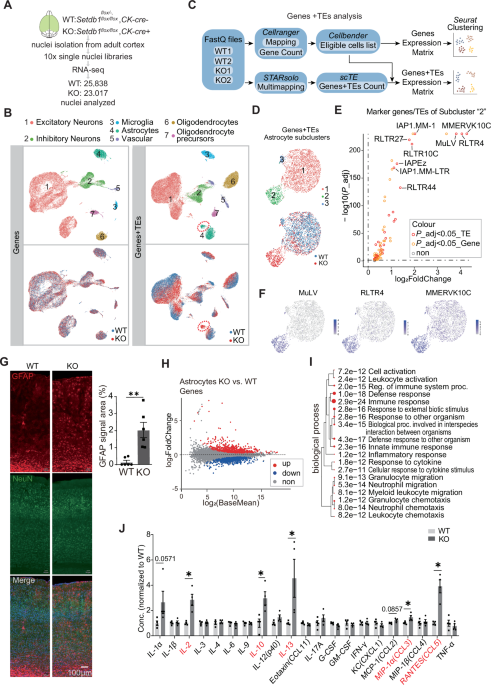
SETDB1 modulates neuroinflammation in the mouse cortex by regulating neuronal P2rx7 expression
Pape K, Tamouza R, Leboyer M, Zipp F. Immunoneuropsychiatry – novel perspectives on brain disorders. Nat Rev Neurol. 2019;15:317–28.
Google Scholar
Welcome MO, Mastorakis NE. Stress-induced blood brain barrier disruption: Molecular mechanisms and signaling pathways. Pharmacol Res. 2020;157:104769.
Google Scholar
Miller AH, Raison CL. The role of inflammation in depression: from evolutionary imperative to modern treatment target. Nat Rev Immunol. 2016;16:22–34.
Google Scholar
Torres-Berrio A, Estill M, Patel V, Ramakrishnan A, Kronman H, Minier-Toribio A, et al. Mono-methylation of lysine 27 at histone 3 confers lifelong susceptibility to stress. Neuron. 2024;112:2973–89.e10.
Google Scholar
Padeken J, Methot SP, Gasser SM. Establishment of H3K9-methylated heterochromatin and its functions in tissue differentiation and maintenance. Nat Rev Mol Cell Biol. 2022;23:623–40.
Google Scholar
Wang DY, Kosowan J, Samsom J, Leung L, Zhang KL, Li YX, et al. Inhibition of the G9a/GLP histone methyltransferase complex modulates anxiety-related behavior in mice. Acta Pharmacol Sin. 2018;39:866–74.
Google Scholar
Tan SL, Nishi M, Ohtsuka T, Matsui T, Takemoto K, Kamio-Miura A, et al. Essential roles of the histone methyltransferase ESET in the epigenetic control of neural progenitor cells during development. Development. 2012;139:3806–16.
Google Scholar
Zhu Y, Sun D, Jakovcevski M, Jiang Y. Epigenetic mechanism of SETDB1 in brain: implications for neuropsychiatric disorders. Transl Psychiatry. 2020;10:115.
Google Scholar
Jiang Y, Jakovcevski M, Bharadwaj R, Connor C, Schroeder FA, Lin CL, et al. Setdb1 histone methyltransferase regulates mood-related behaviors and expression of the NMDA receptor subunit NR2B. J Neurosci. 2010;30:7152–67.
Google Scholar
Li J, Zheng S, Dong Y, Xu H, Zhu Y, Weng J, et al. Histone Methyltransferase SETDB1 Regulates the Development of Cortical Htr3a-Positive Interneurons and Mood Behaviors. Biol Psychiatry. 2023;93:279–90.
Google Scholar
Rowe HM, Jakobsson J, Mesnard D, Rougemont J, Reynard S, Aktas T, et al. KAP1 controls endogenous retroviruses in embryonic stem cells. Nature. 2010;463:237–40.
Google Scholar
Griffin GK, Wu J, Iracheta-Vellve A, Patti JC, Hsu J, Davis T, et al. Epigenetic silencing by SETDB1 suppresses tumour intrinsic immunogenicity. Nature. 2021;595:309–14.
Google Scholar
Rolland A, Jouvin-Marche E, Viret C, Faure M, Perron H, Marche PN. The envelope protein of a human endogenous retrovirus-W family activates innate immunity through CD14/TLR4 and promotes Th1-like responses. J Immunol. 2006;176:7636–44.
Google Scholar
Chandrasekaran S, Espeso-Gil S, Loh YE, Javidfar B, Kassim B, Zhu Y, et al. Neuron-specific chromosomal megadomain organization is adaptive to recent retrotransposon expansions. Nat Commun. 2021;12:7243.
Google Scholar
Barden N, Harvey M, Gagne B, Shink E, Tremblay M, Raymond C, et al. Analysis of single nucleotide polymorphisms in genes in the chromosome 12Q24.31 region points to P2RX7 as a susceptibility gene to bipolar affective disorder. Am J Med Genet B Neuropsychiatr Genet. 2006;141B:374–82.
Google Scholar
Lucae S, Salyakina D, Barden N, Harvey M, Gagne B, Labbe M, et al. P2RX7, a gene coding for a purinergic ligand-gated ion channel, is associated with major depressive disorder. Hum Mol Genet. 2006;15:2438–45.
Google Scholar
Kristof Z, Gal Z, Torok D, Eszlari N, Sutori S, Erdelyi-Hamza B, et al. Variation along P2RX7 interacts with early traumas on severity of anxiety suggesting a role for neuroinflammation. Sci Rep. 2023;13:7757.
Google Scholar
Troubat R, Leman S, Pinchaud K, Surget A, Barone P, Roger S, et al. Brain immune cells characterization in UCMS exposed P2X7 knock-out mouse. Brain Behav Immun. 2021;94:159–74.
Google Scholar
von Muecke-Heim IA, Ries C, Urbina L, Deussing JM. P2X7R antagonists in chronic stress-based depression models: a review. Eur Arch Psychiatry Clin Neurosci. 2021;271:1343–58.
Google Scholar
Sidoryk-Wegrzynowicz M, Struzynska L. Astroglial and microglial purinergic P2X7 receptor as a major contributor to neuroinflammation during the course of multiple sclerosis. Int J Mol Sci. 2021;22:8404.
Google Scholar
He Y, Taylor N, Fourgeaud L, Bhattacharya A. The role of microglial P2X7: modulation of cell death and cytokine release. J Neuroinflammation. 2017;14:135.
Google Scholar
Miras-Portugal MT, Sebastian-Serrano A, de Diego Garcia L, Diaz-Hernandez M. Neuronal P2X7 receptor: involvement in neuronal physiology and pathology. J Neurosci. 2017;37:7063–72.
Google Scholar
Ohishi A, Keno Y, Marumiya A, Sudo Y, Uda Y, Matsuda K, et al. Expression level of P2X7 receptor is a determinant of ATP-induced death of mouse cultured neurons. Neuroscience. 2016;319:35–45.
Google Scholar
Sebastian-Serrano A, Engel T, de Diego-Garcia L, Olivos-Ore LA, Arribas-Blazquez M, Martinez-Frailes C, et al. Neurodevelopmental alterations and seizures developed by mouse model of infantile hypophosphatasia are associated with purinergic signalling deregulation. Hum Mol Genet. 2016;25:4143–56.
Google Scholar
Shin YH, Kim M, Kim N, Choi SK, Namkoong E, Choi SY, et al. Epigenetic alteration of the purinergic type 7 receptor in salivary epithelial cells. Biochem Biophys Res Commun. 2015;466:704–10.
Google Scholar
Jimenez-Mateos EM, Arribas-Blazquez M, Sanz-Rodriguez A, Concannon C, Olivos-Ore LA, Reschke CR, et al. microRNA targeting of the P2X7 purinoceptor opposes a contralateral epileptogenic focus in the hippocampus. Sci Rep. 2015;5:17486.
Google Scholar
Garcia-Huerta P, Diaz-Hernandez M, Delicado EG, Pimentel-Santillana M, Miras-Portugal MT, Gomez-Villafuertes R. The specificity protein factor Sp1 mediates transcriptional regulation of P2X7 receptors in the nervous system. J Biol Chem. 2012;287:44628–44.
Google Scholar
Di Virgilio F, Dal Ben D, Sarti AC, Giuliani AL, Falzoni S. The P2X7 Receptor in Infection and Inflammation. Immunity. 2017;47:15–31.
Google Scholar
Bennett MR. Synaptic P2X7 receptor regenerative-loop hypothesis for depression. Aust N Z J Psychiatry. 2007;41:563–71.
Google Scholar
Vitureira N, Rafael A, Abudara V. P2X7 receptors and pannexin1 hemichannels shape presynaptic transmission. Purinergic Signal. 2024;20:223–36.
Google Scholar
Munoz FM, Gao R, Tian Y, Henstenburg BA, Barrett JE, Hu H. Neuronal P2X7 receptor-induced reactive oxygen species production contributes to nociceptive behavior in mice. Sci Rep. 2017;7:3539.
Google Scholar
Fellin T, Pozzan T, Carmignoto G. Purinergic receptors mediate two distinct glutamate release pathways in hippocampal astrocytes. J Biol Chem. 2006;281:4274–84.
Google Scholar
Jiang Y, Loh YE, Rajarajan P, Hirayama T, Liao W, Kassim BS, et al. The methyltransferase SETDB1 regulates a large neuron-specific topological chromatin domain. Nat Genet. 2017;49:1239–50.
Google Scholar
Chen L, Faas GC, Ferando I, Mody I. Novel insights into the behavioral analysis of mice subjected to the forced-swim test. Transl Psychiatry. 2015;5:e551.
Google Scholar
Troubat R, Barone P, Leman S, Desmidt T, Cressant A, Atanasova B, et al. Neuroinflammation and depression: A review. Eur J Neurosci. 2021;53:151–71.
Google Scholar
Kato M, Takemoto K, Shinkai Y. A somatic role for the histone methyltransferase Setdb1 in endogenous retrovirus silencing. Nat Commun. 2018;9:1683.
Google Scholar
He J, Babarinde IA, Sun L, Xu S, Chen R, Shi J, et al. Identifying transposable element expression dynamics and heterogeneity during development at the single-cell level with a processing pipeline scTE. Nat Commun. 2021;12:1456.
Google Scholar
Liu X, Liu Z, Wu Z, Ren J, Fan Y, Sun L, et al. Resurrection of endogenous retroviruses during aging reinforces senescence. Cell. 2023;186:287–304.e26.
Google Scholar
Liu S, Heumuller SE, Hossinger A, Muller SA, Buravlova O, Lichtenthaler SF, et al. Reactivated endogenous retroviruses promote protein aggregate spreading. Nat Commun. 2023;14:5034.
Google Scholar
Sun W, Cornwell A, Li J, Peng S, Osorio MJ, Aalling N, et al. SOX9 Is an astrocyte-specific nuclear marker in the adult brain outside the neurogenic regions. J Neurosci. 2017;37:4493–507.
Google Scholar
Li P, Wei J, Zhu Y. CellGO: a novel deep learning-based framework and webserver for cell-type-specific gene function interpretation. Brief Bioinform. 2023;25:bbad417.
Google Scholar
Witt I, Straub N, Kaufer NF, Gross T. The CAGTCACA box in the fission yeast Schizosaccharomyces pombe functions like a TATA element and binds a novel factor. EMBO J. 1993;12:1201–8.
Google Scholar
Cho MJ, Lee DG, Lee JW, Hwang B, Yoon SJ, Lee SJ, et al. Endothelial PTP4A1 mitigates vascular inflammation via USF1/A20 axis-mediated NF-kappaB inactivation. Cardiovasc Res. 2023;119:1265–78.
Google Scholar
Ge SX, Jung D, Yao R. ShinyGO: a graphical gene-set enrichment tool for animals and plants. Bioinformatics. 2020;36:2628–9.
Google Scholar
Guo M, Zhu J, Hu Z, Wang Q, Songyang Z, Xiong Y. Histone mRNA polyadenylation-mediated inflammation underlies various virus infections and cancers. J Med Virol. 2023;95:e28826.
Google Scholar
Polykratis A, Martens A, Eren RO, Shirasaki Y, Yamagishi M, Yamaguchi Y, et al. A20 prevents inflammasome-dependent arthritis by inhibiting macrophage necroptosis through its ZnF7 ubiquitin-binding domain. Nat Cell Biol. 2019;21:731–42.
Google Scholar
Li Q, Verma IM. NF-kappaB regulation in the immune system. Nat Rev Immunol. 2002;2:725–34.
Google Scholar
Pastuzyn ED, Day CE, Kearns RB, Kyrke-Smith M, Taibi AV, McCormick J, et al. The neuronal gene arc encodes a repurposed retrotransposon Gag protein that mediates intercellular RNA transfer. Cell. 2018;172:275–88.e18.
Google Scholar
Manghera M, Douville RN. Endogenous retrovirus-K promoter: a landing strip for inflammatory transcription factors? Retrovirology. 2013;10:16.
Google Scholar
Kwon DN, Lee YK, Greenhalgh DG, Cho K. Lipopolysaccharide stress induces cell-type specific production of murine leukemia virus type-endogenous retroviral virions in primary lymphoid cells. J Gen Virol. 2011;92:292–300.
Google Scholar
Wu B, Peng L, Xie J, Zou L, Zhu Q, Jiang H, et al. The P2X(7) receptor in dorsal root ganglia is involved in HIV gp120-associated neuropathic pain. Brain Res Bull. 2017;135:25–32.
Google Scholar
Yang R, Yu T, Kou X, Gao X, Chen C, Liu D, et al. Tet1 and Tet2 maintain mesenchymal stem cell homeostasis via demethylation of the P2rX7 promoter. Nat Commun. 2018;9:2143.
Google Scholar
Parisi C, Napoli G, Amadio S, Spalloni A, Apolloni S, Longone P, et al. MicroRNA-125b regulates microglia activation and motor neuron death in ALS. Cell Death Differ. 2016;23:531–41.
Google Scholar
Engel T, Brennan GP, Sanz-Rodriguez A, Alves M, Beamer E, Watters O, et al. A calcium-sensitive feed-forward loop regulating the expression of the ATP-gated purinergic P2X7 receptor via specificity protein 1 and microRNA-22. Biochim Biophys Acta Mol Cell Res. 2017;1864:255–66.
Google Scholar
Hashimoto-Hill S, Friesen L, Kim M, Kim CH. Contraction of intestinal effector T cells by retinoic acid-induced purinergic receptor P2X7. Mucosal Immunol. 2017;10:912–23.
Google Scholar
Shoulders CC, Naoumova RP. USF1 implicated in the aetiology of familial combined hyperlipidaemia and the metabolic syndrome. Trends Mol Med. 2004;10:362–5.
Google Scholar
Albalawi F, Lu W, Beckel JM, Lim JC, McCaughey SA, Mitchell CH. The P2X7 receptor primes IL-1beta and the NLRP3 inflammasome in astrocytes exposed to mechanical strain. Front Cell Neurosci. 2017;11:227.
Google Scholar
Illes P. P2X7 receptors amplify CNS damage in neurodegenerative diseases. Int J Mol Sci. 2020;21:5996.
Google Scholar
Tao C, Zhang GW, Sun WJ, Huang JJ, Zhang LI, Tao HW. Excitation-inhibition imbalance in medial preoptic area circuits underlies chronic stress-induced depression-like states. Nat Commun. 2024;15:8575.
Google Scholar
Abdallah CG, De Feyter HM, Averill LA, Jiang L, Averill CL, Chowdhury GMI, et al. The effects of ketamine on prefrontal glutamate neurotransmission in healthy and depressed subjects. Neuropsychopharmacology. 2018;43:2154–60.
Google Scholar
Beltran-Lobo P, Hughes MM, Troakes C, Croft CL, Rupawala H, Jutzi D, et al. P2X(7)R influences tau aggregate burden in human tauopathies and shows distinct signalling in microglia and astrocytes. Brain Behav Immun. 2023;114:414–29.
Google Scholar
Chen R, Ishak CA, De Carvalho DD. Endogenous retroelements and the viral mimicry response in cancer therapy and cellular homeostasis. Cancer Discov. 2021;11:2707–25.
Google Scholar
Zhou J, Geng Y, Su T, Wang Q, Ren Y, Zhao J, et al. NMDA receptor-dependent prostaglandin-endoperoxide synthase 2 induction in neurons promotes glial proliferation during brain development and injury. Cell Rep. 2022;38:110557.
Google Scholar
Lima-Junior DS, Krishnamurthy SR, Bouladoux N, Collins N, Han SJ, Chen EY, et al. Endogenous retroviruses promote homeostatic and inflammatory responses to the microbiota. Cell. 2021;184:3794–811.e19.
Google Scholar
Karlsson H, Bachmann S, Schroder J, McArthur J, Torrey EF, Yolken RH. Retroviral RNA identified in the cerebrospinal fluids and brains of individuals with schizophrenia. Proc Natl Acad Sci USA. 2001;98:4634–9.
Google Scholar
Balestrieri E, Arpino C, Matteucci C, Sorrentino R, Pica F, Alessandrelli R, et al. HERVs expression in autism spectrum disorders. PLoS One. 2012;7:e48831.
Google Scholar
Giuliano CJ, Lin A, Girish V, Sheltzer JM. Generating single cell-derived knockout clones in mammalian cells with CRISPR/Cas9. Curr Protoc Mol Biol. 2019;128:e100.
Google Scholar
Kantzer CG, Boutin C, Herzig ID, Wittwer C, Reiss S, Tiveron MC, et al. Anti-ACSA-2 defines a novel monoclonal antibody for prospective isolation of living neonatal and adult astrocytes. Glia. 2017;65:990–1004.
Google Scholar
Zheng GX, Terry JM, Belgrader P, Ryvkin P, Bent ZW, Wilson R, et al. Massively parallel digital transcriptional profiling of single cells. Nat Commun. 2017;8:14049.
Google Scholar
Caglayan E, Liu Y, Konopka G. Neuronal ambient RNA contamination causes misinterpreted and masked cell types in brain single-nuclei datasets. Neuron. 2022;110:4043–56.e5.
Google Scholar
Hao Y, Hao S, Andersen-Nissen E, Mauck WM 3rd, Zheng S, Butler A, et al. Integrated analysis of multimodal single-cell data. Cell. 2021;184:3573–87.e29.
Google Scholar
Dobin A, Davis CA, Schlesinger F, Drenkow J, Zaleski C, Jha S, et al. STAR: ultrafast universal RNA-seq aligner. Bioinformatics. 2013;29:15–21.
Google Scholar
Jin Y, Tam OH, Paniagua E, Hammell M. TEtranscripts: a package for including transposable elements in differential expression analysis of RNA-seq datasets. Bioinformatics. 2015;31:3593–9.
Google Scholar
Continue Reading
-

Assessing GDS Holdings (GDS) After Its Strong Multi‑Year Share Price Recovery
Find your next quality investment with Simply Wall St’s easy and powerful screener, trusted by over 7 million individual investors worldwide.
-
If you are wondering whether GDS Holdings at around US$39.91 is still good value after a strong run, this breakdown is designed to help you size up what the current price might be implying.
-
The stock has seen a 1.2% decline over the last 7 days, a 4.7% gain over 30 days, is up 4.1% year to date, 85.8% over 1 year, 123.7% over 3 years, but is 49.0% lower over 5 years. This gives a mixed picture for anyone trying to judge risk and potential.
-
Recent headlines around GDS Holdings have focused on the company’s position in its market and how investors are reassessing the stock after such a strong 1 year and 3 year return profile. That context matters for valuation, because sentiment and expectations often shape how far investors are willing to stretch on price.
-
Despite those moves, GDS Holdings currently records a valuation score of 0 out of 6. The next sections will walk through the key valuation approaches commonly used on this stock and then finish with a more complete way to think about what the current price might mean.
GDS Holdings scores just 0/6 on our valuation checks. See what other red flags we found in the full valuation breakdown.
A Discounted Cash Flow, or DCF, model projects a company’s future cash flows and then discounts those cash flows back to today to estimate what the business might be worth right now.
For GDS Holdings, the model used is a 2 Stage Free Cash Flow to Equity approach, based on cash flows in CN¥. The latest twelve month free cash flow is a loss of CN¥727.76 million. Analyst inputs and projections show free cash flow staying negative for several years, then shifting to positive, reaching CN¥467.10 million in 2030, with further projected growth beyond that based on extrapolations.
When all those projected cash flows are discounted back to today, the DCF model produces an estimated intrinsic value of about CN¥0.59 per share. Compared with the current share price of about US$39.91, this model output characterizes the stock as very overvalued, with an intrinsic discount figure of 6,640.7%.
Result: OVERVALUED
Our Discounted Cash Flow (DCF) analysis suggests GDS Holdings may be overvalued by 6640.7%. Discover 59 high quality undervalued stocks or create your own screener to find better value opportunities.
GDS Discounted Cash Flow as at Apr 2026 Head to the Valuation section of our Company Report for more details on how we arrive at this Fair Value for GDS Holdings.
Continue Reading
-
-

BYD Weighs Record Overseas Sales Against Domestic Slump And Battery Shift
Never miss an important update on your stock portfolio and cut through the noise. Over 7 million investors trust Simply Wall St to stay informed where it matters for FREE.
-
BYD (SEHK:1211) reported a 65% jump in overseas unit sales in March, reaching its highest overseas volume in three months.
-
Domestic sales fell for the seventh consecutive month over the same period, highlighting a split between international and home market performance.
-
The company raised its export target for 2026, citing the role of higher oil prices and new international plants in supporting demand.
-
BYD also launched its first major battery upgrade in six years, a development that could influence buyer perception of its vehicles.
For investors tracking BYD’s mix of growth drivers, the latest numbers underline the contrast between overseas traction and a weaker domestic backdrop. BYD, a major electric vehicle and battery producer, is relying more on global demand at a time when international buyers may be more sensitive to fuel prices and local production footprints.
The new battery technology and higher export ambitions add fresh variables to watch beyond short term sales swings. The way these changes affect product appeal, pricing dynamics, and regional sales mix may help define the evolving risk profile and earnings quality story around BYD (SEHK:1211).
Stay updated on the most important news stories for BYD by adding it to your watchlist or portfolio. Alternatively, explore our Community to discover new perspectives on BYD.
SEHK:1211 1-Year Stock Price Chart See which insiders are buying and buying and selling BYD following this latest news.
For existing and prospective shareholders, BYD’s record overseas sales in March sit against a recent full-year picture where sales reached CNY 803.96b while net income moved to CNY 32.62b and earnings per share dipped to CNY 3.58 from CNY 4.61. That mix, plus a lower proposed final dividend of RMB 0.358 per share, suggests the business is leaning harder on export growth and new technology, such as its first major battery upgrade in six years, at a time when domestic demand is under pressure. Market reaction to this combination of softer earnings, reduced cash returns and stronger export volumes can be a useful read on whether investors are prioritising growth optionality or capital return right now.
-
⚠️ Pressure on earnings, with net income and EPS below the prior year, may keep some income focused investors cautious about the quality and resilience of profits.
-
⚠️ A seventh month of weaker domestic sales, alongside a lower proposed dividend, may signal that management has less room to support shareholder payouts if the home market stays soft.
-
🎁 Record overseas sales in March and a higher 2026 export target point to growing traction in international markets, which may diversify BYD’s revenue base away from China.
-
🎁 The first major battery upgrade in six years could strengthen product appeal relative to other electric vehicle makers such as Tesla, NIO or XPeng if buyers respond positively to the new technology.
Continue Reading
-
-

Amazon Globalstar Interest Puts Apple Satellite Story Under Fresh Review
Get insights on thousands of stocks from the global community of over 7 million individual investors at Simply Wall St.
-
Amazon is exploring a potential acquisition of Globalstar, the satellite operator that underpins Apple’s Emergency SOS and other satellite features.
-
Apple, which holds a significant stake in Globalstar, currently relies on the company’s network to support satellite connectivity on selected iPhone models.
-
A change of control at Globalstar to another large tech company could affect how NasdaqGS:AAPL structures future device features and service agreements.
For Apple, satellite connectivity has become part of the broader hardware and services story, alongside devices, wearables and digital subscriptions. The tie up with Globalstar helps support Emergency SOS and related services that Apple uses to differentiate certain iPhone models in a crowded smartphone market. In parallel, large technology groups are looking more closely at space based infrastructure as demand for always on connectivity expands.
If Amazon proceeds with a Globalstar deal, investors in NasdaqGS:AAPL may focus on how Apple responds in terms of contract terms, network redundancy and control over key user experiences. The outcome could influence how Apple approaches future satellite partnerships, capital allocation to connectivity projects and the balance between in house capabilities and external providers over the long term.
Stay updated on the most important news stories for Apple by adding it to your watchlist or portfolio. Alternatively, explore our Community to discover new perspectives on Apple.
NasdaqGS:AAPL Earnings & Revenue Growth as at Apr 2026 We’ve flagged 0 risks for Apple. See which could impact your investment.
For Apple, Amazon’s interest in buying Globalstar goes straight to the heart of how it delivers emergency and satellite features on iPhone. Apple holds a 20% stake in Globalstar and has committed about US$1.5b to its infrastructure, so any ownership change to a large competitor in consumer tech is more than a routine supplier shuffle. Investors are likely to think about whether Apple can preserve priority access, service quality, and economics if Amazon gains control of Globalstar while also building its own satellite operation to rival services like SpaceX’s Starlink. This also sits alongside Apple’s broader approach of leaning on external partners in areas like AI models while keeping the user relationship and overall experience inside its own ecosystem.
-
The possible Globalstar sale fits the existing narrative that Apple uses partnerships to support hardware and services growth, since satellite connectivity has helped differentiate higher end iPhones and support its services story.
-
At the same time, the prospect of Amazon owning Globalstar challenges the idea that supply chain moves are mainly reducing dependence on powerful partners, because a key satellite provider could end up owned by a direct rival to Apple’s devices and services.
-
The current narrative places a lot of weight on AI partnerships and services expansion but does not fully spell out how control of space based connectivity, and a partner like Amazon entering that layer, might affect Apple’s long term bargaining power.
Continue Reading
-