Category: 3. Business

  • ComBox app: Evaluating measurement data at the touch button

    ComBox app: Evaluating measurement data at the touch button

    Drivers of development vehicles already have their hands full identifying, documenting and reporting technical abnormalities of new vehicle functions to the respective development departments during their test drives. “We welcome any simplification of our work, especially with regard to ADAS and drive issues, the validation of which is particularly time-consuming,” reports Jan Wörner, Project Manager in Data Driven Testing & Vehicle Functions at Porsche Engineering. “That’s exactly why we developed the ComBox app: It’s the engineer’s companion and serves as a kind of digital assistant during the testing. It also performs many calculations directly in the vehicle and identifies important scenarios in the measurement data without the driver having to intervene. This edge computing means we have to send significantly less data to the cloud for evaluation.”

    Six modes to choose from

    A commercially available high-end smartphone serves as the platform for the ComBox app. Most of the computing resources of this smartphone are available to the assistance software developed by Porsche Engineering. After launching the app, the user can select from six different modes: “Standard / Single” can be used to trigger measurement of vehicle control unit data at any time in order to record this measurement data and upload it to the cloud. “Scene Recognition” mode can record general traffic scenarios that are relevant for ADAS functions, for example.

    ADAS validation with the smartphone


    Porsche Engineering makes ADAS validation scalable.

    “Acoustic Detection” mode uses AI help to find distracting noises, while “Infotainment Recording” offers support with correcting display problems. “These four modes have one thing in common: After a manual or automatic trigger, they record patterns or errors and send the corresponding data to the cloud,” says Wörner. “Shift report” mode is used after the test drives and reduces the work involved in creating the log. “All modes reduce the manual workload, which increases efficiency and cuts human errors in the testing and fault elimination process,” explains Wörner.

    Access to the vehicle buses

    The prerequisite for this is that all modes have access to the relevant vehicle buses and data. The ComBox app obtains this data from a data logger in the test vehicle, such as Porsche Engineering’s Car Data Box. “The data logger has full access to all bus systems such as CAN, LIN, FlexRay, and Automotive Ethernet, which it uses to provide information about the current status of all vehicle systems,” explains Wörner. “It forwards this data to the smartphone with the ComBox app – either via cable using an Ethernet-to-USB adapter or via WiFi, if there is a wireless access point in the vehicle that is connected to the data logger.”  

    With the ComBox app’s Standard / Single service, the driver can trigger a measurement manually if any abnormality occurs. “This means that all measurement data from the vehicle is recorded within a defined timeframe around the trigger time and loaded into the cloud. The timeframe could be, for example, from three minutes before the trigger time to three minutes after it,” says Wörner. “The driver can also input a voice explanation into the smartphone, which is then automatically converted into text and sent to the cloud together with the measured data via a 5G network. With this method, detailed additional information can be recorded immediately and thereby be made available without delay for the downstream error analysis. The other modes also offer this option.“

    „Acoustic Detection” mode automatically identifies certain unwanted noises in the vehicle and, under certain framework conditions, provides support with identifying the cause. “The ComBox app uses the smartphone’s high-quality microphone to detect the  background noise. This makes reliable detection possible that is as cost-effective as it is space-saving—and without any additional equipment. However, those who wish to can still connect special microphone technology,” Wörner explains. “Artificial intelligence is used to analyze the audio recording directly in the vehicle: We use a neural network that we have trained with noise interference patterns.”

    Between the measurement technology and the cloud, Infographic, ComBox App, 2025, Porsche AG


    If the ComBox app detects an unwanted pattern, it automatically generates a message to this effect and loads it into the cloud together with the relevant audio 昀؀le. Other measurements such as the current speed of the vehicle, the gear engaged, and the engine speed are also transmitted. This extensive automation significantly reduces the workload required. For example, ”Acoustic Detection“ mode can automatically detect the signature howling noise of turbochargers, as well as certain intrusive wind noises. The list of automatically identifiable noise types will be expanded to include further noise categories in the future. In addition, the neural network has also learned how normal driving sounds as a reference. Using the ComBox app can significantly reduce the effort involved in detecting and analyzing acoustic issues.

    “In the past, there was often no suitable measuring equipment in the vehicle when such anomalies occurred,” reports Wörner. “We therefore first had to equip a vehicle with the measuring technology and then deliberately recreate the fault. This was very time-consuming and associated with high costs.” Abnormalities in the infotainment system can also be logged using the ComBox app. This is where “Infotainment Recording“ mode comes in. This mode records the content of the screens (driver, central, and passenger display) while the vehicle is moving. If the test driver notices a problem, a simple press of a button in the app will suffice to automatically upload a short video to the cloud. The video also contains the screen content from a few seconds before the function was triggered,” says Wörner. “Abnormalities such as misaligned text, an incorrectly placed icon in the navigation system or the wrong element being overlaid usually only appear for a few seconds, which is why we were often unable to record them in time in the past. ‘Infotainment Recording’ mode gives us a lot more room to identify and flag such issues.”

    Automatic scene recognition

    „Scene Recognition“ mode is still under development. It aims to automatically detect typical traffic scenarios that are relevant for testing a new ADAS function, such as being cut off by a vehicle in front—an incident that the ACC function, for example, may need to counter by braking. Such scenarios are described by the signals that occur in the vehicle and the order they occur in. These signals include the current speed, the brake pressure, and the distance to the road user in front. Edge computing directly within the app allows even complex scenarios and test cycles to be detected intelligently and automatically, without the driver having to intervene.

    Identifying corner cases

    Confident, even in borderline cases.

    “We can send a specific scenario pattern – containing the sequence of events and the combination of signals – from the cloud to all vehicles equipped with the ComBox app,” says Wörner. “As soon as the pattern you are looking for appears somewhere, the ComBox app sends the current measurement data to the cloud. This allows developers to see whether the new vehicle function has responded as desired.” The big advantage here is that, in the future, all vehicles in a test fleet that are running the ComBox app can be used to search for the relevant patterns – and not just those vehicles that are, for example, specifically on the road for ADAS testing purposes. “This saves a lot of time,” says Wörner, “because we no longer have to carry out certain dedicated test drives separately. They are done by other vehicles along the way, so to speak.”

    “Shift report” mode greatly facilitates the documentation of test drivers and measurement results. For quality assurance purposes, new vehicles undergo extensive endurance tests that include many repetitions – for example, opening the luggage compartment and sliding the sunroof several times or repeatedly charging the battery. This mode uses vehicle measurement signals to partially fill out the reports automatically—with data such as the number of repetitions performed. The reports need only to be checked after the journey and corrected if necessary. What’s more, the driver can record all errors that occur while driving directly in the ComBox app and add photos if necessary.

    “After each journey, the driver fills out a report and indicates how often they have carried out which action,” explains Wörner. “Completing these reports manually means a great deal of work and, as with any manual activity, errors can creep in. This is where the app effectively remedies the problem and we can increase the quality of the reports.” The six modes of the ComBox app have already proved themselves in practice and are constantly being enhanced. “The ComBox app thus serves as a reliable assistant for testing and, at the same time, functions as a central data interface,” Wörner sums up. “Another advantage is its ability to be used seamlessly and comprehensively for more or less all vehicle derivatives. In the future, Porsche Engineering plans to offer this tool, including the backend in the cloud, to its industrial customers as a self-contained product. The app’s different modes can be added on individually depending on customer requirements.

    Info

    Text first published in Porsche Engineering Magazine, issue 1/2025.

    Text: Christian Buck

    Copyright: All images, videos and audio files published in this article are subject to copyright. Reproduction in whole or in part is not permitted without the written consent of Dr. Ing. h.c. F. Porsche AG. Please contact magazin@porsche-engineering.de for further information.

    Continue Reading

  • flydubai signs for 150 A321neo

    flydubai signs for 150 A321neo

    Dubai, United Arab Emirates, 18 November 2025 – flydubai has signed a Memorandum of Understanding (MoU) with Airbus for 150 A321neo aircraft making the airline a new Airbus customer. The agreement underscores the carrier’s confidence in Dubai’s growth plans. 

    His Highness Sheikh Ahmed bin Saeed Al Maktoum, Chairman of flydubai, signed the MoU agreement with Christian Scherer, CEO Commercial Aircraft at Airbus, at the signing ceremony which was attended by Ghaith Al Ghaith, Chief Executive Officer at flydubai, on the second day of the Dubai Airshow 2025.

    We are pleased to announce a landmark agreement for 150 A321neo aircraft, representing another important milestone in flydubai’s journey. This new agreement is not only about adding aircraft. It supports the vision of His Highness Sheikh Mohammed bin Rashid Al Maktoum, Vice President and Prime Minister of the UAE and Ruler of Dubai and aligns with the Dubai Economic Agenda D33,” said His Highness Sheikh Ahmed bin Saeed Al Maktoum, Chairman and CEO of flydubai.

    “This strategic addition diversifies our narrow-body fleet and strengthens our long-term expansion plans. This will enable flydubai to play a key role in the success of Dubai World Central’s expansion plans, an airport we aim to become the largest airport in the world.”

    “The A321neos will support the next phase of our network development and enable us to meet rising demand across our markets. We look forward to establishing a strong and enduring partnership between flydubai and Airbus.” 

    The addition of the latest generation A321neo will support flydubai’s strategy to expand its network, offering customers access to new destinations with greater efficiency and comfort. 

    “We welcome flydubai, one of the Middle East’s most ambitious and fast-growing carriers, as a new Airbus customer,” said Christian Scherer, CEO Commercial Aircraft at Airbus. “The decision to invest in and introduce the A321neo into its fleet is another endorsement of the added value Airbus brings in terms of range, efficiency and passenger comfort. We look forward to supporting flydubai as it enables new growth and possibilities with our aircraft.” 

    The A321neo is part of the A320neo Family, incorporating the latest technologies including new generation engines, Sharklets and cabin efficiency enablers, which together deliver more than 20% fuel savings and CO₂ reduction compared to previous generation single-aisle aircraft. 

    At the end of October 2025, more than 7,200 A321neo aircraft have been ordered by nearly 100 customers across the globe.

    As with all Airbus aircraft, the A320 Family is already able to operate with up to 50% Sustainable Aviation Fuel (SAF), with Airbus targeting 100% SAF capability by 2030. 

    @Airbus @flydubai #A321neo

    Continue Reading

  • Radiation-free diagnosis of lumbar spondylolysis: case series evaluating MRI-based synthetic CT efficacy | Egyptian Journal of Radiology and Nuclear Medicine

    Radiation-free diagnosis of lumbar spondylolysis: case series evaluating MRI-based synthetic CT efficacy | Egyptian Journal of Radiology and Nuclear Medicine

    Lumbar spondylolysis—a cortical interruption of the pars interarticularis—is a common cause of low back pain, particularly in adolescents and athletes, and confident diagnosis hinges on clear depiction of the cortical breach [13]. Conventional CT remains the reference for osseous assessment but entails ionizing radiation, whereas routine T1- and T2-weighted MRI avoids radiation yet often fails to delineate subtle cortical discontinuities. Deep learning now enables MRI-based sCT that reproduces CT-like bone contrast from routine MR sequences and may bridge this gap; however, evidence specific to lumbar pars defects remains limited [14]. Therefore, we aimed to determine whether sCT generated from 1.5 T lumbar MRI can reliably depict lumbar spondylolysis underlying spondylolysis, using conventional CT as the reference standard and benchmarking against standard MRI in a retrospective case series [15].

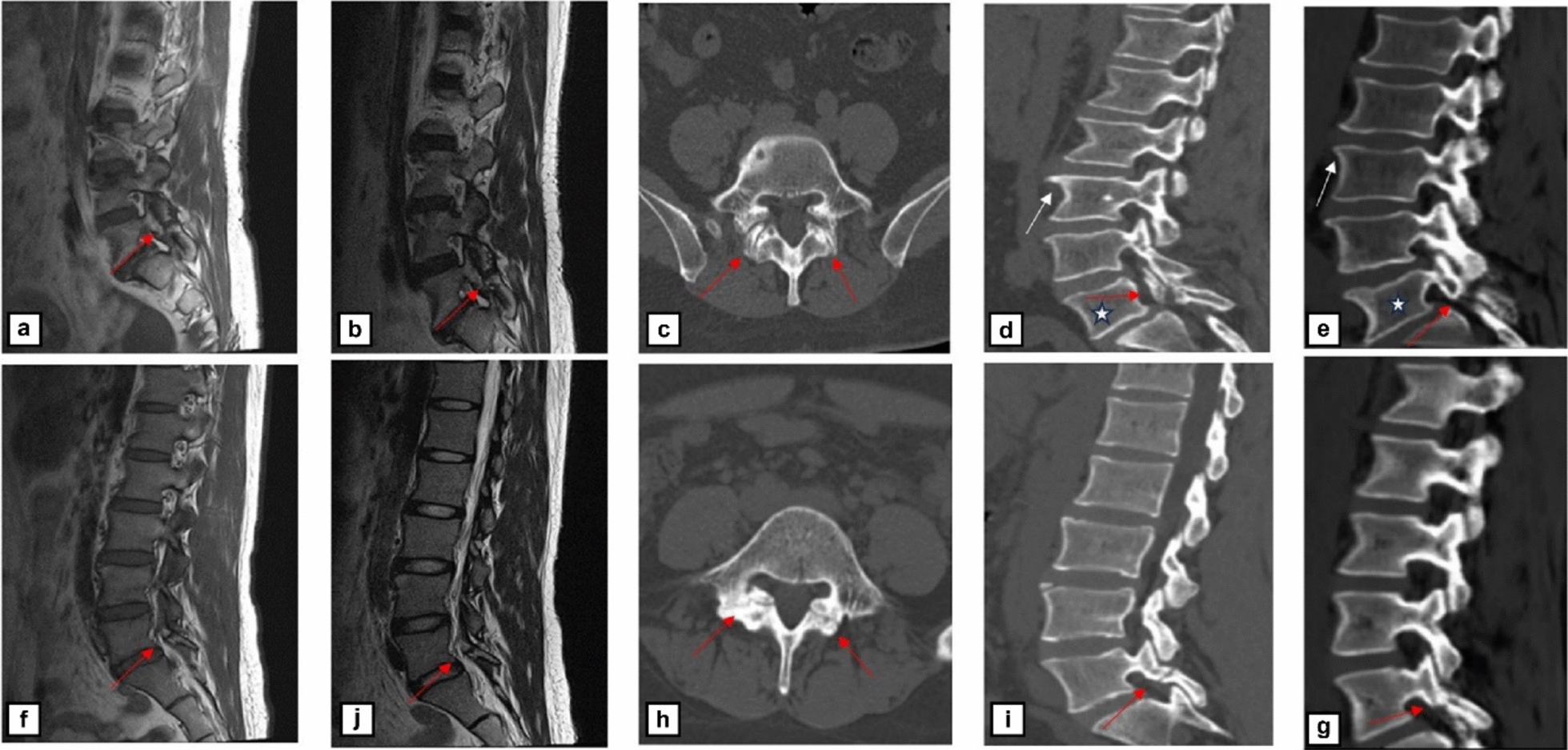
    Our study demonstrated that this deep learning-based sCT, derived from conventional lumbar MRI, provides diagnostic performance equivalent to that of traditional CT for identifying lumbar spondylolysis, significantly surpassing the capabilities of standard MRI sequences. The core value of sCT lies in its precise reproduction of cortical structures as seen on a CT bone window, whereas conventional T1W and T2W sequences are prone to missing non-displaced or occult fractures due to the inherent signal suppression of cortical bone [16]. In our study, the deep learning model was trained with a cycle‑consistent adversarial objective on anatomically aligned MRI–CT volumes; alignment was used to promote structural correspondence, without paired L1 supervision. This approach enhanced the visualization of subtle cortical breaches on sCT; quantitative HU agreement with CT was not evaluated [17]. In contrast to prior research that has primarily focused on large joints or other anatomical regions, we present one of the earliest clinical case series, to our knowledge, applying MRI-derived sCT specifically to lumbar spondylolysis [18,19,20].

    The practical feasibility of sCT for diagnosing lumbar spondylolysis lesions in the lumbar arch was confirmed in a series of cases. Among all three patients with lumbar spondylolysis, the diagnostic performance of sCT and conventional CT assessments showed marked consistency. Nevertheless, conventional MRI sequences faced challenges in clearly delineating the left-sided lumbar spondylolysis in one patient, highlighting the superiority of sCT over conventional MRI. Both sCT and conventional CT accurately identified the cortical disruption of the pars interarticularis. More importantly, the two modalities demonstrated high concordance in depicting the anatomical morphology of the lumbar spondylolysis. Specifically, they provided equivalent imaging information regarding crucial diagnostic details such as the course of the fracture line, the sharpness of cortical margins, and the presence of surrounding osteosclerosis. The use of sCT obviates the need for ionizing radiation and concurrently provides a pathway for identifying spondylolisthesis, osteophytic sclerosis, and related features within a single scan. Our investigation, which identified vertebral osteophytes and sclerosis in the bilateral L5 lumbar spondylolysis of a 60-year-old patient using sCT, hints at its prospective applicability in diagnosing a wide array of musculoskeletal pathologies. This innovative clinical model promises to yield dual benefits for both patients and practitioners by mitigating radiation exposure and streamlining the clinical workflow.

    In comparison with the latest international literature, numerous studies have already confirmed that sCT demonstrates high concordance with conventional CT for morphologic assessment in large joints like the hip and the cervical spine, emphasizing its global applicability in evaluating osseous structures [21,22,23]. For instance, Morbée et al. [21] and Florkow et al. [22] both reported that sCT-based depiction of hip bone structures could completely substitute for conventional CT, offering a radiation-free option suitable for large-scale screening in adolescents and young adults. van der Kolk et al. [23] further established that sCT meets the non-inferiority standard for visualizing cortical bone in the cervical spine. Our study, however, focuses on diagnosing lumbar spondylolysis, which is frequently missed on conventional MRI. We are the first to validate the utility of sCT in the diagnostic dimension of microfractures using real-world clinical data, thereby closing the loop in the application chain from the assessment of large bone structures to the visualization of micro-architectural bone injury. This highlights our study’s innovation and contribution to the field. Notably, Abel et al. [24] pioneered the use of sCT for preoperative geometric measurements of the lumbar spine, confirming its near-perfect agreement with CT for surgical planning parameters and providing a solid foundation for promoting sCT as a “single-scan, comprehensive-assessment” tool. Our work further underscores that the unique value of sCT in diagnosing microfractures has not been thoroughly explored in existing literature, a new frontier expanded by our research.

    Mechanistically, deep learning-empowered sCT effectively overcomes the physical limitations of MRI for cortical bone imaging, achieving CT-like bone contrast for morphological assessment [25]. Our sample data indicate that the discrepancies between sCT and CT in the visualization of cortical fissures and in diagnostic concordance are minimal. This “one-stop-shop,” radiation-free, holistic assessment provides a safe and efficient diagnostic pathway for high-risk cohorts such as adolescents and athletes [26]. On a clinical application level, it can also significantly reduce the healthcare costs and procedural complexities associated with repetitive, multimodal imaging.

    We acknowledge several limitations in this study. First, this proof-of-concept was established using a relatively small and specific cohort of adults with low back pain. The generalizability of our model’s performance to pediatric populations, asymptomatic individuals, or patients with varying degrees of skeletal maturity warrants validation in larger, multicenter, prospective trials. Second, our data were acquired on a 1.5 T MRI scanner. Although our model demonstrated high performance under this constraint, future research should investigate whether the use of higher field-strength magnets (e.g., 3 T) and more advanced MRI sequences could further enhance the resolution and fidelity of sCT images. Finally, this study focused on diagnostic accuracy and did not include longitudinal follow-up. Future research must correlate sCT findings with clinical outcomes, such as fracture healing rates, progression to spondylolisthesis, and response to conservative or surgical management.

    In conclusion, this study provides compelling evidence that MRI-based synthetic CT is a high-precision, radiation-free modality for the diagnosis of lumbar spondylolysis. By overcoming the intrinsic limitations of conventional MRI for cortical bone assessment, this technology offers a robust alternative to conventional CT, thereby enhancing diagnostic confidence and patient safety. The future of musculoskeletal imaging will likely involve greater integration of such AI-driven, multimodal analyses, and our work establishes a validated application that can be readily translated into clinical practice, paving the way for broader investigations into other subtle skeletal pathologies.

    Continue Reading

  • Temenos Named a Leader in IDC MarketScape for North America Retail Digital Banking Solutions

    Temenos Named a Leader in IDC MarketScape for North America Retail Digital Banking Solutions

    GRAND-LANCY, Switzerland – NOVEMBER 18, 2025 – Temenos (SIX: TEMN), a global leader in banking technology, today announced it has been named a Leader in the IDC MarketScape: North America Retail Digital Banking Solutions 2025–2026 Vendor Assessment (doc # US52039425, November 2025).

    The IDC MarketScape evaluation analyzed 10 vendors that provide self-service digital banking solutions to the North American market. The study quantitatively and qualitatively assesses multiple characteristics that help explain a vendor’s success and position in the marketplace.

    According to the report, “Temenos Digital is well suited for midsize to large banks, credit unions, direct banks, and neobanks seeking a core-agnostic, modern digital banking platform deployable across multiple environments.”

    “IDC’s 2025/2026 North America Retail Digital Banking Solutions Vendor Assessment includes providers that support North American banks and credit unions and would be on financial institutions’ short lists for digital banking solutions,” said Marc DeCasto, Research Director at IDC. “Temenos was positioned as a Leader in that assessment, supporting retail banking, SME, corporate banking, and wealth banking across mobile, web, and branch channels, based on the organization’s scale, reliability, flexible architecture, and integration with partners that extend and strengthen the Temenos digital platform.”

    Barb Morgan, Chief Product & Technology Officer, Temenos, added:

    “We’re proud to be recognized in this IDC MarketScape as a Leader in North America retail digital banking solutions. We believe this reflects the advanced functionality, flexibility and proven track record of Temenos Digital, as well as our strategic investment in our product and go-to-market capabilities in the US. As North American financial institutions adapt to consumer expectations of more seamless, conversational and personalized banking, Temenos Digital can help them get to market fast with outstanding omnichannel experiences that drive increased efficiency and higher customer engagement.”

    Temenos Digital empowers financial institutions to deliver efficient, consistent, and secure services to customers, driving long-term loyalty. The solution provides a complete digital platform that spans the end-to-end customer lifecycle from onboarding and account opening to servicing accounts.

    According to data from the Temenos Value Benchmark, an industry-leading program with insights from approximately 170 financial institutions globally, banks that run Temenos Digital have a 52% faster customer onboarding time and a 68% higher cross-sell rate.

    Investing around 20% of revenues in R&D annually, Temenos continues to lead the way in banking innovation globally. In 2025, Temenos launched its Innovation Hub in Central Florida to fuel cutting-edge research and development for US-specific banking solutions and bring innovation closer to its North American customers. This modern, collaborative space enables financial institutions to work side-by-side with Temenos product experts to develop real-world banking solutions powered by transformative technologies such as Generative AI.

    Continue Reading

  • We could still close the year with a rally despite AI slump

    We could still close the year with a rally despite AI slump

    The Nasdaq Composite dropped 0.84% Monday stateside as technology stocks were under pressure, with Apple, Meta and Oracle retreating more than 1% each.

    Artificial intelligence lynchpin Nvidia performed worse, losing almost 2%. CEO Jensen Huang in October said the chipmaker had "half a trillion dollars" of business on the books for 2025 and 2026. When Nvidia reports its third-quarter earnings Wednesday stateside, investors will be combing through Huang's comments for signs of strong 2026 growth, as suggested by that data point.

    The problem with promises or expectations, especially for a company that is one of the two around which the artificial intelligence universe orbits (OpenAI being the other), is that any disappointment will be disproportionately painful.

    "If they offer any even slightly muted guidance or forecast for demand for their chips, the market would take that poorly," Baird investment strategist Ross Mayfield said.

    Despite the recent sell-off in tech over concerns about high valuations and capital expenditure, some analysts think we could still end the year with a rally.

     "We continue to see a balance of bullish and bearish signals heading into year-end, but our stance remains that a year-end rally is likely," Michael Graham, analyst at Canaccord Genuity, wrote in a Monday note.

    Likewise, HSBC's chief multi-asset strategist Max Kettner on Monday said the bank thinks "the probability of a melt-up into year-end – particularly in equities – is much greater" than a potential AI bubble popping.

    If their predictions prove true, investors will have much to celebrate during the festive season — and we can worry about AI in the new year.

    What you need to know today

    And finally...

    Gold bars at the precious metal dealer Pro Aurum.

    Sven Hoppe | Picture Alliance | Getty Images

    The rich are ‘renting’ out their idle gold bars for income as prices remain at historic highs

    Gold prices have been smashing new records this year, and a growing cadre of wealthy investors and family offices are no longer content to let their gold bars sit idle in vaults. They are leasing their bullion to refiners, jewelers, and fabricators for interest, defying gold's reputation as a non-yielding asset.

    Industry veterans whom CNBC spoke to said the appeal is intuitive: investors who already plan to hold gold can earn yields paid in gold through lease payments, while jewelers and fabricators use those leases to fund the gold they need for day-to-day production. 

    — Lee Ying Shan


    Continue Reading

  • Retrospective Study of Platelet-Rich Plasma and Its Uses in Knee Pain in a District General Hospital in the United Kingdom

    Retrospective Study of Platelet-Rich Plasma and Its Uses in Knee Pain in a District General Hospital in the United Kingdom

    Continue Reading

  • TotalEnergies’ power play teaches Big Oil how energy transition can work – Reuters

    1. TotalEnergies’ power play teaches Big Oil how energy transition can work  Reuters
    2. TotalEnergies accelerates its gas-to-power integration strategy in Europe by acquiring 50% of a portfolio of flexible power generation assets from EPH  TotalEnergies.com
    3. Royal Mail owner gets £4.5bn stake in French oil giant  The Telegraph
    4. After Climate Push, Energy Companies Return to Fossil Fuels in Europe  The New York Times
    5. Billionaire Kretinsky Sets Sights Beyond Europe With Total Deal  Bloomberg.com

    Continue Reading

  • HP Drives Additive Manufacturing Adoption Through Portfolio Expansion, New Material Innovations and Global Collaborations at Formnext 2025

    HP Drives Additive Manufacturing Adoption Through Portfolio Expansion, New Material Innovations and Global Collaborations at Formnext 2025

    News Highlights:

    • HP drives innovation in additive manufacturing, announcing upcoming advancements across its portfolio designed to reduce cost per part by 2026, along with the general availability of HP 3D HR PA 11 Gen2.
    • HP simplifies adoption and scales industrial production through the new HP Additive Manufacturing Network (AMN) Program, connecting parts demand with HP’s partner network.
    • HP advances Metal Jet materials innovation through collaborations with Continuum Powders and GKN Additive.
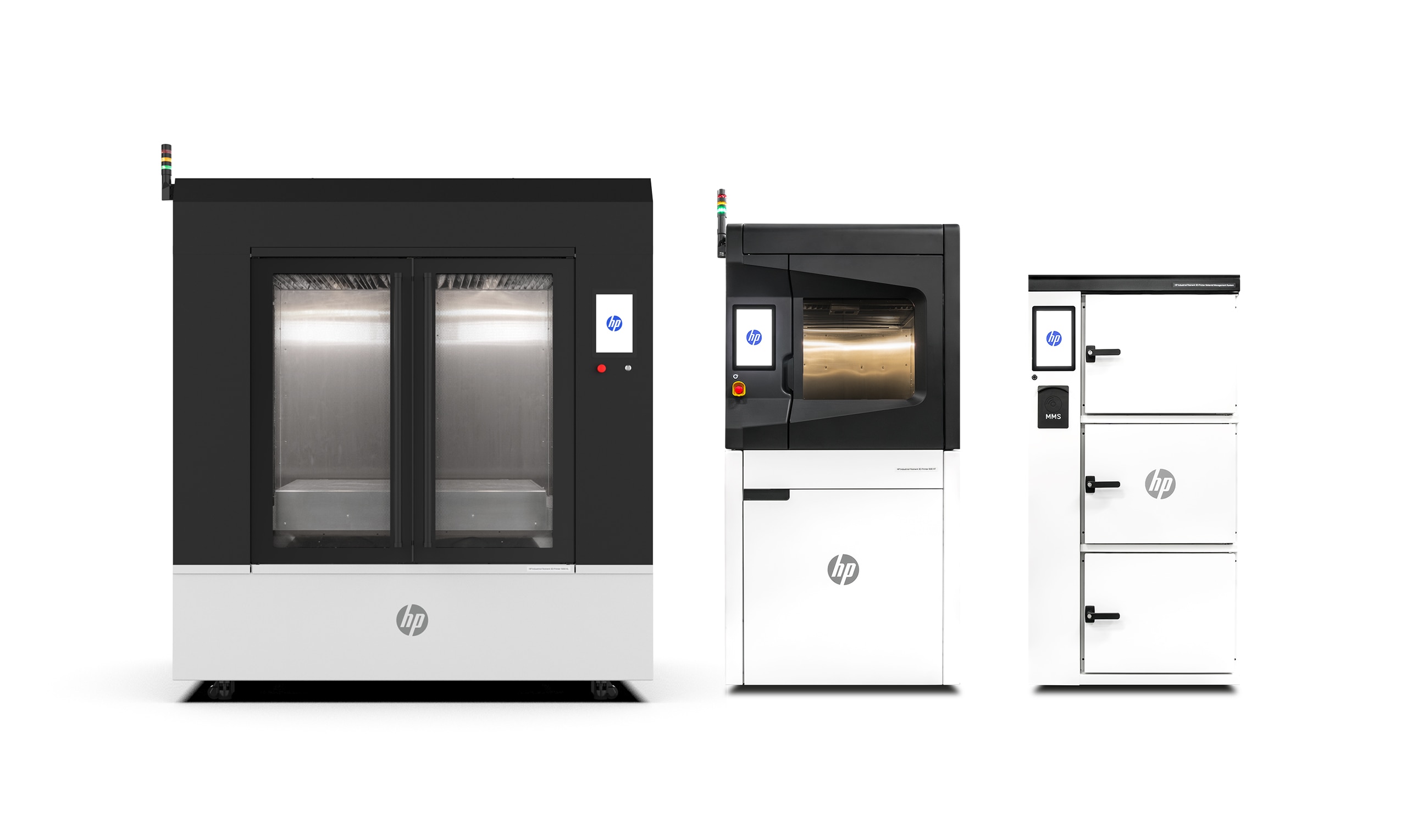
    • HP expands its industrial portfolio with HP Industrial Filament 3D Printer Solutions, introducing the HP Industrial Filament 3D Printer 600 High Temperature (HP IF 600HT) for demanding applications.
    • HP and Würth Additive Group launch a digital production collaboration enabling digital inventory for producing on-demand, localized parts.


    Frankfurt, Germany, November 18, 2025 – Today at Formnext 2025, HP Additive Manufacturing Solutions (HP AM) announced a series of new innovations and collaborations that further its mission to accelerate the adoption of additive manufacturing (AM) across industries. At the heart of this mission is HP’s goal to simplify complexity and enable creativity by empowering engineers, designers and creators with the right tools to design and produce better anywhere.
     
    Over the past decade, HP Additive Manufacturing Solutions has consistently lowered the cost per part across its industrial-grade Multi Jet Fusion (MJF) portfolio to help customers bring more applications into production.
    Building on this momentum, HP is introducing new material innovations, expanding its industrial portfolio, and strengthening its ecosystem partnerships to make industrial-grade additive manufacturing more cost-efficient, scalable, and accessible than ever before.


    Lowering Total Cost of Ownership to Accelerate Industrial Adoption

     
    Building on a decade of innovation, HP AM is on track to lower cost per part by up to 20% through a combination of new innovations and digital manufacturing initiatives. This focus on productivity and efficiency is part of HP’s broader commitment to transform the future of work, freeing up engineers and manufacturers to spend more time designing, creating, and innovating, rather than managing complexity.
    Key advancements, including the development of new materials and optimized print recipes, will bring HP productivity one step ahead, enabling quicker production cycles which will further reduce cost per part and improve workflow efficiency for cost-sensitive applications.
     
    Reinforcing HP’s commitment to increasing adoption and lowering cost per part through material innovation, HP AM has confirmed the general availability date of HP 3D HR PA 11 Gen2, advancing sustainable, high-performance polymer production on the MJF platform. The material offers up to 80% powder reusability and up to 40% lower variable part costs, achieving the lowest carbon footprint of any MJF material to date, and reducing TCO for high-volume production.  
     
    Complementing this vision of connected, digital manufacturing, the new HP Additive Manufacturing Network (AMN) Program is designed to accelerate growth and maximize business potential for part providers around the world. The program is an inclusive, dynamic, data-driven framework that actively supports and delivers tangible rewards to part providers based on their performance, capabilities and collaboration, and ensures that active participation is recognized.


    Scaling HP Metal Jet Adoption with New Materials and Collaborations

     
    HP AM is strengthening its Metal Jet ecosystem through new material qualifications and industry collaborations that unlock new possibilities for engineers and accelerate a future where creativity and innovation thrive hand in hand. Continuum Powders and INDO-MIM Inc. have qualified OptiPowder Ni718 for use on the HP Metal Jet S100, achieving sintered components with over 98% density, consistent hardness (74-79 HR15N), and precise carbon control, confirming its readiness for aerospace, defense, and energy applications.
     
    Building on this success, HP AM Solutions, in collaboration with Continuum Powders and TECNALIA, is advancing the development of OptiPowder M247LC, a low-carbon, nickel-based superalloy designed for high-temperature applications where both strength and corrosion resistance are essential, making it an excellent fit for aerospace and energy sectors. Once qualified, the framework will extend to include additional high-performance nickel specialty alloys, further advancing binder jet technology as a scalable and production-ready solution.
     
    HP AM is also collaborating with the Additive Manufacturing Team at GKN Powder Metallurgy to expand access to copper applications, enabling production of advanced components for cloud computing, electrification, and thermal management. Leveraging HP Metal Jet technology and GKN’s material and production capabilities, in the US and Europe, the collaboration will drive measurable efficiency gains and operational savings at end user data centers, projected in the millions over the next five years.


    HP AM Expands Portfolio with HP Industrial Filament 3D Printer Solutions to Drive Adoption

     
    HP AM is expanding its industrial manufacturing portfolio, a strategic move to open new applications in new market spaces, reinforcing HP’s belief that when people have the right tools and technologies, they can turn ideas into impact and work into something they truly love.
     
    The expansion brings HP’s trusted reliability and deep application expertise to the high-performance filament market, empowering customers in sectors such as aerospace, oil and gas, medical, automotive, railway, and education to produce high-value, production-grade applications with confidence.
     
    The new portfolio broadens HP’s ability to serve diverse industrial needs, from engineering and high-temperature materials to precision components and large-format production parts, enabling customers to lower their cost per part and accelerate time to market. Built on an open materials platform and supported by HP’s global service network, HP Industrial Filament 3D Printer Solutions give manufacturers the flexibility to innovate with a wide range of polymers and scale into new applications while maintaining industrial-grade performance.
     
    The first system in this range, the HP Industrial Filament 3D Printer 600 High Temperature (HP IF 600HT), a modular system designed for printing high temperature and engineered filaments, will be available in H1 2026. A second system, the HP Industrial Filament 3D Printer (HP IF 1000 XL) focused on producing large quality parts will be introduced in H2 2026.


    HP AM and Würth Additive Group Partner to Simplify Supply Chains Worldwide

     
    As part of the ongoing mission to accelerate the adoption of additive manufacturing across industries, HP AM and Würth Additive Group have teamed up to integrate HP’s scalable, quality-assured manufacturing with Würth’s Digital Inventory Services (DIS) and global logistics network. This enables manufacturers to shift from physical stock to on-demand spare parts management, anywhere in the world.
     
    By embedding digital inventory directly into Würth’s logistics ecosystem, the integration ensures real-time availability and consistent part validation. This collaboration marks the first official implementation of the 3MF Secure Content extension, enabling secure printing workflows directly to HP MJF printers. Together, the two global leaders are making complexity simple by reducing inventory costs, accelerating delivery, and building more resilient, sustainable supply chains worldwide.


    Join HP AM at Formnext 2025

     
    Visit HP Additive Manufacturing Solutions in Hall 12.1 at Booth #D41 to experience live demonstrations, explore materials and applications, and speak with HP experts about the company’s latest innovations and outlook for the future of additive manufacturing.

    Continue Reading

  • Polypill Shows Promise for Heart Failure – Medscape

    1. Polypill Shows Promise for Heart Failure  Medscape
    2. The Puzzle of Polypill Adherence  HCPLive
    3. Combination pill for heart failure improved heart function, symptoms and quality of life  www.heart.org
    4. Single daily polypill improves heart function and quality of life in heart failure patients  News-Medical
    5. POLY-HF: Polypill Pays Dividends in Patients With HFrEF  TCTMD.com

    Continue Reading

  • European markets set to slump at the open as AI worries return – CNBC

    European markets set to slump at the open as AI worries return – CNBC

    1. European markets set to slump at the open as AI worries return  CNBC
    2. European shares slip as caution prevails ahead of US data  Business Recorder
    3. European Equities Close Lower in Monday Trading; European Economic Sentiment Improves in September  MarketScreener
    4. European stocks slip lower on growth concerns; Nvidia’s earnings prompt caution  Investing.com
    5. European markets end lower; ad group WPP rose 11% as private equity firms circle  CNBC

    Continue Reading