Informal Caregivers are Essential Partners in Healthcare Systems
As worldwide demographics shift towards increasingly aged populations, the role of informal caregivers (ICs) has become critically important to community and long-term care…

As worldwide demographics shift towards increasingly aged populations, the role of informal caregivers (ICs) has become critically important to community and long-term care…
This request seems a bit unusual, so we need to confirm that you’re human. Please press and hold the button until it turns completely green. Thank you for your cooperation!
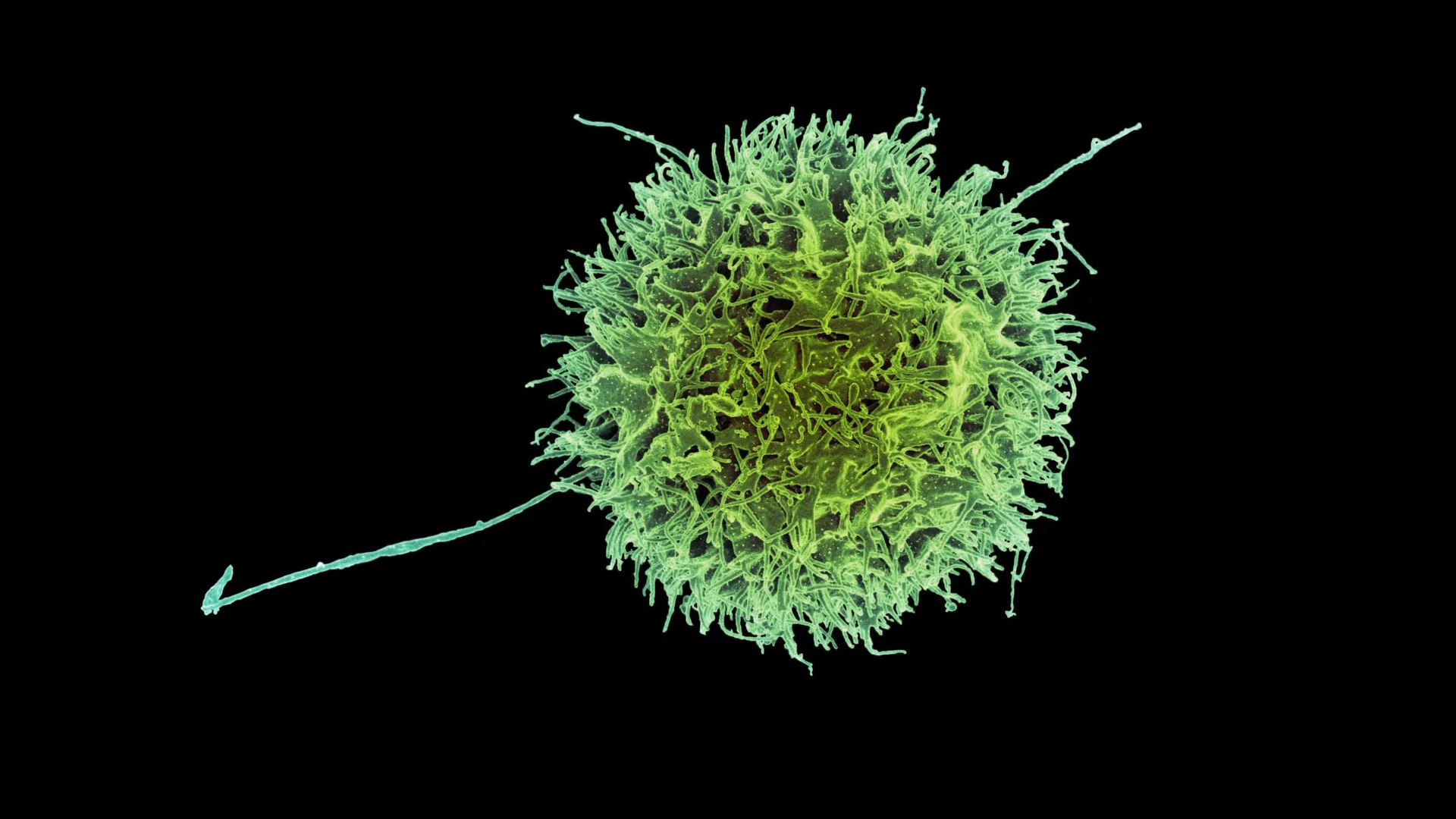
Scientists have created a new and more advanced form of immune-based cancer therapy using engineered cells known as CAR-NK (natural killer) cells. Like CAR-T cells, these modified immune cells can be programmed to recognize and attack cancer, but…

Hard-hit Brazilians are gaining another layer of defense against the mosquito-spread dengue fever, known by many as break-bone fever, Reuters reported.
The critical aid comes via the July 19 opening of the world’s largest mosquito…

Researchers at the Florey Institute of Neuroscience and Mental Health in Melbourne, Australia, infected male mice with the virus that causes Covid, mated them with females, and…
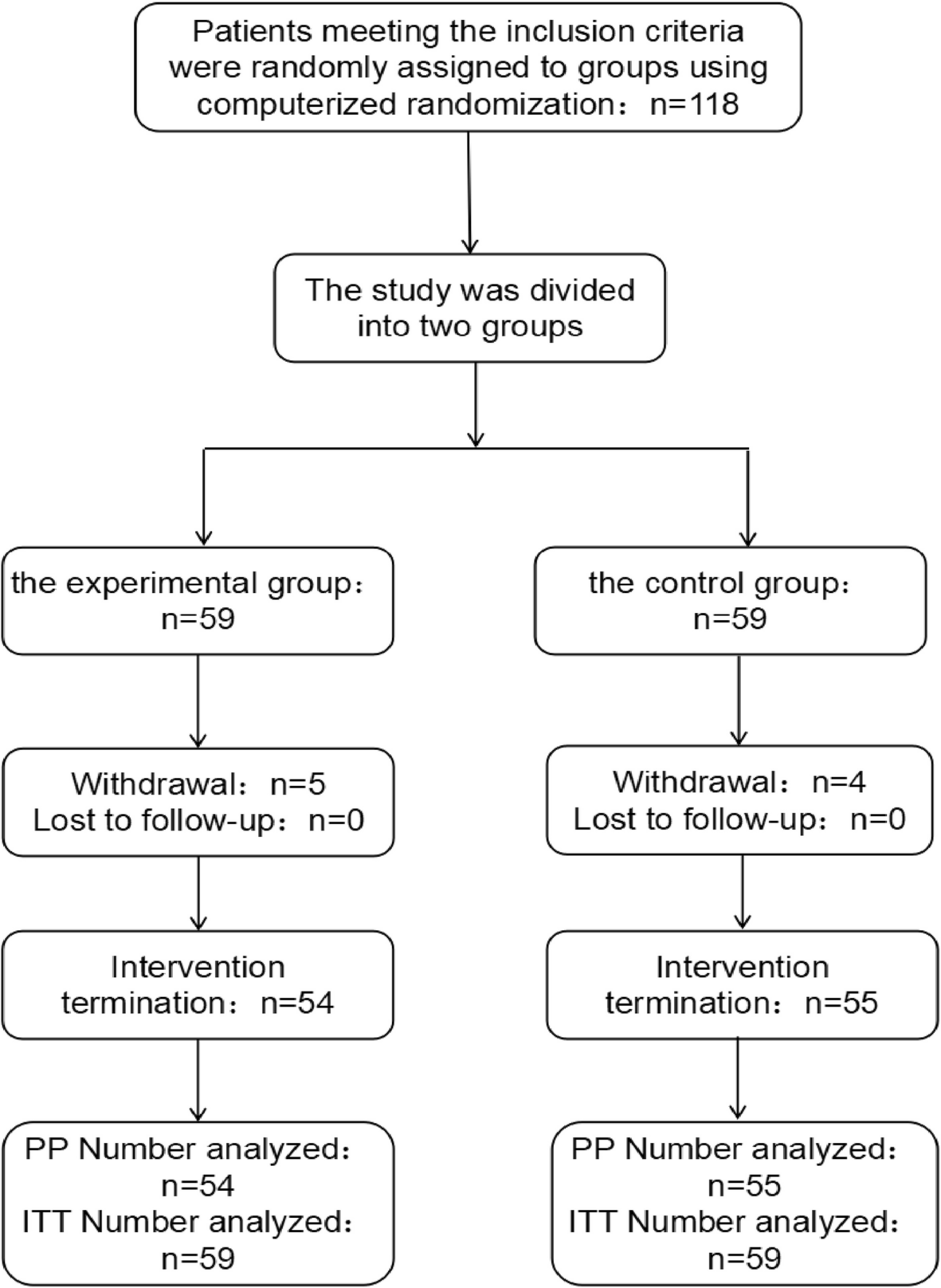
The amalgamation of King’s Theory of Goal Attainment, FMEA, and PDCA can…

A GROUNDBREAKING study has provided new evidence that vitamin C in pregnancy may influence childhood lung function by altering DNA methylation at key asthma- and allergy-associated loci, particularly in cases where mothers smoke during…

A new global study led by Australian researchers has uncovered key genetic differences in how females and males experience depression, providing valuable insights for the future of mental health education, research, and treatment. In a…
Existing data shows that the incidence of lung cancer has been significantly increased for few decades globally.1,2 Especially in developed countries, authoritative statistical data from China reported that lung cancer has become…
Cancer cachexia (CC) is a severe metabolic disorder commonly observed in advanced cancer patients, characterized by persistent loss of skeletal muscle mass and unresponsive weight loss to conventional nutritional interventions.1,2…