Veterinary testing has confirmed a new tick-borne bacterium in U.S. dogs whose illness can look like Rocky Mountain spotted fever.
That culprit helps explain why some sick dogs resemble spotted fever cases yet do not match typical lab results.
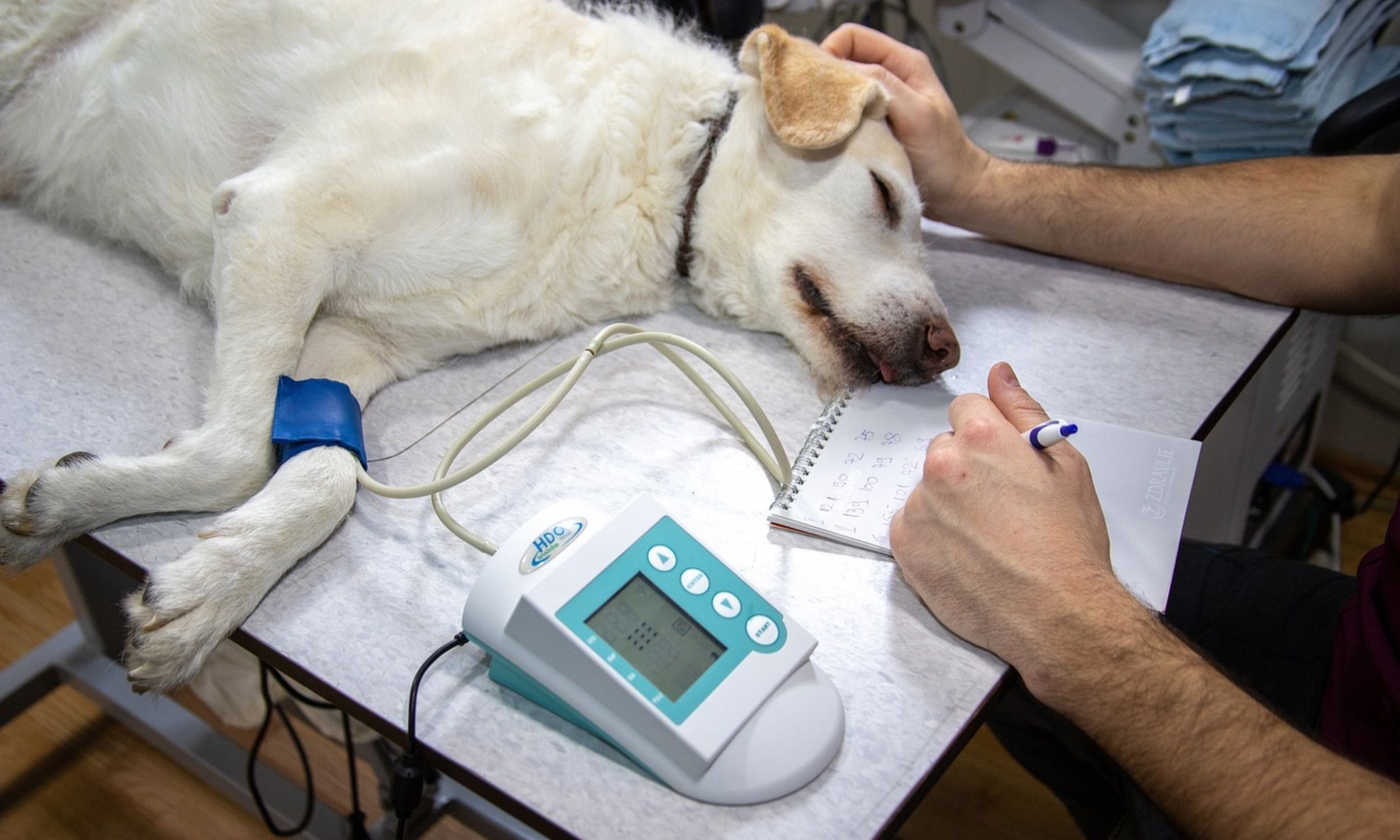
Veterinary testing has confirmed a new tick-borne bacterium in U.S. dogs whose illness can look like Rocky Mountain spotted fever.
That culprit helps explain why some sick dogs resemble spotted fever cases yet do not match typical lab results.

They live in our houses, drink our water and even sleep in our beds. Cats have become an integral part of many households and share much of our lives.
They also share much of their biology with humans. Pet cats get cancer at a rate similar…
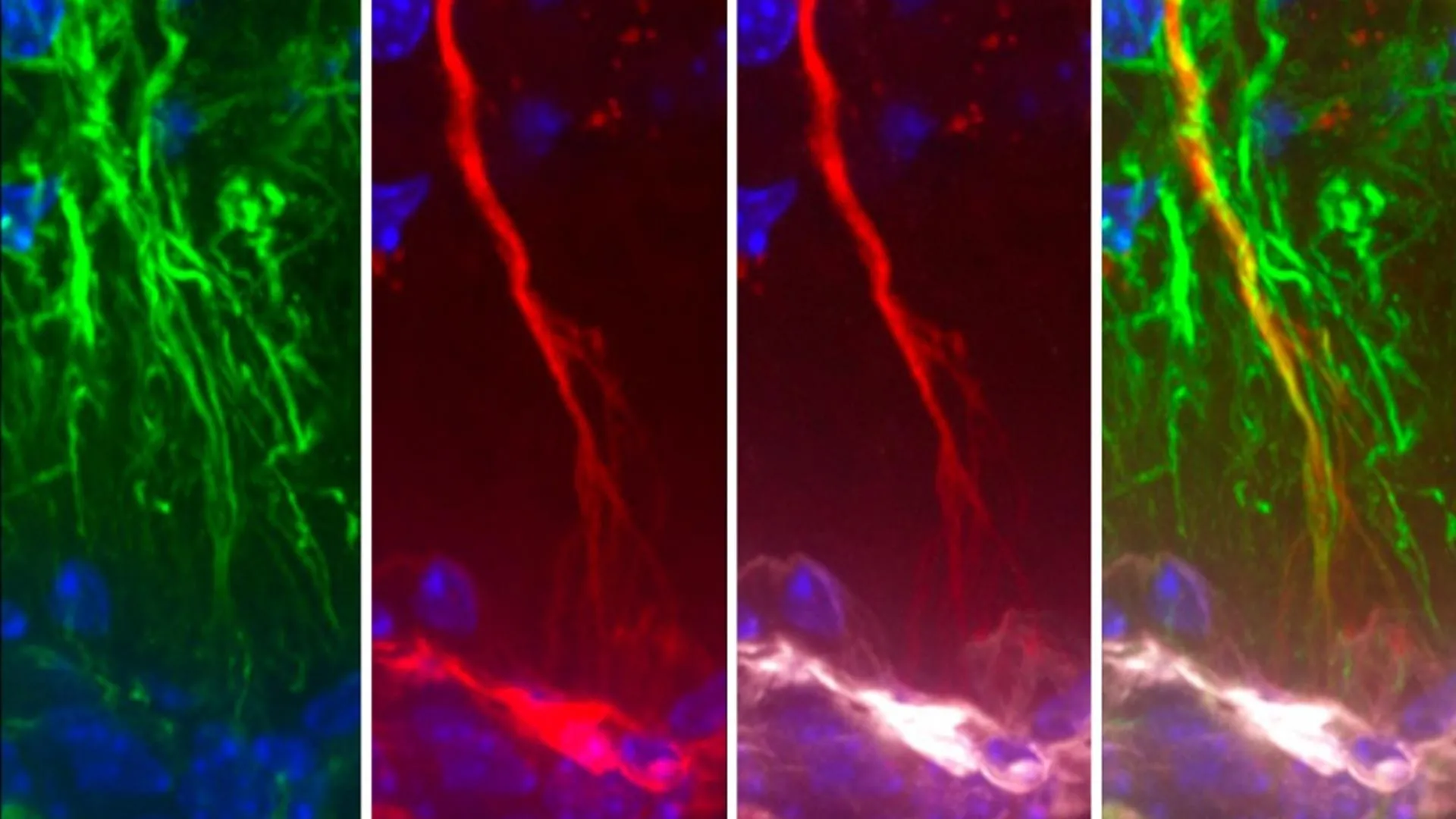
The accumulation of tau protein in the brain is a defining feature of Alzheimer’s disease. In a study published March 5 in the Cell Press journal Cell Press Blue, researchers describe a newly identified biological process that may help explain…

AT A SINGLE quaternary-care academic hospital, the proportion of computerised tomography (CT) scans performed on patients aged 60–90 increased from 50.4% in 2014 to 58.3% in 2024. This trend raises…


On International Women’s Day, we honour the resilience, leadership, and lived experiences of women who have lived with HIV for decades. Their stories challenge stigma and shape the future of HIV advocacy.
At EATG, these voices are central to…