Medications a person took years ago can still influence the community of microbes living in their gut, according to a large study conducted by the University of Tartu Institute of Genomics.
By examining stool samples and prescription data from…
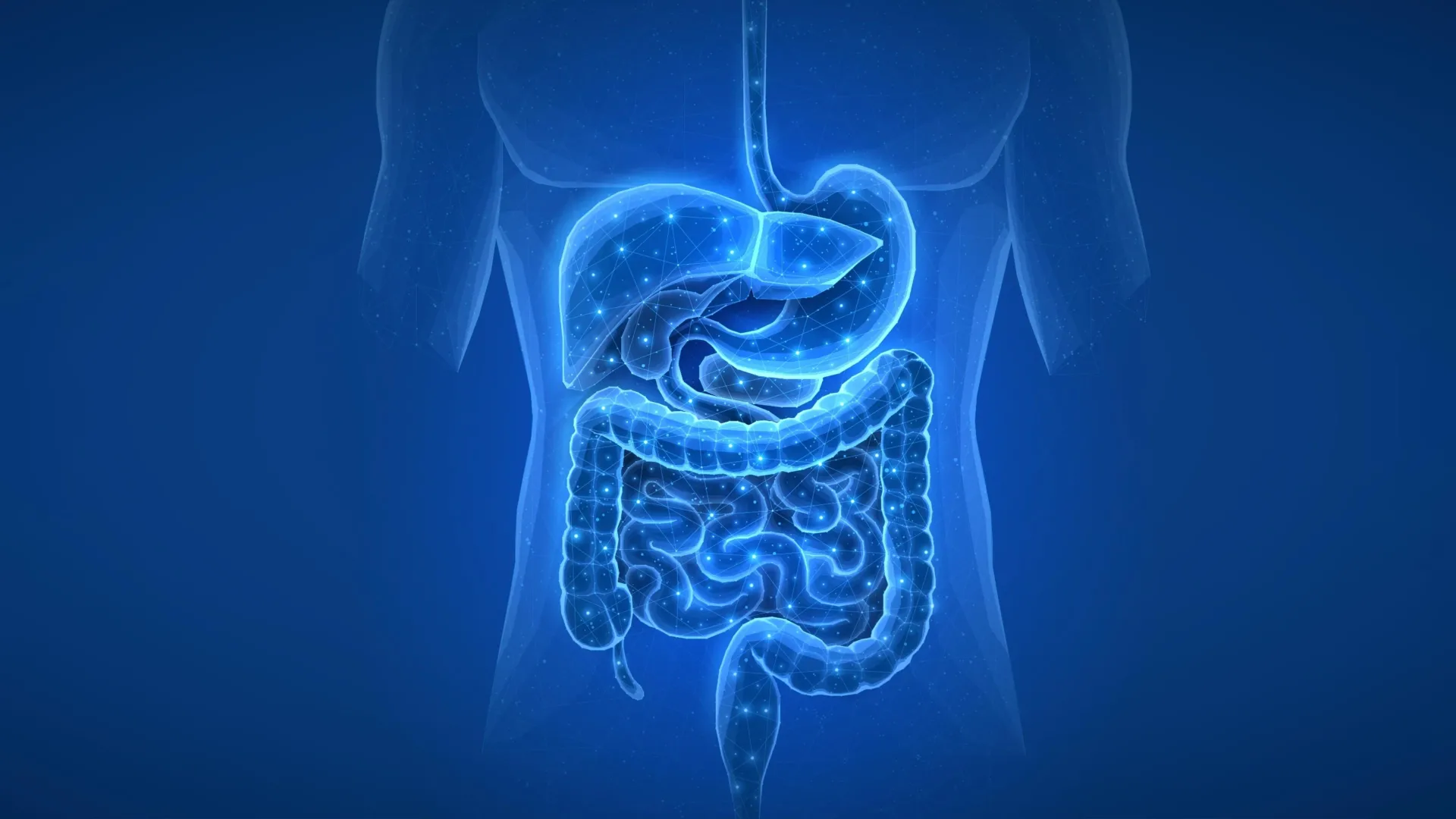
Medications a person took years ago can still influence the community of microbes living in their gut, according to a large study conducted by the University of Tartu Institute of Genomics.
By examining stool samples and prescription data from…

Alzheimer’s disease (AD) represents the most common form of dementia, afflicting over 50 million people worldwide, with numbers projected to triple by 2050.1 Notably, epidemiological studies consistently demonstrate significant…
Foodborne botulism is a serious form of food poisoning caused by ingestion of food contaminated with a neurotoxin produced by Clostridium botulinum.1 Ingesting as little as 30 nanograms of this toxin can result in severe…
Heart failure (HF) is a multifaceted clinical syndrome marked by the heart’s inability to adequately pump or fill with blood to satisfy the body’s metabolic requirements.1 Physiologically, HF can manifest as either insufficient…
The medial meniscus posterior root tear (MMPRT) is a clinically significant injury characterized by avulsion of the posterior root attachment of the medial meniscus.1–3 As a critical structure for maintaining joint biomechanics,…
Antibiotic resistance is a growing global health concern, largely driven by the overuse, misuse, and frequent prescription of antibiotics—particularly beta-lactam agents.1–4 Beta-lactam antibiotics are characterised by the…

In a briefing note, the Royal College of Radiologists (RCR) and the Society of…
Tumor necrosis factor-α inhibitors (anti-TNF-α) have revolutionized the management of various autoimmune diseases, such as rheumatoid arthritis and inflammatory bowel disease. TNF-α is a key cytokine in inflammatory pathways,…