– Advertisement –
– Advertisement –
– Advertisement –
TOKYO, Dec. 24 (Xinhua/APP): Japan’s agriculture ministry said on Wednesday that genetic testing has confirmed an outbreak of highly pathogenic avian influenza at a farm in Kyoto…

– Advertisement –
– Advertisement –
– Advertisement –
TOKYO, Dec. 24 (Xinhua/APP): Japan’s agriculture ministry said on Wednesday that genetic testing has confirmed an outbreak of highly pathogenic avian influenza at a farm in Kyoto…
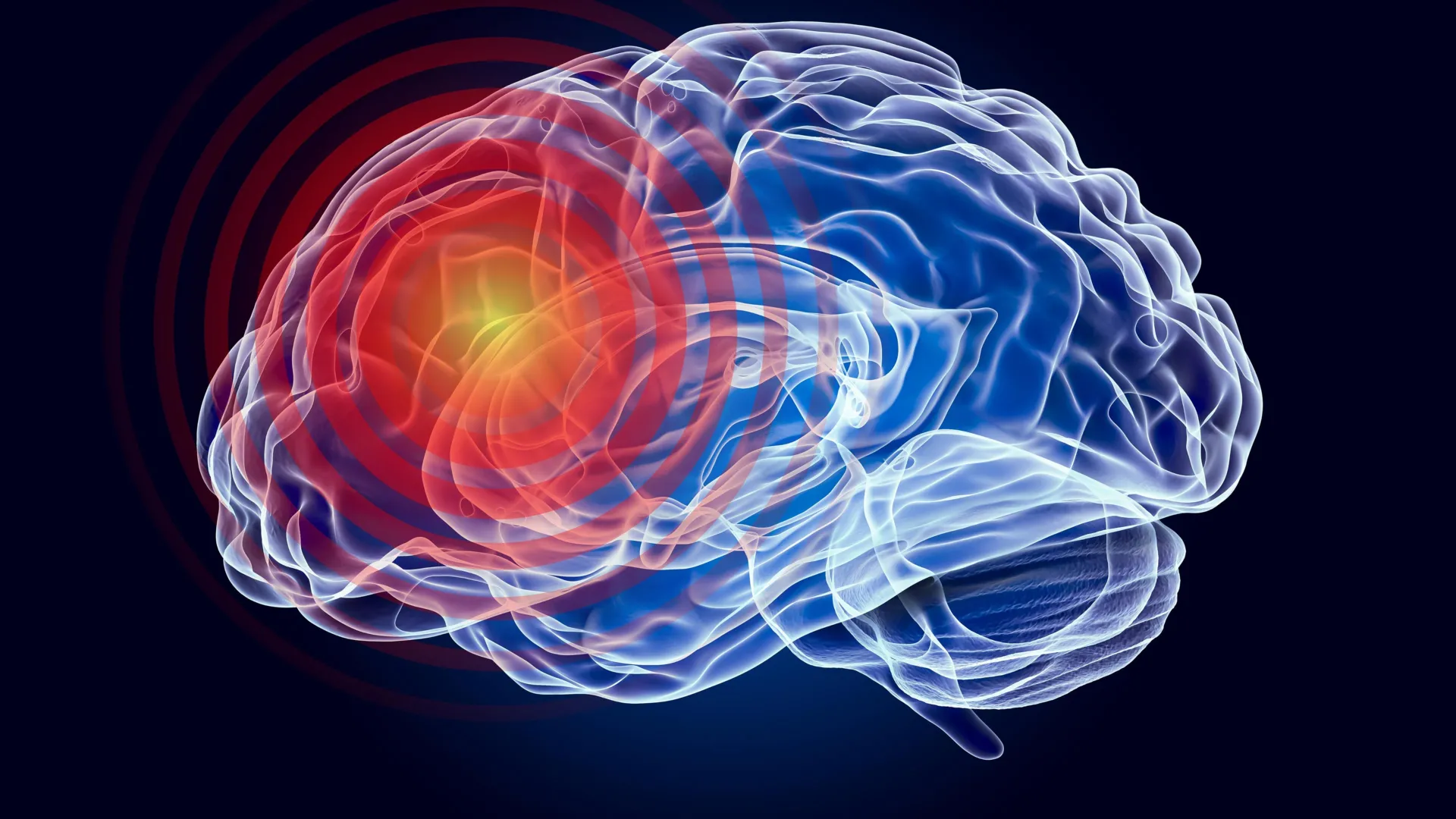
A global research team led by the company Aivocode, working with scientists from the Institute for Advanced Chemistry of Catalonia (IQAC) of the Spanish National Research Council (CSIC), reports that a small compound has a strong protective…

The United States’ Centers for Disease Control and Prevention (CDC) has adopted the Advisory Committee on Immunisation Practices (ACIP) recommendation to end the universal birth-dose of the hepatitis B…
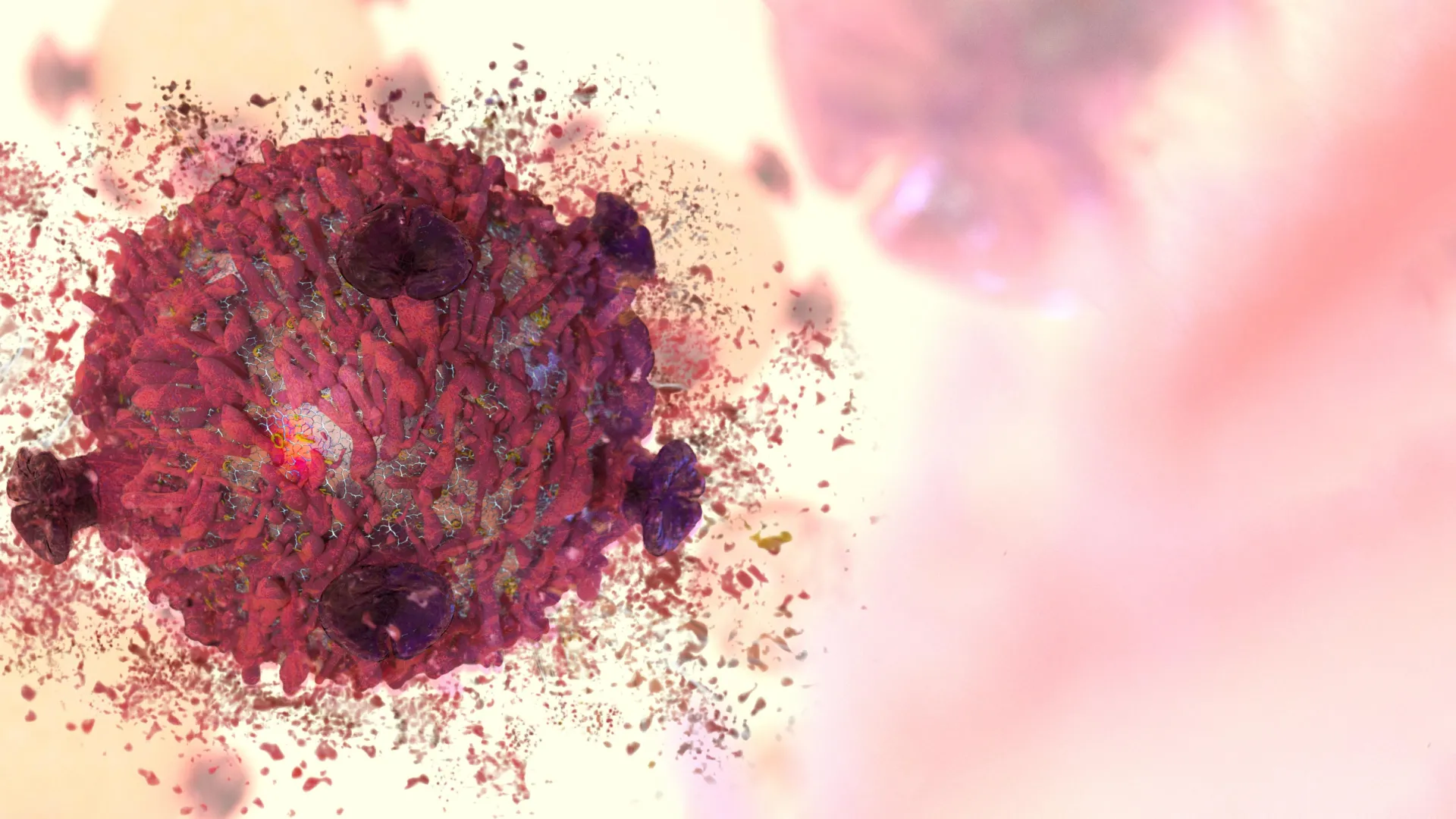
Researchers led by RMIT University have developed extremely small particles called nanodots that can destroy cancer cells while largely leaving healthy cells unharmed. The particles are made from a metal-based compound and represent a possible…

The Transmitter’s Books section highlights books written by and for neuroscientists. In 2025, we published excerpts from books that tackled a wide range of neuroscience topics, including scientific misconduct in Alzheimer’s…
The neuroscience field is fueled by its people. Check out The Transmitter’s stories from the past year about some of the scientists driving neuroscience forward, including one investigating prosocial behavior in rodents, and…

Autism research made U.S. national headlines multiple times this year. The Trump administration’s Department of Health and Human Services, led by Robert F. Kennedy Jr., has raised questions about autism’s prevalence and…
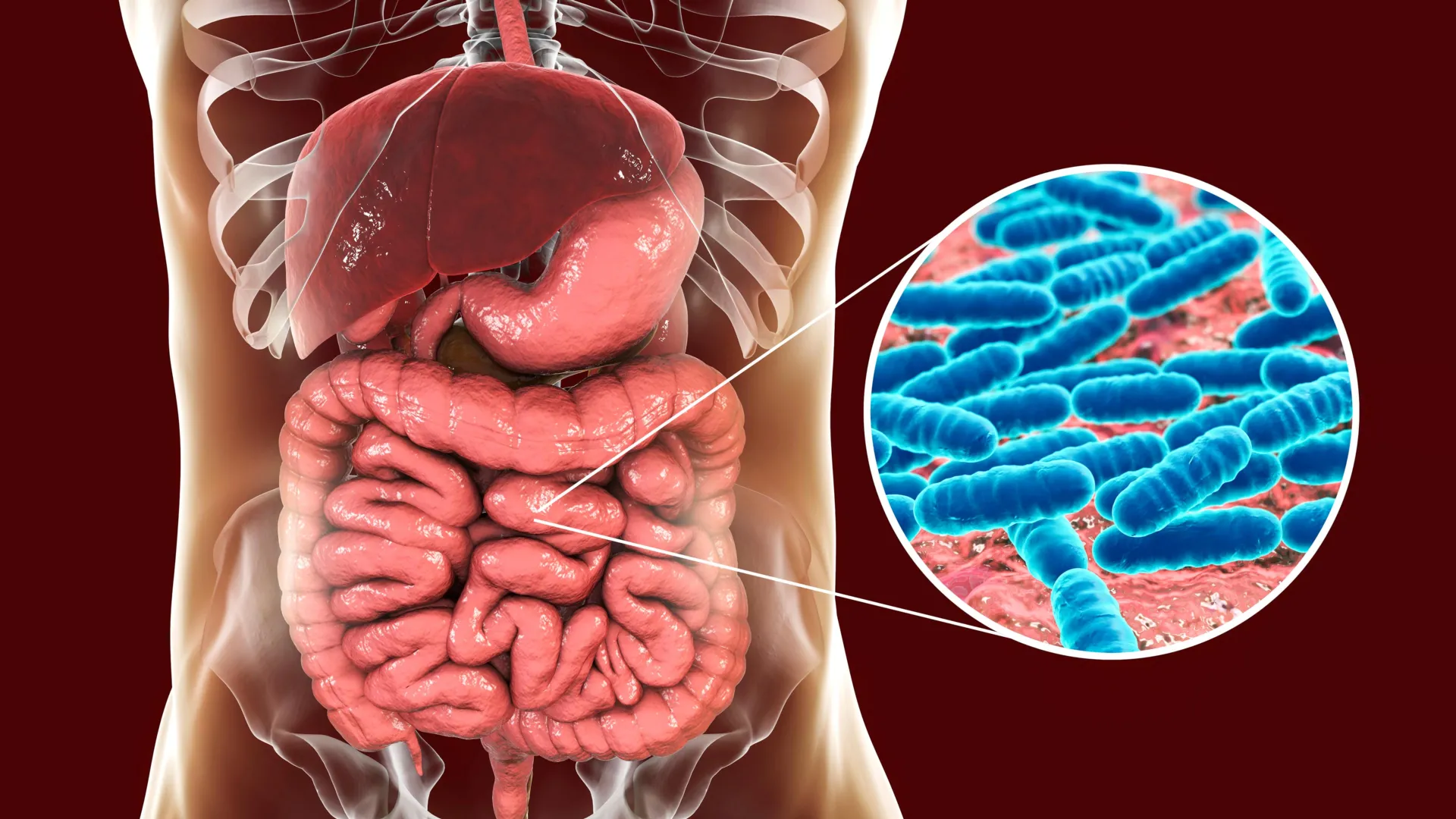
The genes of your roommate may be shaping the bacteria in your gut, and your genes may be influencing theirs, according to a rat study published on December 18 in Nature Communications.
By examining more than four thousand rats, researchers found…


While festive occasions often revolve around rich and tempting foods, medical experts warn that repeated overeating can quietly damage not just the body but also the brain, leading to serious long-term health…