Introduction
Acne vulgaris is a chronic inflammatory skin condition characterized by comedones, papules, pustules, nodules, and, in some cases, scarring lesions.1 It is one of the most prevalent skin conditions globally, affecting approximately…

Acne vulgaris is a chronic inflammatory skin condition characterized by comedones, papules, pustules, nodules, and, in some cases, scarring lesions.1 It is one of the most prevalent skin conditions globally, affecting approximately…

 Collect/PA Real Life
At the age of 12, Lucy Dare began to struggle with eating and excessive toilet use, but neither she nor her…

“As the sharp decline in temperature sets in, many hospitals begin to see a worrying and predictable surge in emergencies. Cases of strokes, heart attacks and acute lung related crises start climbing together instead of appearing in…
LOS ANGELES, Dec. 5 (Xinhua) — The U.S. Centers for Disease Control and Prevention (CDC)’s Advisory Committee on Immunization Practices (ACIP) voted on Friday to end the long-standing recommendation that all newborns receive a Hepatitis B…
Placenta previa (PP) is a major obstetric complication associated with increased risks of maternal morbidity, hemorrhage, and perinatal mortality. PP is a condition where the placenta is positioned such that it fully or partially…
Liver diseases remain a significant global health challenge, contributing to approximately 2 million deaths every year and accounting for nearly 4% of all global deaths.1 Chronic liver conditions such as cirrhosis, hepatitis B and C…

Liver health is critical to overall wellness, yet liver disorders are increasingly common, often leaving patients feeling anxious and unsure about the future. One such inspiring journey comes from a 41-year-old patient who had been struggling…
Invasive meningococcal disease (IMD) is caused by Neisseria meningitidis (Nm), which is ranked as the first pathogen in the World Health Organization (WHO) roadmap for defeating meningitis by 2030.1 According to the capsular…
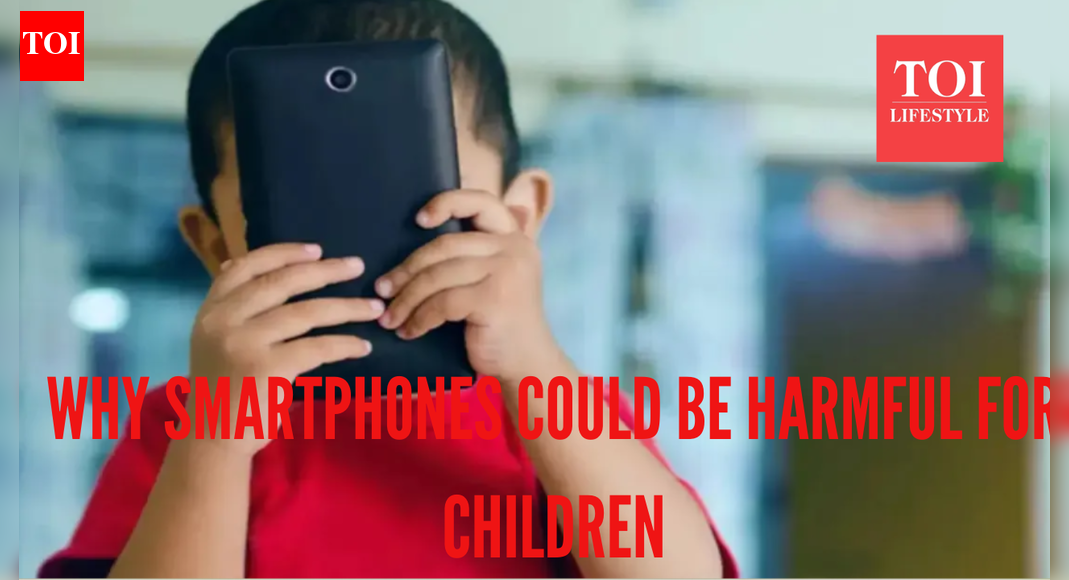
Most children have smart phones these days. While a lot of times, smartphones are handy in keeping children safe (through regular contact, tracking etc.), giving them too early to your child can cause a host of issues, says science. Let’s see…