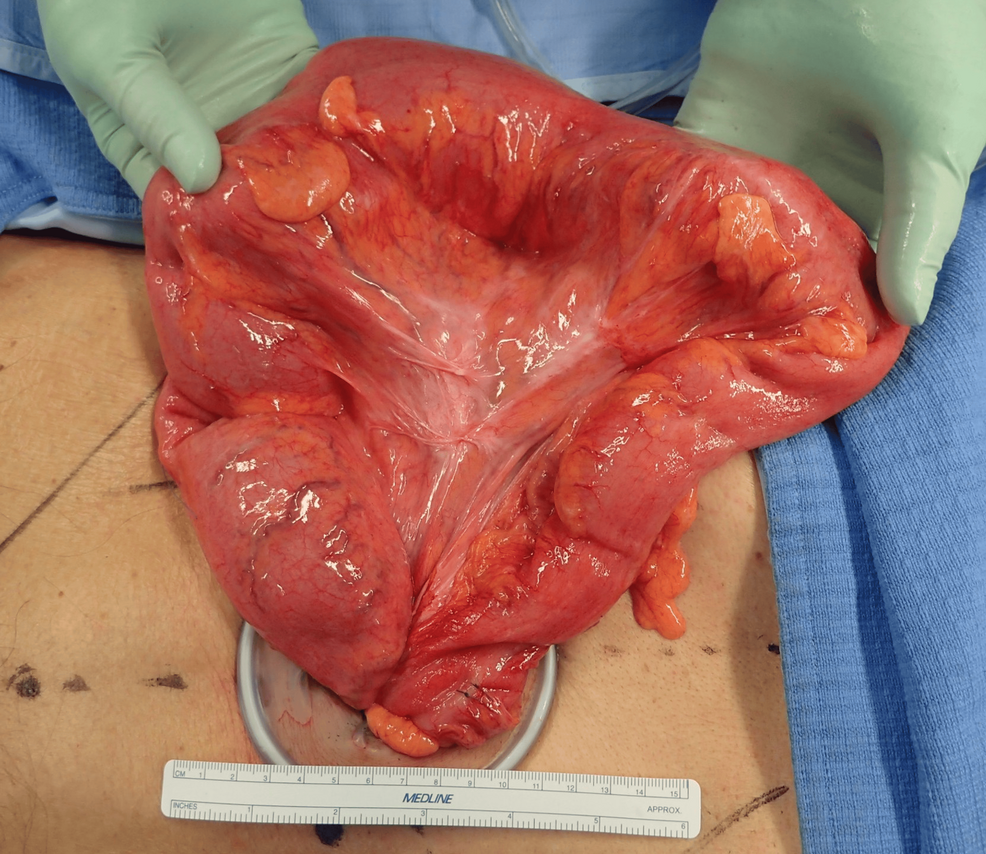
Wider use of new tools against malaria, including dual-ingredient nets and WHO-recommended vaccines helped to prevent an estimated 170 million cases and 1 million deaths in 2024, according to WHO’s annual World malaria report.
WHO-recommended…
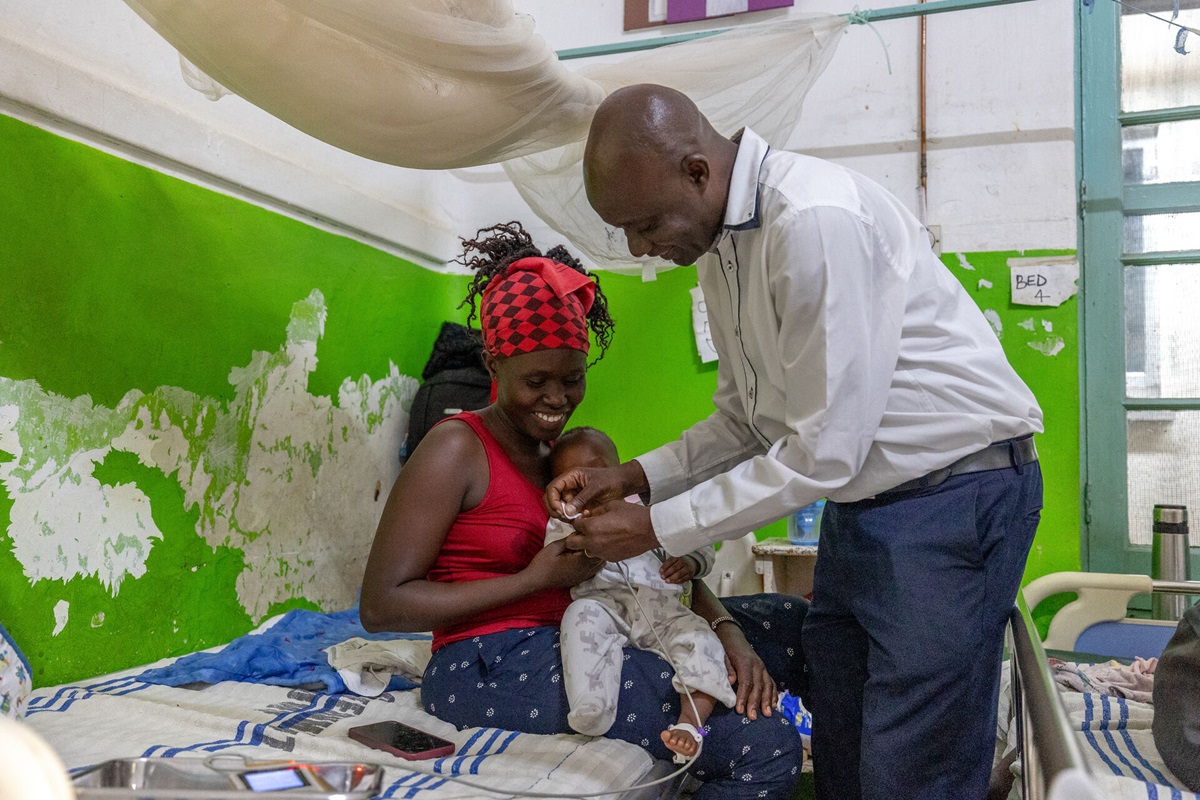
Wider use of new tools against malaria, including dual-ingredient nets and WHO-recommended vaccines helped to prevent an estimated 170 million cases and 1 million deaths in 2024, according to WHO’s annual World malaria report.
WHO-recommended…

The honour is in recognition of their collaboration on Dynamic Targeting, a technology enabling spacecraft to make AI-powered decisions from orbit.
This year’s winners of the 2025 SpaceNews Icon Award for…
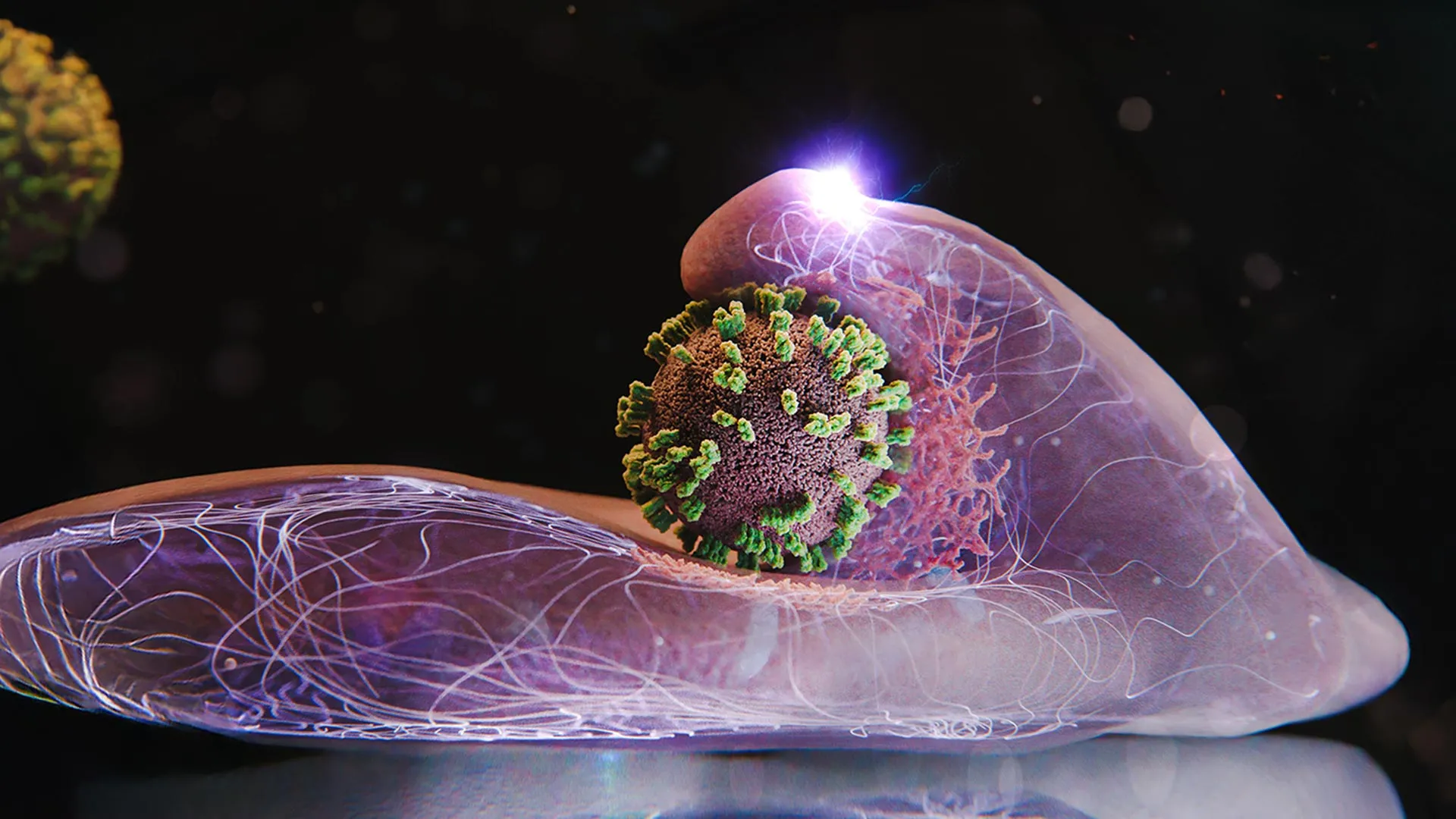
Fever, aching limbs and a runny nose — as winter returns, so too does the flu. The disease is triggered by influenza viruses, which enter our body through droplets and then infect vulnerable cells.
A research team from Switzerland and Japan has…
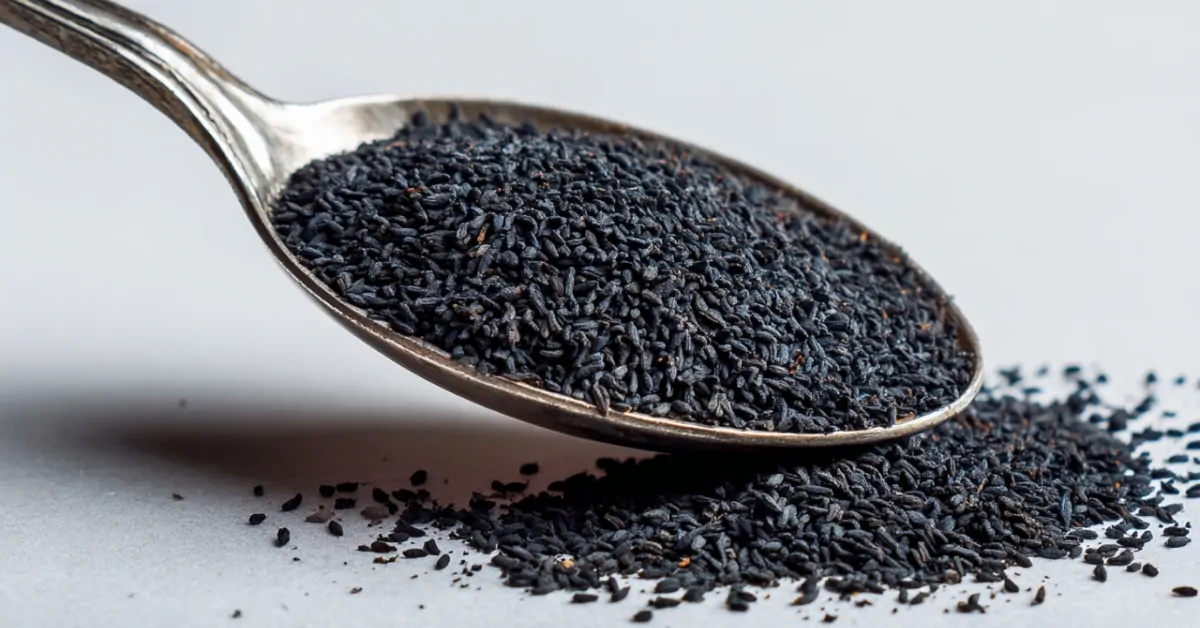
For years, black cumin seeds have been a staple in kitchens and traditional medicine cabinets across Asia and the Middle East. Now, modern research is starting to examine whether this everyday spice could meaningfully influence human…

Lockdown and social distancing measures are associated with increased developmental concerns among toddlers, new research suggests.
An extensive Scottish study of nearly 258,000 children shows that those exposed to longer periods of…
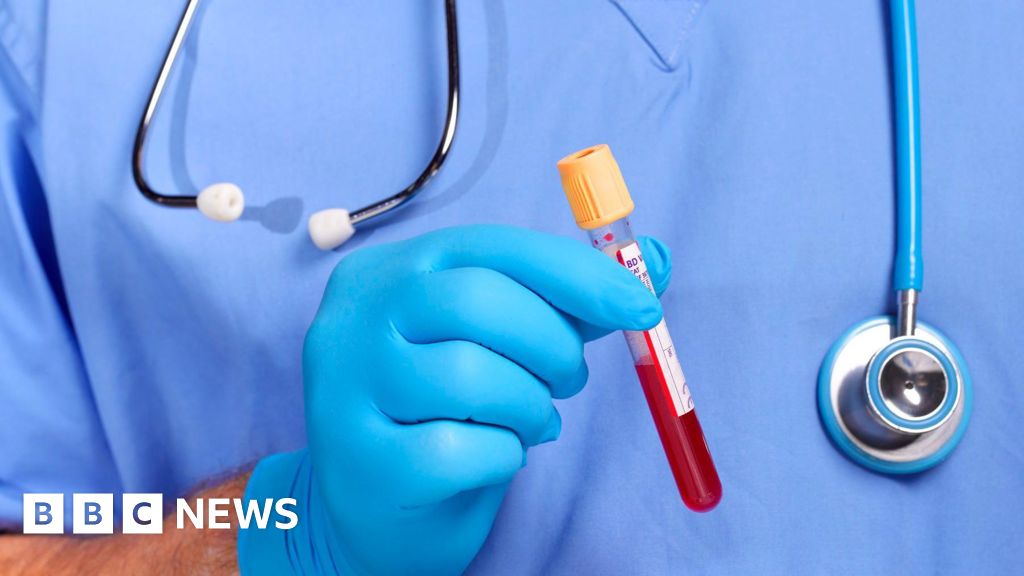
Almost 200 people have been diagnosed with HIV or hepatitis since local A&E departments introduced routine screening.
About 180 people who attended A&E have been diagnosed with blood-borne viruses (BBVs), including HIV, since the opt-out testing…
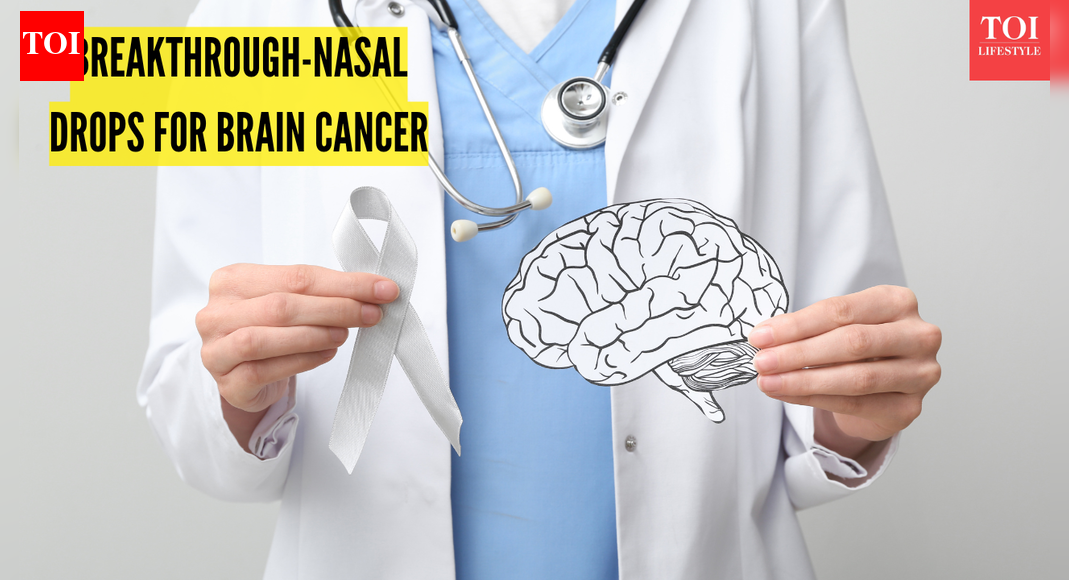
Brain cancer, especially glioblastoma, is characterized by its aggressive nature, with very poor survival rates. Conventional treatments hardly succeed because of the brain’s protective barriers, which easily block the path of drug delivery.…

Heavy menstrual bleeding and plant-based diets may significantly raise the risk of anaemia among teenage girls, a small new study has found.
Adolescent girls require more iron due to hormonal changes, and they are also at greater risk of iron…
By Olivia Lewis
Cervical cancer is the fourth most common cancer in women in the world, according to the World Health Organization.
The disease, which develops from continuous human papillomavirus infections, is preventable through the HPV…