A new study from Kyung Hee University explores how phones in “silent mode” may hold the key to healthier minds at work.
Researchers examined whether a mobile mindfulness training (MMT) program could improve stress, burnout, and work…

A new study from Kyung Hee University explores how phones in “silent mode” may hold the key to healthier minds at work.
Researchers examined whether a mobile mindfulness training (MMT) program could improve stress, burnout, and work…

Researchers have found that cutting dietary protein slows liver tumor growth in mice whose damaged livers cannot clear ammonia properly.
The finding recasts a routine part of eating as a source of fuel for cancer when the organ meant to neutralize…

A new study has found that young people who use pre-workout supplements are more than twice as likely to sleep five hours or less a night.
That finding recasts a familiar gym aid as a possible driver of severe sleep loss during years when rest…
Past studies have found that gut activity can have significant impacts on the brain, and vice versa.
Now, new research in mice explains how some of that communication might occur: through very small numbers of live bacteria traveling from the…
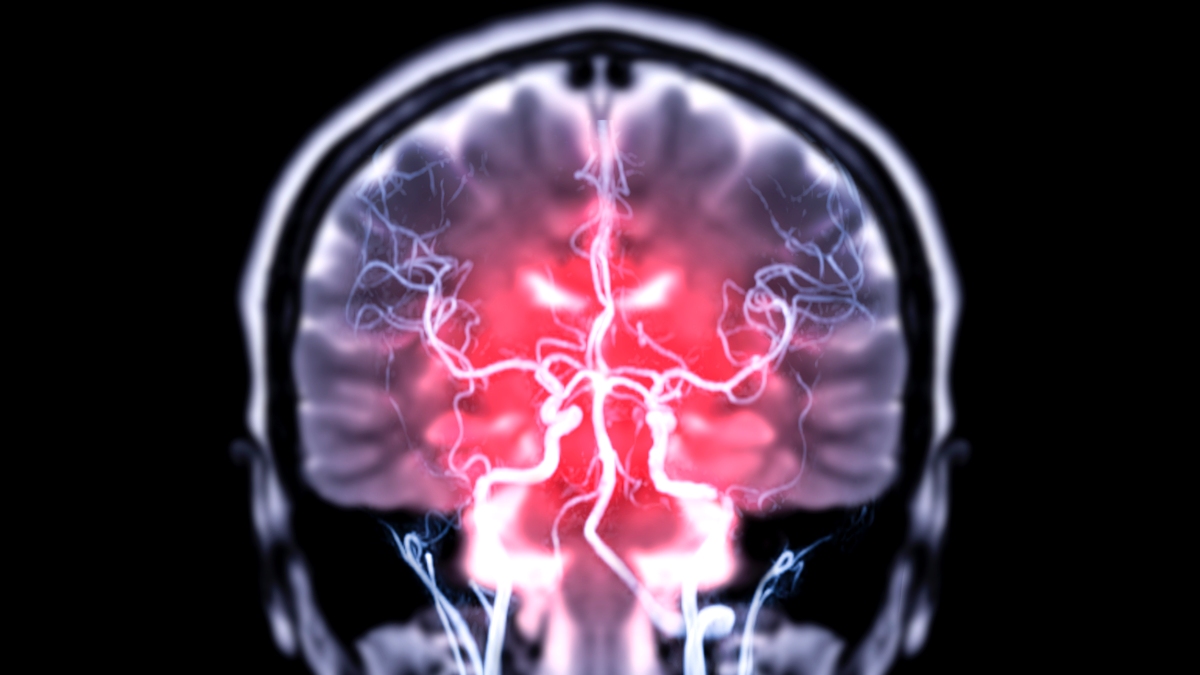
Aging does not happen all at once. Some days feel the same, but inside the brain, changes keep building over time. These shifts are slow and easy to miss.
Brain tissue gradually shrinks. Spaces inside the brain grow larger. Parts that once worked…

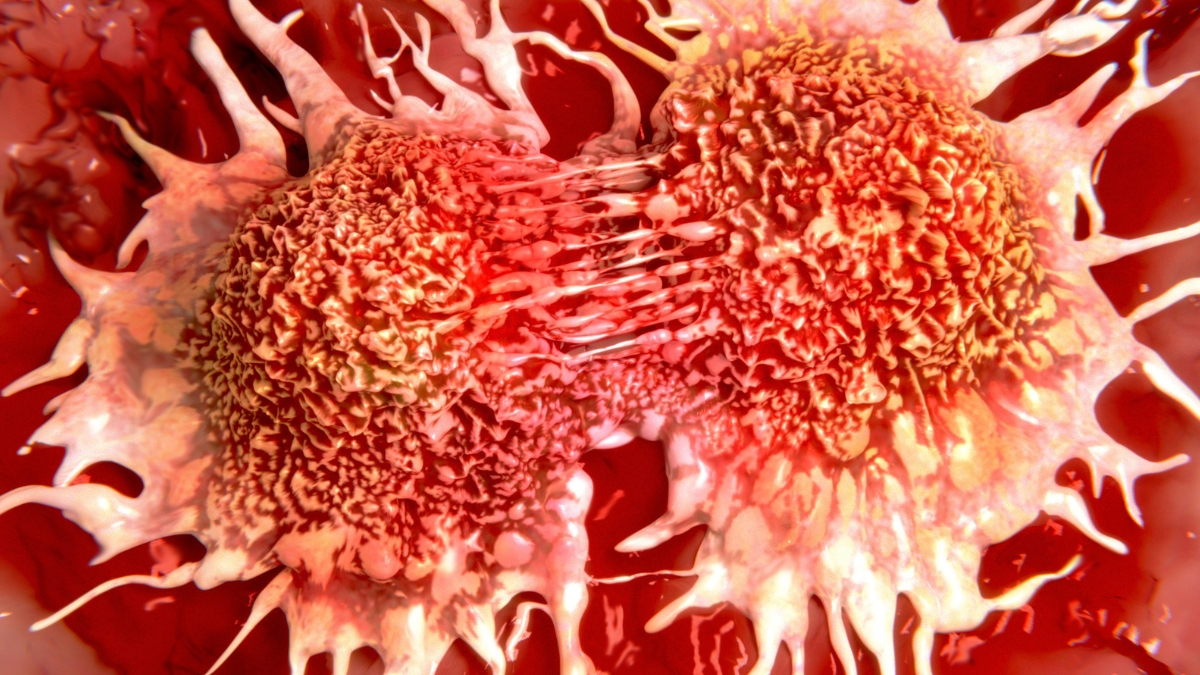
A new immunotherapy drug has demonstrated early promise in a recent prostate cancer clinical trial. The drug, called VIR-5500, is a “masked T-cell engager”. This type of immunotherapy ignites our own immune arsenal to fight cancer.
In the…

CONCERNS about the potential spread of cancer during minimally invasive surgery may be unfounded, according to new research investigating surgical smoke generated during robot-assisted radical cystectomy (RARC) for bladder cancer.
RARC is…