Category: 3. Business

  • Stellantis recalls 44,000 UK vehicles over fault that could cause fires | Stellantis

    Stellantis recalls 44,000 UK vehicles over fault that could cause fires | Stellantis

    The European carmaker Stellantis has issued a recall for 44,000 UK vehicles after discovering a fault that could result in its cars catching fire.

    The fault has been found in certain models across its Peugeot, Citroën, DS Automobiles, Vauxhall, Lancia, Alfa Romeo, Jeep and Fiat brands, produced between 2023 and 2026. Key vehicles affected by the recall include the Citroën C3, Peugeot 208 and Vauxhall Mokka.

    The manufacturer said the issue related to a lack of clearance between the gas filter pipe and a component of the belt starter generator, which could cause water to leak into the engine bay during wet driving conditions. That created a “potential risk of fire” in the engine, in the worst-case scenario.

    In a statement, Stellantis said it was voluntarily recalling an estimated 44,000 vehicles in the UK in response, and would immediately contact affected car owners asking them to get in touch with their dealer to schedule an appointment, adding that the service would be offered free of charge.

    It is the latest setback for the vehiclemaker, which in February was forced to take a €22bn (£19.1bn) charge and sell a stake in its battery joint venture after admitting that it “overestimated” the pace of the shift to electric vehicles. The move means the company has been forced to cancel its previously planned Ram 1500 BEV, an electric truck it had claimed was “set to push boundaries”.

    While sales of electric vehicles in Europe have soared, demand in the US has collapsed after the Trump administration withdrew a $7,500 (£5,527) consumer tax credit, and is looking to remove regulations aimed at curbing car emissions.

    Stellantis is planning to sell its 49% stake in its battery joint venture in Canada with NextStar Energy to South Korea’s LG Energy Solution, and said it would not be paying a dividend to shareholders in 2026. Analysts expect that the company will still have to consider factory closures and a reduction in output.

    News of Stellantis’s recall came as rival Jaguar Land Rover (JLR) revealed a recovery in sales over the past quarter, as it restarted production after last autumn’s damaging cyber-attack. The incident forced the company to halt production across its UK factories for five weeks from last September and weighed on its full-year sales.

    JLR, the UK’s largest car manufacturer, which is owned by India’s Tata, said it sold 95,300 vehicles to dealers in the three months to 31 March, a 61.1% jump on the previous quarter.

    However, quarterly sales to dealerships were still down 14.5% during the same period a year earlier, a drop that it blamed on the cyber incident, US tariffs, market challenges in China and the planned wind-down of some legacy Jaguar models.

    Continue Reading

  • Alleged maple syrup scam in Quebec uncovered by Canadian broadcaster | Quebec

    Alleged maple syrup scam in Quebec uncovered by Canadian broadcaster | Quebec

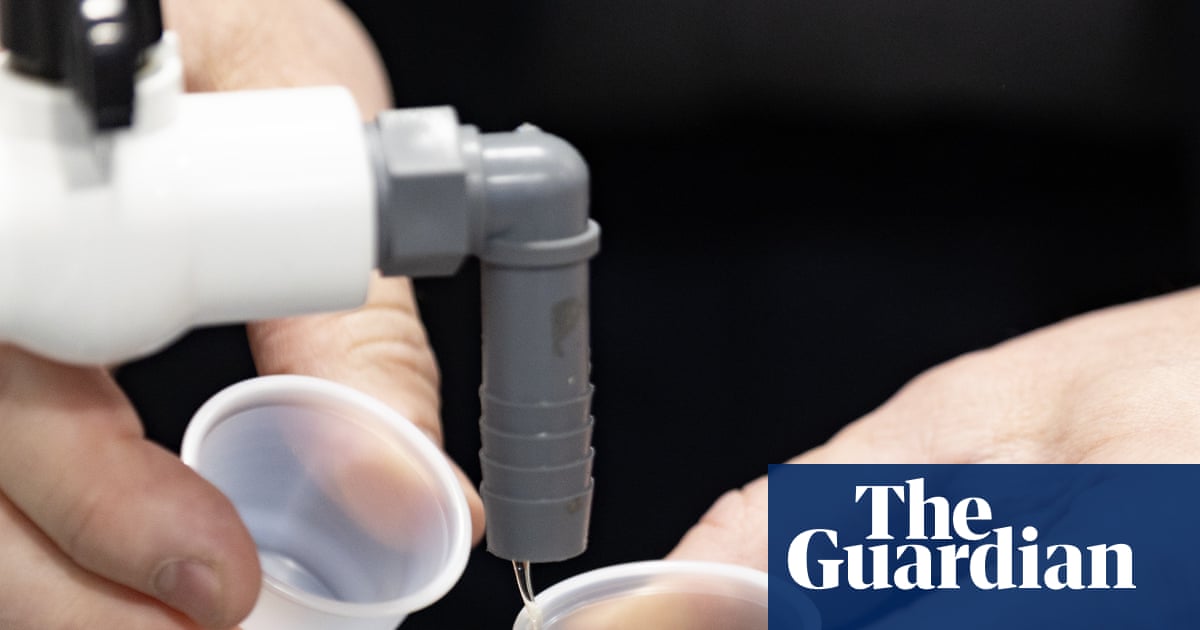
    An investigation by Canada’s national broadcaster has found that a major Quebec producer has been diluting its maple syrup with cane sugar and selling the fraudulent product to grocery chains.

    In a sting operation that involved false identities and covert recordings, journalists from Radio-Canada’s Enquête programme found that a low-cost syrup sold in major grocery store chains was heavily diluted.

    Samples of the brand, which is sold in hundreds of locations across Quebec, were sent to the province’s research and testing facility, Le Centre ACER.

    “This is the first time I’ve seen falsification of this kind. You can see that it’s outright cane sugar that’s been added to the cans,” Luc Lagacé, a microbiologist and the director of research at ACER, told Enquête. “This is not an accident. It’s deliberate.”

    Maple syrup is a dominant industry in Quebec, where decades of technological innovation and investment helped farmers harvest 239m pounds of it last year. The Francophone province is responsible for nearly all of Canada’s production and nearly three-quarters of global production. A barrel of syrup is worth nearly C$1,000.

    The industry is worth nearly C$1bn annually and the immense value of the market has lured criminal elements to Quebec’s global strategic reserve of syrup.

    In 2011, thieves slowly siphoned off maple syrup worth nearly C$18m from the stockpile, a heist that led to 40 arrests and jail sentences for five men.

    The investigation into the fraudulent syrup began when a reporter at CBC’s Radio Canada discovered an odd taste to the syrup he had bought. The can was labelled “pure maple syrup” and linked to a producer south-west of Montreal, Steve Bourdeau.

    Enquête had two people pose as buyers for a grocery store to reach out to Bourdeau.

    The journalists taped telephone conversations and later used a hidden camera to capture footage of Bourdeau. He told the reporters he knew it was illegal to cut maple syrup labelled as pure with other sugars – and said that he didn’t do that.

    Bourdeau’s syrup is sold by major grocery chains, including IGA and Metro.

    “I’m the best when it comes to prices. The others can’t even come close,” he said, adding his maple syrup cost less than C$5 a can. “There’s a lot of jealousy going on. Because I have the market. And it’s not entirely legal. And I got away with it anyway.”

    When Bourdeau was confronted with the findings from the lab tests, he initially denied the allegations before suggesting a supplier from outside the province was to blame.

    He told reporters he was launching his own investigation to try to determine how cane sugar had been mixed in with his product and would implement his own inspection system.

    The head of Quebec’s sprawling stockpile of syrup told CBC that using suppliers from outside the province was not illegal – but falsely labelling such syrup as having Quebecois origins was.

    Geneviève Clermont, head of ACER’s inspection division, said 90% of syrup from Quebec sold in bulk was tested, but she said that products canned and sold by producers themselves were not inspected regularly.

    Many of the popular maple-flavoured syrups sold in the US are made of corn syrup (or high-fructose corn syrup) with added flavourings and caramel to give the amber-like appearance of genuine maple syrup.

    Producing maple syrup, which can only occur during a narrow window of time in the spring, requires immense volumes of sap, which is then boiled down into the final product.

    Continue Reading

  • Major London Euston rail disruption due across Easter weekend – bbc.com

    Major London Euston rail disruption due across Easter weekend – bbc.com

    1. Major London Euston rail disruption due across Easter weekend  bbc.com
    2. ‘Most of our trains are running normally this Easter’, rail operator tells passengers  Northern Rail
    3. Travel warning issued with NO trains running to London Euston from Manchester for five days  Manchester Evening News
    4. Travel expert Simon Calder issues Easter travel disruption warning for anyone leaving London  Trending Now Infrastructure
    5. Easter chaos as UK’s busiest train line to shut in HOURS for £400m upgrade  The Irish Sun

    Continue Reading

  • CU Boulder and Techstars Announce Partnership to Accelerate Colorado’s Entrepreneurial Ecosystem

    CU Boulder and Techstars Announce Partnership to Accelerate Colorado’s Entrepreneurial Ecosystem

    The University of Colorado Boulder and Techstars, the global startup accelerator and investor, have announced a strategic partnership to expand opportunities for founders and strengthen Colorado’s innovation economy.

    The collaboration connects CU Boulder’s entrepreneurship programs and startup pipeline with Techstars’ network of mentors, investors and partners — creating new pathways for innovators to build and scale companies that drive real-world impact.

    “This partnership reflects CU Boulder’s commitment to empowering people across our campus to turn ideas into impact,” said Massimo Ruzzene, senior vice chancellor for research and innovation and dean of the institutes. “Our students, faculty and researchers are developing technologies, launching companies and exploring solutions to real challenges. Working with Techstars connects that talent with a global community of entrepreneurs and investors who can help move those ideas from campus into the world.”

    From Discovery to Startup

    CU Boulder has emerged as one of the most vibrant entrepreneurial ecosystems on a university campus in the United States. Through research, entrepreneurial education and the campus-wide Innovation & Entrepreneurship Initiative, the university supports students and faculty pursuing new ventures based on breakthrough discoveries.

    Venture Partners at CU Boulder — the university’s commercialization arm — has played a central role in that momentum and in initiating the new partnership. Through Venture Partners, more than 220 companies based on CU Boulder technologies have launched and collectively exited for over $11 billion. The campus was ranked first in the nation for the number of such startups launched in 2024, the second most ever launched by a single university campus in one year.

    The partnership with Techstars will connect CU Boulder’s innovation ecosystem with one of the world’s premier startup accelerators and investors.

    Established in Boulder in 2006 by David Cohen, Brad Feld, David Brown, and Jared Polis, Techstars helped shape the city’s startup culture. What began as a single accelerator program has grown into a global platform supporting founders across industries and geographies.

    “Techstars has operated continuously in Colorado for two decades. The re-launch of our Techstars Boulder accelerator here reflects our renewed commitment to Colorado and reinforces Boulder’s role as an important hub in our system,” said David Cohen, chief executive officer of Techstars and co-founder of the company. “CU Boulder is a powerful source of new ideas and new companies. By building a deeper relationship with the university, we can help more founders turn breakthroughs into companies that scale.”

    Today, Techstars has invested in thousands of startups worldwide, whose combined market value exceeds $220 billion.

    CU Boulder and Techstars count dozens of unicorns between them, including DigitalOcean, SendGrid, Salesloft, and Veho (Techstars), Infleqtion, Ball Aerospace & Technologies, Solid Power, and SomaLogic (CU Boulder).

    Expanding Pathways for Founders

    CU Boulder’s students and faculty will engage with Techstars staff, mentors and alumni through university entrepreneurship programs such as the New Venture Challenge and Embark Deep Tech Startup Creator. The collaboration will also create opportunities for Techstars founders to work with CU Boulder researchers and students while accessing specialized facilities and technical expertise.

    For startups emerging from the university, the partnership opens a direct pathway to Techstars’ accelerator programs and investor network.

    “This collaboration brings together two communities deeply committed to building great companies,” said Shay Har-Noy, managing director of Techstars Boulder. “CU Boulder consistently produces exceptional research, founders and high-potential companies. By working closely, we can help even more of these teams scale into enduring, world-class businesses.”

    “Techstars Boulder just opened applications for its first new cohort, kicking off in person this September,” said Har-Noy, “We’re passionate about backing the strongest founders and companies from CU Boulder, across Colorado and from around the country.”

    Strengthening Colorado’s Innovation Economy

    The partnership strengthens the connection between CU Boulder’s research and academic mission and the global entrepreneurial ecosystem while expanding opportunities for founders emerging from the university.

    “Boulder has long been a catalyst where research, entrepreneurship and community come together to improve people’s lives,” said Bryn Rees, senior associate vice chancellor for innovation and partnerships at CU Boulder. “This partnership with Techstars builds on that foundation. Together, we can help more great ideas become companies and more founders bring transformative ideas to the world.”

    Continue Reading

  • Steve Miller on Disciplined Investing Across Cycles

    Apr 2026

    In more selective market environments, discipline and consistency of strategy matter more than ever.

    In this video, Steve Miller, Co-Head of North America Private Equity at Investcorp shares how the firm approaches investing across cycles, and how we work with businesses to go from good to great through strategic guidance, infrastructure investment, management team support and M&A-led growth. He also highlights what sets our approach apart: a focus on essential, recession-resilient service businesses, a highly selective investment process, deep sector expertise and a founder-friendly mindset built on long-term partnership.

    A sharp perspective on disciplined investing, value creation and why the right partner matters.

    Continue Reading

  • Barrick Provides an Update on Reko Diq – Barrick Mining Corporation

    1. Barrick Provides an Update on Reko Diq  Barrick Mining Corporation
    2. Pakistan’s largest copper-gold mine project delayed by war, militants  Nikkei Asia
    3. Barrick Mining targets 2028 for first output at Pakistan’s Reko Diq  marketscreener.com
    4. Barrick warns of “significant increases” to budget, timeline for Pakistan copper project  Mining.com
    5. Barrick slows operations at Reko Diq in Pakistan  Mining Technology

    Continue Reading

  • Intel Appoints Aparna Bawa as Executive Vice President and Chief Legal & People Officer :: Intel Corporation (INTC)

    Intel Appoints Aparna Bawa as Executive Vice President and Chief Legal & People Officer :: Intel Corporation (INTC)


    SANTA CLARA, Calif.–(BUSINESS WIRE)–
    Intel Corporation today announced the appointment of Aparna Bawa as EVP, chief legal & people officer. Bawa will report directly to CEO Lip-Bu Tan and will lead Intel’s global legal, ethics, compliance, people, and culture organizations as the company accelerates its transformation and execution agenda.

    “The role of legal and people leadership has never been more critical as Intel drives cultural transformation with discipline, speed, and integrity,” said Intel CEO Lip-Bu Tan. “Aparna brings a rare combination of operational rigor, business judgment, and people-first leadership. Her experience helping scale global technology companies through periods of significant change will be invaluable as we build a stronger, more agile Intel.”

    Bawa joins Intel from Zoom, where she served as chief operating officer, overseeing critical operational, legal, and people functions during a period of rapid growth and global scale. She is widely recognized for her ability to align culture, governance, and execution in high-growth technology environments.

    Prior to Zoom, Bawa held senior legal and leadership roles in the technology industry, building deep expertise across corporate governance, global compliance, employment, M&A, and organizational transformation.

    In her new role, Bawa will be responsible for strengthening Intel’s legal and compliance foundation, advancing a high-performance culture, and ensuring the company’s people strategy fully supports its long-term business priorities. She will play a central role in shaping Intel’s leadership culture, talent strategy, and governance as the company enters its next phase.

    “Intel is an iconic American company at a pivotal moment,” said Bawa. “I’m honored to join Lip-Bu and the leadership team, and excited to help build the culture, systems, and trust that enable teams to do their best work and deliver for customers, partners, and shareholders.”

    Bawa’s appointment underscores Intel’s continued focus on strengthening leadership, accountability, and execution as the company advances its transformation under Tan’s leadership. Bawa will join Intel in May.

    About Intel

    Intel (Nasdaq: INTC) designs and manufactures advanced semiconductors that connect and power the modern world. Every day, our engineers create new technologies that enhance and shape the future of computing to enable new possibilities for every customer we serve. Learn more at intel.com.

    © Intel Corporation. Intel, the Intel logo, and other Intel marks are trademarks of Intel Corporation or its subsidiaries. Other names and brands may be claimed as the property of others.

    Sophie Metzger

    Media Relations

    sophie.metzger@intel.com

    Source: Intel Corporation

    Continue Reading

  • Hackers steal $280mn from decentralised finance crypto exchange Drift – Financial Times

    1. Hackers steal $280mn from decentralised finance crypto exchange Drift  Financial Times
    2. Elliptic flags $285 million Drift exploit as a likely North Korea-linked operation  CoinDesk
    3. Solana Price Prediction: SOL Slides Below $80 As $270M Hack Triggers Selloff  MEXC Exchange
    4. Ledger CTO Urges Community to Increase Crypto Security After Recent Solana Dex Hack  TradingView
    5. Solana-Based DeFi Project Drift Hit by $285 Million Exploit  Bloomberg.com

    Continue Reading

  • EPA bolsters biofuels with blending actions

    EPA bolsters biofuels with blending actions

    The US agriculture and biobased fuel industries are welcoming two recent actions by the US Environmental Protection Agency: a waiver allowing summer sales of gasoline blended with up to 15% ethanol (E15) and a final rule that raises the required level of biofuel blending in 2026 and 2027.

    The Clean Air Act restricts the amount of ethanol that can be blended into gasoline during the summer to 10% in most cases, a provision in the 1970 law intended to cut smog by reducing the vapor pressure of gasoline. The EPA is empowered to issue emergency waivers, however, and has done so every summer since 2022. EPA administrator Lee Zeldin says in a press release that the E15 waiver will reduce the cost of gasoline and increase supply.

    Even if the EPA’s rationale is economic, the move is sound from an air quality standpoint, says Joanne Ivancic, executive director of the nonprofit advocacy group Advanced Biofuels USA.

    A 10% blend has a higher vapor pressure, meaning it evaporates more easily than pure gasoline does, and the law assumes that trend continues as more ethanol is added, Ivancic says. “However, the opposite is true. The potential smog problem actually decreases with higher ethanol blends.” Data from the National Renewable Energy Laboratory PDF, recently renamed the National Lab of the Rockies, show that the vapor pressure peaks at about 10% ethanol and curves steadily downward at higher concentrations.

    The EPA also finalized the Renewable Fuel Standard (RFS) rules for 2026 and 2027, setting the renewable fuel blending requirements such that roughly 300,000 barrels of oil per day will be replaced by biofuels—an amount the agency says is the highest in program history. In a press release, Zeldin says the mandate “creates a larger, more stable, and more reliable domestic market for U.S. crops, strengthening farm income and rural economies.”

    The standard includes requirements for cellulosic ethanol, biomass-derived diesel, and other fuels made from nonfood biomass. The rule also removes renewable electricity used to power electric vehicles from the program.

    The American Coalition for Ethanol, an industry group, praises both actions but urges the federal government to go further. The organization says that Congress should act to make E15 permanently legal year-round and that the EPA should “seriously consider higher volumes next year” to make up for instability in the RFS in recent years.

    Not everyone is pleased. Steve Ellis, president of the advocacy group Taxpayers for Common Sense, says the EPA’s biofuel policies distort markets, raise food prices, and hurt the environment by subsidizing harmful industrial farming practices. “By continuing to pick winners and losers through mandated markets, federal policy drives demand for biofuels while increasing reliance on costly tax subsidies,” Ellis says in a statement.

    Continue Reading

  • Two Neutral IVUS Trials in Complex PCI—and One Positive—Spark Debate

    Two Neutral IVUS Trials in Complex PCI—and One Positive—Spark Debate

    The controversial findings had interventional cardiologists looking for answers, with operator experience coming into focus.

    NEW ORLEANS, LA—Three trials comparing IVUS with angiography for PCI guidance in patients with complex coronary artery disease took many attendees of American College of Cardiology (ACC) 2026 Scientific Session by surprise because only one, DKCRUSH VIII, showed there was any advantage to using intravascular imaging.

    In patients with true complex bifurcation lesions, IVUS guidance reduced the rate of target-vessel failure through 1 year compared with angiography (HR 0.40; 95% CI 0.23-0.71), driven by lower rates of target-vessel MI and clinically driven TVR, Shao-Liang Chen, MD (Nanjing First Hospital, China), reported during the late-breaking clinical trials session.

    DKCRUSH VIII was sandwiched between two European trials that delivered neutral results. In OPTIMAL, a study of patients with unprotected left main disease, and IVUS-CHIP, which included a mix of patients undergoing complex high-risk PCI, IVUS guidance did not improve overall clinical outcomes compared with angiography alone.

    Experts wrestled with the findings, which conflict with accumulated evidence demonstrating the benefit of IVUS during difficult PCI cases and strong guideline recommendations that support intracoronary imaging. For instance, in the latest US ACS guidelines released last year, there is a class 1A recommendation to use IVUS or OCT to guide PCI in patients receiving a stent in the left main artery or in complex lesions.

    “There’s a lot of controversy that’s introduced by these presentations, and it’ll be really interesting to see how this informs our practice,” interventional cardiologist Douglas Drachman, MD (Massachusetts General Hospital, Boston), told TCTMD, adding that he uses intravascular imaging in at least 95% of his cases.

    Much of the discussion of the results centered around the extensive IVUS experience possessed by operators who participated in the trials and whether that skill informed and enhanced the techniques used during cases when angiography alone was used. Some physicians questioned whether these results would be applicable to broader practice across less-experienced centers.

    “They may be able to glean from what they would ordinarily see using an intravascular ultrasound catheter what would need to be done, and they just do it automatically,” Drachman, a member of the ACC Interventional Section, said. “It’s hard when your control group performs above what happens in the real world to demonstrate benefit from the test group.”

    It’s hard to disprove rigorously conducted science in a randomized controlled trial and say it can’t be. Douglas Drachman

    Still, these are high-quality trials that provide new insights into the use of IVUS in specific subsets of patients or lesion types, Drachman said.

    “We have to really explore this,” he said. “I don’t want to be trapped by dogma and just say that I so firmly believe that it has to be the case [that IVUS is beneficial] when there are now new data that influence our perspective. I think we’re going to have to look really carefully at these, because it’s hard to disprove rigorously conducted science in a randomized controlled trial and say it can’t be. But I think we have to understand how. How can it be? And that will help us to unravel the story a little bit better and then inform the guidelines.”

    In the meantime, Drachman urged, “It’s really important that we continue to advocate that people become comfortable using intravascular imaging and [position it as] a default strategy, because I think it elevates the quality of the care that we deliver.”

    In Japan and other parts of Asia, 85% to 90% of PCIs involve IVUS guidance, much higher than the 15% to 20% of procedures guided by IVUS in the United States, he noted.

    DKCRUSH VIII

    DKCRUSH VIII, published simultaneously in JACC, was conducted at 24 centers in China. It included patients with true complex bifurcation lesions with a side-branch lesion length of at least 10 mm and diameter stenosis of 70% to 90% plus two other minor criteria: moderate-to-severe calcification, multiple lesions, bifurcation angle < 45° or > 70°, main vessel reference vessel diameter ≤ 2.5 mm, thrombus-containing lesions, or main vessel lesion length ≥ 25 mm.

    Researchers randomized 556 patients (mean age roughly 67 years; 23% women) who were undergoing PCI with the double-kissing (DK) crush stenting technique to IVUS or angiography guidance. In the IVUS group, imaging was used throughout the procedure, including in 98% of patients before PCI and in 92% after final proximal optimization. At the end of the procedure, optimal IVUS criteria were met in 75.4% of patients.

    The primary endpoint was target-vessel failure, a composite of cardiac death, target-vessel MI, or clinically driven target-vessel revascularization. Through 1 year, the relative rate was 60% lower in the IVUS versus angiography group (6.1% vs 14.7%). There were significantly lower rates of target-vessel MI (4.3% vs 9.4%; HR 0.46; 95% CI 0.23-0.90) and clinically driven TVR (2.9% vs 7.6%; HR 0.37; 95% CI 0.16-0.84).

    The rate of the primary endpoint was particularly low for patients who met optimal IVUS criteria (2.6%), whereas the rate was similar to what was seen in the angiography-guided arm (15.9%) when optimal criteria were not met.

    OPTIMAL

    Luca Testa, MD (IRCCS Policlinico San Donato, Milan, Italy), presented the results of OPTIMAL, which was published simultaneously in the New England Journal of Medicine.

    Conducted at 28 centers in Italy, Spain, and the United Kingdom, the trial included 806 patients (mean age 71 years; 22% women) with unprotected left main disease. The mean anatomical SYNTAX score was about 30.

    Patients randomized to IVUS versus angiography guidance had more complex coronary disease as indicated by a higher prevalence of class B2/C lesions and greater use of lesion preparation devices, including compliant and noncompliant balloons, cutting balloons, Rotablator, and intravascular lithotripsy.

    The use of the proximal optimization technique was similarly high in both the IVUS and angiography groups (89.6% and 85.1%, respectively). Total procedure time was longer in the IVUS arm (88.6 vs 63.9 minutes), which is consistent with use of IVUS leading to additional maneuvers, Testa said.

    The primary endpoint was a patient-oriented composite of all-cause death, any stroke, any MI, or any revascularization. At a median follow-up of 2.9 years, the rate was 33.7% in the IVUS arm and 30.9% in the angiography arm (HR 1.11; 95% CI 0.87-1.42). Results were similar for a device-oriented endpoint encompassing CV death, target-vessel MI, and clinically indicated TLR and for a vessel-oriented endpoint consisting of CV death, target-vessel MI, and TVR.

    Testa noted that at least one optimization criterion was not met when IVUS was used at the end of the procedure in 27% of cases. But, he said that even in that subgroup, “the numbers were absolutely acceptable in terms of what we established as the reference.”

    I just say: be careful with the interpretation of the data. Juan Granada

    Overall, the OPTIMAL results indicate that within high-volume centers and in the hands of operators with IVUS expertise, there is “a potential recalibration of the angio-based measurements and evaluation following that large experience with IVUS,” Testa said.

    Juan Granada, MD (Cardiovascular Research Foundation, New York, NY), in his discussion following Testa’s presentation, agreed that “we need to be careful about the interpretation of the data” in light of the skill of the operators involved. “For me, the main message of the study is that a high-volume, skilled operator can achieve comparable results when using IVUS or . . . using angiogram alone, not necessarily that [it] can be extrapolated [to] the general population.”

    The use of IVUS, especially in complex cases, continues to be “highly warranted and recommended,” Granada said.

    “I always suggest to use IVUS in all situations where something’s not clear,” said Testa. “Obviously, it is also really related to years and years of usage, years of experience, to reach a certain level of confidence where you can have the choice of deciding whether it’s mandatory or it’s just a plus. For everyone else, I just say be careful with the interpretation of the data.”

    IVUS-CHIP

    IVUS-CHIP, presented by Roberto Diletti, MD, PhD (Thoraxcenter, Erasmus University Medical Center, Rotterdam, the Netherlands), and also published in NEJM, was conducted at 37 centers in seven European countries. It included 2,020 patients (mean age 69 years; 20.6% women) who were undergoing PCI for complex coronary lesions, which encompassed those with angiographic heavy calcification (more than 40% of patients), ostial lesions (about 27%), true bifurcation lesions involving side branches > 2.5 mm (about one-third), left main artery lesions (about one-fifth), chronic total occlusions (22%), in-stent restenosis (17%), and long lesions with an estimated stent length > 28 mm (about 60%).

    As in OPTIMAL, mean procedure duration was longer in the IVUS group (88.8 vs 66.2 minutes).

    The primary endpoint was TVF, a composite of cardiac death, target-vessel MI, or clinically indicated TVR. Through a median follow-up of 19 months, events were numerically, but not significantly, higher in the IVUS versus angiography arm (13.9% vs 11.1%; HR 1.25; 95% CI 0.97-1.60), with similar trends seen for each individual component of the endpoint.

    IVUS held the advantage for definite/probable stent thrombosis (0.5% vs 1.5%; HR 0.33; 95% CI 0.12-0.90) and definite stent thrombosis (0.2% vs 1.0%; HR 0.20; 95% CI 0.04-0.90).

    We are reducing the rate of underexpansion, which is the most important independent predictor of stent thrombosis. Roberto Diletti

    Discussing the results after Diletti’s presentation, Deepak Bhatt, MD (Icahn School of Medicine at Mount Sinai, New York, NY), said the stent thrombosis finding is an important one, despite being a secondary outcome, adding that it would be sufficient to justify the use of intravascular imaging during PCI in this population of complex patients.

    Diletti said there is a mechanistic rationale to explain a lower risk of stent thrombosis after using IVUS, pointing to a likely improvement in stent expansion. “We are reducing the rate of underexpansion, which is the most important independent predictor of stent thrombosis, so this could be an important point to consider imaging when doing PCI, especially complex PCI,” he said.

    Sorting Through the Discrepant Results

    Several physicians agreed that it’s possible that the high level of IVUS expertise by operators in the trials could explain the neutral results of OPTIMAL and IVUS-CHIP, whereas the adjusted stenting techniques with IVUS in bifurcation lesions could explain the positive result.

    DKCRUSH VIII “continues to build on our growing literature and evidence base, suggesting that the use of intravascular imaging and meticulous attention to detail in complex coronary substrates can be beneficial in improving outcomes,” Drachman said at a media briefing.

    Ajay Kirtane, MD (NewYork-Presbyterian/Columbia University Irving Medical Center, New York, NY), discussing the results after Chen’s presentation, said a unique aspect of the trial was the technical differences discovered using IVUS and how that modified the PCI procedure.

    “This is a pretty technically involved procedure, the DK crush stent, and you were able to look through the specific areas of the technique that were changed based upon the imaging,” he said, “And so, to me, it’s somewhat unsurprising then that you were able to demonstrate a difference, especially with where the wire was located and how that impacts the geometry of the stents.”

    To explain the neutral results of the other two trials, Drachman said certain aspects of the methodologies, patient populations, and clinicians likely contributed. In OPTIMAL, for instance, there appeared to be increased lesion complexity in the IVUS versus angiography arm, a possibly bulky device was used, and there were infrequent changes in approach in response to the IVUS findings.

    As an operator, Drachman said IVUS reveals something that can be touched up nearly every time it’s used and those modifications ultimately provide benefit. He didn’t get the sense that IVUS altered techniques as often in OPTIMAL and IVUS-CHIP as in DKCRUSH VIII.

    “If you’re just taking pictures of something and then not modifying what you do, it’s probably not going to have any impact,” Drachman said.

    Continued Advocacy for IVUS

    When using IVUS, Drachman said information is gained that can’t be judged with angiography alone and this is particularly important as the complexity of patients continues to increase.

    Intravascular imaging “helps you identify if there’s calcium. It helps you identify when there’s diffuse plaque, or you may not see it as diffuse as it is when you perform an angiogram. It helps identify the size and caliber of the vessel as well as the composition of the plaque. These are really critical things for making decisions of how to treat patients,” Drachman said.

    IVUS is a good teacher and it gives you a lot of information. It gives you a lot of training. Luca Testa

    Testa said, “I believe that IVUS is a good teacher and it gives you a lot of information. It gives you a lot of training.”

    Diletti, too, touted the importance of learning how to use IVUS. He suggested that early on, operators should learn how to do PCI with angiography guidance and IVUS support. “IVUS can inform us much more than angio on what we are doing,” he said. “And of course, when we become very skilled in doing PCI, probably we can use IVUS in a selective part of our patients, not in all patients.”

    “I would hope that findings of these types of studies don’t allow people who never have performed intravascular imaging to say, ‘I don’t need to learn it. I don’t need to use it for my patient,’” added Drachman. The studies suggested “you do need to use it, but there may be a career stage in which you’ve used it so often that you can do all of those steps automatically as you do with the guidance of intravascular imaging.”

    Continue Reading