Category: 3. Business

  • EPA bolsters biofuels with blending actions

    EPA bolsters biofuels with blending actions

    The US agriculture and biobased fuel industries are welcoming two recent actions by the US Environmental Protection Agency: a waiver allowing summer sales of gasoline blended with up to 15% ethanol (E15) and a final rule that raises the required level of biofuel blending in 2026 and 2027.

    The Clean Air Act restricts the amount of ethanol that can be blended into gasoline during the summer to 10% in most cases, a provision in the 1970 law intended to cut smog by reducing the vapor pressure of gasoline. The EPA is empowered to issue emergency waivers, however, and has done so every summer since 2022. EPA administrator Lee Zeldin says in a press release that the E15 waiver will reduce the cost of gasoline and increase supply.

    Even if the EPA’s rationale is economic, the move is sound from an air quality standpoint, says Joanne Ivancic, executive director of the nonprofit advocacy group Advanced Biofuels USA.

    A 10% blend has a higher vapor pressure, meaning it evaporates more easily than pure gasoline does, and the law assumes that trend continues as more ethanol is added, Ivancic says. “However, the opposite is true. The potential smog problem actually decreases with higher ethanol blends.” Data from the National Renewable Energy Laboratory PDF, recently renamed the National Lab of the Rockies, show that the vapor pressure peaks at about 10% ethanol and curves steadily downward at higher concentrations.

    The EPA also finalized the Renewable Fuel Standard (RFS) rules for 2026 and 2027, setting the renewable fuel blending requirements such that roughly 300,000 barrels of oil per day will be replaced by biofuels—an amount the agency says is the highest in program history. In a press release, Zeldin says the mandate “creates a larger, more stable, and more reliable domestic market for U.S. crops, strengthening farm income and rural economies.”

    The standard includes requirements for cellulosic ethanol, biomass-derived diesel, and other fuels made from nonfood biomass. The rule also removes renewable electricity used to power electric vehicles from the program.

    The American Coalition for Ethanol, an industry group, praises both actions but urges the federal government to go further. The organization says that Congress should act to make E15 permanently legal year-round and that the EPA should “seriously consider higher volumes next year” to make up for instability in the RFS in recent years.

    Not everyone is pleased. Steve Ellis, president of the advocacy group Taxpayers for Common Sense, says the EPA’s biofuel policies distort markets, raise food prices, and hurt the environment by subsidizing harmful industrial farming practices. “By continuing to pick winners and losers through mandated markets, federal policy drives demand for biofuels while increasing reliance on costly tax subsidies,” Ellis says in a statement.

    Continue Reading

  • Two Neutral IVUS Trials in Complex PCI—and One Positive—Spark Debate

    Two Neutral IVUS Trials in Complex PCI—and One Positive—Spark Debate

    The controversial findings had interventional cardiologists looking for answers, with operator experience coming into focus.

    NEW ORLEANS, LA—Three trials comparing IVUS with angiography for PCI guidance in patients with complex coronary artery disease took many attendees of American College of Cardiology (ACC) 2026 Scientific Session by surprise because only one, DKCRUSH VIII, showed there was any advantage to using intravascular imaging.

    In patients with true complex bifurcation lesions, IVUS guidance reduced the rate of target-vessel failure through 1 year compared with angiography (HR 0.40; 95% CI 0.23-0.71), driven by lower rates of target-vessel MI and clinically driven TVR, Shao-Liang Chen, MD (Nanjing First Hospital, China), reported during the late-breaking clinical trials session.

    DKCRUSH VIII was sandwiched between two European trials that delivered neutral results. In OPTIMAL, a study of patients with unprotected left main disease, and IVUS-CHIP, which included a mix of patients undergoing complex high-risk PCI, IVUS guidance did not improve overall clinical outcomes compared with angiography alone.

    Experts wrestled with the findings, which conflict with accumulated evidence demonstrating the benefit of IVUS during difficult PCI cases and strong guideline recommendations that support intracoronary imaging. For instance, in the latest US ACS guidelines released last year, there is a class 1A recommendation to use IVUS or OCT to guide PCI in patients receiving a stent in the left main artery or in complex lesions.

    “There’s a lot of controversy that’s introduced by these presentations, and it’ll be really interesting to see how this informs our practice,” interventional cardiologist Douglas Drachman, MD (Massachusetts General Hospital, Boston), told TCTMD, adding that he uses intravascular imaging in at least 95% of his cases.

    Much of the discussion of the results centered around the extensive IVUS experience possessed by operators who participated in the trials and whether that skill informed and enhanced the techniques used during cases when angiography alone was used. Some physicians questioned whether these results would be applicable to broader practice across less-experienced centers.

    “They may be able to glean from what they would ordinarily see using an intravascular ultrasound catheter what would need to be done, and they just do it automatically,” Drachman, a member of the ACC Interventional Section, said. “It’s hard when your control group performs above what happens in the real world to demonstrate benefit from the test group.”

    It’s hard to disprove rigorously conducted science in a randomized controlled trial and say it can’t be. Douglas Drachman

    Still, these are high-quality trials that provide new insights into the use of IVUS in specific subsets of patients or lesion types, Drachman said.

    “We have to really explore this,” he said. “I don’t want to be trapped by dogma and just say that I so firmly believe that it has to be the case [that IVUS is beneficial] when there are now new data that influence our perspective. I think we’re going to have to look really carefully at these, because it’s hard to disprove rigorously conducted science in a randomized controlled trial and say it can’t be. But I think we have to understand how. How can it be? And that will help us to unravel the story a little bit better and then inform the guidelines.”

    In the meantime, Drachman urged, “It’s really important that we continue to advocate that people become comfortable using intravascular imaging and [position it as] a default strategy, because I think it elevates the quality of the care that we deliver.”

    In Japan and other parts of Asia, 85% to 90% of PCIs involve IVUS guidance, much higher than the 15% to 20% of procedures guided by IVUS in the United States, he noted.

    DKCRUSH VIII

    DKCRUSH VIII, published simultaneously in JACC, was conducted at 24 centers in China. It included patients with true complex bifurcation lesions with a side-branch lesion length of at least 10 mm and diameter stenosis of 70% to 90% plus two other minor criteria: moderate-to-severe calcification, multiple lesions, bifurcation angle < 45° or > 70°, main vessel reference vessel diameter ≤ 2.5 mm, thrombus-containing lesions, or main vessel lesion length ≥ 25 mm.

    Researchers randomized 556 patients (mean age roughly 67 years; 23% women) who were undergoing PCI with the double-kissing (DK) crush stenting technique to IVUS or angiography guidance. In the IVUS group, imaging was used throughout the procedure, including in 98% of patients before PCI and in 92% after final proximal optimization. At the end of the procedure, optimal IVUS criteria were met in 75.4% of patients.

    The primary endpoint was target-vessel failure, a composite of cardiac death, target-vessel MI, or clinically driven target-vessel revascularization. Through 1 year, the relative rate was 60% lower in the IVUS versus angiography group (6.1% vs 14.7%). There were significantly lower rates of target-vessel MI (4.3% vs 9.4%; HR 0.46; 95% CI 0.23-0.90) and clinically driven TVR (2.9% vs 7.6%; HR 0.37; 95% CI 0.16-0.84).

    The rate of the primary endpoint was particularly low for patients who met optimal IVUS criteria (2.6%), whereas the rate was similar to what was seen in the angiography-guided arm (15.9%) when optimal criteria were not met.

    OPTIMAL

    Luca Testa, MD (IRCCS Policlinico San Donato, Milan, Italy), presented the results of OPTIMAL, which was published simultaneously in the New England Journal of Medicine.

    Conducted at 28 centers in Italy, Spain, and the United Kingdom, the trial included 806 patients (mean age 71 years; 22% women) with unprotected left main disease. The mean anatomical SYNTAX score was about 30.

    Patients randomized to IVUS versus angiography guidance had more complex coronary disease as indicated by a higher prevalence of class B2/C lesions and greater use of lesion preparation devices, including compliant and noncompliant balloons, cutting balloons, Rotablator, and intravascular lithotripsy.

    The use of the proximal optimization technique was similarly high in both the IVUS and angiography groups (89.6% and 85.1%, respectively). Total procedure time was longer in the IVUS arm (88.6 vs 63.9 minutes), which is consistent with use of IVUS leading to additional maneuvers, Testa said.

    The primary endpoint was a patient-oriented composite of all-cause death, any stroke, any MI, or any revascularization. At a median follow-up of 2.9 years, the rate was 33.7% in the IVUS arm and 30.9% in the angiography arm (HR 1.11; 95% CI 0.87-1.42). Results were similar for a device-oriented endpoint encompassing CV death, target-vessel MI, and clinically indicated TLR and for a vessel-oriented endpoint consisting of CV death, target-vessel MI, and TVR.

    Testa noted that at least one optimization criterion was not met when IVUS was used at the end of the procedure in 27% of cases. But, he said that even in that subgroup, “the numbers were absolutely acceptable in terms of what we established as the reference.”

    I just say: be careful with the interpretation of the data. Juan Granada

    Overall, the OPTIMAL results indicate that within high-volume centers and in the hands of operators with IVUS expertise, there is “a potential recalibration of the angio-based measurements and evaluation following that large experience with IVUS,” Testa said.

    Juan Granada, MD (Cardiovascular Research Foundation, New York, NY), in his discussion following Testa’s presentation, agreed that “we need to be careful about the interpretation of the data” in light of the skill of the operators involved. “For me, the main message of the study is that a high-volume, skilled operator can achieve comparable results when using IVUS or . . . using angiogram alone, not necessarily that [it] can be extrapolated [to] the general population.”

    The use of IVUS, especially in complex cases, continues to be “highly warranted and recommended,” Granada said.

    “I always suggest to use IVUS in all situations where something’s not clear,” said Testa. “Obviously, it is also really related to years and years of usage, years of experience, to reach a certain level of confidence where you can have the choice of deciding whether it’s mandatory or it’s just a plus. For everyone else, I just say be careful with the interpretation of the data.”

    IVUS-CHIP

    IVUS-CHIP, presented by Roberto Diletti, MD, PhD (Thoraxcenter, Erasmus University Medical Center, Rotterdam, the Netherlands), and also published in NEJM, was conducted at 37 centers in seven European countries. It included 2,020 patients (mean age 69 years; 20.6% women) who were undergoing PCI for complex coronary lesions, which encompassed those with angiographic heavy calcification (more than 40% of patients), ostial lesions (about 27%), true bifurcation lesions involving side branches > 2.5 mm (about one-third), left main artery lesions (about one-fifth), chronic total occlusions (22%), in-stent restenosis (17%), and long lesions with an estimated stent length > 28 mm (about 60%).

    As in OPTIMAL, mean procedure duration was longer in the IVUS group (88.8 vs 66.2 minutes).

    The primary endpoint was TVF, a composite of cardiac death, target-vessel MI, or clinically indicated TVR. Through a median follow-up of 19 months, events were numerically, but not significantly, higher in the IVUS versus angiography arm (13.9% vs 11.1%; HR 1.25; 95% CI 0.97-1.60), with similar trends seen for each individual component of the endpoint.

    IVUS held the advantage for definite/probable stent thrombosis (0.5% vs 1.5%; HR 0.33; 95% CI 0.12-0.90) and definite stent thrombosis (0.2% vs 1.0%; HR 0.20; 95% CI 0.04-0.90).

    We are reducing the rate of underexpansion, which is the most important independent predictor of stent thrombosis. Roberto Diletti

    Discussing the results after Diletti’s presentation, Deepak Bhatt, MD (Icahn School of Medicine at Mount Sinai, New York, NY), said the stent thrombosis finding is an important one, despite being a secondary outcome, adding that it would be sufficient to justify the use of intravascular imaging during PCI in this population of complex patients.

    Diletti said there is a mechanistic rationale to explain a lower risk of stent thrombosis after using IVUS, pointing to a likely improvement in stent expansion. “We are reducing the rate of underexpansion, which is the most important independent predictor of stent thrombosis, so this could be an important point to consider imaging when doing PCI, especially complex PCI,” he said.

    Sorting Through the Discrepant Results

    Several physicians agreed that it’s possible that the high level of IVUS expertise by operators in the trials could explain the neutral results of OPTIMAL and IVUS-CHIP, whereas the adjusted stenting techniques with IVUS in bifurcation lesions could explain the positive result.

    DKCRUSH VIII “continues to build on our growing literature and evidence base, suggesting that the use of intravascular imaging and meticulous attention to detail in complex coronary substrates can be beneficial in improving outcomes,” Drachman said at a media briefing.

    Ajay Kirtane, MD (NewYork-Presbyterian/Columbia University Irving Medical Center, New York, NY), discussing the results after Chen’s presentation, said a unique aspect of the trial was the technical differences discovered using IVUS and how that modified the PCI procedure.

    “This is a pretty technically involved procedure, the DK crush stent, and you were able to look through the specific areas of the technique that were changed based upon the imaging,” he said, “And so, to me, it’s somewhat unsurprising then that you were able to demonstrate a difference, especially with where the wire was located and how that impacts the geometry of the stents.”

    To explain the neutral results of the other two trials, Drachman said certain aspects of the methodologies, patient populations, and clinicians likely contributed. In OPTIMAL, for instance, there appeared to be increased lesion complexity in the IVUS versus angiography arm, a possibly bulky device was used, and there were infrequent changes in approach in response to the IVUS findings.

    As an operator, Drachman said IVUS reveals something that can be touched up nearly every time it’s used and those modifications ultimately provide benefit. He didn’t get the sense that IVUS altered techniques as often in OPTIMAL and IVUS-CHIP as in DKCRUSH VIII.

    “If you’re just taking pictures of something and then not modifying what you do, it’s probably not going to have any impact,” Drachman said.

    Continued Advocacy for IVUS

    When using IVUS, Drachman said information is gained that can’t be judged with angiography alone and this is particularly important as the complexity of patients continues to increase.

    Intravascular imaging “helps you identify if there’s calcium. It helps you identify when there’s diffuse plaque, or you may not see it as diffuse as it is when you perform an angiogram. It helps identify the size and caliber of the vessel as well as the composition of the plaque. These are really critical things for making decisions of how to treat patients,” Drachman said.

    IVUS is a good teacher and it gives you a lot of information. It gives you a lot of training. Luca Testa

    Testa said, “I believe that IVUS is a good teacher and it gives you a lot of information. It gives you a lot of training.”

    Diletti, too, touted the importance of learning how to use IVUS. He suggested that early on, operators should learn how to do PCI with angiography guidance and IVUS support. “IVUS can inform us much more than angio on what we are doing,” he said. “And of course, when we become very skilled in doing PCI, probably we can use IVUS in a selective part of our patients, not in all patients.”

    “I would hope that findings of these types of studies don’t allow people who never have performed intravascular imaging to say, ‘I don’t need to learn it. I don’t need to use it for my patient,’” added Drachman. The studies suggested “you do need to use it, but there may be a career stage in which you’ve used it so often that you can do all of those steps automatically as you do with the guidance of intravascular imaging.”


    Continue Reading

  • This is Chiara, turbomachinery test bench leader and photographer

    This is Chiara, turbomachinery test bench leader and photographer

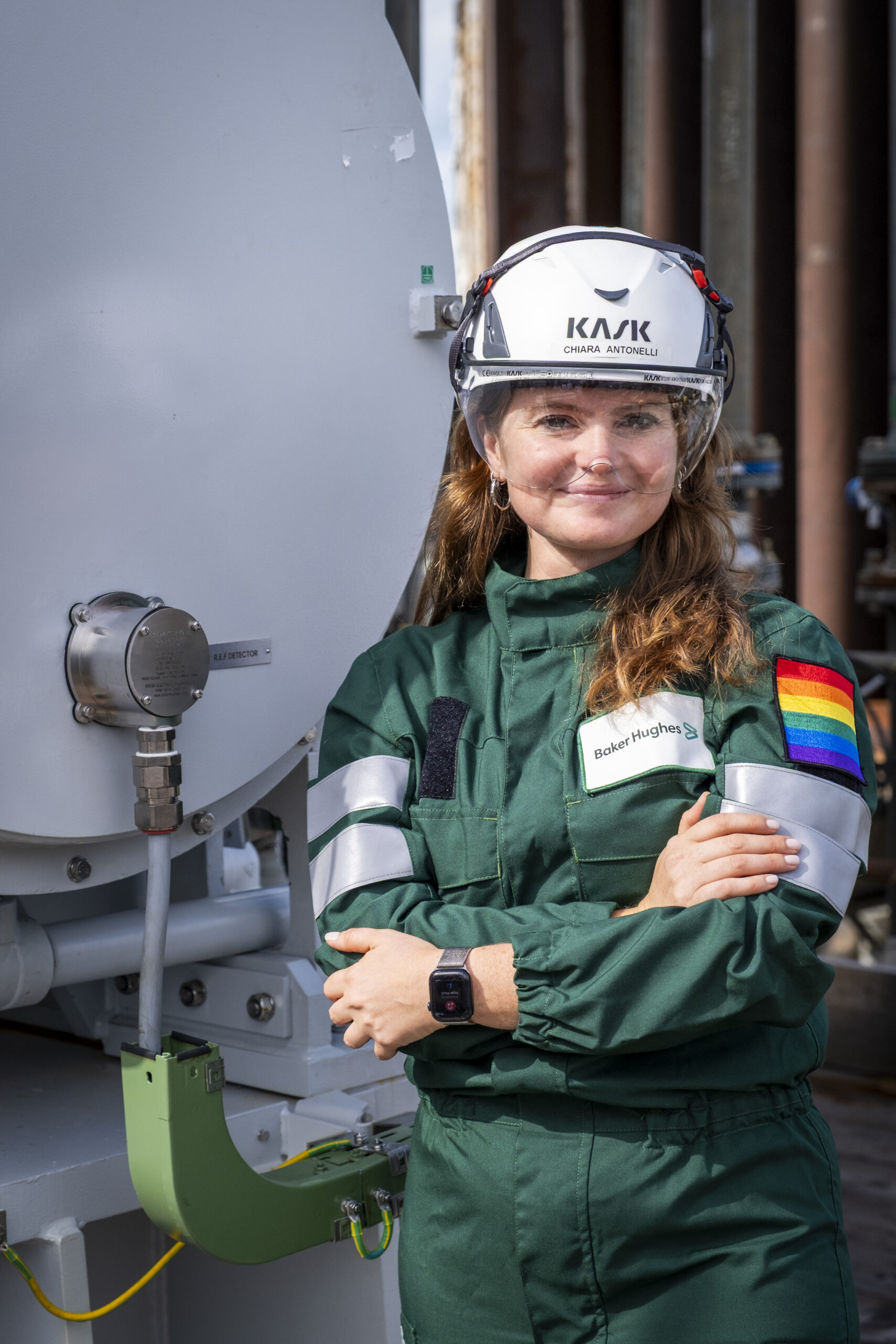
    Chiara Antonelli is a test bench leader. She recently volunteered at a hospital in Africa, to create a photo-reportage for an Italian humanitarian charity. This is her story. 


    Hello Chiara. Could you please introduce yourself and tell us a little bit more about your current role at Baker Hughes?

    I am Chiara Antonelli. I’m based in Massa, Italy, one of the largest turbomachinery manufacturing plants in this country. I am currently a test bench leader for the turbomachinery string test cell. I coordinate and supervise the testing activities in the plant. It is an exciting job, which I started nine months ago. Previously I was in the planning team for the same department.

    I am also a hub leader for the Employee Resource Group Women’s Network and for one of our culture initiatives People First at the local site. Click here to find out more about these Baker Hughes programs. 

    I really enjoy building a network outside of my direct work team, to feed my curiosity and make new connections.

    Chiara Antonelli, Baker Hughes

    Tech explainer

    What is a turbomachinery string test? 

    A turbine string test is a factory acceptance test where a complete machinery train—typically a driver (turbine/motor), gearbox, and driven equipment (compressor/pump)—is coupled and tested together as one unit. It simulates site operating conditions to verify mechanical performance, vibration, and thermal behavior, ensuring all components operate properly together before field installation. 

    To validate the entire system, the string test team will identify vibration or misalignment, and avoid expensive on-site, last-minute modifications.

    The components tested are gas turbines, compressors, motors, and auxiliaries connected in a “string”.

    The test monitors bearing temperatures, rotor dynamics, and vibration at full speed and load.

    Here is an example of how this can also be done virtually. 

    Which Baker Hughes technologies go through testing in Massa?

    We test new turbomachinery units manufactured in the Massa and Florence plants, or upgrades to existing units. As a key part of the supply chain, the test bench is the last department once a unit is being packaged and completed, before dispatch for delivery. The customer can ask for additional testing activities, for both new units and upgrades. This is way to ensure quality checks before our products are installed at the customer sites.

    When I mention ‘units’, it can be gas turbines or compressors. 

    The test carried out is for the main skid and its auxiliaries. We test the skid using the same site operating conditions as at the customer’s site.

    We use different configurations for the testing of the equipment, to recreate operating conditions as realistically as possible. My team consists of 15 people, divided into mechanical and electrical sub-teams, and is led by Andrea Riccucci, while I oversee the operational activities.

    Tech explainer

    What is a skid?

    A skid is a modular, steel-framed platform holding auxiliary equipment for gas/ steam turbines or compressors, such as fuel conditioning, lube oil systems, or cooling systems. These self-contained units treat, control, or transport fluids and gases to the main item, improving performance and protecting sensitive components from contamination. Baker Hughes technologies cover virtually every application across the oil and gas value chain, and in other industries, too. Power plants, LNG, and pipeline transmission feature some of the most well-known, innovative solutions. 

    Could you please explain what your journey through education and previous roles were, to get to where you are today? 

    I am a Management Engineer. I graduated from Pisa University, and I originally joined Baker Hughes in 2022 as an intern working on continuous improvement. Since then, I completed my master’s degree while working with this amazing team. The company gave me the opportunity to take both paths in parallel: academic and professional. 


    You recently had the opportunity to volunteer for an unusual project in Africa. Can you please describe how this came about?

    Since 2009, I’ve watched my father, who is an anesthetist, pack his suitcase for humanitarian missions. He would come home with vivid stories of new worlds for my brother and me.

    Over the years, I came to understand the deeper meaning of such missions: helping others and receiving in return a profound sense of gratitude.

    I have been waiting for an occasion to join him for a long time; I just didn’t really know how to access such an opportunity with my career. My brother is a nurse now, so he will be able to do this as part of his job. But for me it was a little less obvious.

    I should also mention, I have always loved photography, I practiced it as a hobby but worked freelance during my studies. I have experience with product marketing and wedding photography. Since becoming an engineer, I have kept it alive when I get the opportunity. 

    Last year, my dad called to let me know the charity Emergenza Sorrisi he was working with needed a reporting photographer during their next humanitarian mission in the Republic of the Congo (RDC). So, he suggested I send my resume, to see if it would be a good fit for me to join them, and I was accepted in the team!

    EFS_April2026_Chiara Antonelli and father
    Chiara Antonelli, right, with her father, in the operating room, dressed up and ready for the next patient when in RDC. 


    As you can imagine, ahead of making it to RDC, we encountered logistical complexities, including last-minute travel arrangements, required vaccinations, and safety checks due to the geopolitical situation.

    Once in Brazzaville (RDC), everything I had imagined through my father’s stories took shape — the sounds, the colors, the emotions and experiencing this next to him made it even more meaningful.  

    I was there for a week. I took it as annual leave from Baker Hughes.

    From 8am to 8pm, our daily routine was simple: breakfast, then straight to the hospital. While the medical staff was operating, I was staying with the families and the children awaiting treatment and reporting on the day’s activities for the charity, then back for a quick dinner and a rest.

    The language barrier was an issue at times, as local people speak French and unfortunately, I don’t. So, we had to go through team mates to translate. It was so gratifying getting to know the patients, discovering their stories and understanding their culture.

    Chiara Antonelli (front row) with the Emergenza Sorrisi team and the local staff, in front of Brazzaville’s Hospital entrance


    Charity description: 

    Emergenza Sorrisi ETS (Doctors for Smiling Children) is a humanitarian organization that, since 2007, has been providing free specialized surgical care and medical assistance to the most vulnerable children living in fragile contexts, where access to healthcare is limited or non-existent. Active in more than 31 countries, it carries out missions thanks to the voluntary work of over 300 highly qualified doctors, nurses, and healthcare professionals, and has given a new life to more than 8,000 children.

    The organization’s mission focuses on treating severe craniofacial malformations, burn sequelae, and disabling traumas — including those caused by armed conflicts — which compromise vital functions such as breathing, speech, and nutrition, often leading to social exclusion.


    Can you please explain what happens now with the photos you took during the mission?

    The charity relies on donations from corporate organization and the Italian government for example, as well as private donors. The photography is used to help document the organization’s work around the world, for their website, on social media and for presentations to potential patrons. It is important to record a day in the life of the children and families and the benefits of the work of the mission. 

    In the week I was there, 43 children were operated on, around double what was expected, thanks to the additional support from the local staff. Patients from all over the RDC come to the Brazzaville Children’s Hospital. The mission staff supported screening and specialized interventions on cranial fascial malfunctions. The team took the opportunity to also train local staff while on site. 

    The main purpose is to make the process sustainable so that local staff and community can benefit during and after the visit from the team from Italy. I truly felt that what they choose to do for the local community is inspiring. 


    EFS_April2026_Chiara Antonelli with patient
    Chiara Antonelli, with one of the patients post-operation, taking photos for the mission

    Now that you are back at work, can you tell us how you feel this experience already has or will influence your work. What did you learn?

    I think I can explain by referring to the Baker Hughes values, grow, collaborate, lead and care, which are relevant here

    I believe empathy or care in this instance is one of the main aspects of this journey for me. You never know what the person in front of you is going through in their life. That’s an important perspective to take in everyday interactions with colleagues and people in general. 

    Making connections and stepping out of your comfort zone is essential to continue to learn. I was not part of the medical staff, yet I was able to help the patients, families and their children as they were waiting to be seen by the doctors and in the operating room. Taking photos and interacting created a distraction in a very tense situation. I realized I could be of some help, even though I am an engineer in ‘real life’. This was very gratifying and meaningful to me.  This also resonated with the collaborate value- taking care of each other and understanding others to help them. 

    I do feel better equipped to lead, in the sustainable energy development context of our industry.  As I mentioned earlier, the mission’s aim is to make work methods more sustainable for future operations in the hospital, well beyond the week of planned interventions. This was a key learning for me. When you do something with people at work, you also teach them how to do it themselves, to make it work. This is very important in my daily work for knowledge transfer, both when I am coaching others and learning.  

    Finally, I am convinced this experience made me grow not only as a leader, but also as a human. Witnessing the relief and gratitude of the parents, after experiencing the stress and the worry for their children, was priceless. To feel all the emotions of this intense experience, while bringing back so many memories is transformative. 

    Continue Reading

  • Strategic Wireless Investments are Driving Higher ROI for Enterprises in the AI Era

    Strategic Wireless Investments are Driving Higher ROI for Enterprises in the AI Era

    News summary:

    • Wi-Fi Investment Momentum: Driven by the rise of AI, IoT, and high-bandwidth applications, four out of five organizations increased wireless investment in the past five years, with a similar number forecasting continued budget increases.

    • The Multiplier Effect: Strategic wireless investment drives business value, with more than two-thirds of organizations reporting positive revenue impacts, and three quarters experiencing enhanced customer engagements and seeing efficiency gains.

    • The Wireless AI Paradox: Organizations that can successfully navigate challenges posed by AI (complexity, security and talent) are reaping the rewards with greater wireless ROI.

    • The Automation Imperative: AI-driven operations can help reclaim 850+ hours per IT practitioner annually, shifting teams from reactive “ticket cycles” to high-value strategic initiatives.

    SAN JOSE, Calif. – April 2, 2026 – Cisco today released its inaugural State of Wireless Report, revealing that Wi-Fi has evolved into a strategic growth engine capable of delivering a multiplier effect—where a single network investment drives compounding returns across employee productivity, customer engagement, and revenue. Based on a survey of over 6,000 global wireless professionals, the report underscores that as organizations reach an inflection point in connectivity demand, those who prioritize wireless strategically are achieving significantly higher business value than their peers.


    This business value is governed by the “wireless AI paradox”: while AI is a primary driver of wireless ROI, it may also fuel operational complexity and security risks. Whether this dynamic becomes a barrier or a competitive advantage depends on how organizations navigate it. The report provides a strategic roadmap—integrating AI-driven automation, modern security, and specialized expertise—to help address these potential challenges. By taking this holistic approach, the report suggests, organizations are four times more likely to achieve strong returns, turning their wireless infrastructure into a powerful competitive edge.


    Modern wireless drives better outcomes for customers, operations, employees, and revenue

    The rise of the Internet of Things, AI workloads, and high-bandwidth applications like 4K/8K streaming and AR/VR are now the primary drivers for wireless modernization. As organizations adapt to these demands alongside shifting workplace trends like hot desking and BYOD, they are significantly increasing their wireless budgets:

    • 80% increased spending over the last five years
    • 29% increased budgets by 50% or more over those five years
    • 82% forecast continued budget increases over the next 4-5 years
    • 35% expect to increase budgets by 50% or more over this time

    Those already modernizing are experiencing a multiplier effect—where an investment in wireless generates multiple positive business outcomes:

    • 78% report operational efficiency gains
    • 75% see employee productivity improvements
    • 75% observe enhanced customer engagement
    • 68% experience positive revenue impacts from wireless investments

    “The enterprise workforce is evolving into blended teams of humans, AI agents, and automated systems, all operating together at machine speed. Wi-Fi is the foundation that makes that possible, connecting every endpoint, protecting every interaction, and unlocking the operational insights that drive smarter decisions across the business,” said Anurag Dhingra, SVP & GM, Enterprise Connectivity & Collaboration, Cisco. “AI is both the biggest opportunity and the biggest test for enterprise networks right now.”


    The survey shows organizations are accelerating the refresh of wireless networks, with an increasing percentage of respondents planning to upgrade to the 6GHz spectrum. Nearly three in five organizations report plans to deploy Wi-Fi 6E or Wi-Fi 7 in the next year for modernized connectivity.


    The Wireless AI Paradox

    While AI drives innovation, it introduces three interconnected areas that—when successfully navigated—make organizations four times more likely to achieve wireless ROI (4:1 or higher). To harness this competitive advantage, organizations should consider prioritizing:

    1. Reducing operational complexity: With nearly all organizations (98%) reporting rising wireless complexity, many teams are trapped in a reactive cycle that drains resources, diverts resources away from strategic work, and undermines AI initiatives. To manage this, more than four surveyed organizations prefer a fully or mostly automated wireless network powered by AI-driven operations. This approach is proven: 98% of those already using AI automation report substantial gains, saving an average of 3 hours and 20 minutes per person, per day.
    2. Mitigating wireless security risks: AI-generated security incidents are a leading driver of increased wireless security risk. Over half of organizations report financial losses from wireless security incidents, with half of them exceeding US$1 million annually. Over a third of affected organizations point to compromised Internet of Things (IoT) or Operational Technology (OT) devices as the culprits.
    3. Addressing competition for wireless personnel: A significant personnel shortage is amplifying operational challenges. Nearly nine in ten wireless leaders are struggling to hire qualified professionals, citing increasing talent movement to roles in areas like AI and cybersecurity. This talent gap is costly: organizations facing more significant hiring difficulties are more likely to incur security incident costs that are 70% higher annually than those with no recruitment challenges.

    About the Cisco State of Wireless Report

    The Cisco State of Wireless Report is an inaugural global study based on interviews with 6,098 wireless decision-makers and technical specialists in organizations with at least 250 employees across 30 markets and a range of industries. Research was conducted by Sandpiper Research & Insights.


    Additional Resources:

    • Join Cisco on Thursday, April 2 at 9 a.m. PT for a LinkedIn Live event to learn more about the State of Wireless Report

    About Cisco

    Cisco (NASDAQ: CSCO) is the worldwide technology leader that is revolutionizing the way organizations connect and protect in the AI era. For more than 40 years, Cisco has securely connected the world. With its industry leading AI-powered solutions and services, Cisco enables its customers, partners and communities to unlock innovation, enhance productivity and strengthen digital resilience. With purpose at its core, Cisco remains committed to creating a more connected and inclusive future for all. Discover more on The Newsroom and follow us on X at @Cisco.


    Cisco and the Cisco logo are trademarks or registered trademarks of Cisco and/or its affiliates in the U.S. and other countries. A listing of Cisco’s trademarks can be found at http://www.cisco.com/go/trademarks. Third-party trademarks mentioned are the property of their respective owners. The use of the word ‘partner’ does not imply a partnership relationship between Cisco and any other company.

    Continue Reading

  • Insider Spends UK£244k Buying More Shares In S4 Capital

    Insider Spends UK£244k Buying More Shares In S4 Capital

    Investors who take an interest in S4 Capital plc (LON:SFOR) should definitely note that the Senior Independent Non-Executive Director, Rupert Walker, recently paid UK£0.25 per share to buy UK£244k worth of the stock. We reckon that’s a good sign, especially since the purchase boosted their holding by 66%.

    This technology could replace computers: discover the 20 stocks are working to make quantum computing a reality.

    Notably, that recent purchase by Rupert Walker is the biggest insider purchase of S4 Capital shares that we’ve seen in the last year. Even though the purchase was made at a significantly lower price than the recent price (UK£0.30), we still think insider buying is a positive. While it does suggest insiders consider the stock undervalued at lower prices, this transaction doesn’t tell us much about what they think of current prices.

    The chart below shows insider transactions (by companies and individuals) over the last year. If you want to know exactly who sold, for how much, and when, simply click on the graph below!

    View our latest analysis for S4 Capital

    LSE:SFOR Insider Trading Volume April 2nd 2026

    There are always plenty of stocks that insiders are buying. If investing in lesser known companies is your style, you could take a look at this free list of companies. (Hint: insiders have been buying them).

    Looking at the total insider shareholdings in a company can help to inform your view of whether they are well aligned with common shareholders. A high insider ownership often makes company leadership more mindful of shareholder interests. S4 Capital insiders own about UK£25m worth of shares. That equates to 13% of the company. While this is a strong but not outstanding level of insider ownership, it’s enough to indicate some alignment between management and smaller shareholders.

    The recent insider purchase is heartening. And the longer term insider transactions also give us confidence. But we don’t feel the same about the fact the company is making losses. When combined with notable insider ownership, these factors suggest S4 Capital insiders are well aligned, and that they may think the share price is too low. In addition to knowing about insider transactions going on, it’s beneficial to identify the risks facing S4 Capital. At Simply Wall St, we’ve found that S4 Capital has 2 warning signs (1 is concerning!) that deserve your attention before going any further with your analysis.

    Of course S4 Capital may not be the best stock to buy. So you may wish to see this free collection of high quality companies.

    For the purposes of this article, insiders are those individuals who report their transactions to the relevant regulatory body. We currently account for open market transactions and private dispositions of direct interests only, but not derivative transactions or indirect interests.

    Have feedback on this article? Concerned about the content? Get in touch with us directly. Alternatively, email editorial-team (at) simplywallst.com.

    This article by Simply Wall St is general in nature. We provide commentary based on historical data and analyst forecasts only using an unbiased methodology and our articles are not intended to be financial advice. It does not constitute a recommendation to buy or sell any stock, and does not take account of your objectives, or your financial situation. We aim to bring you long-term focused analysis driven by fundamental data. Note that our analysis may not factor in the latest price-sensitive company announcements or qualitative material. Simply Wall St has no position in any stocks mentioned.

    Continue Reading

  • J&J among Fortune 2026 America’s Most Innovative Companies list – Johnson & Johnson

    1. J&J among Fortune 2026 America’s Most Innovative Companies list  Johnson & Johnson
    2. Stratus Medical Recognized on Fortune’s America’s Most Innovative Companies List for 2026  PR Newswire
    3. Three Cincinnati companies among the nation’s most innovative, according to Fortune  The Business Journals
    4. Carna Health Awarded on the Fortune’s America’s Most Innovative Companies 2026 List  businesswire.com
    5. Cincinnati Children’s ranks among most innovative companies by Fortune  Cincinnati Enquirer

    Continue Reading

  • Public Finances Are CEE Sovereigns’ Main Vulnerability to Iran Conflict – fitchratings.com

    1. Public Finances Are CEE Sovereigns’ Main Vulnerability to Iran Conflict  fitchratings.com
    2. (Fitch): Protracted War with Iran Increases Demand Risks for US Companies  صحيفة مال
    3. Fitch predicts volatile 2026 for energy and industrials as Strait of Hormuz closure looms  Trend News Agency
    4. EMEA ports have rating headroom to weather Hormuz closure: Fitch  Arab News PK

    Continue Reading

  • Leveraging accessible digital health innovations to advance health equity for persons with disabilities

    Leveraging accessible digital health innovations to advance health equity for persons with disabilities

    The International Disability Alliance and World Health Organization warmly invite you to join the webinar “Leveraging accessible digital health innovations to advance health equity for persons with disabilities”.

    Around 1.3 billion persons with disabilities, 16% of the global population, still face persistent health inequities, including poorer health outcomes and premature death. As countries accelerate the adoption of digital health solutions to advance Universal Health Coverage, there is a critical opportunity and responsibility to ensure these innovations are inclusive and accessible. Too often, digital health tools stay out of reach for persons with disabilities, maintaining existing inequalities rather than reducing them.

    Against this backdrop, the International Disability Alliance, in collaboration with the World Health Organization, invites you to a webinar to explore how we can accelerate health equity for persons with disabilities through digital health innovations.

    Date and time

    The webinar will be hosted on 7 April 2026, from 12:00 to 12:30 CET.

    Content & accessibility

    This discussion will:

    • Position health inequities experienced by persons with disabilities as a global health priority that must be addressed in the current, rapid digital health transformation of health systems around the world;
    • Disseminate the WHO-ITU Global standards for accessibility of telehealth services and its implementation toolkit;
    • Explore the opportunities and risks of AI for persons with disabilities in the context of global health, including its potential to enhance accessibility as well as the risks of algorithmic bias

    The webinar will feature experts from the International Disability Alliance, World Health Organization, International Telecommunication Union, World Blind Union, Republic of India, and the University of Geneva (in order of appearance). An expert presentation, a panel discussion, and an interactive Q&A session will be facilitated. 

    The session will be conducted in English, with live language interpretation in Arabic, French, Portuguese and Spanish. Captioning and International Sign Language will be available.

    Health equity cannot be achieved if persons with disabilities remain excluded from digital health solutions. Join us in advancing inclusive, rights-based health innovations.

    Continue Reading

  • Algorithm May Advance Scalable Computational Fluid Simulations on Quantum Computers

    Algorithm May Advance Scalable Computational Fluid Simulations on Quantum Computers

    Insider Brief

    • Researchers from Quanscient and Haiqu developed and demonstrated a new quantum algorithm for computational fluid dynamics that reduces resource requirements and advances the feasibility of real-world engineering simulations on quantum hardware.
    • Tested on IBM’s Heron R3 quantum computer, the approach enabled a 15-step nonlinear fluid simulation with an obstacle, representing one of the most physically complex quantum CFD demonstrations to date.
    • By lowering qubit counts and computational overhead, the method outlines a practical path toward industrial applications such as aerospace design and energy system optimization as quantum systems scale.
    • Photo by Igor Omilaev on Unsplash

    PRESS RELEASE — Researchers from Quanscient, a leader in cloud-based multiphysics simulation technology and quantum algorithms, and Haiqu, a leading developer of quantum middleware, today announced a new algorithm that can significantly advance the use of quantum computing in real-world engineering applications. The teams conducted a 15-step nonlinear fluid benchmark with an obstacle, making this the most physically complex, publicly documented variant of a Quantum Lattice Boltzmann Method (QLBM) hardware demonstration to date.

    Developed and tested on IBMs largest-available quantum computer, the IBM Heron R3, the algorithm reduces the number of qubits required to run complex simulations in computational fluid dynamics (CFD) on quantum computers, demonstrating a viable path toward future industrial-scale solutions.

    CFD is widely used to model how air, water, and other fluids behave around objects, such as airflow over an aircraft wing. It plays a critical role in product development and testing across industries, including aerospace, automotive, and energy. However, these simulations are extremely demanding for even today’s most powerful supercomputers, often taking days or even weeks to complete, if possible at all.

    The new algorithm addresses one of the key challenges in applying quantum computing to CFD: high resource requirements. By significantly reducing the number of qubits and computational operations needed, this approach makes it more practical to run complex simulations on quantum computers. It demonstrates a more efficient path toward using quantum systems for real-world applications, and ultimately could help companies design better products and optimize complex systems more quickly.

    “This is an interesting and timely contribution to quantum CFD,” saidOleksandr Kyriienko, Professor and Chair in Quantum Technologies at the University of Sheffield. “It proposes a more flexible quantum LBM framework while keeping the core algorithm efficient, and it strengthens the case with applications ranging from linear acoustics to IBM-QPU-assisted nonlinear flow simulations. We need more works like this to achieve industrially relevant quantum solutions.”

    “This is one of the most realistic CFD simulations ever executed on a quantum computer. It is an important signal that quantum CFD research is moving toward simulating how fluids interact with real-world shapes and obstacles on quantum hardware,” Mykola Maksymenko, CTO of Haiqu. “This is the direction that any industrially meaningful workflow would have to take to reach commercial viability.” 

    “CFD is one of the most computationally difficult branches of simulation with some of the largest impact on the world’s biggest sectors,” said Valtteri Lahtinen, Chief Scientist of Quanscient. “Quantum computers offer a future path to simulations that are far more complex than what classical computers can handle, which may allow for the design of more efficient vehicles and aircraft, better energy systems and more. Our work with Haiqu is a critical step toward making this a reality.”

    Researchers from Quanscient and Haiqu developed and tested a novel One-Step Simplified LBM (OSSLBM) based on a quantum Lattice Boltzmann Method (QLBM) algorithm, which is a powerful generalization of an important classical CFD technique. Their approach allowed them to run a nonlinear fluid‑flow simulation with an obstacle, such as fluid moving around a solid object, over multiple steps on IBM quantum hardware. Haiqu’s algorithmic and runtime layer was critical to making this possible, reducing circuit depth, improving and developing new key algorithmic subroutines, and applying targeted error‑reduction techniques that allowed the quantum system to execute a multi‑step, complex workflow that would otherwise be out of reach for today’s devices.

    The researchers believe their work represents a new algorithmic framework that reshapes how fluid simulations are performed on quantum computers, turning a complicated sequence of calculations into a simpler, more efficient process designed for quantum hardware. The hybrid quantum-classical OSSLBM can be executed on current hardware, outlining a practical path for moving beyond simple linear demonstrations toward more realistic, engineering‑relevant quantum fluid simulations as quantum systems continue to mature.

    To learn more about the research, find the paper on arXiv here.

    Continue Reading

  • Climate Analytics | Breaking the cycle of energy shocks: India’s…

    Climate Analytics | Breaking the cycle of energy shocks: India’s…

    For over three decades, every major global energy shock – from the 2003 Gulf War to the 2008 oil price spike and now renewed crisis in the Middle East  which disrupting around 20% of global energy supply – has exposed the same structural weakness in India’s economy: a deep and persistent dependence on imported fossil fuels and resulting vulnerability from price volatility.

    Each time global supply tightens, the consequences ripple through India’s economy, widening trade deficits, raising inflation, and forcing fiscal interventions. But beyond these macroeconomic pressures, a more fundamental issue remains unresolved: India’s energy system is still structurally tied to fuels that it does not control.

    This dependence is not episodic; it’s systemic. Fossil fuels constitute around 75% of India’s primary energy need and import plays a significant part of it. India imports roughly 85–90% of its crude oil, around 45–50% of its fossil gas, and a significant share of its coal needs, particularly higher-grade fuels.

    The recent increased focus on coal amid oil and gas shortages should be understood in this context. It is not simply a short-term operational decision. It is a reflection of a deeper strategic dilemma, one in which fossil fuels continue to dominate, even as their risks become more visible.

    Coal as a shock absorber and not a solution

    The current increase in coal utilisation reflects its role as a “shock absorber” in India’s energy mix. When gas becomes scarce or expensive, coal plants are ramped up to maintain electricity supply. This has been evident in recent policy responses, where coal plants are being pushed to operate at higher capacity to offset fuel shortages elsewhere.

    Coal reliance comes with several critical drawbacks.

    First, coal does not eliminate import dependence. India still imports substantial volumes, over 240 million tonnes annually in recent years on the top of one billion tonnes of domestic production, particularly for coking coal and higher-grade thermal coal, exposing it to international price volatility and supply risks.

    Second, continued coal expansion locks in long-lived infrastructure, creating stranded asset risks and reducing system flexibility at a time when cleaner, more cost-competitive alternatives are scaling rapidly. Third, this lock-in reinforces inefficiencies across the power system, including underutilised assets and rising fixed costs, which can translate into higher tariffs and fiscal stress.

    Finally, it exacerbates environmental and public health costs, including air pollution and emissions.

    In effect, coal provides short-term resilience but reinforces long-term vulnerability.

    Contradictions in current policy

    What makes the current moment particularly striking is the coexistence of two parallel trends. On one hand, India is accelerating renewable energy deployment, with solar and wind capacity expanding rapidly and non-fossil sources accounting for a growing share of installed capacity. On the other hand, fossil fuel infrastructure, especially for gas, is still being actively expanded.

    Amid the Middle East crisis, India is pushing renewable energy by accelerating wind and battery clearances because gas supply has become volatile, but at the same time planning to use emergency clause to run imported-coal plant at full capacity.

    Fossil gas has long been positioned as a “transition fuel,” but the geo-political disruptions again underscore its volatility. For a fossil fuel import-dependent country like India, this makes gas a risky foundation for long-term energy planning.

    Expanding gas infrastructure, pipelines, LNG terminals, and distribution networks, risks locking India into another fossil fuel-dependent pathway. These are capital-intensive, long-lived assets that create economic and political incentives to sustain fossil fuel use, even as cleaner alternatives become more competitive.

    Meanwhile, Indian households and businesses, which are already suffering from energy shortage, are going to face yet another summer of climate-fueled heatwaves, one reason for the huge increase in energy demand seen over recent summers.

    Renewable energy is the strongest link

    To align with a 1.5 °C pathway wind and solar generation need to grow about five‑ to six‑fold by 2030, reaching roughly 900–1 200 TWh and around 600 GW of installed capacity from the generation of around 220 TWh in 2024, while accelerating coal phase‑down, expanding grid integration.

    A persistent narrative is that India continues to rely on coal because renewable energy cannot yet meet demand reliably. While challenges around storage, and grid integration are real, this framing misidentifies the core issue.

    Renewable energy is not the source of India’s vulnerability; fossil fuel dependence is.

    India’s renewable energy potential far exceeds its current and projected electricity demand. Estimates suggest over 3 TW of solar and 1 TW of wind energy potential, compared to current peak demand of around 250 GW. At the same time, the economics have shifted decisively. Utility-scale solar tariffs in India have fallen to around INR 2–3/kWh (USD 0.3/kWh), one of the lowest globally, making new renewable generation cheaper than new coal and gas plants in many cases.

    While challenges related to storage and grid integration remain, India is already managing significant variable renewable energy with around 30% of total installed capacity and also  scaling both transmission infrastructure and battery storage, demonstrating that these are manageable system planning issues rather than structural barriers.

    Electrification as the strategic pivot

    Reducing this vulnerability requires more than diversifying fossil fuel sources. It requires reducing reliance on fossil fuels altogether. The most effective pathway to align with a 1.5oC compatible world is large-scale electrification of end uses – transport, buildings, and industry – combined with a power system increasingly powered by renewables.

    Electrification directly reduces oil and gas demand, thereby lowering exposure to import shocks. When paired with domestic renewable generation, it enhances both energy security and economic stability.

    This transition will require substantial investment in grid infrastructure, storage technologies, and demand-side management. It also requires policy coherence – ensuring that incentives support electrification rather than continued fossil expansion.

    However, the long-term benefits are clear: reduced exposure to global volatility, lower emissions, improved air quality, and potentially lower system costs.

    Avoiding fossil fuel lock-in

    The central risk facing India today is not an immediate energy crisis, but long-term lock-in. Every new coal plant, gas pipeline, or LNG terminal represents a commitment to decades of fossil fuel use.

    Avoiding this lock-in requires a clear strategic direction. Short-term measures to ensure energy security are necessary, but they should not dictate long-term infrastructure choices. Instead, policy should prioritise flexibility, resilience, and alignment with a low-carbon future.

    The current moment should therefore be seen as a point of strategic clarity. The repeated exposure to fossil fuel shocks is not incidental – it is a direct consequence of structural dependence.

    A more resilient energy system is one that reduces reliance on imported fuels altogether. India has already made significant progress in expanding renewable capacity. The challenge now is to ensure that this progress is not undermined by continued investment in fossil fuel systems that replicate the very vulnerabilities the country seeks to escape.

    Continue Reading