Category: 3. Business

  • HK, region power down as Trump threat escalates fears

    HK, region power down as Trump threat escalates fears

    Mainland and Hong Kong stocks plunged on Monday after Iran threatened to attack Israeli power plants and facilities supplying American bases in the Gulf if US President Donald Trump carries out his threat to “obliterate” Iran’s ⁠power network.

    The benchmark Hang Seng Index plunged 894 points, or 3.54 percent, to 24,382.

    The China enterprises index was down 266 points, or 3.11 percent, at 8,307 while the tech index was 159 points, or 3.28 percent, down at 4,712.

    On the mainland, the benchmark Shanghai Composite Index ended down 143 points, or 3.63 percent, at 3,813.

    The Shenzhen Component Index closed 520 points, or 3.76 percent, lower at 13,345 while the ChiNext Index, tracking China’s Nasdaq-style board of growth enterprises, lost 116 points, or 3.49 percent, to 3,235.

    The combined turnover of the main indexes in Shanghai and Shenzhen was nearly 2.43 trillion yuan, up from 2.29 trillion yuan on Friday.

    Shares related to the green power and coal sectors led gains while precious metals and tourism stocks suffered steep losses.

    Japan’s stocks and bonds sank to multi-month lows, with the ⁠Nikkei slumping up to five percent earlier in the day, wiping out the gains it made this year.

    The benchmark ended 1,857 points, or 3.48 percent, lower at 51,515 while the broader Topix was down almost 123 points, or 3.41 percent, at 3,486, making for the lowest close for both indexes since January 8.

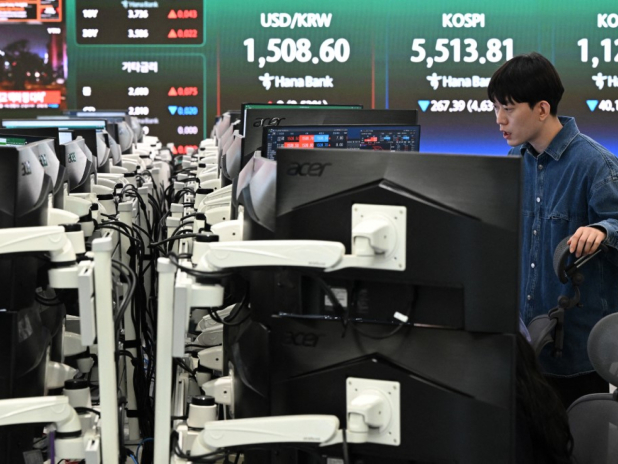
    In Seoul, the benchmark Kospi closed down 375 points, or 6.49 percent, at 5,405, marking its lowest level since March 9 and the biggest daily percentage loss since March 4. (Reuters/Xinhua)

    Edited by Tony Sabine


    Continue Reading

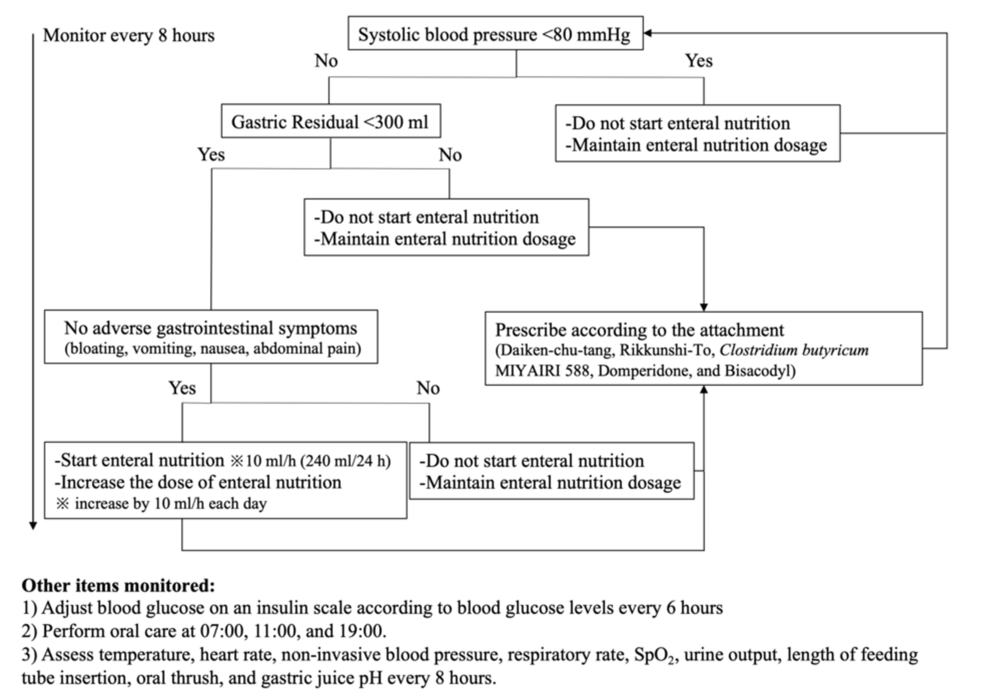
  • The Association Between an Enteral Nutrition Protocol and Achievement of Target Energy Intake in Critically Ill COVID-19 Patients: A Retrospective Observational Study

    The Association Between an Enteral Nutrition Protocol and Achievement of Target Energy Intake in Critically Ill COVID-19 Patients: A Retrospective Observational Study

    Continue Reading

  • Gold and silver in freefall as investors flee safe haven metals trade

    Gold and silver in freefall as investors flee safe haven metals trade

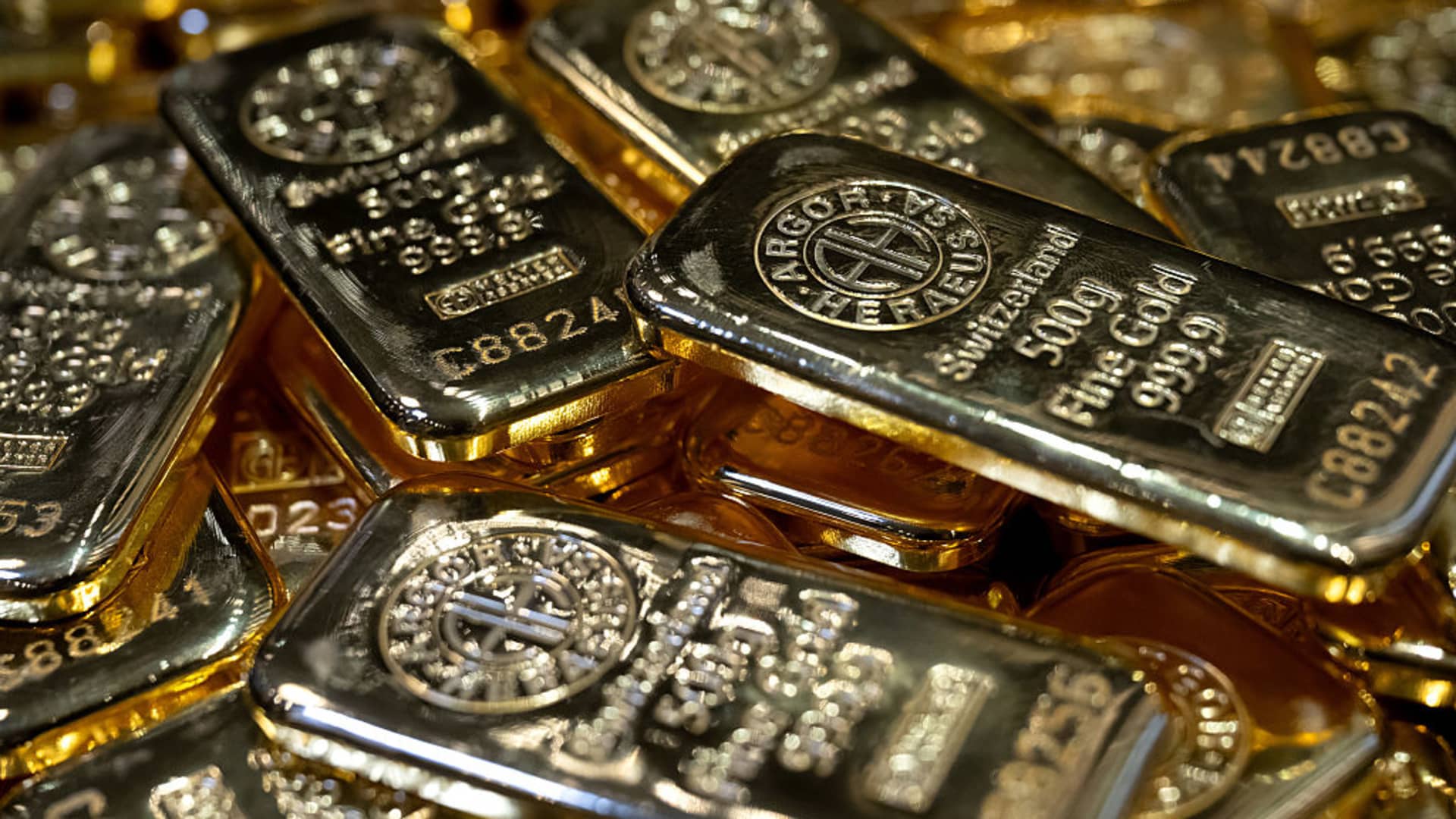
    Gold, silver and platinum resumed their recent sell-off this week, falling sharply as investors continue to retreat from precious metals as a safe haven trade amid the ongoing war in Iran.

    The price of spot gold was seen 7.8% lower shortly after 7:30 a.m. in London (3:30 a.m. ET) on Monday, at $4,126.36.80.

    Gold futures were down almost 10% at $4119.10, the lowest level seen so far in 2026.

    Stock Chart IconStock chart icon

    Gold spot.

    The precious yellow metal lost almost 10% last week in its worst showing since September 2011. Spot gold has now lost around 25% since hitting a record high of $5,594.92/oz at the end of January.

    Spot silver, meanwhile, was down 8.3% at $62.24, a year-to-date low and almost half of its $117 level on Feb. 28, when the Iran war began. Silver futures were trading 11.7% lower on Monday at $61.66.

    Stock Chart IconStock chart icon

    hide content

    Silver futures.

    The sell-off extended to other precious metals, with platinum futures plummeting 10.6% to $1,760.90, while palladium dropped 6.7% to $1,347.50.

    The retreat from gold — which is traditionally seen as a key safe haven asset in times of market turmoil — chimes with the ongoing risk-off sentiment in markets as the Iran conflict fuels concerns over inflation and rising energy prices.

    The prospect of higher interest rates as a result of the war could boost government bonds among investors, at the expense of non-yielding precious metals, market strategists told CNBC recently.

    However, euro zone government bond yields were once again moving higher in early trading on Monday as the conflict’s latest escalation left few hiding places for investors.

    Choose CNBC as your preferred source on Google and never miss a moment from the most trusted name in business news.

    Continue Reading

  • Role of Bone Turnover Markers and Bone Mineral Density in Monitoring Bone Health at One- and Three-Year Post-antiresorptive Therapy Initiation in Patients With Osteoporosis: A Retrospective Cohort Study

    Role of Bone Turnover Markers and Bone Mineral Density in Monitoring Bone Health at One- and Three-Year Post-antiresorptive Therapy Initiation in Patients With Osteoporosis: A Retrospective Cohort Study

    Continue Reading

  • Belief BioMed and Grand Life Sciences Announced Exclusive Commercial Partnership in the Field of Hemophilia A, Bringing Innovative Gene Therapy to Chinese Patients

    Belief BioMed and Grand Life Sciences Announced Exclusive Commercial Partnership in the Field of Hemophilia A, Bringing Innovative Gene Therapy to Chinese Patients

    SHANGHAI, March 23, 2026 /PRNewswire/ — Belief BioMed (“BBM”) and Grand Life Sciences Group Co., Ltd. (“Grand Life Sciences”) today announced an exclusive collaboration agreement. Under the agreement, Belief BioMed will grant Grand Life Sciences the rights to commercialize its investigational product, BBM-H803, in Mainland China, Hong Kong China, Macau China, and Taiwan China. The collaboration underscores the shared commitment of both sides to leverage their respective strengths and resources in their respective fields, to accelerate the commercialization process of the product, help hemophilia A patients access innovative treatment option, and jointly promote the development of the gene therapy industry. The agreement was signed by Xiao Xiao, Co-founder, Chairman and CSO of Belief BioMed, and Zenghui, Feng, Chairman of Grand Life Sciences.

    Dr. Xiao Xiao, Co-founder, Chairman and Chief Science Officer of Belief BioMed, said, “Belief BioMed focuses on the cutting-edge gene therapy field, with our product pipeline covering the rare and common diseases, striving to fill a large number of unmet clinical needs. In 2025, we successfully launched China’s first gene therapy for Hemophilia B, BBM-H901, providing a novel treatment option for patients in this field. Now, turning to the treatment of hemophilia A, we are delighted to forge this strategic partnership with Grand Life Sciences. By combining Belief BioMed’s solid clinical development expertise with Grand Life Sciences’ robust commercialization capabilities, we are creating a powerful synergy to jointly advance the commercialization of gene therapies for hemophilia A. We look forward to bringing this new treatment option to hemophilia A patients in China.”

    Mr. Zenghui Feng, Chairman of Grand Life Sciences Group, said, “Leveraging our extensive blood product resources of its subsidiary, Grand Shuyang, and deep expertise in the field of hematology, this collaboration with Belief BioMed in hemophilia A represents a pivotal strategic move to build our innovative pipeline. We look forward to integrating Belief BioMed’s cutting-edge R&D capabilities with Grand Life Sciences’ mature commercialization platform and market channels. Together, we aim to efficiently accelerate the patient access to this innovative therapy in China. Our shared goal is to enable more hemophilia A patients to benefit earlier, relieving them from the physical burden of frequent injections and the fear of bleeding episodes.”

    About Hemophilia A

    Hemophilia A is a genetic disorder caused by the deficiency of factor Ⅷ, and it is characterized by reoccurring, spontaneous bleeding episodes within joints, muscles, and soft tissues. Reoccurring joints bleeding can result in joint deformity, and disability in severe cases. In China, the hemophilia prevalence rate stands between 2.73 and 3.09 per 100,000 people. There are over 30,000 registered cases of hemophilia A. Currently, most patients rely on factor Ⅷ as a replacement therapy, despite the risk of exposure to infection, together with inconvenience of administration. Furthermore, patients with hemophilia A face multiple challenges, including limited treatment options and a lack of standardized diagnostic and therapeutic procedures. Consequently, there is a pressing unmet need for better medical care among these patients. [3]

    About BBM-H803

    BBM-H803 is an AAV-based gene therapy with independent intellectual property rights owned by Belief BioMed. It is administered intravenously to deliver the coagulation factor Ⅷ gene into the body of patients with hemophilia A, thereby improving and maintaining the coagulation factor level in the patient’s body for a long time, for the prevention of bleeding. BBM-H803 uses liver-tropic capsid and highly efficient gene expression cassette, and the drug production uses the company’s independently developed serum-free suspension culture process, which meets the requirements of the Good Manufacturing Practice for Pharmaceuticals.

    Since 2022, the Investigator Initiated Trial (IIT, NCT05454774) of BBM-H803 has been on-going, and in December of the same year, BBM-H803 was granted Orphan Drug Designation (ODD) by the U.S. FDA. In July 2023, the Investigational New Drug (IND) application for BBM-H803 was approved by China NMPA. In October 2024, the drug received Rare Pediatric Disease Designation (RPDD) from the U.S. FDA.

    Driven by deep mutual trust and seamless collaboration, this partnership will accelerate the commercialization of Belief BioMed’s hemophilia A gene therapies in China. It promises to bring new hope to patients while fueling the continued growth of China’s gene therapy sector.

    Reference

    [1] https://www.beliefbiomed.com/newsd-825.html 

    [2] Feng Xue, et al,Report on the diagnosis and treatment of hemophilia in China (Version 2024),LabMedDiscovery1(2024)100007, https://doi.org/10.1016/j.lmd.2024.100007

    [3] https://www.beliefbiomed.com/newsd-745.html 

    About Belief BioMed

    Belief BioMed Inc. (BBM) is a global biotech company that integrates the research and development, manufacturing and clinical application of gene therapy products. The company is committed to providing innovative and more effective gene therapies for severe genetic and chronic diseases through safe and efficient viral vector technology. BBM has developed hundreds of key vector technologies, including HEK293 cell suspension serum-free culture process and full-scale chromatography purification process, and has established a commercial production platform for gene therapy drugs. The company has been building up its capabilities in a variety of fields including novel AAV capsids targeting different tissues, efficient transgene expression cassette design, and advanced clinically applicable vector manufacturing process. It has also established an extensive R&D pipeline covering a wide range of unmet clinical needs in different therapeutic areas such as hemophilia, DMD, Parkinson’s disease, osteoarthritis, etc. Several product pipelines have entered clinical studies or submitted IND filings. The Biologics License Application (BLA) of a gene therapy for the treatment of adult patients with hemophilia B, has been approved in Mainland China and Macao China.

    For more information, please visit: https://www.beliefbiomed.com/. 

    About Grand Life Sciences

    Headquartered in Changping District, Beijing, Grand Life Sciences is an international pharmaceutical and healthcare enterprise group driven by innovation and supported by a solid industrial foundation. After years of development, the Group has built a diversified industrial layout covering five sectors: blood products, probiotics, vaccines, medical nutrition, and perioperative care. Grand Life Sciences closely tracks cutting-edge technologies in global drug discovery and development. Guided by clinical value and forward-looking strategic planning, the company has built a distinctive product portfolio and a differentiated pipeline covering the entire R&D lifecycle. Grand Life Sciences maintains industry-leading positions across multiple fields, including blood products, live biotherapeutic products, perioperative hemostasis, and vaccines, and currently has more than 30 core innovative product pipelines. The company has established five R&D centers in Beijing, Chengdu, Nanjing, Wuhan, and Hangzhou. To date, more than 30 products are in clinical development, continuously injecting new momentum into the company’s innovation-driven growth. Grand Life Sciences has built high-standard manufacturing bases with advanced quality management systems in nearly ten cities across China. Its sales network covers all provinces and municipalities nationwide, reaching hundreds of thousands of terminal outlets. Blood products are sold globally, with cumulative exports to more than 20 countries, and the company continues to accelerate its expansion into international markets.With the mission of “serving the people wholeheartedly,” Grand Life Sciences consistently upholds the business philosophy of “patient- and consumer-centered, research-based, and market-oriented development.” Guided by the belief that “one dose of medicine can save two lives,” the company actively fulfills its corporate social responsibilities and is committed to building a globally innovative enterprise in the life sciences sector.

    Statement

    This information is only for the purpose of introducing the company’s news, events and information on that date, and is not intended to promote any company’s products and/or services, nor should it be construed as providing any advice or recommendation on the selection of any drugs, medical devices and treatment options.

    For information about any company products, diseases and/or treatments, please consult a healthcare professional.

    BBM-H803 described herein has not been approved for marketing.

    SOURCE Belief BioMed

    Continue Reading

  • BTS: K-pop agency shares drop after comeback show turnout falls short – BBC

    BTS: K-pop agency shares drop after comeback show turnout falls short – BBC

    1. BTS: K-pop agency shares drop after comeback show turnout falls short  BBC
    2. BTS Comeback Show’s Turnout Falls Short, Sparking Hybe Selloff  Bloomberg.com
    3. Immediately after the BTS (BTS) comeback performance at Gwanghwamun Square in Seoul, Hive’s stock pr..  매일경제
    4. [Market Highlight] HYBE Drops 14% in Early Trading After BTS Concert  아시아경제
    5. BTS’ South Korea comeback crowd disappoints, triggering Hybe stock sell-off  South China Morning Post

    Continue Reading

  • Singapore Dollar Weakens Amid Risk-Off Sentiment – WSJ

    1. Singapore Dollar Weakens Amid Risk-Off Sentiment  WSJ
    2. Asian Central Banks Shift to Sidelines as Mideast Conflict Drags On  WSJ
    3. Energy shock tests Asia FX resilience  MUFG Research
    4. Asia’s currencies under siege: Mitul Kotecha on why the Indian rupee, Korean won, and Thai baht face prolonged pain  MSN
    5. Central Bank Policy On Hold As Markets Weigh Energy Risks  Seeking Alpha

    Continue Reading

  • New Bank of Korea governor may deliver rate hikes sooner than anticipated | snaps

    New Bank of Korea governor may deliver rate hikes sooner than anticipated | snaps

    On Sunday, the government announced Shin Hyun-Song as its nominee for the governor of the Bank of Korea. Shin, currently serving as an economic advisor at the Bank for International Settlements, has experience in both academia and policy making. Though his views will come into closer view at the parliamentary confirmation hearing, Shin’s past remarks, coupled with Korea’s macroeconomic conditions, suggest he will take a relatively hawkish policy stance.

    Previously, he’s stressed the need for preemptive and firm action to prevent inflation, excessive lending, and financial imbalances. Shin has characterised household debt as a consequence of excessive liquidity and as a potential threat to the economy’s underlying fundamentals.

    Although government initiatives help stabilise inflation in the short term, pressures continue to build. The depreciation of the won amid increasing oil prices is likely to intensify inflationary pressures. Additionally, persistently high household debt levels are among the factors suggesting the new governor may implement interest rate hikes earlier than markets anticipated.

    Continue Reading

  • Winette van der Graaf: EORTC Global Strategy Meeting Drives Stronger International Clinical Trial Collaboration

    Winette van der Graaf: EORTC Global Strategy Meeting Drives Stronger International Clinical Trial Collaboration

    Winette van der Graaf, President of the EORTC, Professor of Medical Oncology at The Netherlands Cancer Institute, and Founding Member of Common Sense Oncology, shared a post on LinkedIn by European Organisation for Research and Treatment of Cancer, adding:

    “This EORTC – European Organisation for Research and Treatment of Cancer Global Strategy Meeting was meant to learn from the perspectives from our colleagues from all over the world on their ability to run clinical trials in their organisations and healthcare systems to improve outcomes for patients and also (their) healthcare systems. Clearly, the needs and challenges are different, but there was a lot of commonality in the wish and ambition to bring this independent clinical research to a higher level and work on this as global partners together.

    Topics, such as optimisation of diagnostics, local and systemic treatments (dose, duration, schedule, timing of different treatment modalities, optimisation of patients’ input in the whole design and execution of clinical trials) were highlighted and we concluded that we need to move forward now.

    I am incredibly grateful to all the people at Headquarters of EORTC, and particularly to

    Denis Lacombe, who have put a lot of effort into bringing us all together, to my co-chair Martin Stockler, to Elizabeth Eisenhauer for her inspiring keynote lecture and last but not least to all our colleagues who have taken the time and effort to travel all the way to Brussels.
    This meeting was only a start and we will work on the ‘low hanging fruit’ soon and the more difficult nuts to crack in a stronger collaborative spirit than ever before.”

    Quoting European Organisation for Research and Treatment of Cancer’s post:

    “We’ve just wrapped up the EORTC 2026 Global Strategy meeting at EORTC HQ!

    Two inspiring days bringing together global leaders committed to strengthening academic independent patient‑centred clinical cancer research.

    We explored future models for global cooperation, identified common priorities, and aligned on how to ensure academic clinical trials continue delivering robust evidence for patients worldwide.

    A powerful reminder of what makes EORTC unique: our ability to bring diverse voices together, to reflect collectively, and to reshape our scientific agenda with openness and intention.

    Stay tuned for more info!”

    Other articles featuring Winette van der Graaf on OncoDaily.

    Continue Reading

  • Week Ahead for FX, Bonds: PMI Data to Show Middle East War’s Impact on Sentiment

    Week Ahead for FX, Bonds: PMI Data to Show Middle East War’s Impact on Sentiment

    By Dow Jones Newswires staff

    Below are the most important global events likely to affect FX and bond markets in the week starting March 23.

    Provisional purchasing managers' surveys for March in the U.S. and Europe in the week will provide a key gauge of how the ongoing war in the Middle East has impacted sentiment and business activity.

    "This is significant because it's one of the first economic indicators we'll get that cover the period since the conflict began," Deutsche Bank economists said in a note.

    Inflation data from the U.K., Japan and Australia will also be watched closely as concerns grow about the impact of prolonged high energy prices.

    Developments in the Middle East and consequent movements in energy prices will remain firmly on investors' radar.

    U.S.

    Provisional U.S. purchasing managers' surveys for manufacturing and services due Tuesday will give an initial indication of how businesses have held up during the Middle East war, which has caused a sharp spike in oil and gas prices.

    The U.S. Federal Reserve left interest rates on hold at its recent meeting and signaled that inflation risks could make it difficult to cut interest rates. However, the U.S. economy is considered to be in a better position than those of many countries in Europe and Asia as the U.S. is a net energy exporter.

    Other U.S. data due during the week are thin on the ground but will still attract attention.

    Fourth-quarter revised productivity and costs data are due Tuesday, weekly jobless claims Thursday and the University of Michigan's final consumer survey for March on Friday.

    "The Fed has a dual mandate--preserving price stability and maximising employment--and the second part is also facing greater challenges," said ING economist James Knightley in a note. "Hence why we still feel the Fed is more likely to cut than hike rates."

    The Treasury will auction $69 billion in two-year notes on Tuesday, $70 billion in five-year notes on Wednesday and $44 billion in seven-year notes on Thursday.

    Latin America

    Mexico's central bank is due to announce an interest-rate decision Thursday, when it could cut its main policy rate by 25 basis points to 6.75% from 7.0% currently.

    This decision would be consistent with the central bank's recent guidance and focus on underlying trends, HSBC economists said in a note.

    The central bank is likely to give more cautious guidance, however, potentially indicating a pause at the May meeting to assess the potential shocks from higher energy prices, they said.

    Eurozone

    Clues on how the Middle East war and the recent hefty spike in energy prices has impacted business and consumer sentiment will be provided by provisional purchasing managers' surveys for March from France, Germany and the eurozone on Tuesday, as well as several confidence surveys due during the week.

    "Whilst the February [eurozone PMI] report pointed to signs of rising demand and improved optimism, developments in the Middle East threaten to undermine the pickup in activity," Investec's Ryan Djajasaputra said in a note. The manufacturing sector will feel the impact of sharply higher energy prices "most acutely," he said.

    "We expect that the shroud of uncertainty created by the conflict will weigh on the PMI this month."

    Eurozone preliminary consumer confidence data for March are also released Monday. Germany's closely-watched Ifo business climate index for March is due Wednesday. French manufacturing confidence for March is released Thursday.

    Spain's preliminary inflation data for March on Friday will also give a preview of just how much the energy-price spike has fed into prices.

    The European Central Bank kept interest rates unchanged at its March meeting but signaled a readiness to raise rates if high energy prices cause a jump in inflation. Eurozone money markets now fully price a rate hike in June, LSEG data showed.

    Belgium will hold an auction on Monday, and the Netherlands will do so on Tuesday. Germany, whose Finance Agency will publish its quarterly funding review on Monday, will sell April 2031 Bobl on Tuesday and May 2041- and August 2052-Dated Bunds on Wednesday. Italy will hold auctions on Wednesday and Friday.

    U.K.

    U.K. consumer-price inflation data for February on Wednesday will be the highlight of U.K. economic data in the coming week.

    Although the data refers to the month before the Middle East war caused a huge spike in oil and gas prices, it will be closely scrutinized by investors.

    The U.K. already has high inflation. The Bank of England recently left interest rates on hold, suggesting that it could raise rates to tackle rising inflation if need be.

    The inflation data will give a picture of where inflation stood just prior to the U.S.-Israeli attacks on Iran. Higher-than-expected inflation could unnerve investors. U.K. ten-year government-bond yields have hit their highest since 2008, while money markets are pricing in three U.K. rate hikes this year, LSEG data show.

    "We expect the CPI and RPI inflation rates to hold steady in the February print, at 3.0% and 3.8% year-on-year, respectively," HSBC economists said in a note.

    Producer price inflation data for March are also due Wednesday.

    Provisional purchasing managers' surveys for March on U.K. manufacturing and services-sector activity will be released on Tuesday, providing a snapshot of sentiment following the start of the Middle East war.

    GfK's consumer confidence survey for March is released on Friday, followed by U.K. retail sales figures for February.

    Upcoming U.K. government-bond auctions will be watched closely given the recent jump in gilt yields. The U.K. will sell October 2035 gilts on Tuesday and hold a programmatic tender of January 2056 gilts on Thursday.

    Scandinavia

    Norway's central bank, or Norges Bank, announces a decision on Thursday, where it is expected to leave rates on hold at 4%. However, it could be much more reticent about prospects for future rate cuts given high energy prices.

    "We would expect communication to temper the previous rate path's easing bias for this year...given the recent energy price spike," HSBC economists said in a note.

    Sweden will hold a bond auction on Wednesday and Norway will publish quarterly borrowing guidance for the second quarter on Friday.

    South Africa

    South Africa's central bank is expected to keep its main repo rate unchanged at 6.75% in a decision on Thursday. Focus will center on any commentary on the outlook and risks to inflation amid elevated energy prices.

    Japan

    On Monday, Japan's largest labor union group--the Japanese Trade Union Confederation, also known as Rengo--is scheduled to release preliminary results from the annual 'shunto' wage negotiations. Bank of Japan officials are closely monitoring the outcome as they seek to foster wage growth, stronger consumption and stable, moderate inflation.

    Government data due Tuesday are expected to show that nationwide inflationary pressures eased in February, helped by government energy subsidies. Consumer inflation excluding volatile fresh food prices is forecast to have risen 1.7% from a year earlier, according to a Quick poll of economists, compared with January's 2.0% increase.

    The Bank of Japan is scheduled to conduct outright purchases across multiple sectors of the government bond market on Wednesday, including securities with maturities of more than three years up to five years, more than 10 years up to 25 years, as well as inflation-indexed bonds. The operations are expected to support the domestic bond market on that day.

    The Ministry of Finance will auction about 400 billion yen of 40-year Japanese government bonds on Tuesday. The March issuance will reopen the May 2025 issue, the ministry said. This auction could attract interest from investors such as insurance companies and pension funds due to the extremely high yields which the new 40-year issue will probably offer.

    The supply of 40-year JGBs has been tight since issuance was reduced last year, raising the likelihood that supply‑demand factors account for a large share of yield movements, two members of Barclays's FICC Research said in a research report.

    "Amid the mix of fiscal expansion expectations and supply‑demand factors, investor demand at the 40y JGB auction will be closely watched," the members added.

    China

    China enters a quieter week, with investors focusing on industrial profit data for January and February due Friday, and whether it aligns with stronger-than-expected activity data reported earlier this month. "Markets will watch for any improvement from the sluggish 0.6% year-on-year growth rate in 2025," ING economists said.

    Industrial profits have declined in recent years due to persistent price wars and an oversupply of manufactured goods. Chinese exports rose nearly 22% in the first two months of the year, even after reaching a record $1.2 trillion trade surplus last year. Meanwhile, Chinese firms have been expanding aggressively overseas in search of higher margins.

    Markets are also watching whether U.S.-China relations remain relatively stable for now, despite U.S. President Trump postponing his planned trip to Beijing, originally scheduled for the end of this month. Bilateral ties have eased in recent months following a truce in their trade war reached in South Korea late last year.

    As the conflict in the Middle East drags on, BNP Paribas says China's policy priorities have been reshaped toward financial stability and energy security. Financial market stability now tops the agenda, said Wei Li, Head of Multi-Asset Investments, BNP Paribas Securities (China). Li noted the People's Bank of China has emphasized "firmly maintaining stable operations" across equity, bond, and forex markets.

    "China's relative insulation from direct energy shocks-compared to Japan and Korea-provides some policy autonomy, but external volatility necessitates careful calibration between domestic support and external stability," Li said.

    Australia/New Zealand

    (MORE TO FOLLOW) Dow Jones Newswires

    March 22, 2026 20:14 ET (00:14 GMT)

    Copyright (c) 2026 Dow Jones & Company, Inc.
    Continue Reading